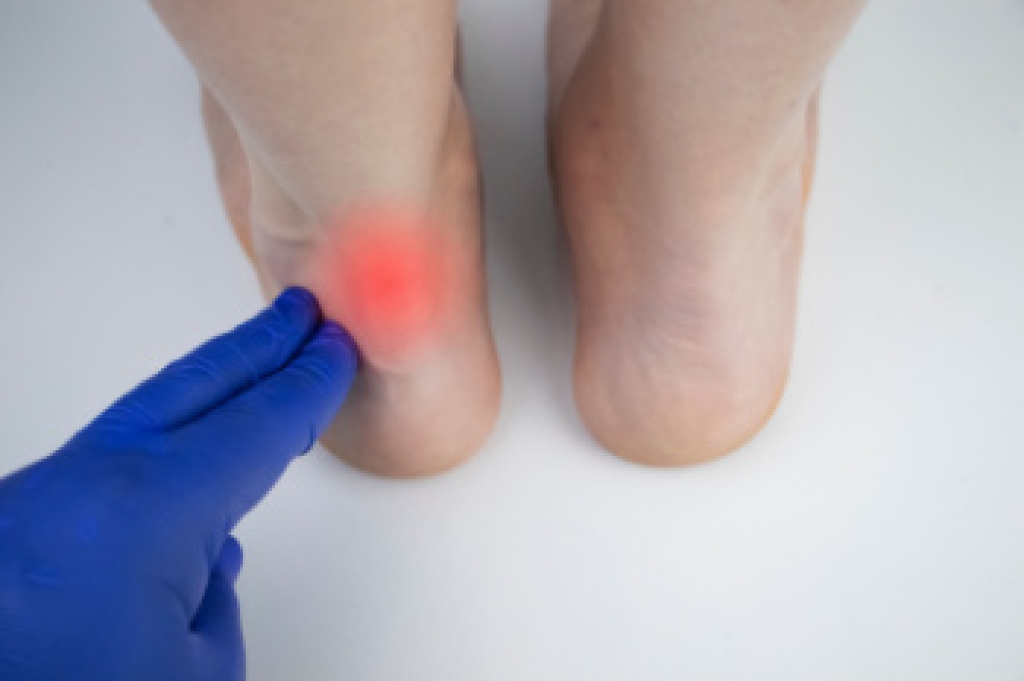
The Achilles tendon is the largest and strongest tendon in the human body, connecting the calf muscles to the heel bone. It plays a vital role in walking, running, and jumping. Acute Achilles tendon conditions develop suddenly, often due to a specific injury or overload, while chronic conditions develop gradually over time due to repeated stress. Achilles tendonitis and tendinosis are common chronic issues that result from micro-tears and degeneration within the tendon. These conditions are frequently seen in active individuals and those who spend long hours on their feet.
Symptoms of Achilles tendon problems may include pain along the back of the heel, stiffness in the morning, swelling, and difficulty with movement. Acute injuries often present with sudden sharp pain, while chronic conditions tend to cause a dull ache that worsens with activity. In more advanced cases, thickening of the tendon or reduced flexibility may occur. Recognizing these symptoms early can help prevent worsening damage and improve recovery outcomes.
Several risk factors contribute to Achilles tendon injuries. These include tight calf muscles, wearing poor footwear, and flat feet or high arches. Sudden increases in physical activity and improper training techniques may also contribute to the problem. Age also plays a role, as the tendon becomes less flexible over time. Occupations that require prolonged standing or repetitive movement can increase strain on the tendon and lead to chronic irritation.
Proper treatment depends on the severity and duration of the condition. Rest, stretching, and supportive footwear can reduce stress on the tendon and promote healing. Early intervention is essential in preventing long term complications. If you have consistent pain or stiffness in the back of your heel, it is suggested that you consult a podiatrist for an accurate diagnosis and appropriate treatment.
Achilles tendon injuries need immediate attention to avoid future complications. If you have any concerns, contact Dr. Kennedy Legel of Advanced Foot & Ankle Care Specialists. Our doctor can provide the care you need to keep you pain-free and on your feet.
What Is the Achilles Tendon?
The Achilles tendon is a tendon that connects the lower leg muscles and calf to the heel of the foot. It is the strongest tendon in the human body and is essential for making movement possible. Because this tendon is such an integral part of the body, any injuries to it can create immense difficulties and should immediately be presented to a doctor.
What Are the Symptoms of an Achilles Tendon Injury?
There are various types of injuries that can affect the Achilles tendon. The two most common injuries are Achilles tendinitis and ruptures of the tendon.
Achilles Tendinitis Symptoms
- Inflammation
- Dull to severe pain
- Increased blood flow to the tendon
- Thickening of the tendon
Rupture Symptoms
- Extreme pain and swelling in the foot
- Total immobility
Treatment and Prevention
Achilles tendon injuries are diagnosed by a thorough physical evaluation, which can include an MRI. Treatment involves rest, physical therapy, and in some cases, surgery. However, various preventative measures can be taken to avoid these injuries, such as:
- Thorough stretching of the tendon before and after exercise
- Strengthening exercises like calf raises, squats, leg curls, leg extensions, leg raises, lunges, and leg presses
If you have any questions please feel free to contact our office located in Dallas, TX . We offer the newest diagnostic tools and technology to treat your foot and ankle needs.
