
Suffering from this type of pain? You may have the foot condition known as Morton's neuroma. Morton's neuroma may develop as a result of ill-fitting footwear and existing foot deformities. We can help.
Suffering from this type of pain? You may have the foot condition known as Morton's neuroma. Morton's neuroma may develop as a result of ill-fitting footwear and existing foot deformities. We can help.
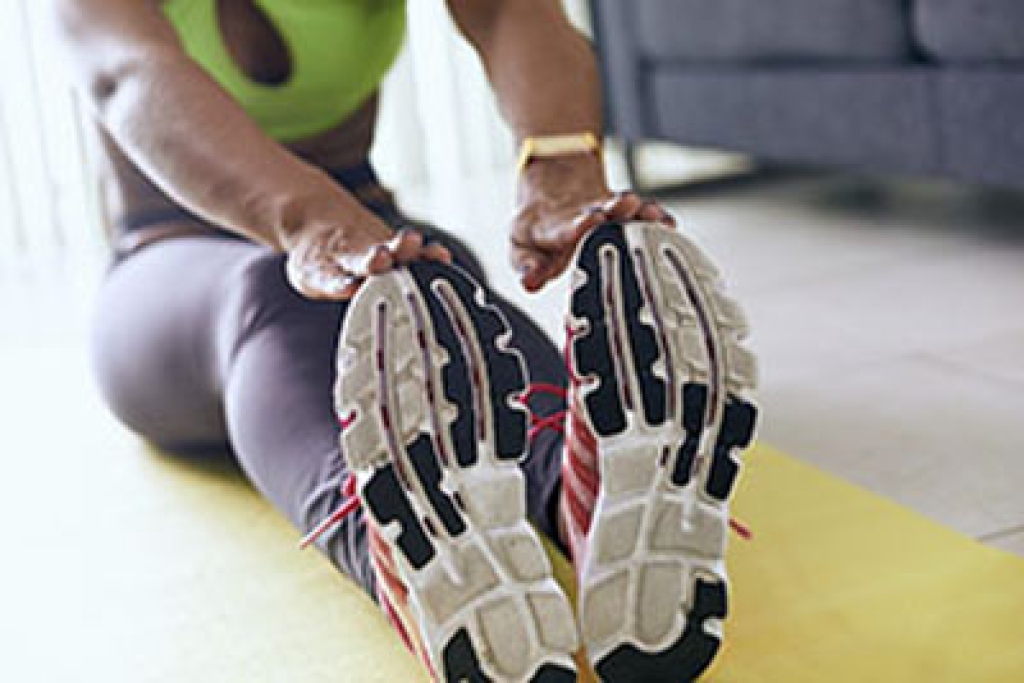 For people who love the sport of running and jogging, it’s beneficial to learn what can be implemented to prevent running injuries. Research has shown the importance of having a physical examination prior to pursuing any running activities. There may be certain medical conditions present that may hinder the enjoyment of this activity, and proper warm-ups should be performed. Additionally, when the correct shoes are worn that fits your foot structure, running and jogging can be enjoyed more thoroughly. Many people find it favorable to identify why they want to run, and this may aid in finding it easier to set a running goal. When proper stretches are performed before and after running, the chances of an injury occurring may be diminished. If you would like to pursue the sport of running, it’s suggested to speak with a podiatrist to learn about correct stretching techniques for the feet.
Exercising your feet regularly with the proper foot wear is a great way to prevent injuries. If you have any concerns about your feet, contact Dr. Kennedy Legel of Advanced Foot & Ankle Care Specialists. Our doctor will treat your foot and ankle needs.
How to Prevent Running Injuries
Many common running injuries are caused by overuse and overtraining. When the back of the kneecap starts wearing out and starts causing pain in your knee, this is commonly referred to as runner’s knee. Runner’s knee is a decrease in strength in your quadriceps and can occur if you’re not wearing properly fitted or supporting shoes. To prevent runner’s knee, focusing on hip strengthening is a good idea, as well as strengthening your quads to keep the kneecaps aligned.
What Are Some Causes of Running Injuries?
- One cause of a common running injury is called iliotibial band syndrome.
- Plantar fasciitis is also another common injury.
- Stress fractures can occur from overtraining, lack of calcium, or even your running style.
Best Ways to Prevent Running Injuries
- Wear footwear that fits properly and suits your running needs.
- Running shoes are the only protective gear that runners have to safeguard them from injury.
- Make a training schedule. Adding strengthening exercises as well as regular stretching can help keep you strong and limber and can lessen the possibility of injuries.
- Stretching keeps muscles limber; this will help you gain better flexibility.
If you have any questions, please feel free to contact our office located in Dallas, TX . We offer the newest diagnostic and treatment technologies for all your foot care needs.
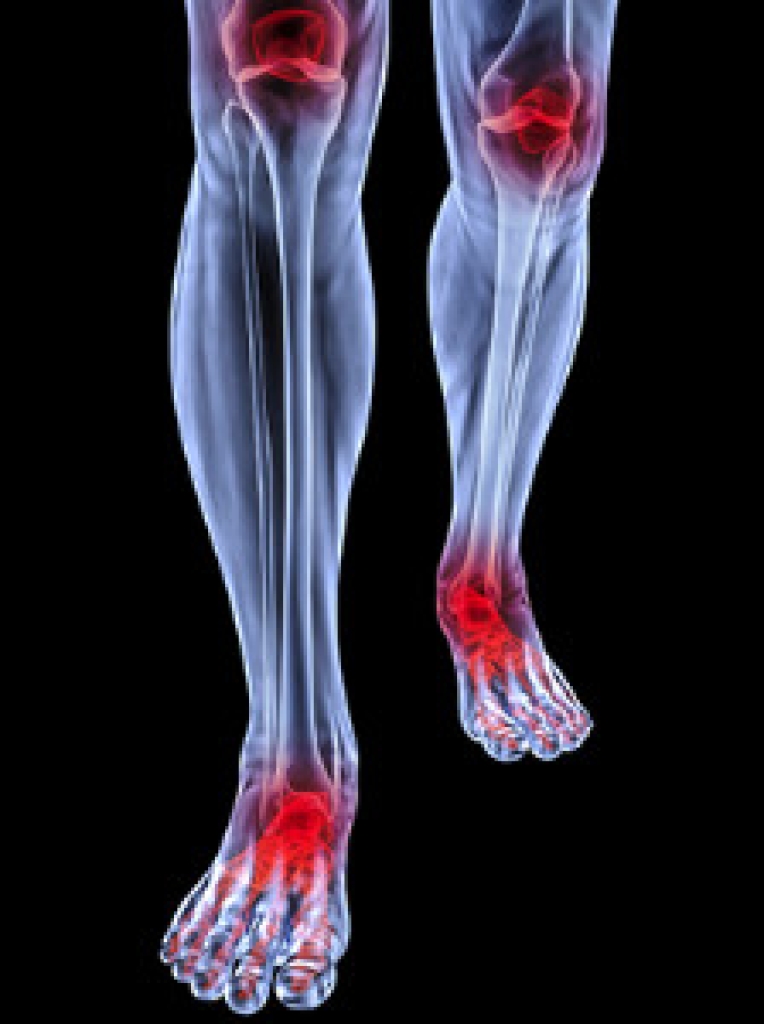 The condition known as rheumatoid arthritis is a painful ailment that typically affects the muscles and joints. When this occurs in the feet, the toenails may become affected in addition to the patient possibly experiencing pain and stiffness. The discomfort is generally felt in the smaller joints in the feet, and this can possibly lead to the formation of corns and bunions. In severe cases, the toes may curl and hammertoe may develop as a result of this. This particular form of arthritis occurs when the body’s immune system is compromised. The ability to fight infection is diminished, and this may cause pain and swelling to gradually develop. If you are afflicted with rheumatoid arthritis in the joints of the feet, it’s strongly suggested that you consult with a podiatrist, so correct treatment can commence.
Because RA affects more than just your joints, including the joints in your feet and ankles, it is important to seek early diagnosis from your podiatrist if you feel like the pain in your feet might be caused by RA. For more information, contact Dr. Kennedy Legel of Advanced Foot & Ankle Care Specialists. Our doctor will assist you with all of your podiatric concerns.
What Is Rheumatoid Arthritis?
Rheumatoid Arthritis (RA) is an autoimmune disorder in which the body’s own immune system attacks the membranes surrounding the joints. Inflammation of the lining and eventually the destruction of the joint’s cartilage and bone occur, causing severe pain and immobility.
Rheumatoid Arthritis of the Feet
Although RA usually attacks multiple bones and joints throughout the entire body, almost 90 percent of cases result in pain in the foot or ankle area.
Symptoms
Diagnosis
Quick diagnosis of RA in the feet is important so that the podiatrist can treat the area effectively. Your doctor will ask you about your medical history, occupation, and lifestyle to determine the origin of the condition. Rheumatoid Factor tests help to determine if someone is affected by the disease.
If you have any questions, please feel free to contact our office located in Dallas, TX . We offer the newest diagnostic and treatment technologies for all your foot care needs.

Have your child's feet been examined lately? Healthy feet are happy feet. If your child is complaining of foot pain, it may be a sign of underlying problems.
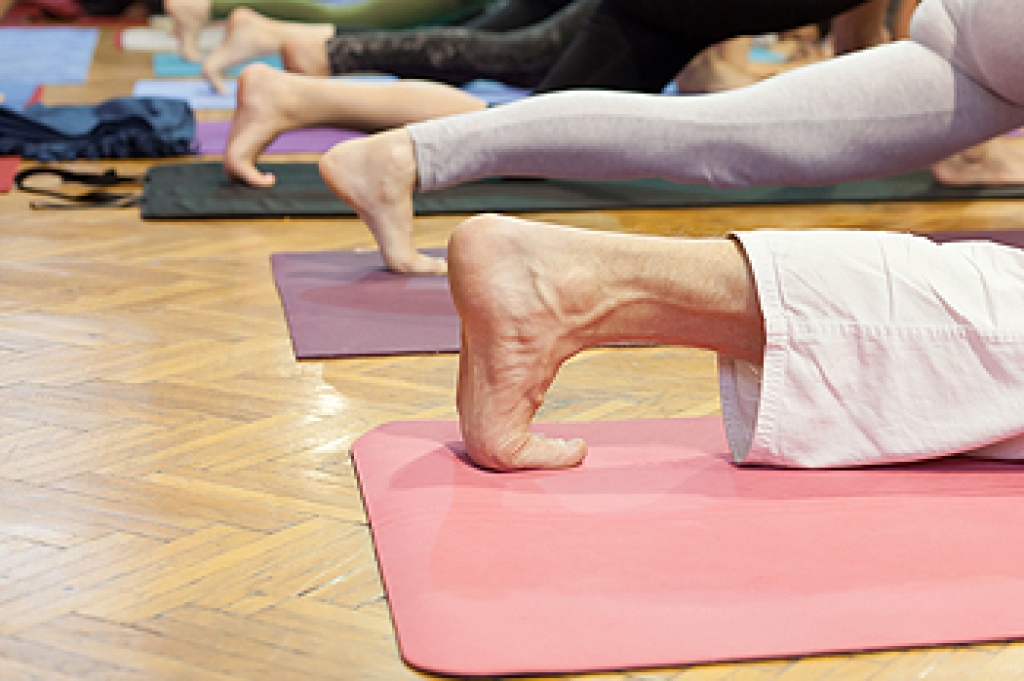 People who regularly stretch their feet and toes are more likely aware of the many benefits that may accompany these movements. These may include increased blood flow into the feet, the muscles in the sole of the feet being properly stretched, and possibly helping to balance flat feet or fallen arches. Many people may discover moderate relief from the tired sensation that is often felt in the ankles and feet, in addition to any swelling that may be present. Flexibility is generally improved as a result of improved strength. There are effective foot and toe stretches that can be performed, including pointing and flexing the toes in one direction multiple times, then repeating in the other direction. Please consult with a podiatrist if you would like additional information about the benefits of stretching the feet and toes.
Stretching the feet is a great way to prevent injuries. If you have any concerns with your feet consult with Dr. Kennedy Legel from Advanced Foot & Ankle Care Specialists. Our doctor will assess your condition and provide you with quality foot and ankle treatment.
Stretching the Feet
Stretching the muscles in the foot is an important part in any physical activity. Feet that are tight can lead to less flexibility and make you more prone to injury. One of the most common forms of foot pain, plantar fasciitis, can be stretched out to help ease the pain. Stretching can not only ease pain from plantar fasciitis but also prevent it as well. However, it is important to see a podiatrist first if stretching is right for you. Podiatrists can also recommend other ways to stretch your feet. Once you know whether stretching is right for you, here are some excellent stretches you can do.
It is best to go easy when first stretching your foot and work your way up. If your foot starts hurting, stop exercising and ice and rest the foot. It is advised to then see a podiatrist for help.
If you have any questions please contact our office located in Dallas, TX . We offer the newest diagnostic and treatment technologies for all your foot and ankle needs.
