
Custom orthotics, or shoe inserts, should be periodically replaced. Orthotics must fit properly to give you the best results. Protect your feet and ankles!
Custom orthotics, or shoe inserts, should be periodically replaced. Orthotics must fit properly to give you the best results. Protect your feet and ankles!
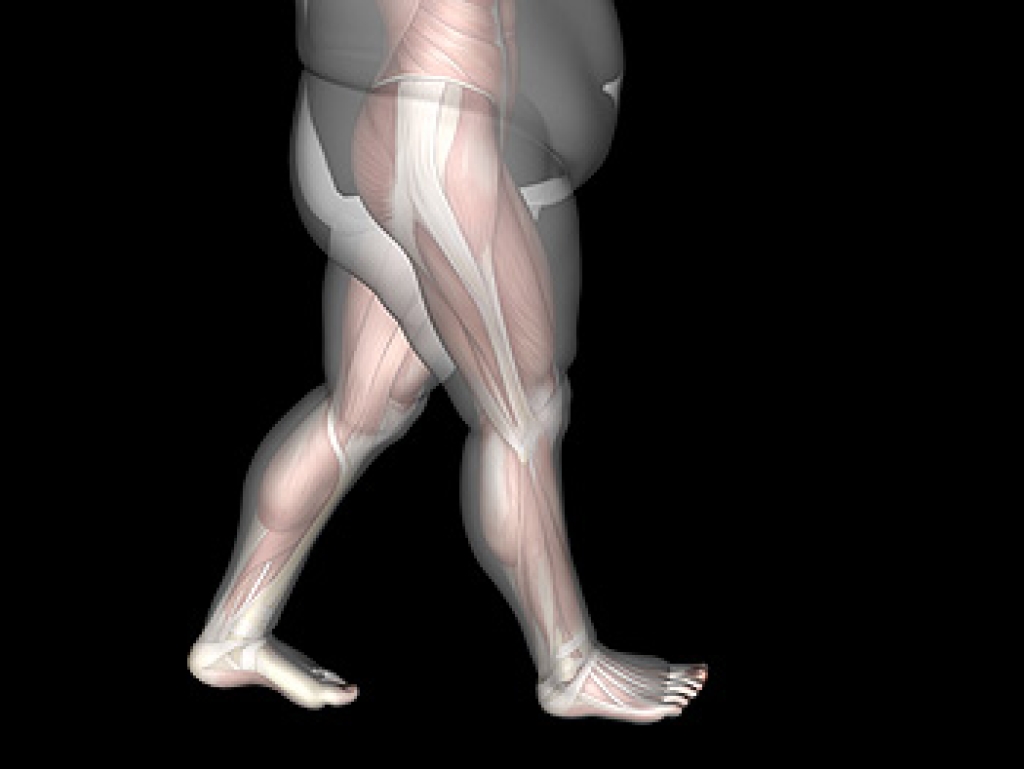 Research has found that having excess body weight may cause a variety of painful foot conditions. Carrying this additional weight may change your posture and this may cause the knees to move closer together while walking. As a result of this, the weight of the body may shift to the inside of the feet. This may negatively affect the arches and tendons in the ankles and feet. Diabetes is one of the greatest risk factors associated with being overweight. This condition can cause numbness in the feet by reducing blood flow. Injuries may develop without being noticed, and cuts or wounds may heal very slowly. If left untreated, infections may occur, which can possibly lead to amputation. It is important to speak to your podiatrist about any foot or ankle pain you experience from weight gain. Your podiatrist will help you determine, along with diet and a gentle exercise routine, your best treatment options.
Obesity has become very problematic at this point in time and can have extremely negative effects on the feet. If you’re an obese individual and are concerned about your feet, contact Dr. Kennedy Legel from Advanced Foot & Ankle Care Specialists. Our doctor can provide the care you need to keep you pain-free and on your feet.
Obesity and Your Feet
Since your feet are what support your entire weight when standing, any additional weight can result in pain and swelling. Being overweight is one of the main contributors to foot complications.
Problems & Complications
Extra Weight – Even putting on just a few extra pounds could create serious complications for your feet. As your weight increases, your balance and body will shift, creating new stresses on your feet. This uneven weight distribution can cause pain, even while doing the simplest tasks, such as walking.
Diabetes – People who are overweight are at serious risk of developing type-2 diabetes, which has a drastic impact on the health of your feet. As you get older, your diabetes might worsen, which could lead to loss of feeling in your feet, sores, and bruises. You could also become more prone to various infections.
Plantar fasciitis – Pressure and stress that is placed on muscles, joints, and tendons can trigger plantar fasciitis, which is an inflammation of tissue that forms along the bottom of the foot.
If you have any questions, please feel free to contact our office located in Dallas, TX . We offer the newest diagnostic and treatment technologies for all your foot care needs.

If one of the cuboid bones shifts out of place as a result of overuse or from an injury, it is typically referred to as cuboid syndrome. The pain that is associated with this condition is generally felt on the outside of the foot, and it may be noticed on top of the foot while standing. Additional symptoms may consist of swelling and redness, and the foot may be difficult to move. It can be common among people who participate in running and jumping activities, or from suddenly falling and twisting your ankle. Patients who have existing medical ailments that can include different types of arthritis or bone conditions notice their risk may be increased for developing cuboid syndrome. There are gentle stretches that can be performed which generally bring moderate relief. Additionally, research has indicated that elevating the affected foot may help to reduce swelling. If you feel you have this condition, it is suggested that you consult with a podiatrist who can properly treat cuboid syndrome.
Cuboid syndrome, also known as cuboid subluxation, occurs when the joints and ligaments near the cuboid bone in the foot become torn. If you have cuboid syndrome, consult with Dr. Kennedy Legel from Advanced Foot & Ankle Care Specialists. Our doctor will assess your condition and provide you with quality foot and ankle treatment.
Cuboid syndrome is a common cause of lateral foot pain, which is pain on the outside of the foot. The condition may happen suddenly due to an ankle sprain, or it may develop slowly overtime from repetitive tension through the bone and surrounding structures.
Causes
The most common causes of cuboid syndrome include:
Symptoms
A common symptom of cuboid syndrome is pain along the outside of the foot which can be felt in the ankle and toes. This pain may create walking difficulties and may cause those with the condition to walk with a limp.
Diagnosis
Diagnosis of cuboid syndrome is often difficult, and it is often misdiagnosed. X-rays, MRIs and CT scans often fail to properly show the cuboid subluxation. Although there isn’t a specific test used to diagnose cuboid syndrome, your podiatrist will usually check if pain is felt while pressing firmly on the cuboid bone of your foot.
Treatment
Just as the range of causes varies widely, so do treatments. Some more common treatments are ice therapy, rest, exercise, taping, and orthotics.
If you have any questions, please feel free to contact our office located in Dallas, TX . We offer the newest diagnostic and treatment technologies for all your foot care needs.
 The causes of stress fractures often include an injury to the bone that has occurred from overuse. Research has indicated the feet may endure approximately twelve times the weight of the body as each step is taken. The symptoms that are most often noticed are pain while walking or running, in addition to swelling and tenderness. Stress fractures are commonly caused by repetitive motion that may come from participating in running and jumping activities. If the injury is treated when the symptoms are first noticed, mild relief may be found when the affected foot is elevated, and the activity that caused the injury is ceased. For more severe stress fractures, it is advised that you seek the counsel of a podiatrist who can properly diagnosis and treat stress fractures.
Activities where too much pressure is put on the feet can cause stress fractures. To learn more, contact Dr. Kennedy Legel from Advanced Foot & Ankle Care Specialists. Our doctor can provide the care you need to keep your pain free and on your feet.
Dealing with Stress Fractures of the Foot and Ankle
Stress fractures occur in the foot and ankle when muscles in these areas weaken from too much or too little use. The feet and ankles then lose support when walking or running from the impact of the ground. Since there is no protection, the bones receive the full impact of each step. Stress on the feet can cause cracks to form in the bones, thus creating stress fractures.
What Are Stress Fractures?
Stress fractures occur frequently in individuals whose daily activities cause great impact on the feet and ankles. Stress factors are most common among:
Symptoms
Pain from the fractures occur in the area of the fractures and can be constant or intermittent. It will often cause sharp or dull pain with swelling and tenderness. Engaging in any kind of activity which involves high impact will aggravate pain.
If you have any questions please contact our office located in Dallas, TX . We offer the newest diagnostic and treatment technologies for all your foot and ankle needs.
 Many pregnant women often notice that their feet are swollen. Hormone changes can play a significant role in developing swollen feet, in addition to the weight that is gained. Swelling may increase as the due date approaches and may be especially uncomfortable in warmer weather. If the swelling is mild, there’s typically no reason to be concerned. Some pregnant women have found methods that can reduce swelling, such as lying on the left side while sleeping, and drinking plenty of fresh water. It may also help to elevate the feet frequently during the day. Stretching regularly may also be beneficial in reducing swollen ankles and feet. If you would like more information about how to manage swollen feet during pregnancy, speak to your local podiatrist.
Pregnant women with swollen feet can be treated with a variety of different methods that are readily available. For more information about other cures for swollen feet during pregnancy, consult with Dr. Kennedy Legel from Advanced Foot & Ankle Care Specialists. Our doctor will attend to all of your foot and ankle needs.
What Foot Problems Can Arise During Pregnancy?
One problem that can occur is overpronation, which occurs when the arch of the foot flattens and tends to roll inward. This can cause pain and discomfort in your heels while you’re walking or even just standing up, trying to support your baby.
Another problem is edema, or swelling in the extremities. This often affects the feet during pregnancy but tends to occur in the later stages.
How Can I Keep My Feet Healthy During Pregnancy?
If you have any questions, please feel free to contact our office located in Dallas, TX . We offer the newest diagnostic and treatment technologies for all your foot care needs.
