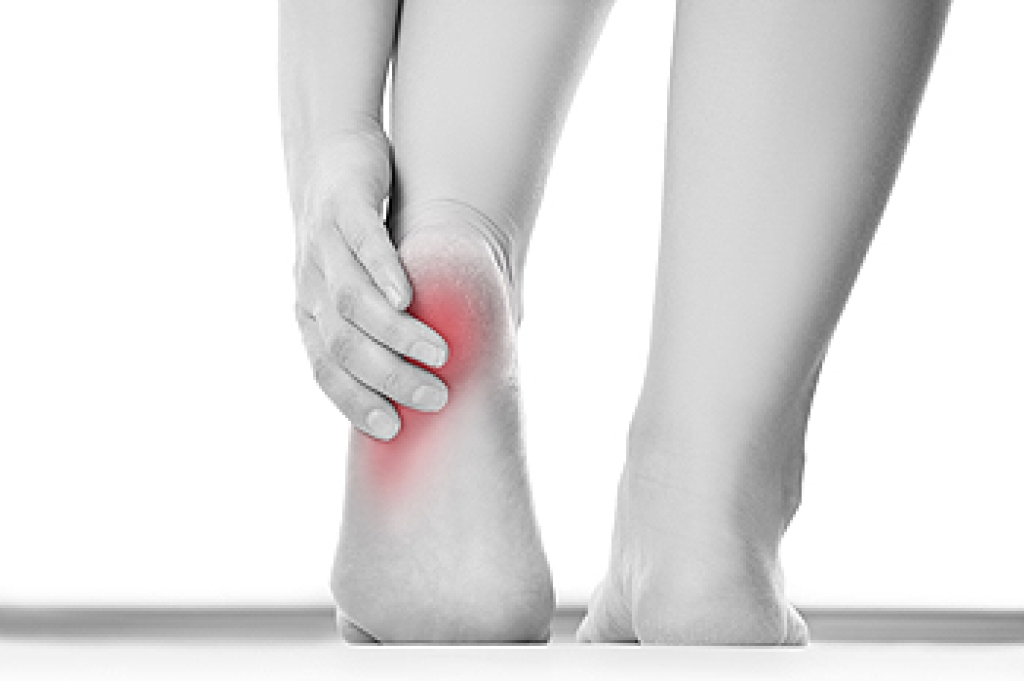
The Signs and Symptoms of Sever's Disease

Sever’s disease, also known as calcaneal apophysitis, is a bone condition in which the growth plate of the heel bone becomes inflamed. This condition is most common among children between the ages of 8 and 15, especially those who participate in sports that require a lot of running or jumping. The signs and symptoms of Sever’s disease include pain or tenderness in one or both heels, swelling and redness in the heel, difficulty walking, discomfort or stiffness in the heel upon waking up in the morning, discomfort when the heel is squeezed on both sides, and developing an unusual walk, such as a limp or walking on tiptoes, to avoid putting pressure on the affected heel. If your child complains of heel pain, it is recommended that you take them to a podiatrist. 

Sever's disease often occurs in children and teens. If your child is experiencing foot or ankle pain, see Dr. Kennedy Legel from Advanced Foot & Ankle Care Specialists. Our doctor can treat your child’s foot and ankle needs.

Sever’s Disease

Sever’s disease is also known as calcaneal apophysitis, which is a medical condition that causes heel pain I none or both feet. The disease is known to affect children between the ages of 8 and 14.

Sever’s disease occurs when part of the child’s heel known as the growth plate (calcaneal epiphysis) is attached to the Achilles tendon. This area can suffer injury when the muscles and tendons of the growing foot do not keep pace with bone growth. Therefore, the constant pain which one experiences at the back of the heel will make the child unable to put any weight on the heel. The child is then forced to walk on their toes.

Symptoms

Acute pain – Pain associated with Sever’s disease is usually felt in the heel when the child engages in physical activity such as walking, jumping and or running.

Highly active – Children who are very active are among the most susceptible in experiencing Sever’s disease, because of the stress and tension placed on their feet.

If you have any questions, please feel free to contact our office located in Dallas, TX . We offer the newest diagnostic and treatment technologies for all your foot care needs.
Read more about Sever's Disease

Why Live with Pain and Numbness in Your Feet?

Suffering from this type of pain? You may have the foot condition known as Morton's neuroma. Morton's neuroma may develop as a result of ill-fitting footwear and existing foot deformities. We can help.

What Condition Can a Heel Spur Be Linked To?

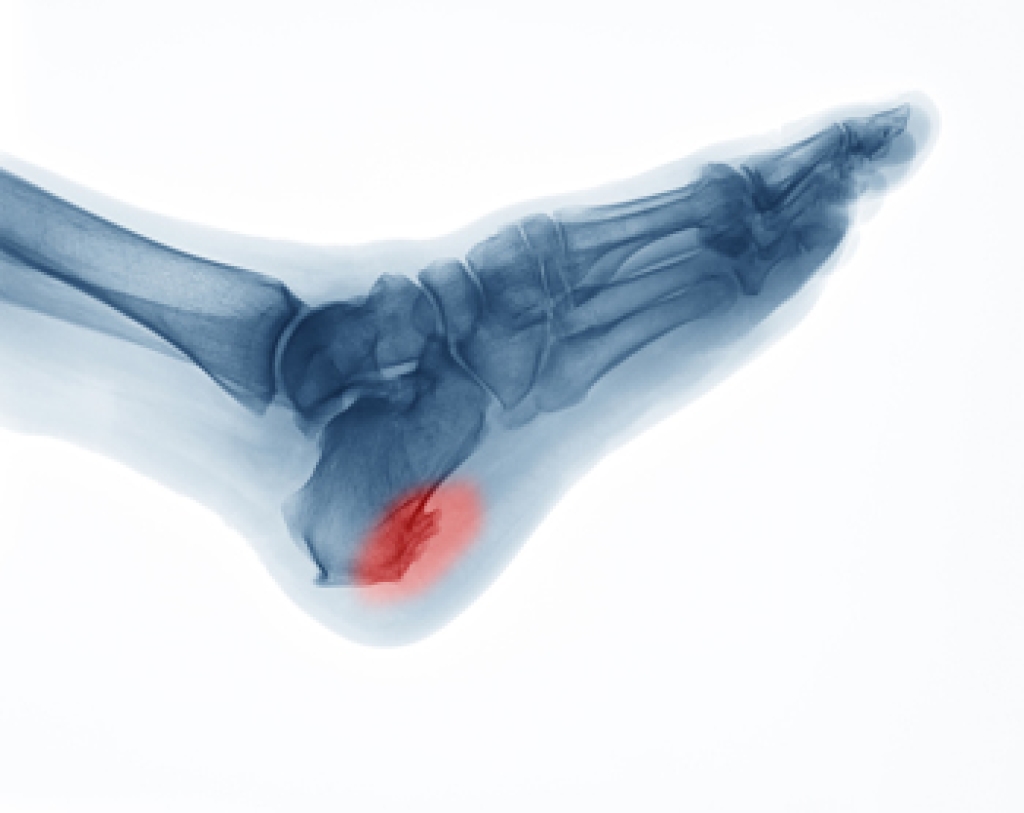
A heel spur is defined as a portion of bone that develops where the plantar fascia connects to the heel bone. It is often linked to the medical condition that is known as plantar fasciitis, which can cause severe pain and discomfort. Mild relief may be found when extra weight is lost and this may ease the pressure on the heel. There are some patients that find it helpful to use shoe inserts, or to wear a night splint. This may alleviate some of the pain that a heel spur can cause. The healing process may be accelerated when the affected foot is rested, and when regular running activities have temporarily stopped. If you have pain in your heel, it is strongly recommended that you consult with a podiatrist who can diagnose and treat this condition.

Heel spurs can be incredibly painful and sometimes may make you unable to participate in physical activities. To get medical care for your heel spurs, contact Dr. Kennedy Legel from Advanced Foot & Ankle Care Specialists. Our doctor will do everything possible to treat your condition.

Heels Spurs

Heel spurs are formed by calcium deposits on the back of the foot where the heel is. This can also be caused by small fragments of bone breaking off one section of the foot, attaching onto the back of the foot. Heel spurs can also be bone growth on the back of the foot and may grow in the direction of the arch of the foot.

Older individuals usually suffer from heel spurs and pain sometimes intensifies with age. One of the main condition's spurs are related to is plantar fasciitis.

Pain

The pain associated with spurs is often because of weight placed on the feet. When someone is walking, their entire weight is concentrated on the feet. Bone spurs then have the tendency to affect other bones and tissues around the foot. As the pain continues, the feet will become tender and sensitive over time.

Treatments

There are many ways to treat heel spurs. If one is suffering from heel spurs in conjunction with pain, there are several methods for healing. Medication, surgery, and herbal care are some options.

If you have any questions, please feel free to contact our office located in Dallas, TX . We offer the newest diagnostic and treatment technologies for all your foot care needs.
Read more about How to Treat Heel Spurs

Who Is at Risk for Peripheral Artery Disease?

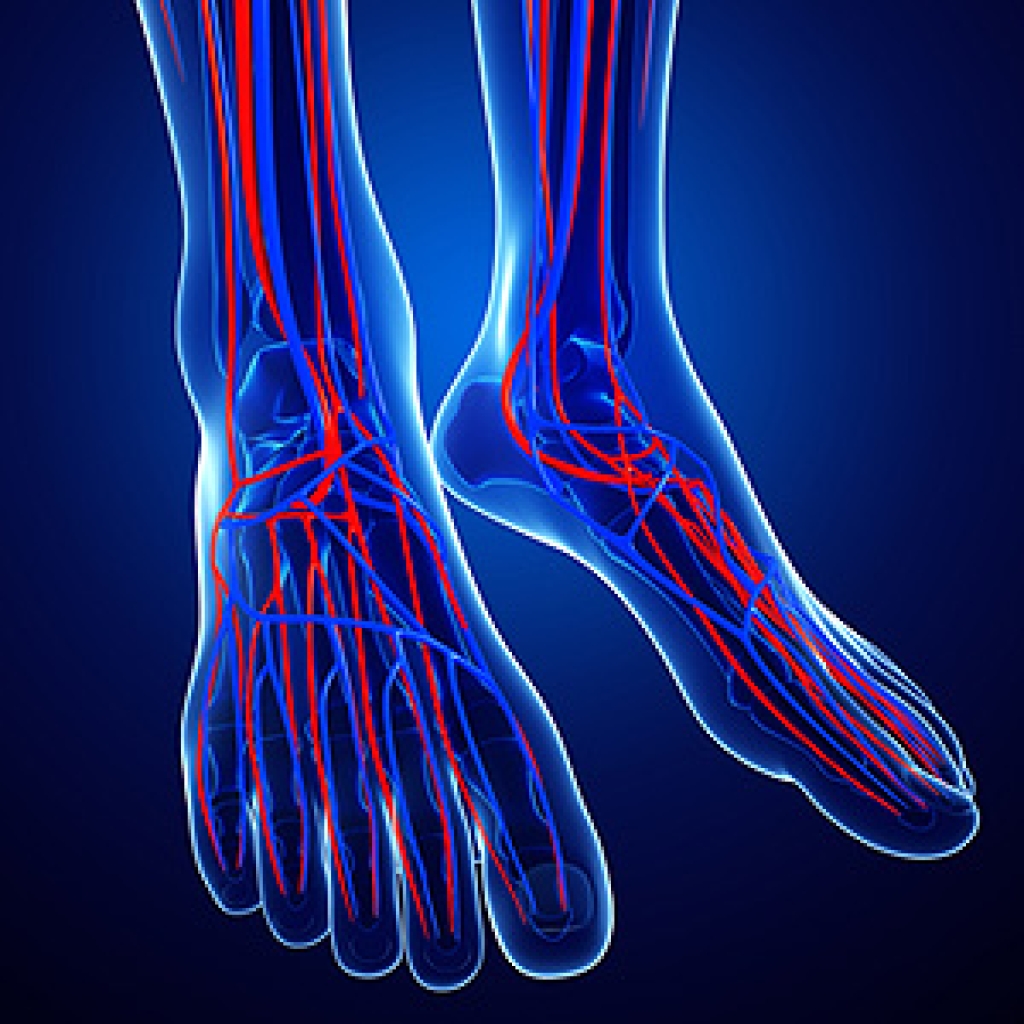
Peripheral artery disease (PAD) is a condition that causes poor blood flow to the lower limbs. This is due to plaque buildup, which makes the arteries that supply blood to the area harden and narrow. While anyone can develop PAD, some people are more at risk than others. PAD is slightly more common in men than women. Preexisting conditions such as diabetes, high blood pressure, and high cholesterol can increase your risk, as can lifestyle factors, like being overweight or smoking. Genetics also plays a role, as people with a family history of PAD are more likely to develop the condition themselves. PAD is the leading cause of disability among people aged 60 and older. As you age, it is important to regularly visit a podiatrist, who can screen you for this condition and offer prevention and treatment options.

Peripheral artery disease can pose a serious risk to your health. It can increase the risk of stroke and heart attack. If you have symptoms of peripheral artery disease, consult with Dr. Kennedy Legel from Advanced Foot & Ankle Care Specialists. Our doctor will assess your condition and provide you with quality foot and ankle treatment.

Peripheral artery disease (PAD) is when arteries are constricted due to plaque (fatty deposits) build-up. This results in less blood flow to the legs and other extremities. The main cause of PAD is atherosclerosis, in which plaque builds up in the arteries.

Symptoms

Symptoms of PAD include:

  • Claudication (leg pain from walking)
  • Numbness in legs
  • Decrease in growth of leg hair and toenails
  • Paleness of the skin
  • Erectile dysfunction
  • Sores and wounds on legs and feet that won’t heal
  • Coldness in one leg

It is important to note that a majority of individuals never show any symptoms of PAD.

Diagnosis

While PAD occurs in the legs and arteries, Podiatrists can diagnose PAD. Podiatrists utilize a test called an ankle-brachial index (ABI). An ABI test compares blood pressure in your arm to you ankle to see if any abnormality occurs. Ultrasound and imaging devices may also be used.

Treatment

Fortunately, lifestyle changes such as maintaining a healthy diet, exercising, managing cholesterol and blood sugar levels, and quitting smoking, can all treat PAD. Medications that prevent clots from occurring can be prescribed. Finally, in some cases, surgery may be recommended.

If you have any questions, please feel free to contact our office located in Dallas, TX . We offer the newest diagnostic and treatment technologies for all your foot care needs.
Read more about Peripheral Artery Disease

What Is Cuboid Syndrome?

The cuboid bone is a cube-shaped bone located on the outer side of the foot. When this bone is displaced due to overuse or an ankle sprain, a condition called cuboid syndrome develops. This is a very common injury in athletes and ballet dancers and represents 4% of all foot injuries. Cuboid syndrome typically causes pain in the outer side of the foot and other symptoms can include difficulty walking, running, and jumping. The most effective treatment for this condition is to restore the cuboid bone to its correct position via cuboid manipulation. Taping the cuboid bone or doing simple foot exercises may also help with the pain. If you suspect that you have cuboid syndrome, it is recommended that you seek the care of a podiatrist who can properly diagnose this condition and offer treatment techniques that are best for you.

Cuboid syndrome, also known as cuboid subluxation, occurs when the joints and ligaments near the cuboid bone in the foot become torn. If you have cuboid syndrome, consult with Dr. Kennedy Legel from Advanced Foot & Ankle Care Specialists. Our doctor will assess your condition and provide you with quality foot and ankle treatment.

Cuboid syndrome is a common cause of lateral foot pain, which is pain on the outside of the foot. The condition may happen suddenly due to an ankle sprain, or it may develop slowly overtime from repetitive tension through the bone and surrounding structures.

Causes

The most common causes of cuboid syndrome include:

  • Injury – The most common cause of this ailment is an ankle sprain.
  • Repetitive Strain – Tension placed through the peroneus longus muscle from repetitive activities such as jumping and running may cause excessive traction on the bone causing it to sublux.
  • Altered Foot Biomechanics – Most people suffering from cuboid subluxation have flat feet.

Symptoms

A common symptom of cuboid syndrome is pain along the outside of the foot which can be felt in the ankle and toes. This pain may create walking difficulties and may cause those with the condition to walk with a limp.

Diagnosis

Diagnosis of cuboid syndrome is often difficult, and it is often misdiagnosed. X-rays, MRIs and CT scans often fail to properly show the cuboid subluxation. Although there isn’t a specific test used to diagnose cuboid syndrome, your podiatrist will usually check if pain is felt while pressing firmly on the cuboid bone of your foot.

Treatment

Just as the range of causes varies widely, so do treatments. Some more common treatments are ice therapy, rest, exercise, taping, and orthotics.

If you have any questions, please feel free to contact our office located in Dallas, TX . We offer the newest diagnostic and treatment technologies for all your foot care needs.

Read more about Cuboid Syndrome
scroll to top