
The Educational Path of a Podiatrist

Podiatrists can diagnose and treat a variety of conditions affecting the feet, ankles, and associated areas of the lower legs. Many podiatrists have a variety of specialties including, but not limited to, the treatment of diabetic foot conditions and wounds, sports medicine, pediatrics, ankle injuries, and bunion or hammertoe correction. To become a podiatrist, normally education starts with an undergraduate degree in biology, chemistry or physics, typically. To enter medical school, students must pass the Medical College Admission Test (MCAT). After four years of medical school, they will graduate with a DPM (Doctorate of Podiatric Medicine) from an accredited college. Podiatrists must then complete a minimum of three years in a podiatric medicine and surgery residency (PMSR) program. These residencies are in hospitals or medical centers which provide the podiatrist with hands-on experience in medical and surgical treatments and procedures. Podiatrists can also embark on additional training in specific fellowship areas.

If you are experiencing pain in the feet or ankles, don’t join the stubborn majority refusing treatment. Feel free to contact Dr. Kennedy Legel from Advanced Foot & Ankle Care Specialists. Our doctor can provide the care you need to keep you pain-free and on your feet.

What Is a Podiatrist?

Someone would seek the care of a podiatrist if they have suffered a foot injury or have common foot ailments such as heal spurs, bunions, arch problems, deformities, ingrown toenails, corns, foot and ankle problems, etc.

Podiatric Treatment

A podiatrist will treat the problematic areas of the feet, ankle or lower leg by prescribing the following:

  • Physical therapy
  • Drugs
  • Orthotic inserts or soles
  • Surgery on lower extremity fractures

A common podiatric procedure a podiatrist will use is a scanner or force plate which will allow the podiatrist to know the designs of orthotics. Patients are then told to follow a series of tasks to complete the treatment. The computer will scan the foot a see which areas show weight distribution and pressure points. The podiatrist will read the analysis and then determine which treatment plans are available.

If you have any questions, please feel free to contact our office located in Dallas, TX . We offer the newest diagnostic and treatment technologies for all your foot care needs.

Read more about What is a Podiatrist?

When Heel Spurs Become Painful

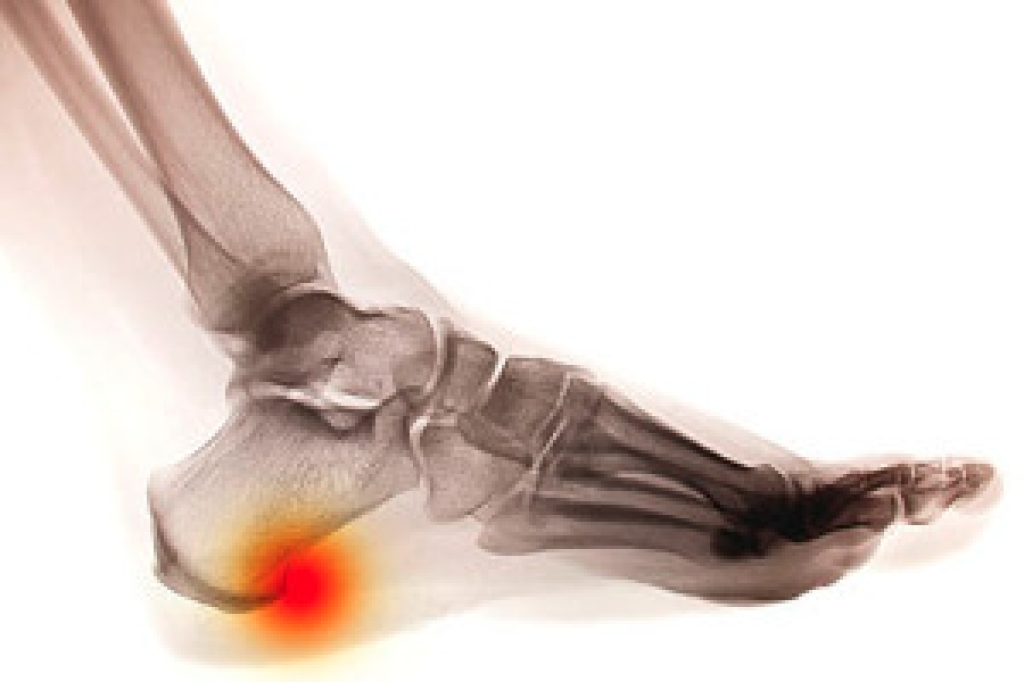
When the heel bone is under repeated stress, calcium deposits can form on the inside of it. These deposits, known as heel spurs, point towards the arch and can measure up to half an inch. Heel spurs can be associated with plantar fasciitis, and they are sometimes masked by the discomfort of that condition. Some heel spurs may not produce any symptoms, while others can be quite painful. You can try to get relief from a heel spur by using cold compresses or over-the-counter anti-inflammatories to reduce inflammation. Certain foot and calf stretches may also help to relieve pain as well. Patients who are struggling with heel pain that may be a heel spur should consult with a podiatrist.  A podiatrist can diagnose the source of the pain and offer more advanced forms of treatment.

Heel spurs can be incredibly painful and sometimes may make you unable to participate in physical activities. To get medical care for your heel spurs, contact Dr. Kennedy Legel from Advanced Foot & Ankle Care Specialists. Our doctor will do everything possible to treat your condition.

Heels Spurs

Heel spurs are formed by calcium deposits on the back of the foot where the heel is. This can also be caused by small fragments of bone breaking off one section of the foot, attaching onto the back of the foot. Heel spurs can also be bone growth on the back of the foot and may grow in the direction of the arch of the foot.

Older individuals usually suffer from heel spurs and pain sometimes intensifies with age. One of the main condition's spurs are related to is plantar fasciitis.

Pain

The pain associated with spurs is often because of weight placed on the feet. When someone is walking, their entire weight is concentrated on the feet. Bone spurs then have the tendency to affect other bones and tissues around the foot. As the pain continues, the feet will become tender and sensitive over time.

Treatments

There are many ways to treat heel spurs. If one is suffering from heel spurs in conjunction with pain, there are several methods for healing. Medication, surgery, and herbal care are some options.

If you have any questions, please feel free to contact our office located in Dallas, TX . We offer the newest diagnostic and treatment technologies for all your foot care needs.

Read more about Heel Spurs

Why Live with Pain and Numbness in Your Feet?

Suffering from this type of pain? You may have the foot condition known as Morton's neuroma. Morton's neuroma may develop as a result of ill-fitting footwear and existing foot deformities. We can help.

Foot Joint Deformities in Rheumatoid Arthritis

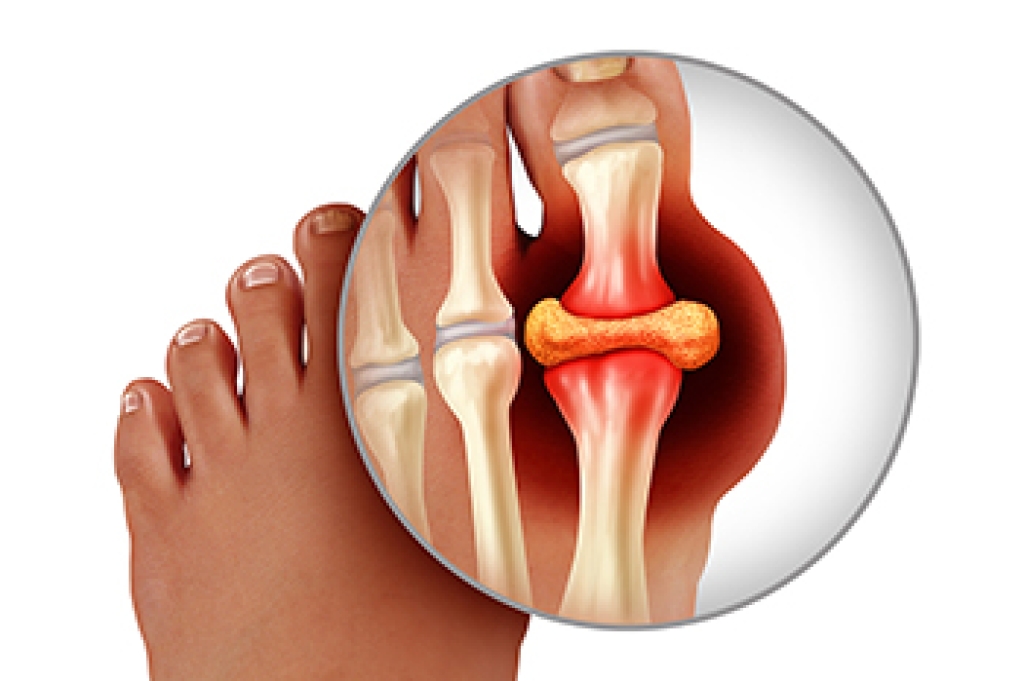
Joint deformities are sometimes a complication of rheumatoid arthritis (RA). Fortunately, joint deformities are becoming less common thanks to early detection and treatment. Nevertheless, it is helpful to be aware of joint deformity caused by RA and what can be done to treat it. The most common types of joint deformities in the feet of people with RA are claw, mallet, and hammertoes. People with these deformities have toes that are stuck in a bent position at one of the toe joints. These conditions can be treated through the use of orthotic devices, such as insoles or splints, or with surgery. If you have RA, it is suggested that you are under the care of a podiatrist who can help you maintain your foot health. 

Because RA affects more than just your joints, including the joints in your feet and ankles, it is important to seek early diagnosis from your podiatrist if you feel like the pain in your feet might be caused by RA. For more information, contact Dr. Kennedy Legel of Advanced Foot & Ankle Care Specialists. Our doctor will assist you with all of your podiatric concerns.

What Is Rheumatoid Arthritis?

Rheumatoid Arthritis (RA) is an autoimmune disorder in which the body’s own immune system attacks the membranes surrounding the joints. Inflammation of the lining and eventually the destruction of the joint’s cartilage and bone occur, causing severe pain and immobility.

Rheumatoid Arthritis of the Feet

Although RA usually attacks multiple bones and joints throughout the entire body, almost 90 percent of cases result in pain in the foot or ankle area.

Symptoms

  • Swelling and pain in the feet
  • Stiffness in the feet
  • Pain on the ball or sole of feet
  • Joint shift and deformation

Diagnosis

Quick diagnosis of RA in the feet is important so that the podiatrist can treat the area effectively. Your doctor will ask you about your medical history, occupation, and lifestyle to determine the origin of the condition. Rheumatoid Factor tests help to determine if someone is affected by the disease.

If you have any questions, please feel free to contact our office located in Dallas, TX . We offer the newest diagnostic and treatment technologies for all your foot care needs.
Read more about Rheumatoid Arthritis in the Feet

Strategies to Help Prevent Gout

Gout is a type of arthritis caused by buildup of uric acid in the bloodstream. This chemical can build up and crystallize in the joints, particularly the big toe joint, causing sudden and severe joint pain, swelling, stiffness, and inflammation. If you have had a previous gout flareup, or have a family history of gout, learning and utilizing certain prevention strategies can help you avoid future painful flare ups. Consuming a diet low in purines, a chemical found in red meat, shellfish, and other types of food, which is converted to uric acid in the body, can also lower your risk of gout. Staying hydrated by drinking plenty of water can reduce uric acid crystal formation in the kidneys. Losing excess weight, exercising regularly, and avoiding excessive consumption of alcohol and sugary beverages may also help. Certain medications may be prescribed by your doctor to lower uric acid levels in the body. To learn more about preventing and managing gout, please consult with a podiatrist. 

Gout is a painful condition that can be treated. If you are seeking treatment, contact Dr. Kennedy Legel from Advanced Foot & Ankle Care Specialists. Our doctor will treat your foot and ankle needs.

What Is Gout?

Gout is a form of arthritis that is characterized by sudden, severe attacks of pain, redness, and tenderness in the joints. The condition usually affects the joint at the base of the big toe. A gout attack can occur at any random time, such as the middle of the night while you are asleep.

Symptoms

  • Intense Joint Pain - Usually around the large joint of your big toe, and it most severe within the first four to twelve hours
  • Lingering Discomfort - Joint discomfort may last from a few days to a few weeks
  • Inflammation and Redness -Affected joints may become swollen, tender, warm and red
  • Limited Range of Motion - May experience a decrease in joint mobility

Risk Factors

  • Genetics - If family members have gout, you’re more likely to have it
  • Medications - Diuretic medications can raise uric acid levels
  • Gender/Age - Gout is more common in men until the age of 60. It is believed that estrogen protects women until that point
  • Diet - Eating red meat and shellfish increases your risk
  • Alcohol - Having more than two alcoholic drinks per day increases your risk
  • Obesity - Obese people are at a higher risk for gout

Prior to visiting your podiatrist to receive treatment for gout, there are a few things you should do beforehand. If you have gout you should write down your symptoms--including when they started and how often you experience them, important medical information you may have, and any questions you may have. Writing down these three things will help your podiatrist in assessing your specific situation so that he or she may provide the best route of treatment for you.

If you have any questions, please feel free to contact our office located in Dallas, TX . We offer the newest diagnostic and treatment technologies for all your foot care needs.

Read more about Everything You Need to Know About Gout
scroll to top