When a Stubbed Toe Is Serious

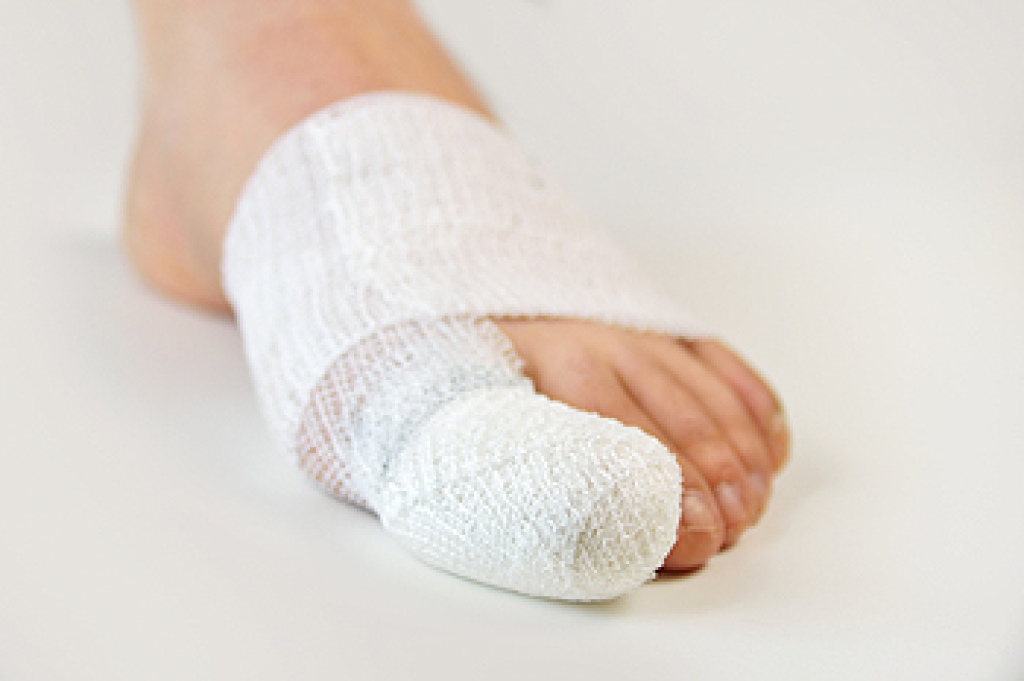
A stubbed toe is usually a minor injury that occurs when one suddenly hits or jams their toe. It can happen from kicking something hard, tripping, or catching the toe on an object. Pain that is felt after stubbing one’s toe typically subsides after a few minutes but in some cases, the pain can worsen as time goes on. The toes have lots of nerves and little to no fat cushioning, which can make this injury quite painful. Stubbing one’s toe can cause fractures, sprains, broken nails, and infections, and if one of these things happens, it can be more serious. There is a possibility the toe is broken if it is excessively painful to put weight on it after the injury. Similarly, if the toe and foot swell or appear discolored, if a bone is out of place or poking through the skin, or if one has trouble moving the toe, it may be broken. If you feel you have sustained more than a minor injury to your toe, it is suggested that you visit a podiatrist for proper diagnosis and treatment.

Toe pain can disrupt your daily activities. If you have any concerns, contact Dr. Kennedy Legel of Advanced Foot & Ankle Care Specialists. Our doctor can provide the care you need to keep you pain-free and on your feet.

What Causes Toe Pain?

Most severe toe pain is caused due to a sports injury, trauma from dropping something heavy on the toe, or bumping into something rigid. Other problems can develop over time for various reasons.

Toe pain can be caused by one or more ailments. The most common include:

  • Trauma
  • Sports injury
  • Wearing shoes that are too tight
  • Arthritis
  • Gout
  • Corns and calluses
  • Hammertoe
  • Bunions
  • Blisters
  • Ingrown toenails
  • Sprains
  • Fractures (broken bones)
  • Dislocations

When to See a Podiatrist

  • Severe pain
  • Persistent pain that lasts more than a week
  • Signs of infection
  • Continued swelling
  • Pain that prevents walking

Diagnosis

In many cases the cause of toe pain is obvious, but in others, a podiatrist may want to use more advanced methods to determine the problem. These can range from simple visual inspections and sensation tests to X-rays and MRI scans. Prior medical history, family medical history, and any recent physical traumatic events will all be taken into consideration for a proper diagnosis.

Treatment

Treatments for toe pain and injuries vary and may include shoe inserts, padding, taping, medicines, injections, and in some cases, surgery. If you believe that you have broken a toe, please see a podiatrist as soon as possible.

If you have any questions please contact our office located in Dallas, TX . We offer the newest diagnostic and treatment technologies for all your foot and ankle needs.
Read more about Toe Pain

Diabetic Foot Ulcers

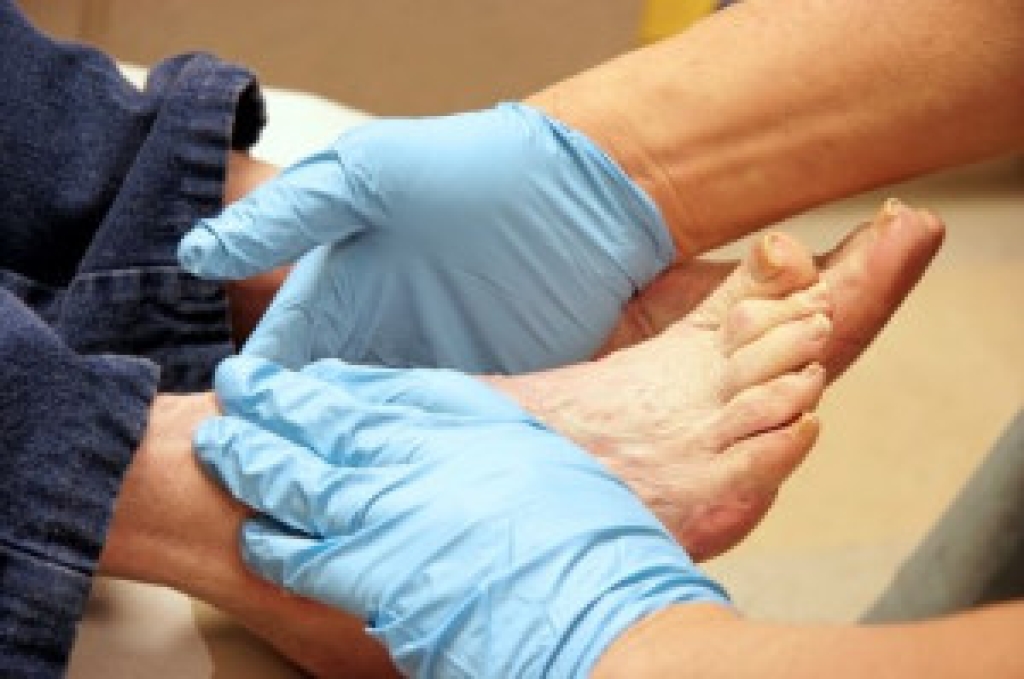
Diabetes is a chronic condition and it negatively impacts the process by which an individual can use food for energy. Diabetics should be aware of their susceptibility to suffering from several foot conditions, including the development of foot ulcers. A foot ulcer is essentially a foot sore, and many diabetics who lose feeling in their feet may not even feel pain from the ulcer. One contributing cause of foot ulcers is putting too much pressure on a specific area of the foot. A medical professional may treat an ulcer in different ways. For example, debridement may be performed whereby dead skin and tissue are removed from the affected area. A medical professional may also instruct a diabetic with a foot ulcer to care for the wound by reducing pressure on the feet and maintaining good blood sugar levels. If you suffer from diabetes, contact a podiatrist today for more information and the treatment of your feet.

Diabetic foot care is important in preventing foot ailments such as ulcers. If you are suffering from diabetes or have any other concerns about your feet, contact Dr. Kennedy Legel from Advanced Foot & Ankle Care Specialists. Our doctor can provide the care you need to keep you pain-free and on your feet.

Diabetic Foot Care

Diabetes affects millions of people every year. The condition can damage blood vessels in many parts of the body, especially the feet. Because of this, taking care of your feet is essential if you have diabetes, and having a podiatrist help monitor your foot health is highly recommended.

The Importance of Caring for Your Feet

  • Routinely inspect your feet for bruises or sores.
  • Wear socks that fit your feet comfortably.
  • Wear comfortable shoes that provide adequate support.

Patients with diabetes should have their doctor monitor their blood levels, as blood sugar levels play such a huge role in diabetic care. Monitoring these levels on a regular basis is highly advised.

It is always best to inform your healthcare professional of any concerns you may have regarding your feet, especially for diabetic patients. Early treatment and routine foot examinations are keys to maintaining proper health, especially because severe complications can arise if proper treatment is not applied.

If you have any questions, please feel free to contact our office located in Dallas, TX . We offer the newest diagnostic and treatment technologies for all your foot care needs.

Read more about Diabetic Foot Conditions

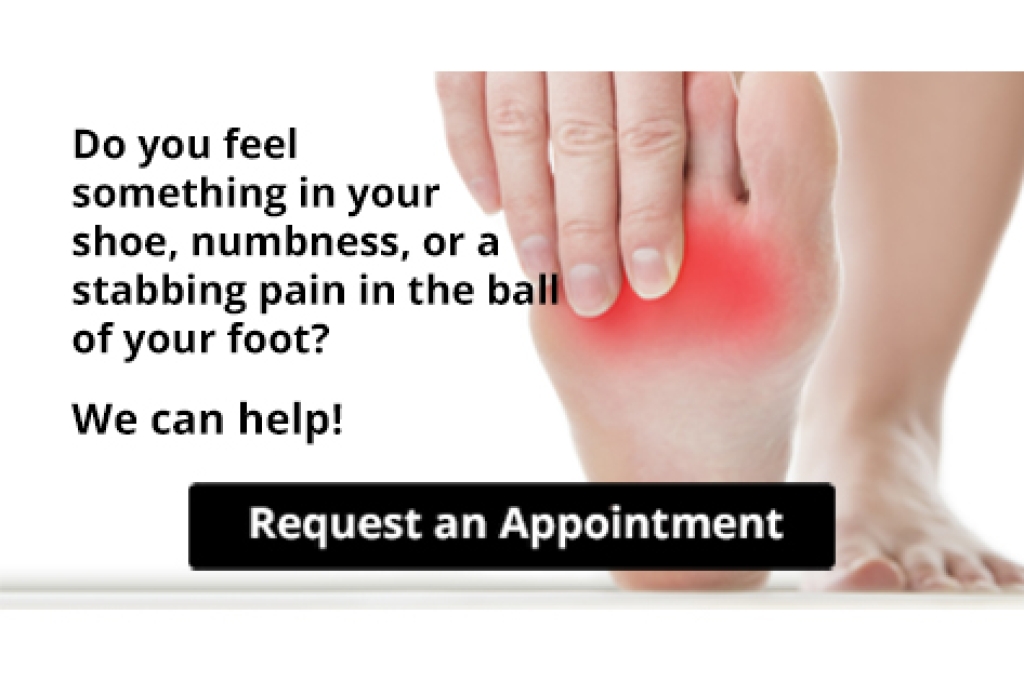
Why Live with Pain and Numbness in Your Feet?

Suffering from this type of pain? You may have the foot condition known as Morton's neuroma. Morton's neuroma may develop as a result of ill-fitting footwear and existing foot deformities. We can help.

Trimming a Child’s Toenails

If you are a parent, then you surely know that trimming your child’s toenails is a critical component of maintaining their overall foot health. However, when the child resists or protests getting their toenails trimmed, the process can be quite difficult. Parents might consider trying to trim their child’s toenails in the bath because this is when their nails are most soft. Additionally, you might even try letting the child see you trim your own nails. Sometimes, children feel uncomfortable when parents trim their toenails because it may seem like a scary procedure to them. However, by letting the child see the parent trim their own nails, the parent might be able to show the child that it is not a scary procedure after all. If you have a child and want to learn more about ways to protect their feet, contact a podiatrist today.

Making sure that your children maintain good foot health is very important as they grow. If you have any questions, contact Dr. Kennedy Legel of Advanced Foot & Ankle Care Specialists. Our doctor can provide the care you need to keep you pain-free and on your feet.

Keeping Children's Feet Healthy

Having healthy feet during childhood can help prevent medical problems later in life, namely in the back and legs. As children grow, their feet require different types of care. Here are some things to consider...

Although babies do not walk yet, it is still very important to take care of their feet.

Avoid putting tight shoes or socks on his or her feet.

Allow the baby to stretch and kick his or her feet to feel comfortable.

As a toddler, kids are now on the move and begin to develop differently. At this age, toddlers are getting a feel for walking, so don’t be alarmed if your toddler is unsteady or ‘walks funny’. 

As your child gets older, it is important to teach them how to take care of their feet.

Show them proper hygiene to prevent infections such as fungus.

Be watchful for any pain or injury.

Have all injuries checked by a doctor as soon as possible.

Comfortable, protective shoes should always be worn, especially at play.

If you have any questions, please feel free to contact our office located in Dallas, TX . We offer the newest diagnostic and treatment technologies for all your foot care needs.

Read more about What to Do to Keep Your Child’s Feet Healthy

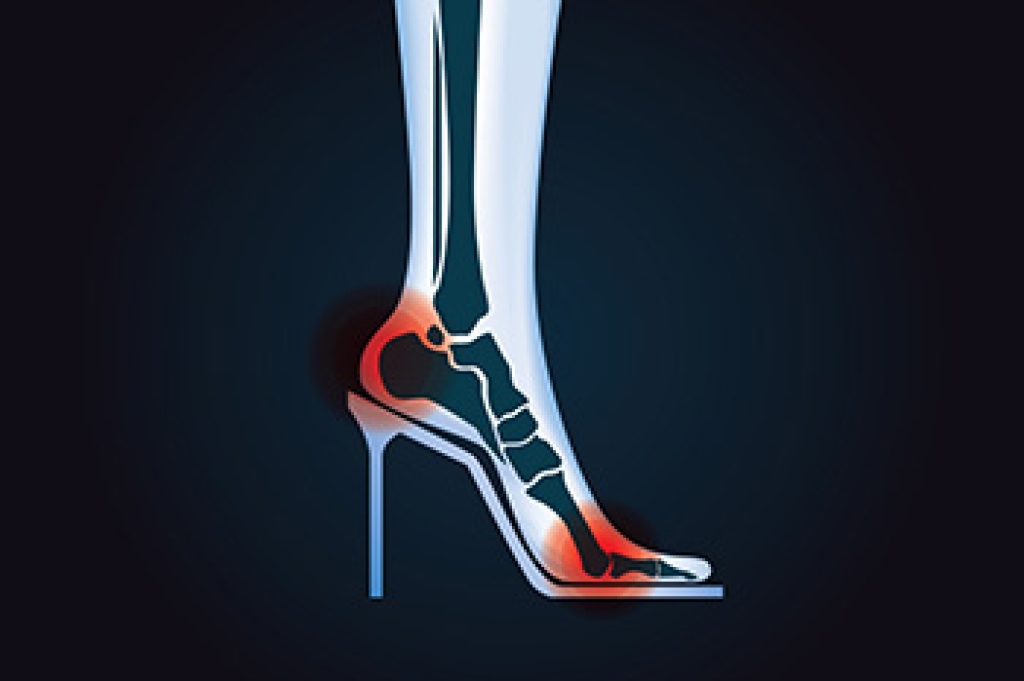
High Heels Can Affect the Feet and Ankles

Research has shown that the shoes women wear, specifically high heels and sandals, are major contributors to heel and ankle pain. The best way to avoid a future of painful feet is to avoid these types of shoes early in life. Opting instead for sneakers or athletic footwear that provide the proper cushioning and support for the feet, heels and ankles is recommended. With every step you take, a significant amount of force is transmitted to the ankles, heels, and feet. Without the proper support or protection, these areas are put at risk for injury. Improper footwear can also contribute to toe problems, including bunions, calluses, corns, and hammertoes. Choosing comfort over style is suggested as a way to avoid painful problems later in life. Other recommendations are to wear shoes that conform to the shape of your foot, avoid shoes with pointed or tapered toes, and buy shoes that fit well – regardless of the size on the box. For more information on the risks of wearing high heels, or for help with any painful foot and ankle conditions you may have, please visit a podiatrist. 

High heels have a history of causing foot and ankle problems. If you have any concerns about your feet or ankles, contact Dr. Kennedy Legel from Advanced Foot & Ankle Care Specialists. Our doctor can provide the care you need to keep you pain-free and on your feet.

Effects of High Heels on the Feet

High heels are popular shoes among women because of their many styles and societal appeal.  Despite this, high heels can still cause many health problems if worn too frequently.

Which Parts of My Body Will Be Affected by High Heels?

  • Ankle Joints
  • Achilles Tendon – May shorten and stiffen with prolonged wear
  • Balls of the Feet
  • Knees – Heels cause the knees to bend constantly, creating stress on them
  • Back – They decrease the spine’s ability to absorb shock, which may lead to back pain.  The vertebrae of the lower back may compress.

What Kinds of Foot Problems Can Develop from Wearing High Heels?

  • Corns
  • Calluses
  • Hammertoe
  • Bunions
  • Morton’s Neuroma
  • Plantar Fasciitis

How Can I Still Wear High Heels and Maintain Foot Health?

If you want to wear high heeled shoes, make sure that you are not wearing them every day, as this will help prevent long term physical problems.  Try wearing thicker heels as opposed to stilettos to distribute weight more evenly across the feet.  Always make sure you are wearing the proper shoes for the right occasion, such as sneakers for exercising.  If you walk to work, try carrying your heels with you and changing into them once you arrive at work.  Adding inserts to your heels can help cushion your feet and absorb shock. Full foot inserts or metatarsal pads are available. 

If you have any questions, please feel free to contact our office located in Dallas, TX . We offer the newest diagnostic and treatment technologies for all your foot care needs.

Read more about Why High Heels Are Not Ideal for Healthy Feet
scroll to top