Pickleball Foot and Common Foot Injuries

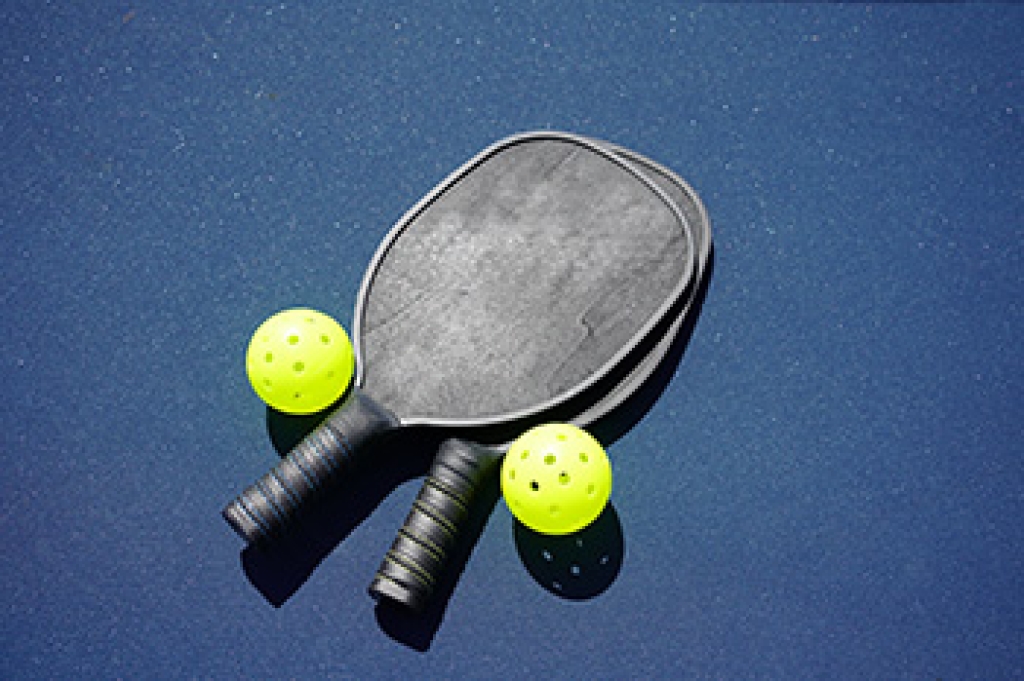
Pickleball, a fast-growing racquet sport, is loved for its accessibility and friendly competition. However, the rapid lateral movements and frequent stops and starts can take a toll on your feet, leading to a variety of injuries. Ankle sprains are perhaps the most common, often resulting from quick direction changes or missteps. Plantar fasciitis, characterized by heel pain, can arise due to the constant motion and stress on the arches. Overuse injuries, such as tendinitis, are also prevalent, typically affecting the Achilles tendon or the tendons in the foot. Wearing improper footwear, especially shoes without adequate arch support or cushioning, can exacerbate these problems. To enjoy pickleball safely, it is vital to prioritize injury prevention, which can range from Investing in quality court shoes and practicing proper warm-ups. If you are interested in pursuing pickleball, prior to playing, it is suggested that you speak with a podiatrist, who can advise you on additional injury prevention strategies.

Sports related foot and ankle injuries require proper treatment before players can go back to their regular routines. For more information, contact Dr. Kennedy Legel of Advanced Foot & Ankle Care Specialists. Our doctor can provide the care you need to keep you pain-free and on your feet.

Sports Related Foot and Ankle Injuries

Foot and ankle injuries are a common occurrence when it comes to athletes of any sport. While many athletes dismiss the initial aches and pains, the truth is that ignoring potential foot and ankle injuries can lead to serious problems. As athletes continue to place pressure and strain the area further, a mild injury can turn into something as serious as a rupture and may lead to a permanent disability. There are many factors that contribute to sports related foot and ankle injuries, which include failure to warm up properly, not providing support or wearing bad footwear. Common injuries and conditions athletes face, including:

  • Plantar Fasciitis
  • Achilles Tendinitis
  • Achilles Tendon Rupture
  • Ankle Sprains

Sports related injuries are commonly treated using the RICE method. This includes rest, applying ice to the injured area, compression and elevating the ankle. More serious sprains and injuries may require surgery, which could include arthroscopic and reconstructive surgery. Rehabilitation and therapy may also be required in order to get any recovering athlete to become fully functional again. Any unusual aches and pains an athlete sustains must be evaluated by a licensed, reputable medical professional.

If you have any questions please contact our office located in Dallas, TX . We offer the newest diagnostic and treatment technologies for all your foot and ankle needs.
Read more about Sports Related Foot And Ankle Injuries

Treatment of Morton’s Neuroma

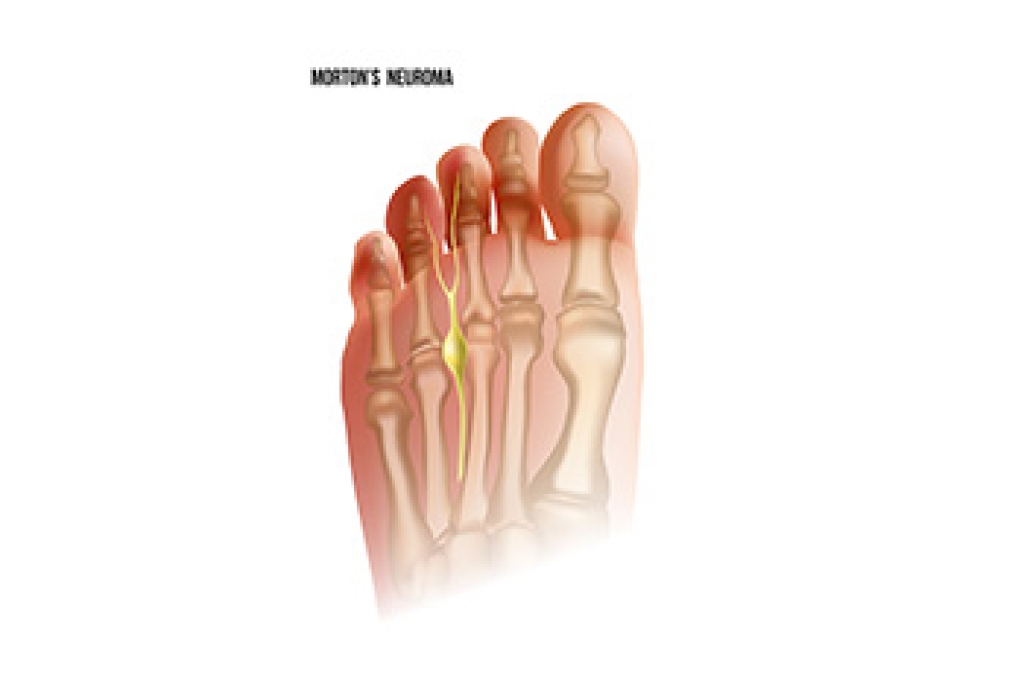
Morton's neuroma is a painful condition caused by a compression of the nerves in the ball of the foot. This condition begins with inflammation and swelling of the nerves due to pressure. It causes symptoms such as sharp pain, a lump sensation, and nerve-related issues in the toes. High-heeled shoes and improper footwear are major risk factors for this condition, and certain gait patterns and foot anatomy can also contribute to it. Morton's neuroma is generally treated non-invasively, with recommendations to wear well-fitted footwear, rocker-soled shoes, metatarsal pads, and custom foot orthotics to alleviate pressure and improve gait. In severe cases where conservative treatments fail, corticosteroid injections or surgery may be necessary to remove fibrous tissues that permanently compress the nerve. Continuing conservative care after surgery is essential to prevent recurrence. If you are experiencing symptoms of Morton’s neuroma, it is suggested that you make an appointment with a podiatrist for appropriate diagnosis and treatment.

Morton’s neuroma is a very uncomfortable condition to live with. If you think you have Morton’s neuroma, contact Dr. Kennedy Legel of Advanced Foot & Ankle Care Specialists. Our doctor will attend to all of your foot care needs and answer any of your related questions.  

Morton’s Neuroma

Morton's neuroma is a painful foot condition that commonly affects the areas between the second and third or third and fourth toe, although other areas of the foot are also susceptible. Morton’s neuroma is caused by an inflamed nerve in the foot that is being squeezed and aggravated by surrounding bones.

What Increases the Chances of Having Morton’s Neuroma?

  • Ill-fitting high heels or shoes that add pressure to the toe or foot
  • Jogging, running or any sport that involves constant impact to the foot
  • Flat feet, bunions, and any other foot deformities

Morton’s neuroma is a very treatable condition. Orthotics and shoe inserts can often be used to alleviate the pain on the forefront of the feet. In more severe cases, corticosteroids can also be prescribed. In order to figure out the best treatment for your neuroma, it’s recommended to seek the care of a podiatrist who can diagnose your condition and provide different treatment options.

If you have any questions, please feel free to contact our office located in Dallas, TX . We offer the newest diagnostic and treatment technologies for all your foot care needs.

Read more about Morton's Neuroma

Footwear and Healthy Feet

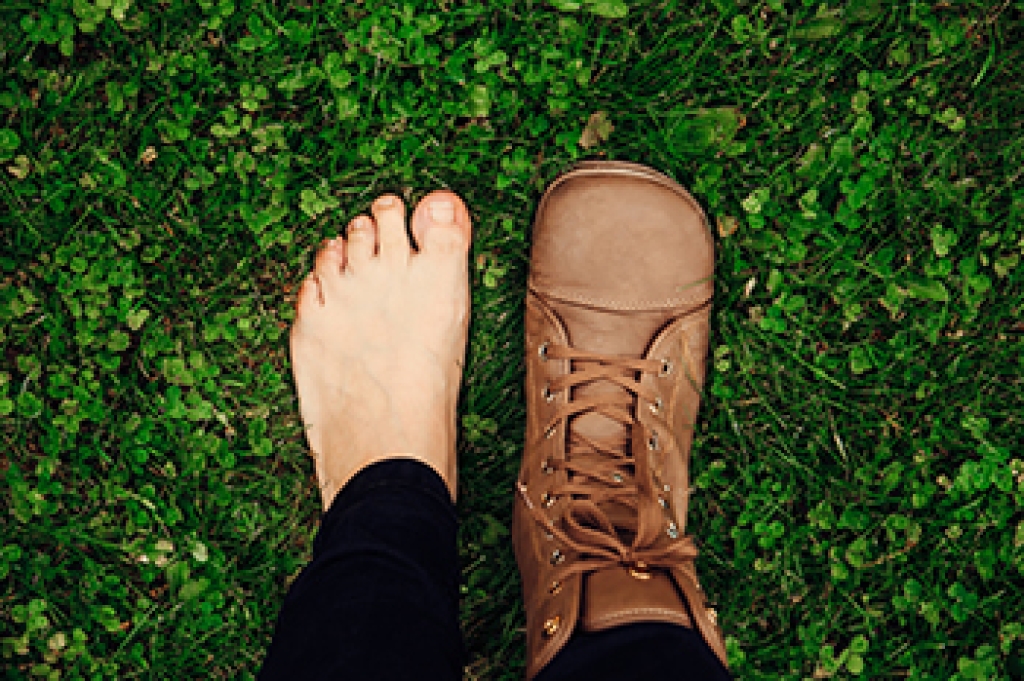
Proper footwear is paramount for maintaining healthy feet. Ill-fitting shoes can lead to any number of foot problems and even increase the risk of injury. To safeguard your foot health, it's important to select shoes that not only fit well but also provide adequate support. When making your choice, consider the nature of your activity, the type of surface you'll be on, and the need for proper support. For instance, people who spend substantial time on hard surfaces may be more susceptible to heel and forefoot pain, as well as calluses and corns. Supportive shoes with softer soles and arch supports may help. High heels, which force the feet into unnatural positions, can result in long-term postural changes and increase the chances of toe deformities, such as bunions. For active people, the right footwear can ensure proper shock absorption and stability. Seek sports shoes that offer flexibility at the ball of the foot and ample heel support. If foot problems develop or persist, it is suggested that you make an appointment with a podiatrist. 

It is important to find shoes that fit you properly in order to avoid a variety of different foot problems. For more information about treatment, contact Dr. Kennedy Legel from Advanced Foot & Ankle Care Specialists. Our doctor will treat your foot and ankle needs.

Proper Shoe Fitting

Shoes have many different functions. They cushion our body weight, protect our feet, and allow us to safely play sports. You should always make sure that the shoes you wear fit you properly in order to avoid injuries and deformities such as: bunions, corns, calluses, hammertoes, plantar fasciitis, stress fractures, and more. It is important to note that although a certain pair of shoes might be a great fit for someone else, that doesn’t mean they will be a great fit for you. This is why you should always try on shoes before buying them to make sure they are worth the investment. Typically, shoes need to be replaced ever six months to one year of regular use.

Tips for Proper Shoe Fitting

  • Select a shoe that is shaped like your foot
  • Don’t buy shoes that fit too tight, expecting them to stretch to fit
  • Make sure there is enough space (3/8” to ½”) for your longest toe at the end of each shoe when you are standing up
  • Walk in the shoes to make sure they fit and feel right
  • Don’t select shoes by the size marked inside the shoe, but by how the shoe fits your foot

The shoes you buy should always feel as good as they look. Shoes that fit properly will last longer, feel better, and improve your way of life each day.

If you have any questions please contact our office located in Dallas, TX . We offer the newest diagnostic and treatment technologies for all your foot and ankle needs.
Read more about Proper Shoe Fitting

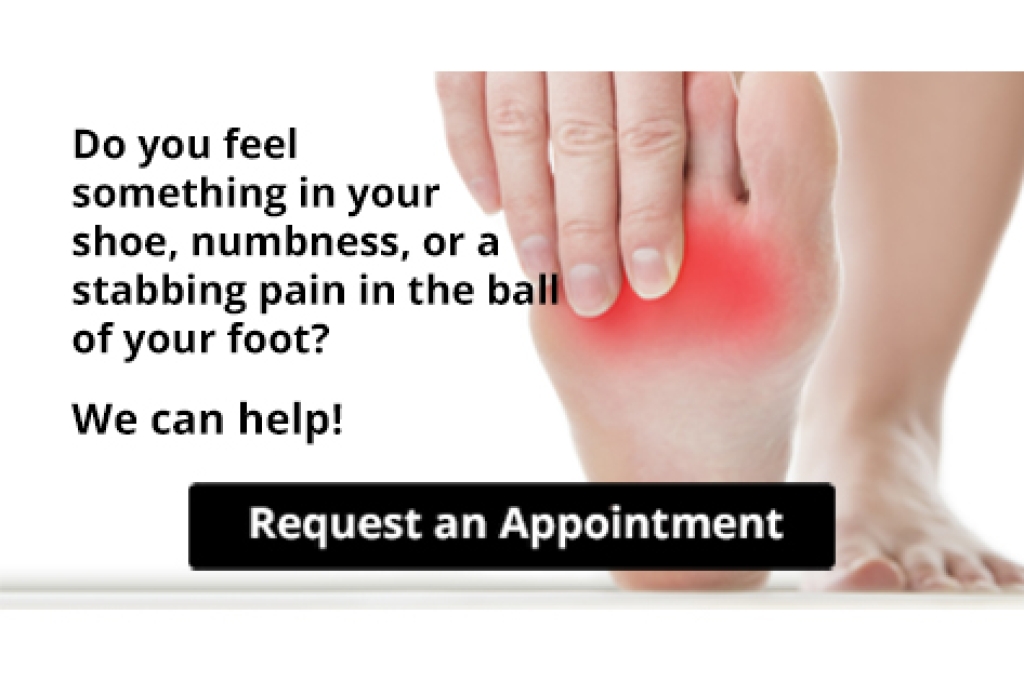
Why Live with Pain and Numbness in Your Feet?

Suffering from this type of pain? You may have the foot condition known as Morton's neuroma. Morton's neuroma may develop as a result of ill-fitting footwear and existing foot deformities. We can help.

Securing the Home for Effective Fall Prevention

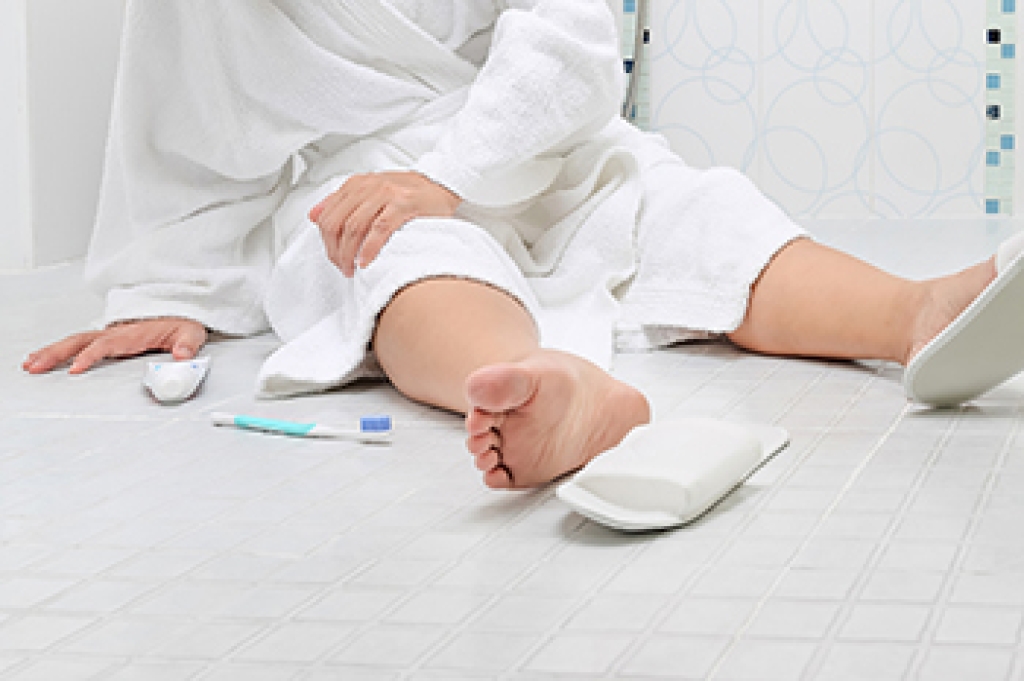
Accidents can happen anywhere, but our homes should be a sanctuary of safety. One common but preventable mishap is falling within the household. These accidents can result in injuries ranging from minor scrapes to foot injuries, making fall prevention a top priority. This can begin with ensuring your home is well lit, especially in high traffic areas and staircases. Removing clutter and hazards from walkways, such as loose rugs or cords, and securing them to the floor or wall are effective fall prevention techniques. Installing handrails on stairs and grab bars in bathrooms is useful for added support. Consider using non-slip mats in the shower and bathtub. Regularly inspect and maintain your flooring to prevent tripping over loose tiles or damaged areas. Wear appropriate footwear with good grip, and be cautious on wet or slippery surfaces. Additionally, it is beneficial to stay active and that can help to maintain strength and balance, reducing the risk of falls. Taking these precautions can transform your home into a safe haven, where the threat of falling is minimized. If you would like more information about how falling can affect the feet in addition to learning about successful prevention methods, it is suggested that you confer with a podiatrist. 

Preventing falls among the elderly is very important. If you are older and have fallen or fear that you are prone to falling, consult with Dr. Kennedy Legel from Advanced Foot & Ankle Care Specialists. Our doctor will assess your condition and provide you with quality advice and care.

Every 11 seconds, an elderly American is being treated in an emergency room for a fall related injury. Falls are the leading cause of head and hip injuries for those 65 and older. Due to decreases in strength, balance, senses, and lack of awareness, elderly persons are very susceptible to falling. Thankfully, there are a number of things older persons can do to prevent falls.

How to Prevent Falls

Some effective methods that older persons can do to prevent falls include:

  • Enrolling in strength and balance exercise program to increase balance and strength
  • Periodically having your sight and hearing checked
  • Discuss any medications you have with a doctor to see if it increases the risk of falling
  • Clearing the house of falling hazards and installing devices like grab bars and railings
  • Utilizing a walker or cane
  • Wearing shoes that provide good support and cushioning
  • Talking to family members about falling and increasing awareness

Falling can be a traumatic and embarrassing experience for elderly persons; this can make them less willing to leave the house, and less willing to talk to someone about their fears of falling. Doing such things, however, will increase the likelihood of tripping or losing one’s balance. Knowing the causes of falling and how to prevent them is the best way to mitigate the risk of serious injury.  

If you have any questions, please feel free to contact our office located in Dallas, TX . We offer the newest diagnostic and treatment technologies for all your foot care needs.

Read more about Falls Prevention
scroll to top