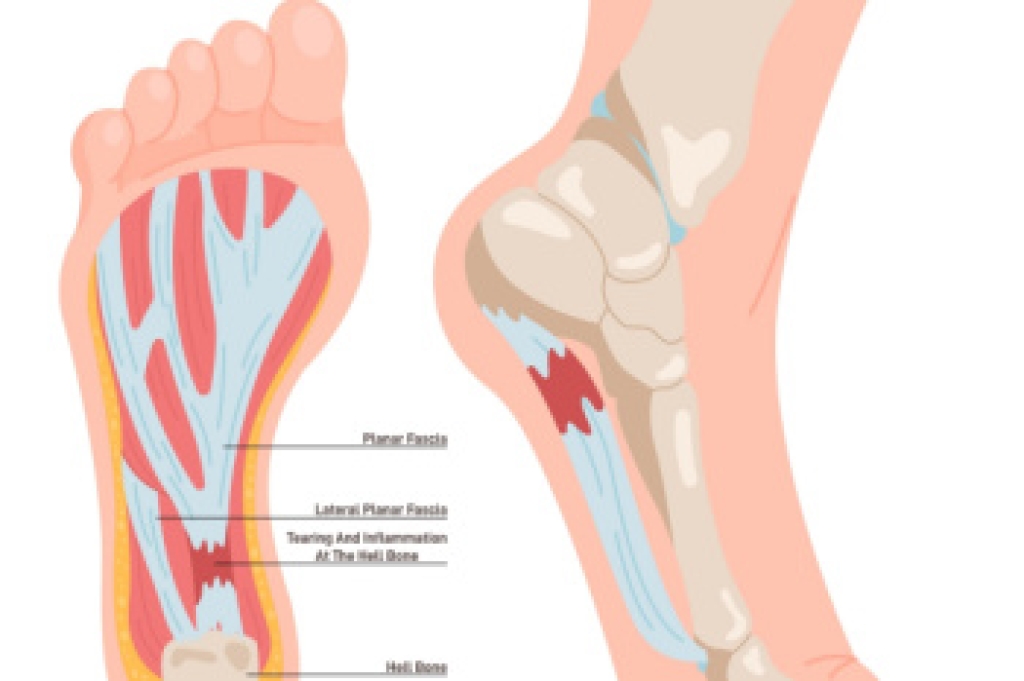
Plantar Fasciitis Is a Common Foot Problem

Plantar fasciitis is a common foot condition involving inflammation of the plantar fascia, a thick band of tissue that runs along the bottom of the foot, connecting the heel to the toes. It often causes sharp, stabbing pain in the heel, especially during the first steps in the morning or after long periods of rest. The pain may decrease with movement but can worsen after extended activity. Causes include overuse, wearing improper footwear, obesity, or structural issues like flat feet or high arches. Athletes, runners, and those who stand for prolonged periods are at higher risk. A podiatrist diagnoses plantar fasciitis through a physical exam and may recommend imaging tests to rule out other conditions. Relief includes rest, stretching exercises and custom orthotics. In chronic cases, corticosteroid injections may be considered. Surgery is rare but may be necessary for persistent cases. If you have heel pain, it is suggested that you visit a podiatrist for a proper diagnosis and treatment.

Plantar fasciitis is a common foot condition that is often caused by a strain injury. If you are experiencing heel pain or symptoms of plantar fasciitis, contact Dr. Kennedy Legel from Advanced Foot & Ankle Care Specialists. Our doctor can provide the care you need to keep you pain-free and on your feet.

What Is Plantar Fasciitis?

Plantar fasciitis is one of the most common causes of heel pain. The plantar fascia is a ligament that connects your heel to the front of your foot. When this ligament becomes inflamed, plantar fasciitis is the result. If you have plantar fasciitis you will have a stabbing pain that usually occurs with your first steps in the morning. As the day progresses and you walk around more, this pain will start to disappear, but it will return after long periods of standing or sitting.

What Causes Plantar Fasciitis?

  • Excessive running
  • Having high arches in your feet
  • Other foot issues such as flat feet
  • Pregnancy (due to the sudden weight gain)
  • Being on your feet very often

There are some risk factors that may make you more likely to develop plantar fasciitis compared to others. The condition most commonly affects adults between the ages of 40 and 60. It also tends to affect people who are obese because the extra pounds result in extra stress being placed on the plantar fascia.

Prevention

  • Take good care of your feet – Wear shoes that have good arch support and heel cushioning.
  • Maintain a healthy weight
  • If you are a runner, alternate running with other sports that won’t cause heel pain

There are a variety of treatment options available for plantar fasciitis along with the pain that accompanies it. Additionally, physical therapy is a very important component in the treatment process. It is important that you meet with your podiatrist to determine which treatment option is best for you.

If you have any questions, please feel free to contact our office located in Dallas, TX . We offer the newest diagnostic and treatment technologies for all your foot care needs.

 

Read more about Plantar Fasciitis

Orthotic Treatment for Leg Length Discrepancies

Orthotic insoles can be helpful for people with mild leg length discrepancies, a condition where one leg is slightly shorter than the other. This difference, even if small, can affect how a person walks, causing discomfort or pain. Orthotic insoles are designed to help balance the body and improve how the legs and feet move together. Research shows that using custom orthotics can improve gait symmetry, meaning the walking pattern becomes more even and natural. By leveling out the legs, insoles help reduce immediate pain and discomfort caused by uneven pressure on the feet, knees, hips, and lower back. If you are experiencing foot pain and you know your legs are slightly different lengths, it is suggested that you schedule an appointment with a podiatrist who can provide appropriate treatment, which may include custom orthotics.

If you are having discomfort in your feet and would like to try orthotics, contact Dr. Kennedy Legel from Advanced Foot & Ankle Care Specialists. Our doctor can provide the care you need to keep you pain-free and on your feet.

What Are Orthotics?

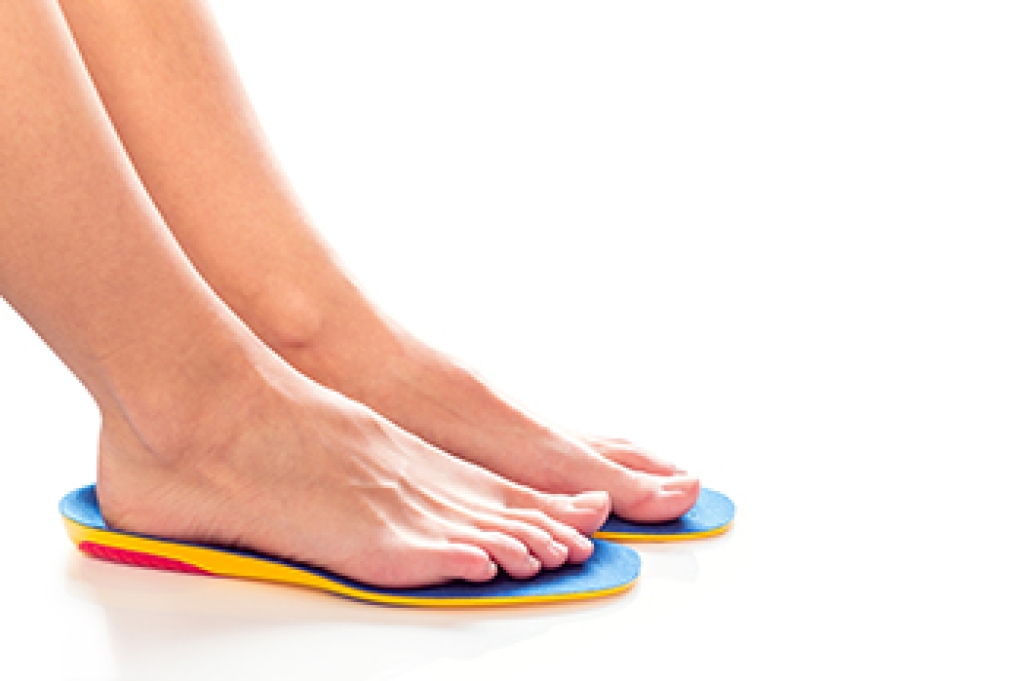
Orthotics are inserts you can place into your shoes to help with a variety of foot problems such as flat feet or foot pain. Orthotics provide relief and comfort for minor foot and heel pain but can’t correct serious biomechanical problems in your feet.

Over-the-Counter Inserts

Orthotics come in a wide variety of over-the-counter inserts that are used to treat foot pain, heel pain, and minor problems. For example, arch supports can be inserted into your shoes to help correct overarched or flat feet, while gel insoles are often used because they provide comfort and relief from foot and heel pain by alleviating pressure.

Prescription Orthotics

If over-the-counter inserts don’t work for you or if you have a more severe foot concern, it is possible to have your podiatrist prescribe custom orthotics. These high-quality inserts are designed to treat problems such as abnormal motion, plantar fasciitis, and severe forms of heel pain. They can even be used to help patients suffering from diabetes by treating foot ulcers and painful calluses and are usually molded to your feet individually, which allows them to provide full support and comfort.

If you are experiencing minor to severe foot or heel pain, it’s recommended to speak with your podiatrist about the possibilities of using orthotics. A podiatrist can determine which type of orthotic is right for you and allow you to take the first steps towards being pain-free.

If you have any questions, please feel free to contact our office located in Dallas, TX . We offer the newest diagnostic and treatment technologies for all your foot care needs.

Read more about Foot Orthotics

Foot Exams for the Elderly

Routine foot examinations are essential for the elderly, as they are more prone to foot problems that can affect mobility and overall well-being. In aging populations, issues such as poor circulation, nerve damage, and thinning skin increase the risk of ulcers, infections, and deformities like bunions and hammertoes. Regular assessments help identify early signs of conditions such as diabetic neuropathy, arthritis, or fungal infections. During the exam, a podiatrist will check for changes in skin color, texture, and temperature, as well as assess the nails and overall foot structure. They will also examine pressure points, sores, or swelling, which may indicate underlying health problems. By detecting issues early, appropriate treatments can be provided, improving comfort and preventing further complications that could limit mobility and independence. If you are elderly or taking care of an older person, it is suggested that you schedule an appointment with a podiatrist to set up routine foot exams.

If you need your feet checked, contact Dr. Kennedy Legel of Advanced Foot & Ankle Care Specialists. Our doctor will attend to all of your foot and ankle needs and provide you with quality treatment.

Geriatrics and Podiatry
When people age, some common issues that may occur are bone density loss, dry skin, poor circulation, and rough brittle nails. These issues may also affect your foot health if the necessary steps are not taken to alleviate the problems.

It is important to take care of your feet because feet that are injured or diseased can affect your overall health. Having painful feet hinders your ability to do daily activities or may decrease your willingness to do the things that you need to do.

Visiting Your Geriatrician
As we age, health problems become more likely, so it is essential to visit your doctor for check-ups to ensure that you are doing the best you can to take care of your health. It is recommended to check your feet frequently for any possible cuts, bruises, swelling, corns or any other irregularities. 

Taking Care of Elderly Feet
Cracked or dry feet can be treated by applying moisturizer often. It is also important not to wear old socks because the older the sock is, the higher the possibility there will be that there is bacteria there. Wear fresh socks and make sure they fit properly.

Proper foot health means that you can have a more active lifestyle and you will not be bogged down by pain. Foot health also leads to good circulation, which is paramount for overall health.

If you have any questions, please feel free to contact our office located in Dallas, TX . We offer the newest diagnostic and treatment technologies for all your foot care needs.

Read more about Geriatrics and Podiatry

Why Live with Pain and Numbness in Your Feet?

Suffering from this type of pain? You may have the foot condition known as Morton's neuroma. Morton's neuroma may develop as a result of ill-fitting footwear and existing foot deformities. We can help.

What Is Ankylosing Spondylitis?

Ankylosing spondylitis, or AS, is a type of arthritis that primarily impacts the spine but can also affect other areas, including the heel. In people with AS, inflammation can extend to the tendons and ligaments surrounding the heel, causing significant discomfort. This condition can lead to heel pain, swelling, and stiffness, which may worsen with activity or after prolonged periods of rest. Often, the inflammation in the heel is due to enthesitis, which is inflammation where tendons and ligaments attach to the bone. Managing heel pain associated with Ankylosing spondylitis typically involves a combination of medications to reduce inflammation, exercises to improve mobility, and proper footwear to provide adequate support. If you are experiencing heel pain and suspect it might be linked to AS, it is suggested that you seek specialized care from a podiatrist. A podiatrist can offer targeted treatments and strategies to alleviate discomfort and improve your quality of life.

Many people suffer from bouts of heel pain. For more information, contact Dr. Kennedy Legel of Advanced Foot & Ankle Care Specialists. Our doctor can provide the care you need to keep you pain-free and on your feet.

Causes of Heel Pain

Heel pain is often associated with plantar fasciitis. The plantar fascia is a band of tissues that extends along the bottom of the foot. A rip or tear in this ligament can cause inflammation of the tissue.

Achilles tendonitis is another cause of heel pain. Inflammation of the Achilles tendon will cause pain from fractures and muscle tearing. Lack of flexibility is also another symptom.

Heel spurs are another cause of pain. When the tissues of the plantar fascia undergo a great deal of stress, it can lead to ligament separation from the heel bone, causing heel spurs.

Why Might Heel Pain Occur?

  • Wearing ill-fitting shoes                
  • Wearing non-supportive shoes
  • Weight change           
  • Excessive running

Treatments

Heel pain should be treated as soon as possible for immediate results. Keeping your feet in a stress-free environment will help. If you suffer from Achilles tendonitis or plantar fasciitis, applying ice will reduce the swelling. Stretching before an exercise like running will help the muscles. Using all these tips will help make heel pain a condition of the past.

If you have any questions, please feel free to contact our office located in Dallas, TX . We offer the newest diagnostic and treatment technologies for all your foot care needs.

Read more about Heel Pain
scroll to top