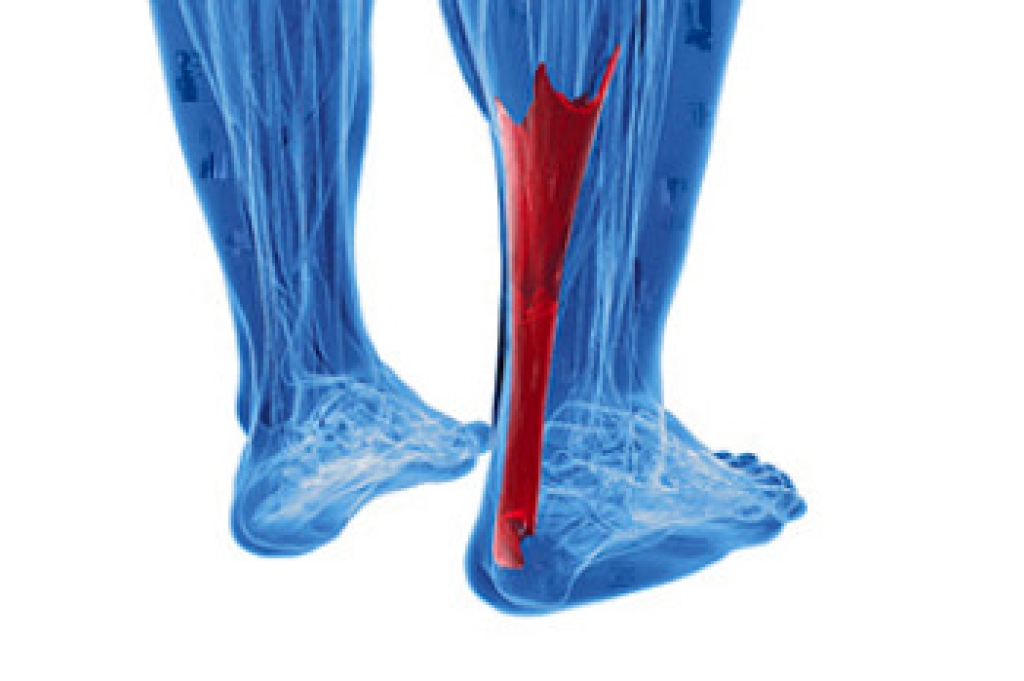
Pain From Achilles Tendon Bursitis

Posterior Achilles tendon bursitis causes pain where the back of a shoe meets the heel. It develops when repeated shoe pressure inflames a bursa between the skin and Achilles tendon. A bursa is a small, fluid-filled cushion that reduces friction. Early signs include redness, warmth, and tenderness at the back of the heel. Irritation can cause skin damage or a soft, painful bump. In long-lasting cases, the bump can become firm as the tissue thickens and calcium collects within it.

Shoes with a stiff back or a poor fit can rub against this sensitive area. High-heeled shoes are a risk because they place the shoe counter against the back of the heel. A bony prominence called Haglund’s deformity can increase pressure and encourage a bursa to develop. Pain from bursitis can resemble pain from other Achilles tendon problems. Achilles tendinitis affects the tendon itself, while another condition can cause pain where the tendon attaches to the heel bone. A podiatrist can identify the source by examining the location, texture, and appearance of the area. Imaging is not always required, but it can help when the cause remains unclear.

Treatment focuses on reducing pressure and protecting the inflamed area. A podiatrist can evaluate shoe fit and recommend shoes with a low heel that do not press against the bursa. Heel pads, protective gel wraps, or padding placed around the bump can reduce rubbing. Custom orthotics can improve rear-foot stability and limit irritating movement while walking. A podiatrist can monitor skin damage and check for signs of another heel condition. When a bony prominence continues to place pressure on the area, surgery can be considered to remove part of the bone. Early care can reduce irritation before it causes greater pain while wearing shoes or moving throughout the day. If you have sustained an Achilles tendon injury, it is suggested that you promptly schedule an appointment with a podiatrist for effective relief and treatment solutions.

Achilles tendon injuries need immediate attention to avoid future complications. If you have any concerns, contact Dr. Kennedy Legel of Advanced Foot & Ankle Care Specialists. Our doctor can provide the care you need to keep you pain-free and on your feet.

What Is the Achilles Tendon?

The Achilles tendon is a tendon that connects the lower leg muscles and calf to the heel of the foot. It is the strongest tendon in the human body and is essential for making movement possible. Because this tendon is such an integral part of the body, any injuries to it can create immense difficulties and should immediately be presented to a doctor.

What Are the Symptoms of an Achilles Tendon Injury?

There are various types of injuries that can affect the Achilles tendon. The two most common injuries are Achilles tendinitis and ruptures of the tendon.

Achilles Tendinitis Symptoms

  • Inflammation
  • Dull to severe pain
  • Increased blood flow to the tendon
  • Thickening of the tendon

Rupture Symptoms

  • Extreme pain and swelling in the foot
  • Total immobility

Treatment and Prevention

Achilles tendon injuries are diagnosed by a thorough physical evaluation, which can include an MRI. Treatment involves rest, physical therapy, and in some cases, surgery. However, various preventative measures can be taken to avoid these injuries, such as:

  • Thorough stretching of the tendon before and after exercise
  • Strengthening exercises like calf raises, squats, leg curls, leg extensions, leg raises, lunges, and leg presses

If you have any questions please feel free to contact our office located in Dallas, TX . We offer the newest diagnostic tools and technology to treat your foot and ankle needs.
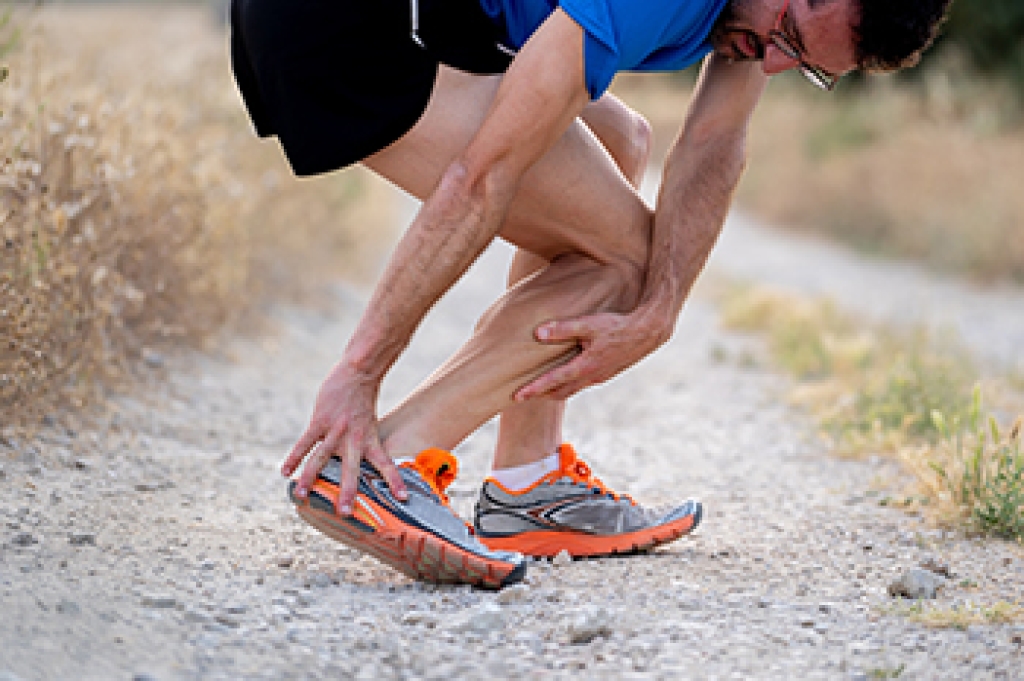
Read more about Achilles Tendon Injuries

Running With Heel Pain

Heel pain can turn a comfortable run into a difficult test. Continuing to run can make the problem worse and extend the break needed for recovery. Plantar fasciitis, heel spurs, and stress fractures are possible causes of heel pain. Plantar fasciitis is irritation of the strong band of tissue that supports the arch. A stress fracture is a small crack caused by repeated pressure on a bone. Because these problems require different forms of care, runners should not assume that all heel pain comes from the same source. Stopping a run when pain begins can reduce the chance of further injury.

Pain also changes the way a runner moves. A person may shorten a stride, shift weight, or land differently to protect the sore heel. These changes can place added strain on the ankle, knee, and hip. Discomfort can also spread to the lower back as the body tries to adjust. Warning signs that deserve prompt attention include swelling, bruising, or trouble placing weight on the foot. Pain that is sharp, continues at rest, or grows worse from one run to the next also needs an evaluation. Running through these symptoms can delay healing and interfere with work and daily activities.

A podiatrist can examine the heel, check foot movement, and review the runner’s training routine. X-rays or other imaging can help reveal a fracture or another source of pain. Treatment depends on the diagnosis and can include custom orthotics, supportive taping, or a walking boot. The podiatrist can also recommend shoes that fit correctly and provide proper support. A gradual return-to-running plan can protect the heel once pain improves. Some conditions respond well to these options, while more severe injuries may require surgery. An accurate diagnosis helps the runner avoid repeated strain and return to activity safely. If you have heel pain while running, it is suggested that you schedule an appointment with a podiatrist for a diagnosis and appropriate treatment.

Sports related foot and ankle injuries require proper treatment before players can go back to their regular routines. For more information, contact Dr. Kennedy Legel of Advanced Foot & Ankle Care Specialists. Our doctor can provide the care you need to keep you pain-free and on your feet.

Sports Related Foot and Ankle Injuries

Foot and ankle injuries are a common occurrence when it comes to athletes of any sport. While many athletes dismiss the initial aches and pains, the truth is that ignoring potential foot and ankle injuries can lead to serious problems. As athletes continue to place pressure and strain the area further, a mild injury can turn into something as serious as a rupture and may lead to a permanent disability. There are many factors that contribute to sports related foot and ankle injuries, which include failure to warm up properly, not providing support or wearing bad footwear. Common injuries and conditions athletes face, including:

  • Plantar Fasciitis
  • Achilles Tendinitis
  • Achilles Tendon Rupture
  • Ankle Sprains

Sports related injuries are commonly treated using the RICE method. This includes rest, applying ice to the injured area, compression and elevating the ankle. More serious sprains and injuries may require surgery, which could include arthroscopic and reconstructive surgery. Rehabilitation and therapy may also be required in order to get any recovering athlete to become fully functional again. Any unusual aches and pains an athlete sustains must be evaluated by a licensed, reputable medical professional.

If you have any questions please contact our office located in Dallas, TX . We offer the newest diagnostic and treatment technologies for all your foot and ankle needs.

Read more about Sports Related Foot And Ankle Injuries

Peripheral Artery Disease Affecting the Feet

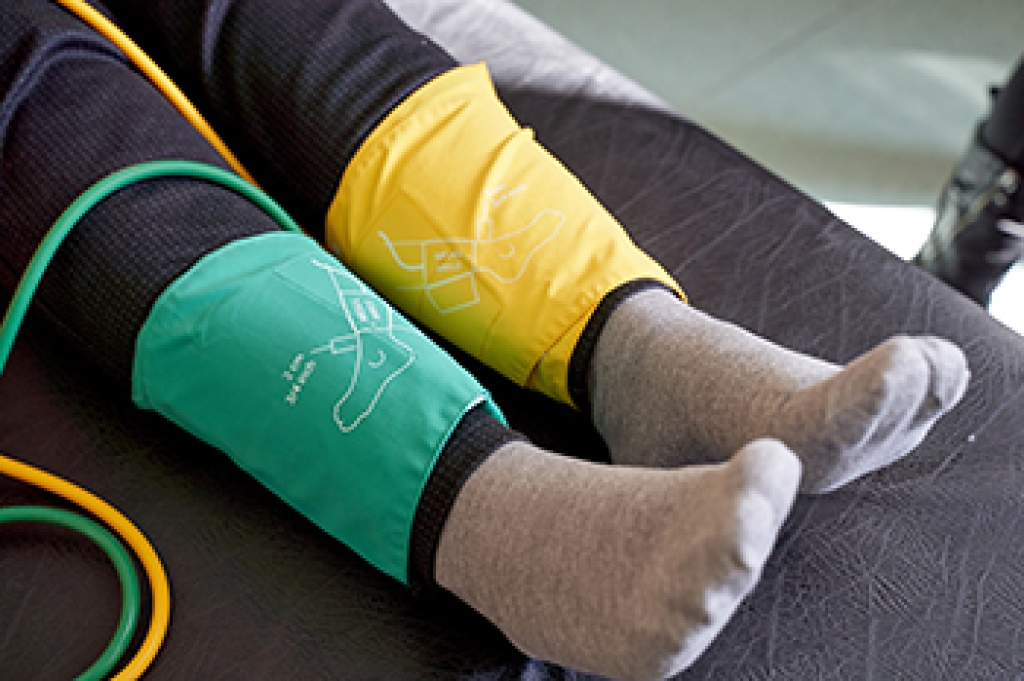
Some diseases that affect the entire body can also produce noticeable problems in the feet. Peripheral artery disease, or PAD, is one example. PAD develops when atherosclerosis causes arteries in the legs to become narrowed. Atherosclerosis is the buildup of fatty material called plaque inside artery walls. As the arteries narrow, less blood can reach the lower legs and feet. Some people with PAD have no noticeable symptoms, while others experience discomfort when walking. Because the feet are far from the heart, circulation problems can become especially noticeable in this area of the body.


Foot-related signs of peripheral artery disease can become more serious as blood flow decreases. The feet may feel cool, while the skin can become thin or pale. Hair loss may also occur on the lower legs and feet. Some people develop aching or burning pain even while resting. More advanced PAD can lead to painful sores on the toes or heels that may have difficulty healing. Severe loss of circulation can eventually damage tissue. PAD is considered a systemic disorder because atherosclerosis may affect arteries elsewhere in the body as well. Diabetes, high blood pressure, and increasing age are among the factors associated with greater PAD risk.


A podiatrist can play an important role in recognizing changes in the feet that may indicate poor circulation. A foot examination can identify skin changes, sores, or abnormal pulses that may require further medical evaluation. Testing may also be needed to determine how well blood is reaching the lower extremities. Because reduced circulation can interfere with healing, professional foot care is particularly important when wounds or other skin problems develop. A podiatrist can provide appropriate foot care while coordinating with other medical professionals when necessary. If you notice persistent foot pain, skin changes, or slow-healing sores, it is suggested that you consult a podiatrist for an evaluation and appropriate treatment options.

When dealing with systemic disease of the feet, it is extremely important to check the affected areas routinely so that any additional problems are caught quickly.  If you have any concerns about your feet and ankles contact Dr. Kennedy Legel from Advanced Foot & Ankle Care Specialists. Our doctor will assist you with all of your podiatric needs.

Systemic Diseases of the Feet

Systemic diseases affect the whole body, and symptoms usually are displayed in the feet. This condition can make a patient’s ability to walk unbearable.  Systemic diseases include gout, diabetes mellitus, neurological disorders, and arthritis.

Gout – is caused by an excess of uric acid in the body. Common symptoms include pain, inflammation, and redness at the metatarsal/phalangeal joint of the base big toe. Gout can be treated by NSAIDs to relieve pain and inflammation, and other drugs that lower the acid levels in the body.

Diabetes mellitus – is an increase in the level of blood sugar that the body cannot counteract with its own insulin. Failure to produce enough insulin is a factor in Diabetes.

Diabetes of the Feet

Diabetic Neuropathy – may lead to damaged nerves and affect the feet through numbness and loss of sensation.

Peripheral Vascular Disease – can restrict the blood flow to the feet, and often times lead to amputation of the feet. 

If you have any questions please contact our office located in Dallas, TX . We offer the newest diagnostic and treatment technologies for all your foot and ankle needs.

Read more about Systemic Diseases of the Foot

Foot Stretches for Better Flexibility and Mobility

Stretching the feet can help maintain flexibility and support comfortable movement. The feet and ankles work together with muscles in the lower legs to provide stability for standing and walking. When these tissues become tight, normal movement can feel restricted. Stretching can target the calf muscles and the plantar fascia, a strong band of tissue along the bottom of the foot. Maintaining flexibility in these areas can support the foot and ankle as they move through everyday activities. A structured stretching program can also be useful when recovering from certain foot or ankle problems.

Different stretches focus on specific tissues that support the feet. A heel-cord stretch targets the calf and tissues near the back of the ankle. Keeping the back knee straight during one version focuses on the larger calf muscle. Bending the back knee slightly changes the stretch and reaches a deeper calf muscle. Plantar fascia stretches focus on the bottom of the foot. A podiatrist can assess foot and ankle movement before recommending stretches. This evaluation helps identify areas of tightness or limited motion that can affect the way a patient stands or walks.

A podiatrist can create a stretching plan based on the patient’s mobility and examination findings. Guided exercises can focus on improving flexibility while maintaining proper form. Podiatric care can also address movement in the ankle, foot, and nearby joints when restrictions affect normal function. Strengthening exercises can complement stretching by supporting the muscles that control the foot and ankle. A podiatrist can monitor progress and adjust exercises as mobility changes. This approach can help patients work toward better flexibility and more comfortable movement. If you have foot or ankle stiffness, it is suggested that you schedule an appointment with a podiatrist for a diagnosis and appropriate treatment.

Why Stretching Is Important for Your Feet

Stretching the feet is a great way to prevent injuries. If you have any concerns with your feet consult with Dr. Kennedy Legel from Advanced Foot & Ankle Care Specialists. Our doctor will assess your condition and provide you with quality foot and ankle treatment.

Stretching the Feet

Stretching the muscles in the foot is an important part in any physical activity. Feet that are tight can lead to less flexibility and make you more prone to injury. One of the most common forms of foot pain, plantar fasciitis, can be stretched out to help ease the pain. Stretching can not only ease pain from plantar fasciitis but also prevent it as well. However, it is important to see a podiatrist first to determine if stretching is right for you. Podiatrists can also recommend other ways to stretch your feet. Once you know whether stretching is right for you, here are some excellent stretches you can do.

  • Using a foam roller or any cylindrical object (a water bottle or soda can will do), roll the object under your foot back and forth. You should also exert pressure on the object. Be sure to do this to both feet for a minute. Do this exercise three times each.
  • Similar to the previous exercise, take a ball, such as a tennis ball, and roll it under your foot while seated and exert pressure on it.
  • Grab a resistance band or towel and take a seat. If you are using a towel, fold it length wise. Next put either one between the ball of your foot and heel and pull with both hands on each side towards you. Hold this for 15 seconds and then switch feet. Do this three times for each foot.
  • Finally hold your big toe while crossing one leg over the other. Pull the toe towards you and hold for 15 seconds. Once again do this three times per foot.

It is best to go easy when first stretching your foot and work your way up. If your foot starts hurting, stop exercising to ice and rest the foot. It is advised that you then see a podiatrist for help.

If you have any questions please contact our office located in Dallas, TX . We offer the newest diagnostic and treatment technologies for all your foot and ankle needs.

Read more about Stretching Your Feet

Why Live with Pain and Numbness in Your Feet?

Suffering from this type of pain? You may have the foot condition known as Morton's neuroma. Morton's neuroma may develop as a result of ill-fitting footwear and existing foot deformities. We can help.

scroll to top