
Diabetic shoes can bring relief to the feet of patients suffering from diabetes.
Diabetic shoes can bring relief to the feet of patients suffering from diabetes.
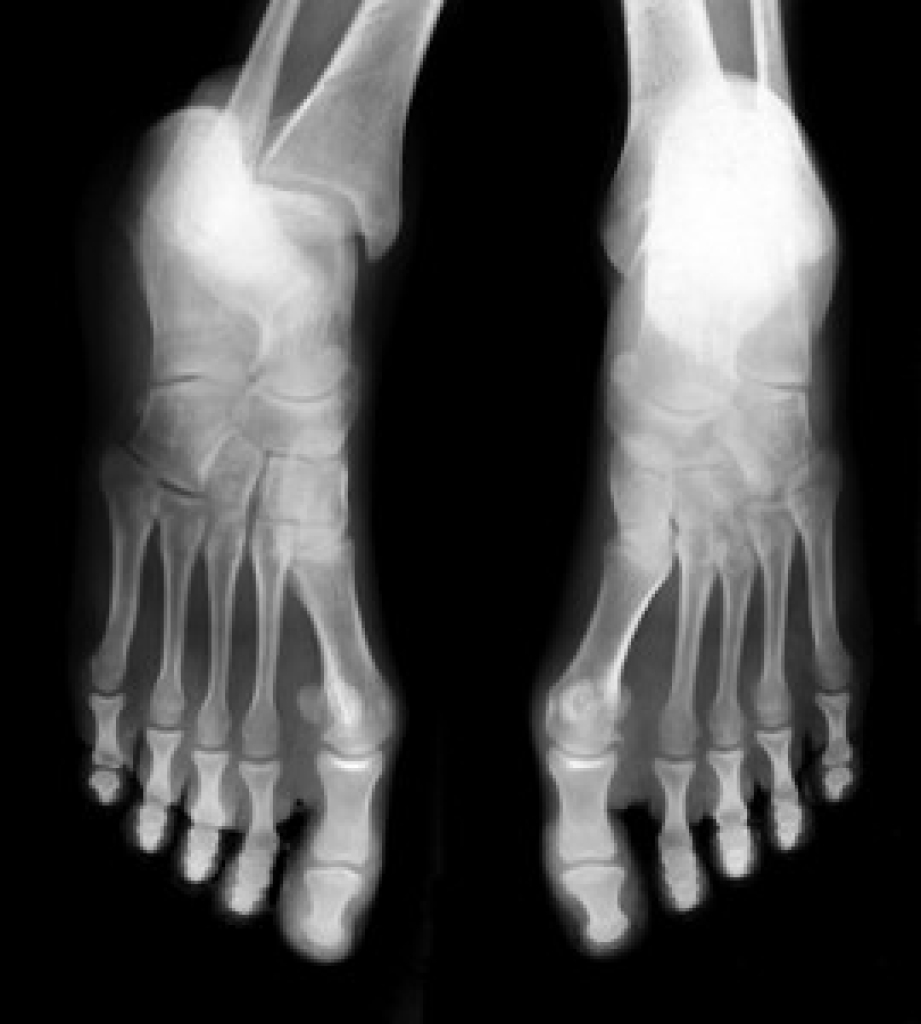 Stress fractures consist of small cracks in the bone or severe bruising within a bone, that develop most commonly from sudden increases in physical activity. For example, if a person begins exercising more often during the week for a longer duration and with a more intense workout regime, they are increasing their likelihood of obtaining a stress fracture. They can also occur due to improper form, a change in surface, or the use of poor equipment. To avoid getting a stress fracture, it is recommended to slowly introduce yourself to a new activity, make sure you’re using the proper equipment for the activity of your choice, and vary your activities to avoid over straining a particular area of your body. Swelling, tenderness, pain, and possible bruising in the foot or ankle region are a few symptoms one might experience if they have a stress fracture. To help treat your fracture it is recommended to modify your activities, use protective footwear, and practice casting. If untreated, stress fractures can lead to further foot and ankle complications, which is why we recommend you visit a podiatrist for a proper diagnosis and treatment regime.
Stress fractures occur when there is a tiny crack within a bone. To learn more, contact Dr. Kennedy Legel from Advanced Foot & Ankle Care Specialists. Our doctor can provide the care you need to keep you pain free and on your feet.
How Are They Caused?
Stress fractures are the result of repetitive force being placed on the bone. Since the lower leg and feet often carry most of the body’s weight, stress fractures are likely to occur in these areas. If you rush into a new exercise, you are more likely to develop a stress fracture since you are starting too much, too soon. Pain resulting from stress fractures may go unnoticed at first, however it may start to worsen over time.
Risk Factors
Stress fractures do not always heal properly, so it is important that you seek help from a podiatrist if you suspect you may have one. Ignoring your stress fracture may cause it to worsen, and you may develop chronic pain as well as additional fractures.
If you have any questions please contact our office located in Dallas, TX . We offer the newest diagnostic and treatment technologies for all your foot and ankle needs.
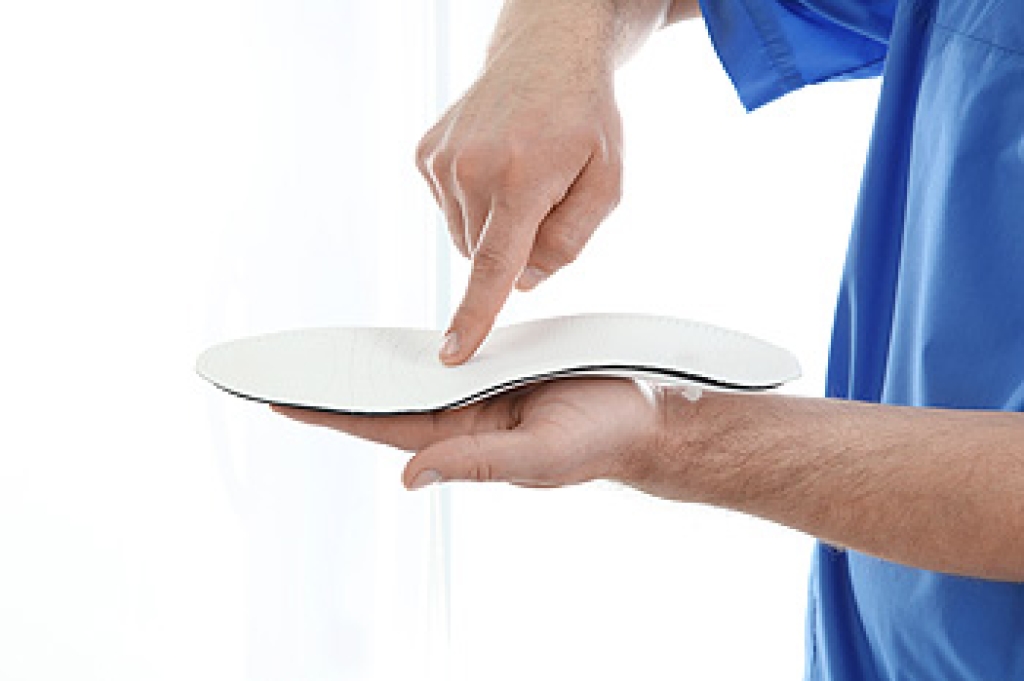 Many patients who experience specific foot conditions may benefit from wearing orthotics. They are defined as devices that are inserted into shoes, and are known to improve a variety of foot ailments. Research has indicated that there are three types of orthotics. First, there are inserts, which are created for certain foot conditions referred to as custom orthotics. Secondly, there are orthotics that are found in retail stores, and these may provide adequate support for mild foot ailments. A brace that can help to control ankle movement and may offer additional support to the foot is referred to as an ankle-foot orthotic. If you are interested in using orthotics to find relief from certain foot conditions, it is strongly advised that you seek the counsel of a podiatrist who can properly assist you.
If you are having discomfort in your feet and would like to try orthotics, contact Dr. Kennedy Legel from Advanced Foot & Ankle Care Specialists. Our doctor can provide the care you need to keep you pain-free and on your feet.
What Are Orthotics?
Orthotics are inserts you can place into your shoes to help with a variety of foot problems such as flat feet or foot pain. Orthotics provide relief and comfort for minor foot and heel pain but can’t correct serious biomechanical problems in your feet.
Over-the-Counter Inserts
Orthotics come in a wide variety of over-the-counter inserts that are used to treat foot pain, heel pain, and minor problems. For example, arch supports can be inserted into your shoes to help correct overarched or flat feet, while gel insoles are often used because they provide comfort and relief from foot and heel pain by alleviating pressure.
Prescription Orthotics
If over-the-counter inserts don’t work for you or if you have a more severe foot concern, it is possible to have your podiatrist prescribe custom orthotics. These high-quality inserts are designed to treat problems such as abnormal motion, plantar fasciitis, and severe forms of heel pain. They can even be used to help patients suffering from diabetes by treating foot ulcers and painful calluses and are usually molded to your feet individually, which allows them to provide full support and comfort.
If you are experiencing minor to severe foot or heel pain, it’s recommended to speak with your podiatrist about the possibilities of using orthotics. A podiatrist can determine which type of orthotic is right for you and allow you to take the first steps towards being pain-free.
If you have any questions, please feel free to contact our office located in Dallas, TX . We offer the newest diagnostic and treatment technologies for all your foot care needs.

If you are seeking a doctor who specializes in the anatomy of the foot, you will be looking for the services of a podiatrist. This type of doctor can treat a variety of foot conditions, consisting of ingrown toenails, pain in the heel and arch areas, and medical conditions that often include arthritis and diabetes. Podiatrists can own a private practice, or may be employed in a hospital. Research has indicated it may be beneficial to wear the shoes that are normally worn for everyday activities when you initially visit a podiatrist. This may be helpful in determining the cause of your specific foot condition. If your feet feel tired, or you are experiencing any type of foot pain, it is advised that you consult with a podiatrist as quickly as possible so the correct diagnosis can be performed and the proper treatment can begin.
If you are experiencing pain in the feet or ankles, don’t join the stubborn majority refusing treatment. Feel free to contact Dr. Kennedy Legel from Advanced Foot & Ankle Care Specialists. Our doctor can provide the care you need to keep you pain-free and on your feet.
What Is a Podiatrist?
Someone would seek the care of a podiatrist if they have suffered a foot injury or have common foot ailments such as heal spurs, bunions, arch problems, deformities, ingrown toenails, corns, foot and ankle problems, etc.
Podiatric Treatment
A podiatrist will treat the problematic areas of the feet, ankle or lower leg by prescribing the following:
A common podiatric procedure a podiatrist will use is a scanner or force plate which will allow the podiatrist to know the designs of orthotics. Patients are then told to follow a series of tasks to complete the treatment. The computer will scan the foot a see which areas show weight distribution and pressure points. The podiatrist will read the analysis and then determine which treatment plans are available.
If you have any questions, please feel free to contact our office located in Dallas, TX . We offer the newest diagnostic and treatment technologies for all your foot care needs.
 Many people have a strong desire to run in a marathon. Research has indicated the importance of warming up properly as the training regime begins, and this may be helpful in preventing running injuries. An injury to the plantar fascia typically starts by noticing pain in the heel. It is recommended that the calves and arches are properly stretched before beginning the physical training that is necessary to run a marathon. This can help to keep the muscles and tendons flexible. Ankle injuries may be avoided by performing heel drops, which can help to build strength in the ankles. Additionally, it is helpful to wear running shoes that are made of a lightweight material, and have adequate cushioning. If you enjoy the sport of running, and would like additional information about how the feet may be affected by running injuries, please consult with a podiatrist.
Exercising your feet regularly with the proper foot wear is a great way to prevent injuries. If you have any concerns about your feet, contact Dr. Kennedy Legel of Advanced Foot & Ankle Care Specialists. Our doctor will treat your foot and ankle needs.
How to Prevent Running Injuries
Many common running injuries are caused by overuse and overtraining. When the back of the kneecap starts wearing out and starts causing pain in your knee, this is commonly referred to as runner’s knee. Runner’s knee is a decrease in strength in your quadriceps and can occur if you’re not wearing properly fitted or supporting shoes. To prevent runner’s knee, focusing on hip strengthening is a good idea, as well as strengthening your quads to keep the kneecaps aligned.
What Are Some Causes of Running Injuries?
- One cause of a common running injury is called iliotibial band syndrome.
- Plantar fasciitis is also another common injury.
- Stress fractures can occur from overtraining, lack of calcium, or even your running style.
Best Ways to Prevent Running Injuries
- Wear footwear that fits properly and suits your running needs.
- Running shoes are the only protective gear that runners have to safeguard them from injury.
- Make a training schedule. Adding strengthening exercises as well as regular stretching can help keep you strong and limber and can lessen the possibility of injuries.
- Stretching keeps muscles limber; this will help you gain better flexibility.
If you have any questions, please feel free to contact our office located in Dallas, TX . We offer the newest diagnostic and treatment technologies for all your foot care needs.
