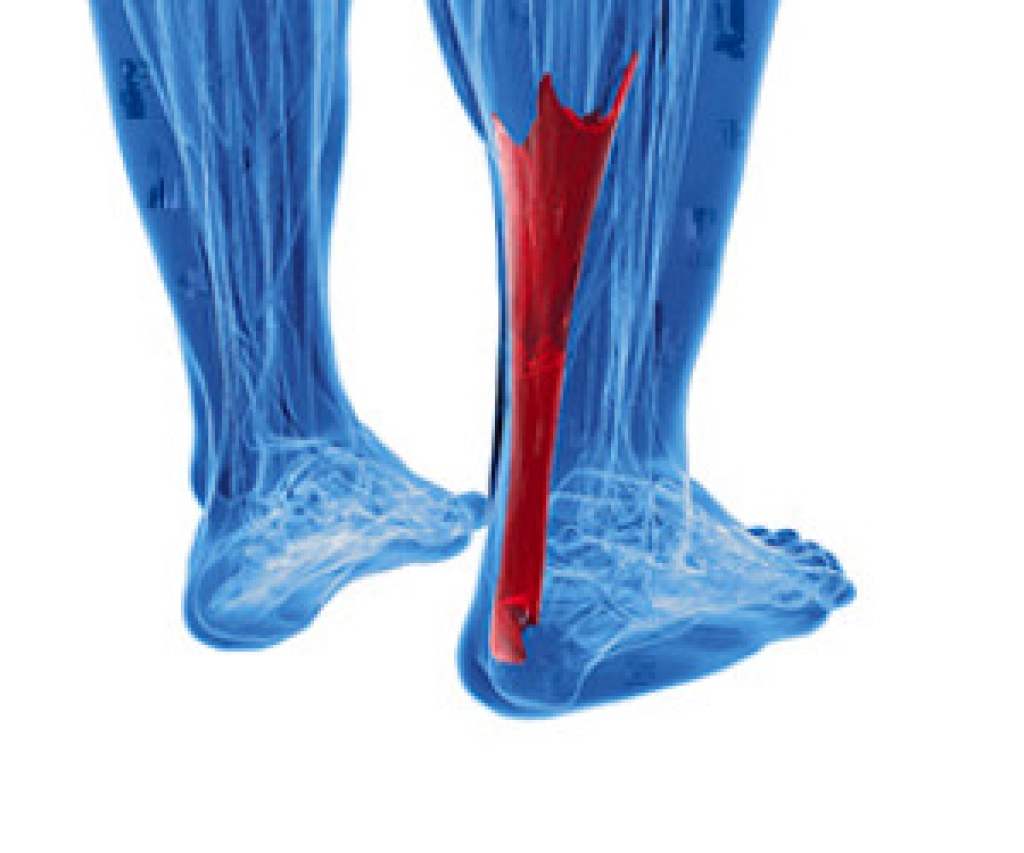
How Severe Is My Achilles Tendon Injury?

The Achilles tendon is a strong band of fibrous tissue that runs along the back of your lower legs, connecting the calf muscles to the heel bone. When this tendon is injured, typically as a result of overuse, wearing the wrong shoes, or having another foot problem, it can become inflamed. A mild Achilles tendon injury is characterized by pain during or shortly after physical activity. A moderate injury may cause swelling in the tendon, and a hard lump called a nodule may form. A severe injury is characterized by pain while bearing weight. In some cases, the tendon can rupture, which is said to feel like a hard whack on the heel. If you have symptoms of an Achilles tendon injury, it is strongly suggested that you seek the care of a podiatrist. 

Achilles tendon injuries need immediate attention to avoid future complications. If you have any concerns, contact Dr. Kennedy Legel of Advanced Foot & Ankle Care Specialists. Our doctor can provide the care you need to keep you pain-free and on your feet.

What Is the Achilles Tendon?

The Achilles tendon is a tendon that connects the lower leg muscles and calf to the heel of the foot. It is the strongest tendon in the human body and is essential for making movement possible. Because this tendon is such an integral part of the body, any injuries to it can create immense difficulties and should immediately be presented to a doctor.

What Are the Symptoms of an Achilles Tendon Injury?

There are various types of injuries that can affect the Achilles tendon. The two most common injuries are Achilles tendinitis and ruptures of the tendon.

Achilles Tendinitis Symptoms

  • Inflammation
  • Dull to severe pain
  • Increased blood flow to the tendon
  • Thickening of the tendon

Rupture Symptoms

  • Extreme pain and swelling in the foot
  • Total immobility

Treatment and Prevention

Achilles tendon injuries are diagnosed by a thorough physical evaluation, which can include an MRI. Treatment involves rest, physical therapy, and in some cases, surgery. However, various preventative measures can be taken to avoid these injuries, such as:

  • Thorough stretching of the tendon before and after exercise
  • Strengthening exercises like calf raises, squats, leg curls, leg extensions, leg raises, lunges, and leg presses

If you have any questions please feel free to contact our office located in Dallas, TX . We offer the newest diagnostic tools and technology to treat your foot and ankle needs.


Read more about Achilles Tendon Injuries

The Many Causes Behind Flat Feet

Flat feet refer to feet that have no visible arch in the middle of the sole of the foot while bearing weight. In other words, while standing, the foot lies flat on the ground. Flat feet can be genetically inherited. They can also be acquired during your lifespan for various reasons. These may include damaged, inflamed, overstretched or torn tendons in the foot, damage to the foot or ankle bones, arthritis, stiffening and weakening of the foot muscles due to nerve damage, obesity, and pregnancy. Acquired flat feet are also associated with aging, as wear and tear on the ligaments that support the arch can cause it to collapse. If you have flat feet that are causing you pain, it is suggested that you seek the care of a podiatrist. 

Flatfoot is a condition many people suffer from. If you have flat feet, contact Dr. Kennedy Legel from Advanced Foot & Ankle Care Specialists. Our doctor will treat your foot and ankle needs.

What Are Flat Feet?

Flatfoot is a condition in which the arch of the foot is depressed and the sole of the foot is almost completely in contact with the ground. About 20-30% of the population generally has flat feet because their arches never formed during growth.

Conditions & Problems:

Having flat feet makes it difficult to run or walk because of the stress placed on the ankles.

Alignment – The general alignment of your legs can be disrupted, because the ankles move inward which can cause major discomfort.

Knees – If you have complications with your knees, flat feet can be a contributor to arthritis in that area.  

Symptoms

  • Pain around the heel or arch area
  • Trouble standing on the tip toe
  • Swelling around the inside of the ankle
  • Flat look to one or both feet
  • Having your shoes feel uneven when worn

Treatment

If you are experiencing pain and stress on the foot you may weaken the posterior tibial tendon, which runs around the inside of the ankle. 

If you have any questions, please feel free to contact our office located in Dallas, TX . We offer the newest diagnostic and treatment technologies for all your foot care needs.

Read more about Flat Feet

Reminder: When Was the Last Time...?

Custom orthotics, or shoe inserts, should be periodically replaced. Orthotics must fit properly to give you the best results. Protect your feet and ankles!

How to Tell if You’ve Broken a Foot Bone

The three main signs of a broken bone, or fracture, are pain, swelling, and deformity around the bone involved. At the time of injury, you may feel or hear a snapping or grinding in the foot. The area will likely be tender, swollen, and bruised. Putting weight or pressure on the injured area will cause pain. You may also be able to see where the bone is broken or displaced, particularly if it is an open fracture, where the bone pokes through the skin. Sometimes the signs of a foot fracture are not obvious. Stress fractures, which are tiny cracks that develop in a bone over time, are very common in the foot bones and often produce only mild symptoms. If you suspect that you have broken a foot bone, please seek the care of a podiatrist.

A broken foot requires immediate medical attention and treatment. If you need your feet checked, contact Dr. Kennedy Legel from Advanced Foot & Ankle Care Specialists. Our doctor can provide the care you need to keep you pain-free and on your feet.

Broken Foot Causes, Symptoms, and Treatment

A broken foot is caused by one of the bones in the foot typically breaking when bended, crushed, or stretched beyond its natural capabilities. Usually the location of the fracture indicates how the break occurred, whether it was through an object, fall, or any other type of injury. 

Common Symptoms of Broken Feet:

  • Bruising
  • Pain
  • Redness
  • Swelling
  • Blue in color
  • Numbness
  • Cold
  • Misshapen
  • Cuts
  • Deformities

Those that suspect they have a broken foot shoot seek urgent medical attention where a medical professional could diagnose the severity.

Treatment for broken bones varies depending on the cause, severity and location. Some will require the use of splints, casts or crutches while others could even involve surgery to repair the broken bones. Personal care includes the use of ice and keeping the foot stabilized and elevated.

If you have any questions, please feel free to contact our office located in Dallas, TX . We offer the newest diagnostic and treatment technologies for all your foot care needs.

Read more about Causes, Symptoms, and Treatment for a Broken Foot

Why Visiting a Podiatrist for an Ankle Sprain Is Important

When the ligaments that hold the ankle in place and connect the bones together become overstretched or torn, an ankle sprain may occur. They are one of the most common injuries of the ankle, and they usually happen when stepping on uneven surfaces causes the ankle to twist too much. This results in the ankle swelling and becoming bruised. You may also have difficulty walking. Because the symptoms of an ankle sprain are similar to that of a broken ankle, patients who believe that they have sprained their ankle should have it examined by a podiatrist. A podiatrist will be able to take an X-ray to check for broken bones, and they can check for less common injuries such as an avulsion fracture, high ankle sprain, or a lower leg fracture.

Ankle sprains are common but need immediate attention. If you need your feet checked, contact Dr. Kennedy Legel from Advanced Foot & Ankle Care Specialists. Our doctor can provide the care you need to keep you pain-free and on your feet.

How Does an Ankle Sprain Occur?

Ankle sprains take place when the ligaments in your ankle are torn or stretched beyond their limits. There are multiple ways that the ankle can become injured, including twisting or rolling over onto your ankle, putting undue stress on it, or causing trauma to the ankle itself.

What Are the Symptoms?

  • Mild to moderate bruising
  • Limited mobility
  • Swelling
  • Discoloration of the skin (depending on severity)

Preventing a Sprain

  • Wearing appropriate shoes for the occasion
  • Stretching before exercises and sports
  • Knowing your limits

Treatment of a Sprain

Treatment of a sprain depends on the severity.  Many times, people are told to rest and remain off their feet completely, while others are given an air cast. If the sprain is very severe, surgery may be required.

If you have suffered an ankle sprain previously, you may want to consider additional support such as a brace and regular exercises to strengthen the ankle.

If you have any questions please feel free to contact our office located in Dallas, TX . We offer the newest diagnostic tools and technology to treat your foot and ankle needs.

Read more about Ankle Sprains
scroll to top