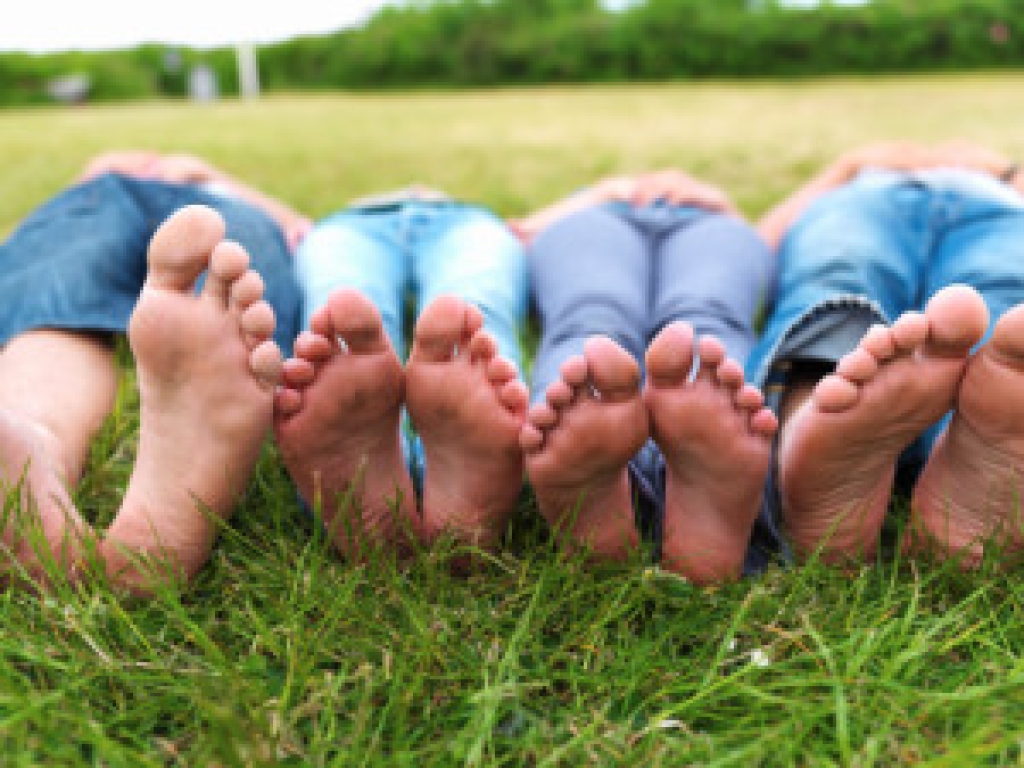
Children’s Foot Health and Toe Walking

As a child grows into a young adult, their parents must take steps to ensure that they are doing all they can to protect the child’s feet. Children can be susceptible to a number of  particular foot afflictions that can negatively impact their health. One foot condition that parents ought to be aware of is known as toe walking. Toe walking, also referred to as idiopathic toe walking, is a condition that occurs when a child continues to walk on their tiptoes beyond the age of 3. Although this might not sound like a problem to some, it should be noted that walking on one’s tiptoes for extended periods of time can lead to tight calves. Additionally, children who engage in toe walking might be restricting the extent to which their ankles can move freely. If your child engages in toe walking, contact a podiatrist today to schedule an appointment.

Making sure that your children maintain good foot health is very important as they grow. If you have any questions, contact Dr. Kennedy Legel of Advanced Foot & Ankle Care Specialists. Our doctor can provide the care you need to keep you pain-free and on your feet.

Keeping Children's Feet Healthy

Having healthy feet during childhood can help prevent medical problems later in life, namely in the back and legs. As children grow, their feet require different types of care. Here are some things to consider...

Although babies do not walk yet, it is still very important to take care of their feet.

Avoid putting tight shoes or socks on his or her feet.

Allow the baby to stretch and kick his or her feet to feel comfortable.

As a toddler, kids are now on the move and begin to develop differently. At this age, toddlers are getting a feel for walking, so don’t be alarmed if your toddler is unsteady or ‘walks funny’. 

As your child gets older, it is important to teach them how to take care of their feet.

Show them proper hygiene to prevent infections such as fungus.

Be watchful for any pain or injury.

Have all injuries checked by a doctor as soon as possible.

Comfortable, protective shoes should always be worn, especially at play.

If you have any questions, please feel free to contact our office located in Dallas, TX . We offer the newest diagnostic and treatment technologies for all your foot care needs.

Read more about How to Care for Your Child's Feet

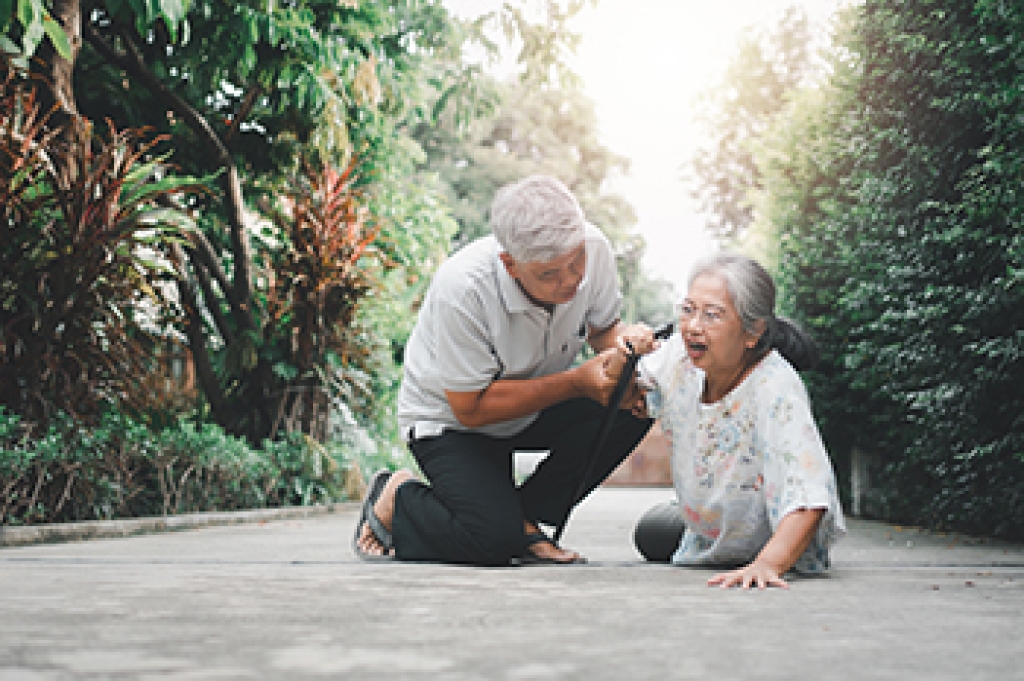
Risks of Falling Among Seniors

As one ages, the repercussions of falling increase. Studies show that people over 65 years old fall at least once a year. Further, one out of five falls results in serious injury. It is commonly held that safety proofing in the home is essential in preventing falls. Other experts agree that keeping a positive attitude and not being afraid of falling is just as important. One of the main recommendations is to have a plan in place in case you do fall. Some people use medical alert devices or carry a phone with them at all times. Practice getting up from the floor in order to be more prepared if you should take a tumble. Changing the way you handle problems is another way to prevent falls. For instance, ask for help rather than get on a ladder to reach a top shelf. Removing hazards, such as loose wiring and scatter rugs from your home is also recommended. Have walking aids available for times when you feel less sure on your feet. Balance and strength exercises are a good way to keep your legs and feet under you. See a podiatrist for more information on ways to prevent falling.

Preventing falls among the elderly is very important. If you are older and have fallen or fear that you are prone to falling, consult with Dr. Kennedy Legel from Advanced Foot & Ankle Care Specialists. Our doctor will assess your condition and provide you with quality advice and care.

Every 11 seconds, an elderly American is being treated in an emergency room for a fall related injury. Falls are the leading cause of head and hip injuries for those 65 and older. Due to decreases in strength, balance, senses, and lack of awareness, elderly persons are very susceptible to falling. Thankfully, there are a number of things older persons can do to prevent falls.

How to Prevent Falls

Some effective methods that older persons can do to prevent falls include:

  • Enrolling in strength and balance exercise program to increase balance and strength
  • Periodically having your sight and hearing checked
  • Discuss any medications you have with a doctor to see if it increases the risk of falling
  • Clearing the house of falling hazards and installing devices like grab bars and railings
  • Utilizing a walker or cane
  • Wearing shoes that provide good support and cushioning
  • Talking to family members about falling and increasing awareness

Falling can be a traumatic and embarrassing experience for elderly persons; this can make them less willing to leave the house, and less willing to talk to someone about their fears of falling. Doing such things, however, will increase the likelihood of tripping or losing one’s balance. Knowing the causes of falling and how to prevent them is the best way to mitigate the risk of serious injury.  

If you have any questions, please feel free to contact our office located in Dallas, TX . We offer the newest diagnostic and treatment technologies for all your foot care needs.
Read more about Falls Prevention

Stretching and Stress Mats May Help the Feet While Working

Standing for the majority of the day can wreak havoc on the entire body, specifically the feet.  The restaurant business, hospital employees, and retail positions are careers that often fall into this category. There are methods that can protect the feet during the work day. These can include resting the feet as often as possible, and stretching them while standing can help to keep the muscles and joints flexible. Many people choose to stand on a stress mat, which is constructed of rubber materials that can help to cushion the feet while standing. Additionally, it is beneficial to wear shoes that are comfortable and fit correctly, and this may reduce the risk of developing specific foot conditions. These can include corns, bunions, and heel problems that can range from heel spurs to plantar fasciitis. Soaking the feet in warm water after the work day will help to relax the muscles, and provide an overall good feeling to the body. If you would like to know more about how to protect your feet while working, please speak with a podiatrist who can provide you with helpful tips.

While working on the feet, it is important to take the proper care of them. For more information about working on your feet, contact Dr. Kennedy Legel from Advanced Foot & Ankle Care Specialists. Our doctor will treat your foot and ankle needs.

Working on Your Feet

Standing on your feet for long periods of time can cause stress and pain in your feet. Your whole body may experience change in terms of posture, back pain, bunions, callouses and or plantar warts. There are ways to avoid these conditions with proper foot care, smart choices and correct posture.

Positive Changes

Negative heeled shoe – Choosing this shoe type places the heel slightly lower than the ball of the foot. These are great for overall foot health. Find shoes that fit you correctly.

Go barefoot – Our feet were not designed to be enclosed for all hours of the day. Try to periodically expose your feet to air.

Eliminate Pain

Foot Exercises – Performing simple exercises, incorporating yoga and doing stretches are beneficial. This will allow increased blood flow to the area and muscles of the foot.

Achilles tendon – Stretching the foot out flat on the floor will relax the calf muscles and tendon. These exercises can be performed almost anywhere. Make sure you add these exercises to your daily regimen. 

With a little bit of this information and knowing more about foot health, you will notice changes. Foot stretches and proper footwear will help with pain and prevent further issues.

If you have any questions please contact our office located in Dallas, TX . We offer the newest diagnostic and treatment technologies for all your foot and ankle needs.

Read more about How to Handle a Long Work Day on Your Feet

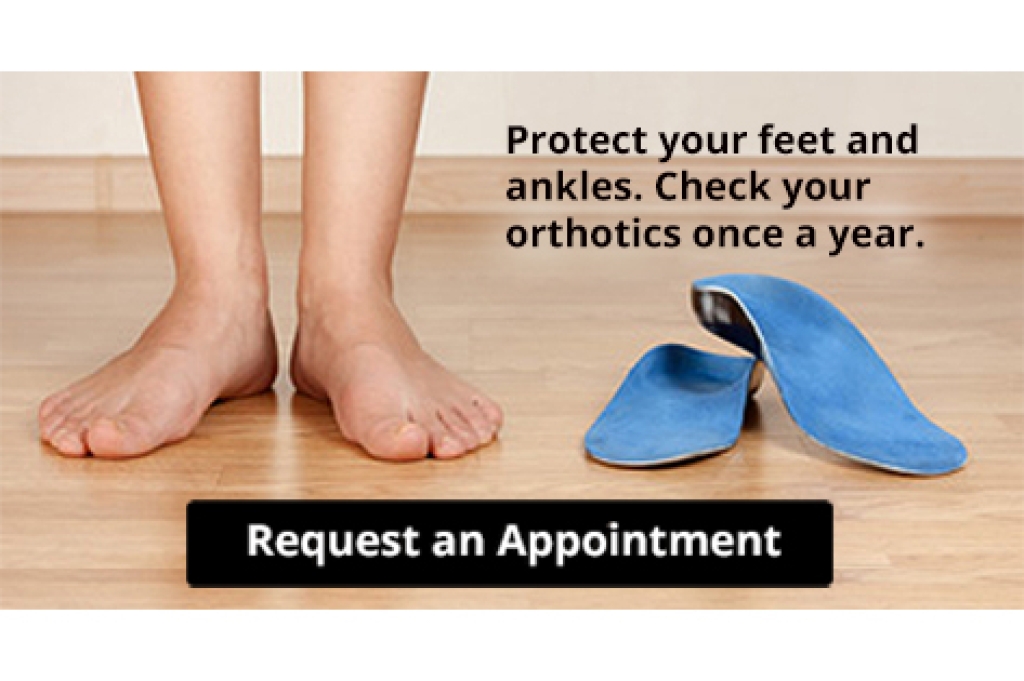
Reminder: When Was the Last Time...?

Custom orthotics, or shoe inserts, should be periodically replaced. Orthotics must fit properly to give you the best results. Protect your feet and ankles!

Symptoms That May Accompany Athlete’s Foot

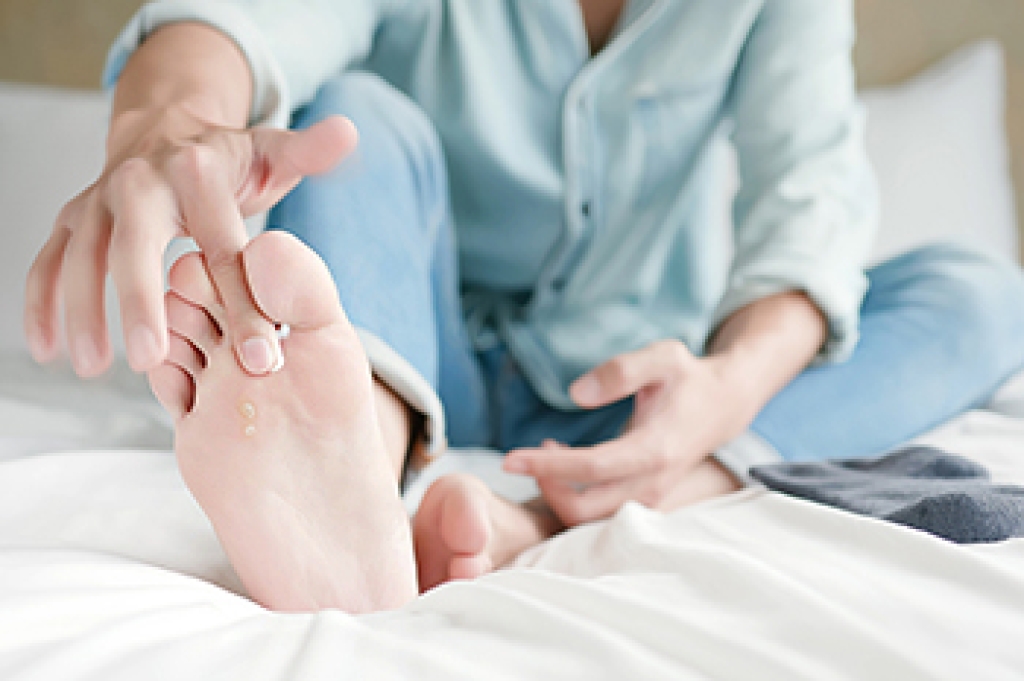
The common fungal infection known as athlete’s foot can be quite uncomfortable. This fungal infection affects the skin on the feet, and can cause severe itchiness between the toes. Other symptoms can include dry skin and redness on the bottom of the feet. In severe cases, the toenails may be affected, and toenail fungus may develop. This fungus lives and thrives in warm and moist environments, including shower room floors, locker rooms, public swimming pools, and surrounding areas. These are areas where many people walk barefoot, and the fungus can enter the body through small cuts in the bottom of the feet. Athlete's foot is considered to be contagious and effective prevention methods can include wearing appropriate shoes while in these areas and refraining from sharing shoes, socks, and towels. Many people who have athlete's foot seek prompt medical attention, which is beneficial in successfully curing this condition. If you are afflicted with athlete's foot, please consult a podiatrist for treatment. 

Athlete’s Foot

Athlete’s foot is often an uncomfortable condition to experience. Thankfully, podiatrists specialize in treating athlete’s foot and offer the best treatment options. If you have any questions about athlete’s foot, consult with Dr. Kennedy Legel from Advanced Foot & Ankle Care Specialists. Our doctor will assess your condition and provide you with quality treatment.

What Is Athlete’s Foot?

Tinea pedis, more commonly known as athlete’s foot, is a non-serious and common fungal infection of the foot. Athlete’s foot is contagious and can be contracted by touching someone who has it or infected surfaces. The most common places contaminated by it are public showers, locker rooms, and swimming pools. Once contracted, it grows on feet that are left inside moist, dark, and warm shoes and socks.

Prevention

The most effective ways to prevent athlete’s foot include:

  • Thoroughly washing and drying feet
  • Avoid going barefoot in locker rooms and public showers
  • Using shower shoes in public showers
  • Wearing socks that allow the feet to breathe
  • Changing socks and shoes frequently if you sweat a lot

Symptoms

Athlete’s foot initially occurs as a rash between the toes. However, if left undiagnosed, it can spread to the sides and bottom of the feet, toenails, and if touched by hand, the hands themselves. Symptoms include:

  • Redness
  • Burning
  • Itching
  • Scaly and peeling skin

Diagnosis and Treatment

Diagnosis is quick and easy. Skin samples will be taken and either viewed under a microscope or sent to a lab for testing. Sometimes, a podiatrist can diagnose it based on simply looking at it. Once confirmed, treatment options include oral and topical antifungal medications.

If you have any questions, please feel free to contact our office located in Dallas, TX . We offer the newest diagnostic and treatment technologies for all your foot care needs.
Read more about Athlete's Foot
scroll to top