Symptoms of Athlete’s Foot

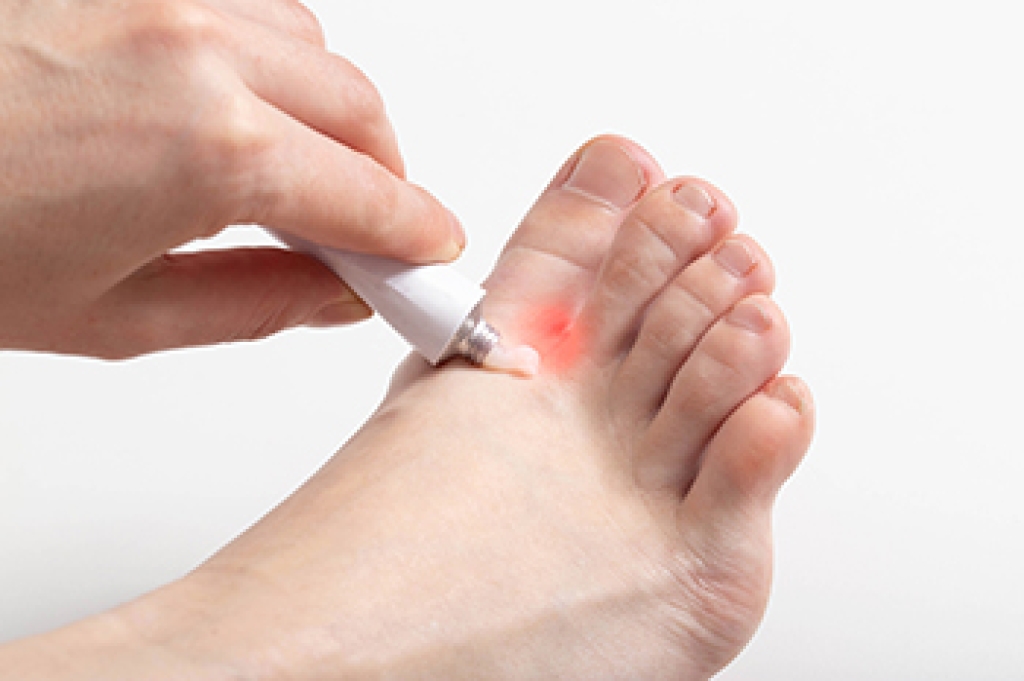
Athlete’s foot, medically known as tinea pedis, is a common and extremely contagious fungal infection that targets the skin on the feet, particularly the spaces between the toes. Among the primary indicators of athlete’s foot is persistent itching and burning sensations experienced between the toes and on the soles of the feet. The discomfort caused by this incessant itching can significantly impact daily activities, leading individuals to find relief through constant scratching or rubbing, which may serve to spread the infection. Redness and inflammation in the affected areas are also signs of athlete's foot. Prolonged exposure to moisture or heat, such as wearing sweaty shoes or walking barefoot in communal areas like public showers or pool areas, tends to exacerbate these symptoms. Peeling and cracking of the skin, especially in areas prone to excessive sweating or friction, are common occurrences in athlete’s foot. The skin may take on a dry, flaky appearance, resembling sunburn or dry skin, making diagnosis challenging without proper knowledge. In certain cases, athlete’s foot may result in blister formation, particularly when excess moisture is trapped within shoes or socks. Unlike blisters from other conditions, those caused by athlete's foot are typically smaller and may contain clear fluid or pus. It is vital not to pop these blisters, as doing so can increase the risk of infection. For help in managing the effects of athlete’s foot, it is suggested that you make an appointment with a podiatrist.

Athlete’s foot is an inconvenient condition that can be easily reduced with the proper treatment. If you have any concerns about your feet and ankles, contact Dr. Kennedy Legel from Advanced Foot & Ankle Care Specialists.  Our doctor will treat your foot and ankle needs.

Athlete’s Foot: The Sole Story

Athlete's foot, also known as tinea pedis, can be an extremely contagious foot infection. It is commonly contracted in public changing areas and bathrooms, dormitory style living quarters, around locker rooms and public swimming pools, or anywhere your feet often come into contact with other people.

Solutions to Combat Athlete’s Foot

  • Hydrate your feet by using lotion
  • Exfoliate
  • Buff off nails
  • Use of anti-fungal products
  • Examine your feet and visit your doctor if any suspicious blisters or cuts develop

Athlete’s foot can cause many irritating symptoms such as dry and flaking skin, itching, and redness. Some more severe symptoms can include bleeding and cracked skin, intense itching and burning, and even pain when walking. In the worst cases, Athlete’s foot can cause blistering as well. Speak to your podiatrist for a better understanding of the different causes of Athlete’s foot, as well as help in determining which treatment options are best for you.

If you have any questions please feel free to contact our office located in Dallas, TX . We offer the newest diagnostic and treatment technologies for all your foot and ankle needs.
Read more about Athlete's Foot

Less Invasive Bunion Surgery

Foot surgery is typically advised when less invasive treatments fail, or if the foot condition's long-term prognosis is poor. Patients often worry about perceived risks such as infection, swelling, and pain, as well as extended recovery periods impacting work and activities. However, these concerns are mainly linked to outdated surgical methods. Modern foot surgery, particularly minimally invasive techniques, uses smaller incisions and less surgical time, reducing postoperative risks and shortening recovery. For instance, bunion surgery has evolved from traditional open methods requiring larger incisions to keyhole surgeries with minimal incisions. This approach lessens infection risks, pain, and speeds up recovery. If you have a bunion or another foot condition that is not improving, it is suggested that you make an appointment with a podiatrist to see if you can benefit from minimally invasive foot surgery.

If you are suffering from bunions, contact Dr. Kennedy Legel of Advanced Foot & Ankle Care Specialists. Our doctor can provide the care you need to keep you pain-free and on your feet.

What Is a Bunion?

A bunion is formed of swollen tissue or an enlargement of boney growth, usually located at the base joint of the toe that connects to the foot. The swelling occurs due to the bones in the big toe shifting inward, which impacts the other toes of the foot. This causes the area around the base of the big toe to become inflamed and painful.

Why Do Bunions Form?

Genetics – Susceptibility to bunions are often hereditary

Stress on the feet – Poorly fitted and uncomfortable footwear that places stress on feet, such as heels, can worsen existing bunions

How Are Bunions Diagnosed?

Podiatrists often perform two tests – blood tests and x-rays – when trying to diagnose bunions, especially in the early stages of development. Blood tests help determine if the foot pain is being caused by something else, such as arthritis, while x-rays provide a clear picture of your bone structure to your provider.

How Are Bunions Treated?

  • Refrain from wearing heels or similar shoes that cause discomfort
  • Select wider shoes that can provide more comfort and reduce pain
  • Anti-inflammatory and pain management drugs
  • Orthotics or foot inserts
  • Surgery

If you have any questions, please feel free to contact our office located in Dallas, TX . We offer the newest diagnostic and treatment technologies for all your foot care needs.

Read more about Bunions

Warning Signs From Your Feet

The condition of your feet can offer valuable insights into your overall health. For instance, if your feet are persistently cold, it may signal hypothyroidism, a condition that slows your metabolism. Yellow toenails may be a sign of lymphedema or respiratory issues. Persistent yellowing warrants a visit to a podiatrist for a diagnosis and treatment options. Painful foot cramps can result from dehydration or nutrient deficiencies. It is a good idea to stay hydrated, maintain a balanced diet, and consider drinking low-calorie sports drinks with electrolytes to prevent and relieve foot cramps. An enlarged, painful big toe may indicate gout. This is a form of arthritis that often affects the big toe. It results from an overabundance of purines in the system and can cause flare ups of extreme pain, swelling, and redness in the big toe. Reducing the risk of gout involves moderating alcohol intake and avoiding red meat and seafood consumption. If you are experiencing unusual types of foot problems, or suspect you may have gout, it is suggested that you make an appointment with a podiatrist for a full diagnosis and treatment options.

Everyday foot care is very important to prevent infection and other foot ailments. If you need your feet checked, contact Dr. Kennedy Legel from Advanced Foot & Ankle Care Specialists. Our doctor can provide the care you need to keep you pain-free and on your feet.

Everyday Foot Care

Often, people take care of their bodies, face and hair more so than they do for their feet. But the feet are a very important aspect of our bodies, and one that we should pay more attention to. Without our feet, we would not be able to perform most daily tasks.

It is best to check your feet regularly to make sure there are no new bruises or cuts that you may not have noticed before. For dry feet, moisturizer can easily be a remedy and can be applied as often as necessary to the affected areas. Wearing shoes that fit well can also help you maintain good foot health, as well as making it easier to walk and do daily activities without the stress or pain of ill-fitting shoes, high heels, or even flip flops. Wearing clean socks with closed shoes is important to ensure that sweat and bacteria do not accumulate within the shoe. Clean socks help to prevent Athlete’s foot, fungi problems, bad odors, and can absorb sweat.

If you have any questions, please feel free to contact our office located in Dallas, TX . We offer the newest diagnostic and treatment technologies for all your foot care needs.

Read more about Every Day Foot Care

Reminder: When Was the Last Time...?

Custom orthotics, or shoe inserts, should be periodically replaced. Orthotics must fit properly to give you the best results. Protect your feet and ankles!

Developmental Milestones and Children’s Feet

Children's feet go through remarkable transformations, shifting from their spongy, soft state in the pre-crawling phase, to rapidly growing during their initial years. As children move into the crawling stage, their feet become more delicate, and soft, protective footwear is suggested. When they take their first steps, the need for proper walking shoes arises, given the fast bone development. Entering pre-school, kids are more active, necessitating diverse shoe styles. By school age, feet have evolved significantly, and shoes should be sought for increased activity. To ensure the well-being of your child's developing feet and proper shoes for each milestone achieved, it is suggested that you make an appointment with a podiatrist for guidance on proper foot care that will benefit them throughout life.

The health of a child’s feet is vital to their overall well-being. If you have any questions regarding foot health, contact Dr. Kennedy Legel of Advanced Foot & Ankle Care Specialists. Our doctor can provide the care you need to keep you pain-free and on your feet.

Tips for Keeping Children's Feet Healthy

  • Make sure their shoes fit properly
  • Look for any signs of in-toeing or out-toeing
  • Check to see if they have Clubfoot (condition that affects your child’s foot and ankle, twisting the heel and toes inward) which is one of the most common nonmajor birth defects.
  • Lightly cover your baby’s feet (Tight covers may keep your baby from moving their feet freely, and could prevent normal development)
  • Allow your toddler to go shoeless (Shoes can be restricting for a young child’s foot)
  • Cut toenails straight across to avoid ingrown toenails
  • Keep your child’s foot clean and dry
  • Cover cuts and scrapes. Wash any scratches with soap and water and cover them with a bandage until they’ve healed.

If you have any questions, please feel free to contact our office located in Dallas, TX . We offer the newest diagnostic and treatment technologies for all your foot care needs.

Read more about What to Do to Keep Your Child’s Feet Healthy
scroll to top