
You don't need an excuse to have beautiful nails. Step outside without worrying about the appearance of your feet.
You don't need an excuse to have beautiful nails. Step outside without worrying about the appearance of your feet.
 There are methods that can be implemented which may be beneficial in promoting good health care for your children’s feet. Research has indicated the importance of having your child walk barefoot while indoors, as this may help to strengthen their feet. Additionally, when toenails are properly trimmed, it may prevent painful conditions such as ingrown toenails from developing. When toddlers are ready to walk outside, accurately sized shoes can be purchased when their feet are measured correctly and frequently. Additionally, it is important to have your child wear the right type of socks, as this may be helpful in preventing circulation problems. If you would like additional information about how to take care of children’s feet, please consult with a podiatrist.
Making sure that your children maintain good foot health is very important as they grow. If you have any questions, contact Dr. Kennedy Legel of Advanced Foot & Ankle Care Specialists. Our doctor can provide the care you need to keep you pain-free and on your feet.
Keeping Children's Feet Healthy
Having healthy feet during childhood can help prevent medical problems later in life, namely in the back and legs. As children grow, their feet require different types of care. Here are some things to consider...
Although babies do not walk yet, it is still very important to take care of their feet.
Avoid putting tight shoes or socks on his or her feet.
Allow the baby to stretch and kick his or her feet to feel comfortable.
As a toddler, kids are now on the move and begin to develop differently. At this age, toddlers are getting a feel for walking, so don’t be alarmed if your toddler is unsteady or ‘walks funny’.
As your child gets older, it is important to teach them how to take care of their feet.
Show them proper hygiene to prevent infections such as fungus.
Be watchful for any pain or injury.
Have all injuries checked by a doctor as soon as possible.
Comfortable, protective shoes should always be worn, especially at play.
If you have any questions, please feel free to contact our office located in Dallas, TX . We offer the newest diagnostic and treatment technologies for all your foot care needs.
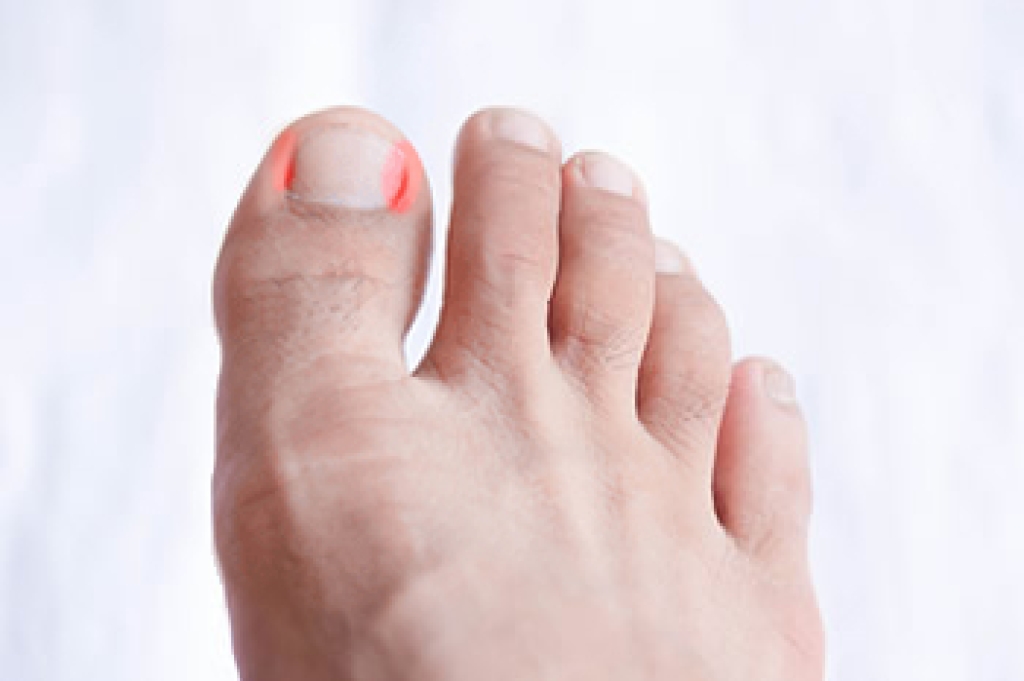
An ingrown toenail is a foot condition that can cause severe pain and discomfort. It occurs as a result of the nail growing into the skin instead of over it. This ailment typically happens to the big toe, and may make the area look red and swollen. A common cause for ingrown toenails to develop can include wearing shoes that do not have adequate room for the toes to move freely in. Additionally, this condition may develop from improperly trimming the toenails. Patients may find mild relief when the affected foot is soaked in warm water several times per day. This may be helpful in lifting the nail away from the skin with a small piece of cotton. For severely infected ingrown toenails, it is suggested that you schedule a consultation with a podiatrist who can provide the necessary treatment for recovery.
Ingrown toenails may initially present themselves as a minor discomfort, but they may progress into an infection in the skin without proper treatment. For more information about ingrown toenails, contact Dr. Kennedy Legel of Advanced Foot & Ankle Care Specialists. Our doctor can provide the care you need to keep you pain-free and on your feet.
Ingrown Toenails
Ingrown toenails are caused when the corner or side of a toenail grows into the soft flesh surrounding it. They often result in redness, swelling, pain, and in some cases, infection. This condition typically affects the big toe and may recur if it is not treated properly.
Causes
You are more likely to develop an ingrown toenail if you are obese, have diabetes, arthritis, or have any fungal infection in your nails. Additionally, people who have foot or toe deformities are at a higher risk of developing an ingrown toenail.
Symptoms
Some symptoms of ingrown toenails are redness, swelling, and pain. In rare cases, there may be a yellowish drainage coming from the nail.
Treatment
Ignoring an ingrown toenail can have serious complications. Infections of the nail border can progress to a deeper soft-tissue infection, which can then turn into a bone infection. You should always speak with your podiatrist if you suspect you have an ingrown toenail, especially if you have diabetes or poor circulation.
If you have any questions, please feel free to contact our office located in Dallas, TX . We offer the newest diagnostic and treatment technologies for all your foot care needs.
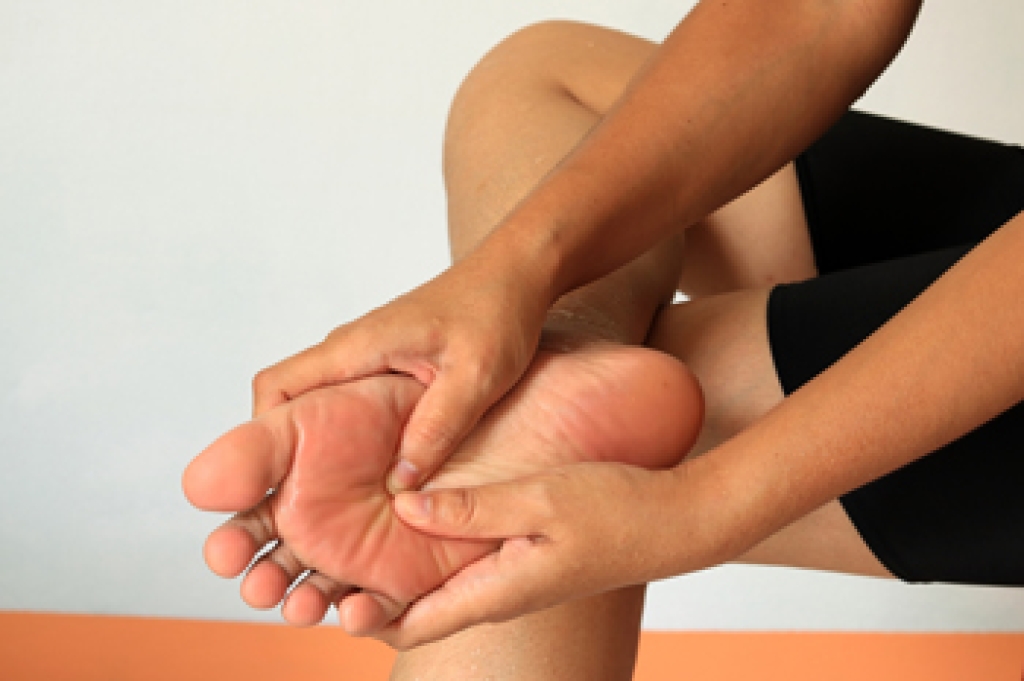 The sesamoid bones in the body are typically linked together by tendons, which differs from other bones that are connected by joints. There are two small bones that are located on the side and bottom of the foot, and they help to move the big toe. If these bones become damaged from overuse, the condition that is referred to as sesamoiditis may occur. Some of the symptoms that are associated with this ailment can consist of difficulty in moving the big toe, feeling pain on the bottom of the foot, and swelling or bruising of the affected area. After a proper diagnosis is performed, which generally consists of having an X-ray or MRI taken, the correct treatment can begin. This can start with temporarily stopping the activity that may have caused the pain, and wearing shoes that are comfortable, preferably with a low heel. If you feel you have injured your sesamoid bones, it is advised that you seek the counsel of a podiatrist.
Sesamoiditis is an unpleasant foot condition characterized by pain in the balls of the feet. If you think you’re struggling with sesamoiditis, contact Dr. Kennedy Legel of Advanced Foot & Ankle Care Specialists. Our doctor will treat your condition thoroughly and effectively.
Sesamoiditis
Sesamoiditis is a condition of the foot that affects the ball of the foot. It is more common in younger people than it is in older people. It can also occur with people who have begun a new exercise program, since their bodies are adjusting to the new physical regimen. Pain may also be caused by the inflammation of tendons surrounding the bones. It is important to seek treatment in its early stages because if you ignore the pain, this condition can lead to more serious problems such as severe irritation and bone fractures.
Causes of Sesamoiditis
Treatment for sesamoiditis is non-invasive and simple. Doctors may recommend a strict rest period where the patient forgoes most physical activity. This will help give the patient time to heal their feet through limited activity. For serious cases, it is best to speak with your doctor to determine a treatment option that will help your specific needs.
If you have any questions, please feel free to contact our office located in Dallas, TX . We offer the newest diagnostic and treatment technologies for all your foot care needs.
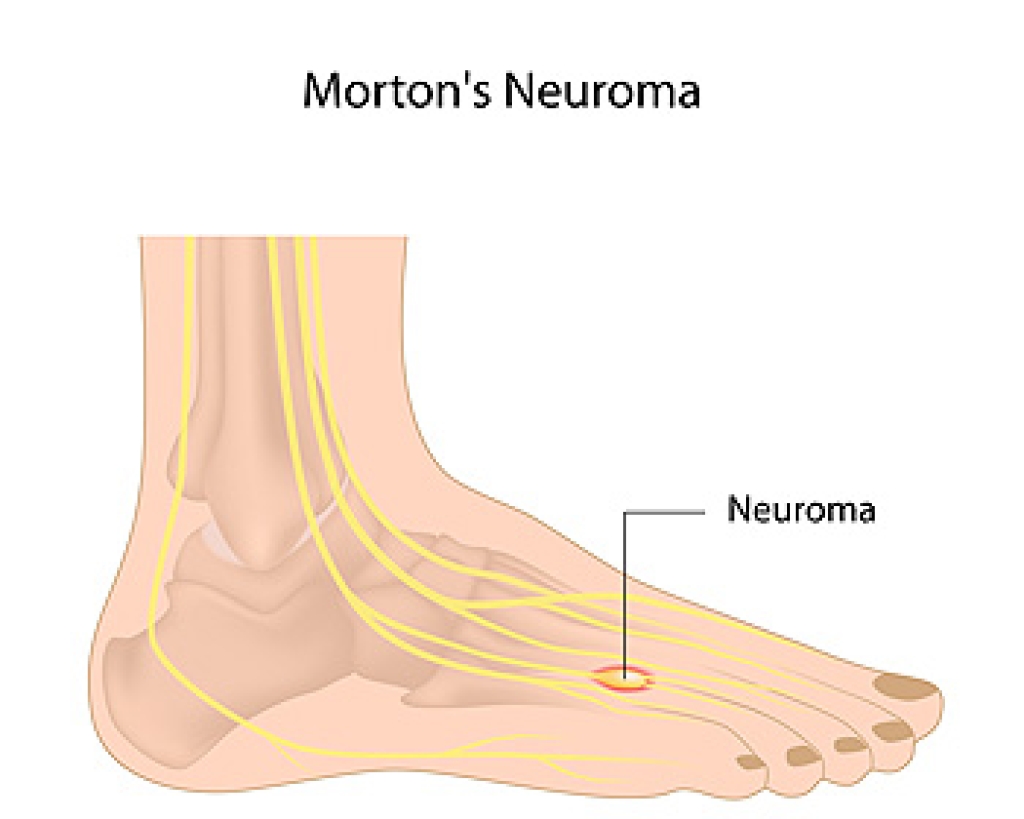
A pinched nerve that is located between the toes may be referred to as Morton’s Neuroma. It may occur as a result of an injury that happened to the foot, and the pain that is felt is generally on the ball of the foot as it radiates from the toes. When a diagnosis is performed, the range of motion is checked, and this is helpful in looking for arthritis or inflamed joints. Additionally, it is important that an X-ray or MRI is performed, as this may be beneficial in ruling out other ailments. Moderate relief may be found when the correct shoes are worn, and it may help to add support to the affected area by taping the foot. If you are afflicted with Morton’s Neuroma, it is advised that you speak to a podiatrist who can guide you toward the proper treatment, which may include surgery.
Morton’s neuroma is a very uncomfortable condition to live with. If you think you have Morton’s neuroma, contact Dr. Kennedy Legel of Advanced Foot & Ankle Care Specialists. Our doctor will attend to all of your foot care needs and answer any of your related questions.
Morton’s Neuroma
Morton's neuroma is a painful foot condition that commonly affects the areas between the second and third or third and fourth toe, although other areas of the foot are also susceptible. Morton’s neuroma is caused by an inflamed nerve in the foot that is being squeezed and aggravated by surrounding bones.
What Increases the Chances of Having Morton’s Neuroma?
Morton’s neuroma is a very treatable condition. Orthotics and shoe inserts can often be used to alleviate the pain on the forefront of the feet. In more severe cases, corticosteroids can also be prescribed. In order to figure out the best treatment for your neuroma, it’s recommended to seek the care of a podiatrist who can diagnose your condition and provide different treatment options.
If you have any questions, please feel free to contact our office located in Dallas, TX . We offer the newest diagnostic and treatment technologies for all your foot care needs.
