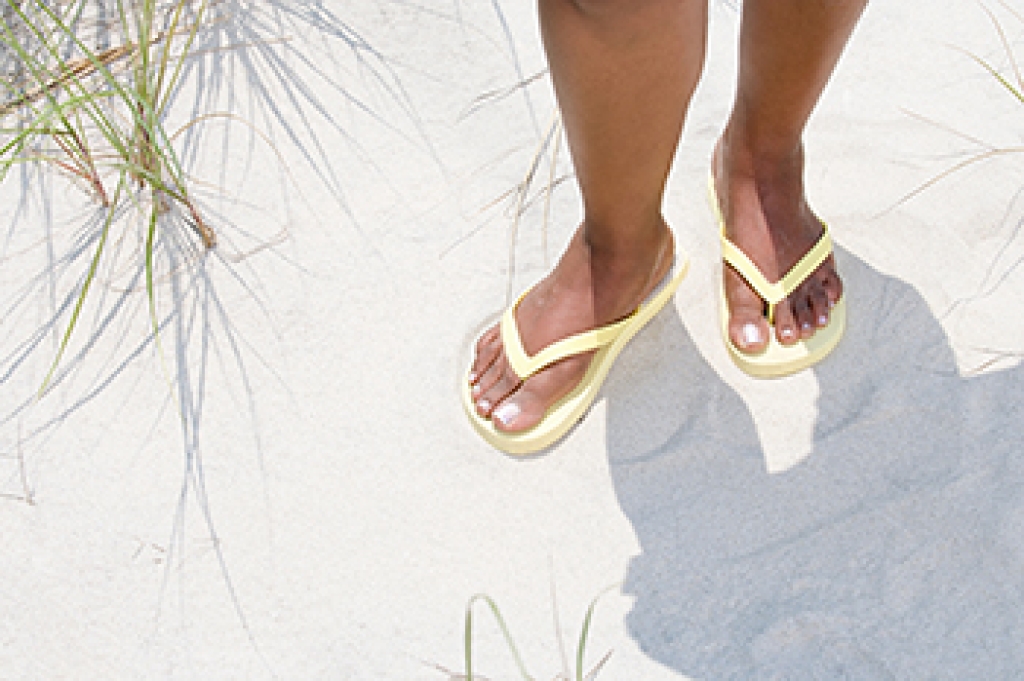
Flip Flops May Damage Diabetic Feet

Flip flops are a type of shoe that is popular to wear during the summer months. There are a variety of styles and colors to choose from and they are simple to wear. Many people enjoy wearing flip flops, despite the fact these types of shoes have little or no arch support. Foot conditions may develop as a result of this, and can cause pain and discomfort. Diabetic patients in particular may be more susceptible to the negative effects of flip flops. Plantar fasciitis affects the heel and sole of the foot, and may gradually occur from wearing shoes that have inadequate arch support. Mild relief may be found when the bottom of the foot is stretched. This can be accomplished by standing on a step while gently lowering one heel at a time. Additionally, many patients find it beneficial to roll the sole of the foot on a tennis ball which is effective in stretching the plantar fascia. If you have questions about how flip flops can affect the feet, it is suggested that you confer with a podiatrist.

Flip-flops are not always the best choice of footwear. If you have any concerns about your feet or ankles, contact Dr. Kennedy Legel from Advanced Foot & Ankle Care Specialists. Our doctor will assist you with all of your foot and ankle needs.

Flip-Flops and Feet

When the weather starts warming up, people enjoy wearing flip-flops.  Flip-flops are comfortable, stylish, and easy to slip on and off; they're perfect for any summer beach goer.  However, these shoes can cause harm to the feet.

How Can Flip-Flops Affect Me Long-Term?

  • Ankle problems
  • Hip problems
  • Lower back problems
  • Pain in the balls of the feet
  • Problems with foot arches
  • Changes in the way you walk

Are There Injuries Associated with Flip-Flops?

Yes.  Since flip-flops are relatively weak and do not provide the same amount of support as sneakers, people who wear flip-flops regularly are more susceptible to injuries. On top of that, the open nature of the shoe makes your feet more prone to other problems, such as cuts and even infections.  Common injuries and ailments include:

  • Sprained ankles
  • Blisters
  • Infections
  • Cuts and Scrapes

I like Wearing Flip-Flops. Are There Safe Alternatives?

When buying flip-flops, try to find ones that have sturdy soles and that are made of high-quality materials that will support for your feet.  These flip-flops will cost more but will also last longer as a result.

If you have any questions, please feel free to contact our office located in Dallas, TX . We offer the newest diagnostic and treatment technologies for all your foot care needs.

Read more about Flip Flops and Feet

Heel Pain Can Be Treated!

Do you suffer from heel pain when you get up in the morning? If so, you should seek professional help and have a proper diagnosis performed. Heel pain can be caused by several different foot-related conditions.

How Are Broken Toes Diagnosed?

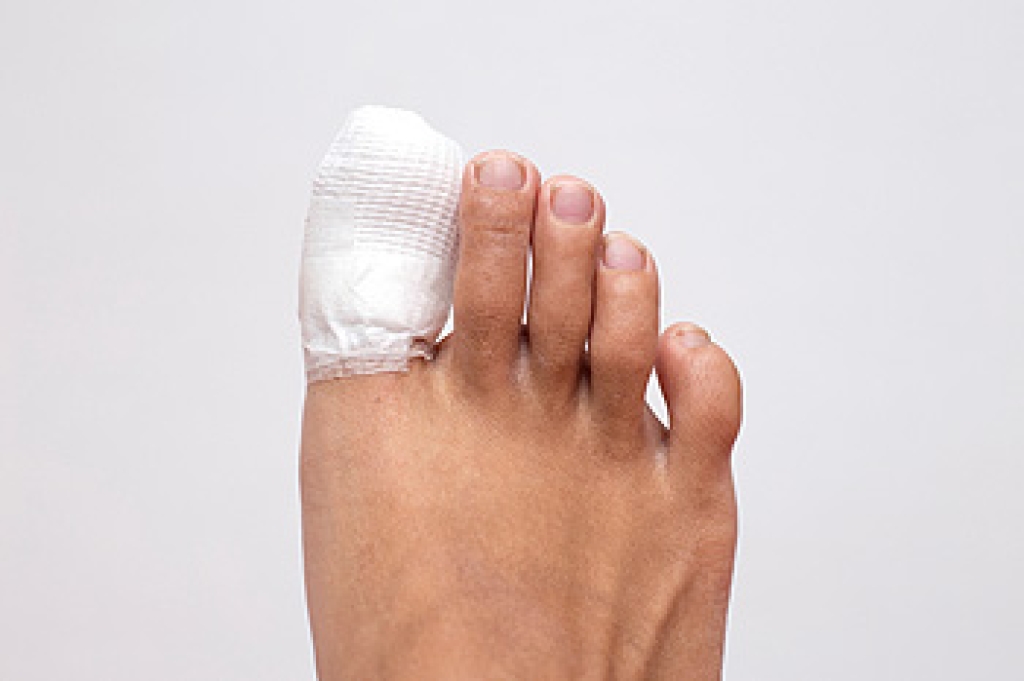
Broken toes and sprained toes are sometimes confused with each other. However, broken toes are far more serious because an untreated toe fracture can hinder your ability to walk, increase your risk of developing arthritis and be extremely painful. The characteristic symptoms of a broken toe that differentiate it from a sprain include localized throbbing pain at the fracture site, hearing a cracking sound at the time of injury, swelling, and bruising. If you suspect that you may have broken your toe, it is recommended that you visit a podiatrist. Broken toes are typically diagnosed using an X-ray and physical examination. The doctor may need to take multiple X-ray images to determine the location and extent of the break. For more information about broken toes, please consult with a podiatrist.

Broken toes may cause a lot of pain and should be treated as soon as possible. If you have any concerns about your feet, contact Dr. Kennedy Legel from Advanced Foot & Ankle Care Specialists. Our doctor will treat your foot and ankle needs.

What Is a Broken Toe?

A broken toe occurs when one or more of the toe bones of the foot are broken after an injury. Injuries such as stubbing your toe or dropping a heavy object on it may cause a toe fracture.

Symptoms of a Broken Toe

  • Swelling
  • Pain (with/without wearing shoes)
  • Stiffness
  • Nail Injury

Although the injured toe should be monitored daily, it is especially important to have a podiatrist look at your toe if you have severe symptoms. Some of these symptoms include worsening or new pain that is not relieved with medication, sores, redness, or open wounds near the toe.

If you have any questions please feel free to contact our office located in Dallas, TX . We offer the newest diagnostic tools and technology to treat your foot and ankle needs.

Read more about What to Know About a Broken Toe

Falling Can Injure The Feet

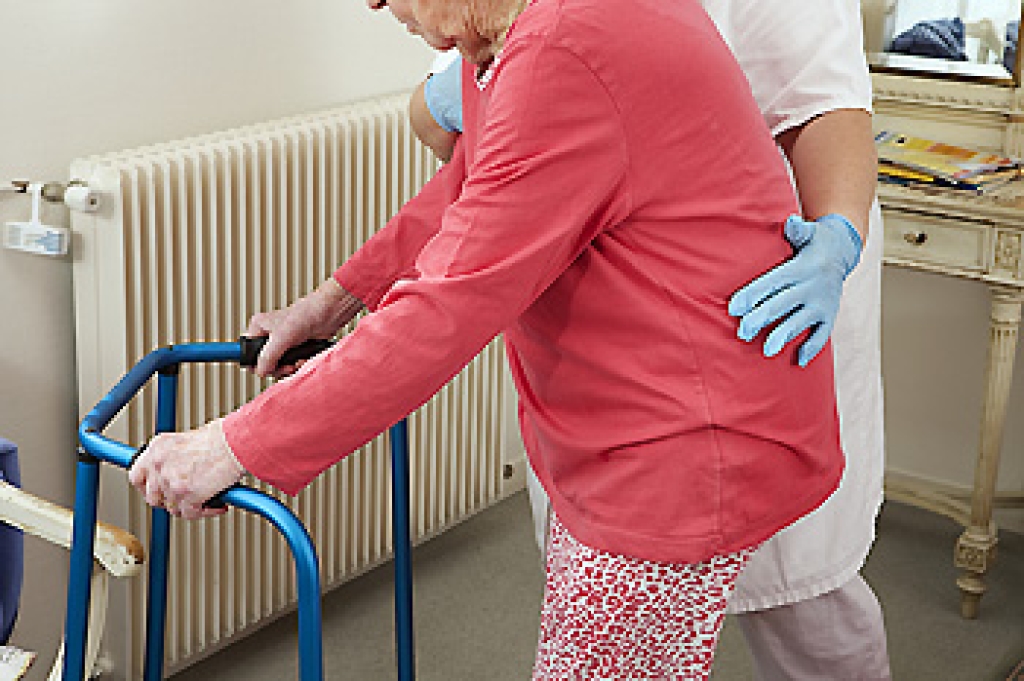
The number of falls that occur in elderly people worldwide increases every year. Research has indicated this may lead to foot injuries that can make it difficult to complete every day activities. Many falls happen in the home, and there are methods that can be implemented that can help to prevent falling. These can include removing worn rugs from the living area, and improving lighting in the household. Additionally, it is helpful to receive annual physical examinations in which existing medications are reviewed. Many patients find it helpful to install grab bars in the toilet and shower area, and falls may be minimized when a bathmat is placed on the shower floor. Please review fall prevention techniques with a podiatrist who can help you to prevent painful foot injuries.

Preventing falls among the elderly is very important. If you are older and have fallen or fear that you are prone to falling, consult with Dr. Kennedy Legel from Advanced Foot & Ankle Care Specialists. Our doctor will assess your condition and provide you with quality advice and care.

Every 11 seconds, an elderly American is being treated in an emergency room for a fall related injury. Falls are the leading cause of head and hip injuries for those 65 and older. Due to decreases in strength, balance, senses, and lack of awareness, elderly persons are very susceptible to falling. Thankfully, there are a number of things older persons can do to prevent falls.

How to Prevent Falls

Some effective methods that older persons can do to prevent falls include:

  • Enrolling in strength and balance exercise program to increase balance and strength
  • Periodically having your sight and hearing checked
  • Discuss any medications you have with a doctor to see if it increases the risk of falling
  • Clearing the house of falling hazards and installing devices like grab bars and railings
  • Utilizing a walker or cane
  • Wearing shoes that provide good support and cushioning
  • Talking to family members about falling and increasing awareness

Falling can be a traumatic and embarrassing experience for elderly persons; this can make them less willing to leave the house, and less willing to talk to someone about their fears of falling. Doing such things, however, will increase the likelihood of tripping or losing one’s balance. Knowing the causes of falling and how to prevent them is the best way to mitigate the risk of serious injury.  

If you have any questions, please feel free to contact our office located in Dallas, TX . We offer the newest diagnostic and treatment technologies for all your foot care needs.
Read more about Falls Prevention

Nerves Affected by Peripheral Neuropathy

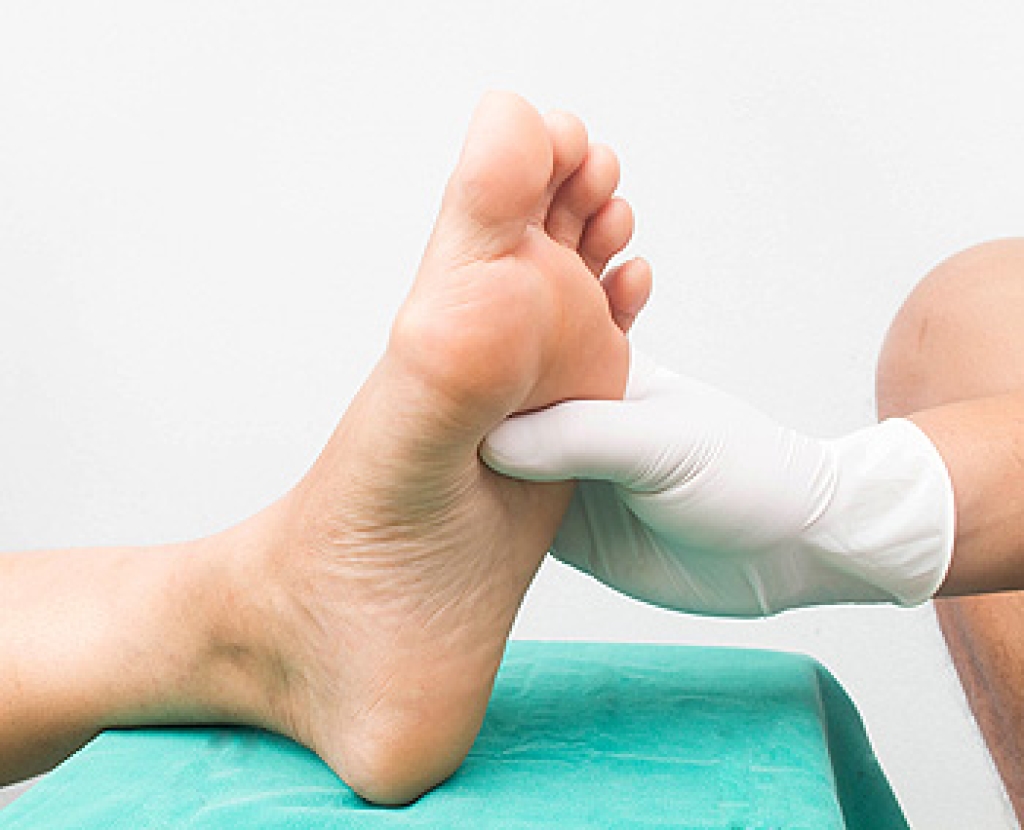
Peripheral neuropathy is a condition in which the nerves of the peripheral nervous system become damaged or diseased. These nerves are responsible for sending messages from the brain and spinal cord to the rest of the body. The nerves of the feet are often affected as well. Every nerve in your peripheral system has a specific function. Motor nerve neuropathy affects the nerves responsible for muscle movement, while sensory neuropathy affects the nerves responsible for feeling sensation. Autonomic nerves control functions such as blood pressure, heart rate, and digestion. Symptoms vary based on the type of neuropathy that you have. Broadly, the symptoms one might experience due to peripheral neuropathy include burning, prickling, or tingling sensations in the feet, sharp pains, numbness, and muscle weakness. If you think that you are afflicted with peripheral neuropathy in your feet, it is suggested that you see a podiatrist for treatment.   

Neuropathy

Neuropathy can be a potentially serious condition, especially if it is left undiagnosed. If you have any concerns that you may be experiencing nerve loss in your feet, consult with Dr. Kennedy Legel from Advanced Foot & Ankle Care Specialists. Our doctor will assess your condition and provide you with quality foot and ankle treatment for neuropathy.

What Is Neuropathy?

Neuropathy is a condition that leads to damage to the nerves in the body. Peripheral neuropathy, or neuropathy that affects your peripheral nervous system, usually occurs in the feet. Neuropathy can be triggered by a number of different causes. Such causes include diabetes, infections, cancers, disorders, and toxic substances.

Symptoms of Neuropathy Include:

  • Numbness
  • Sensation loss
  • Prickling and tingling sensations
  • Throbbing, freezing, burning pains
  • Muscle weakness

Those with diabetes are at serious risk due to being unable to feel an ulcer on their feet. Diabetics usually also suffer from poor blood circulation. This can lead to the wound not healing, infections occurring, and the limb may have to be amputated.

Treatment

To treat neuropathy in the foot, podiatrists will first diagnose the cause of the neuropathy. Figuring out the underlying cause of the neuropathy will allow the podiatrist to prescribe the best treatment, whether it be caused by diabetes, toxic substance exposure, infection, etc. If the nerve has not died, then it’s possible that sensation may be able to return to the foot.

Pain medication may be issued for pain. Electrical nerve stimulation can be used to stimulate nerves. If the neuropathy is caused from pressure on the nerves, then surgery may be necessary.

If you have any questions, please feel free to contact our office located in Dallas, TX . We offer the newest diagnostic and treatment technologies for all your foot care needs.
Read more about Neuropathy
scroll to top