What Causes Adult-Onset Flat Feet?

It is not unusual for adults to develop flat feet as they age, even though they never had the problem before. Although this condition often affects only one foot, it sometimes occurs in both. Its main cause is changes to the posterior tibial tendon that limit its ability to lift the arch of your foot. Unfortunately, this dysfunction is progressive and usually worsens if not treated. Overuse of the tendon by walking, running, hiking or climbing stairs, is often the main cause. You may start to experience pain, swelling, a flattening of the arch and an inward rolling of your ankle. Eventually, the pain will increase, accompanied by swelling and redness. In the worst cases arthritis may develop. Several non-surgical treatments are available, including braces, orthotics, wearing a cast, and taking medication. In some cases surgery may be required. If you think you may be developing flat feet, it is suggested that you consult a podiatrist at  your earliest convenience for a complete examination and to discuss appropriate treatment options.

Flatfoot is a condition many people suffer from. If you have flat feet, contact Dr. Kennedy Legel from Advanced Foot & Ankle Care Specialists. Our doctor will treat your foot and ankle needs.

What Are Flat Feet?

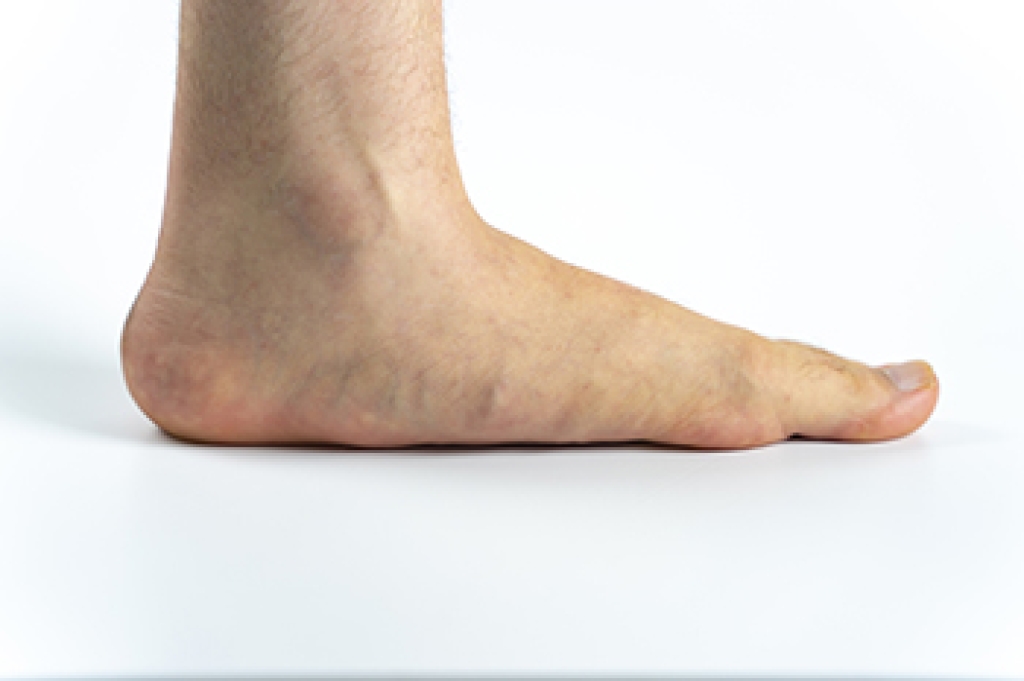
Flatfoot is a condition in which the arch of the foot is depressed and the sole of the foot is almost completely in contact with the ground. About 20-30% of the population generally has flat feet because their arches never formed during growth.

Conditions & Problems:

Having flat feet makes it difficult to run or walk because of the stress placed on the ankles.

Alignment – The general alignment of your legs can be disrupted, because the ankles move inward which can cause major discomfort.

Knees – If you have complications with your knees, flat feet can be a contributor to arthritis in that area.  

Symptoms

  • Pain around the heel or arch area
  • Trouble standing on the tip toe
  • Swelling around the inside of the ankle
  • Flat look to one or both feet
  • Having your shoes feel uneven when worn

Treatment

If you are experiencing pain and stress on the foot you may weaken the posterior tibial tendon, which runs around the inside of the ankle. 

If you have any questions, please feel free to contact our office located in Dallas, TX . We offer the newest diagnostic and treatment technologies for all your foot care needs.

Read more about Flat Feet

Ways the Achilles Tendon Can Be Injured

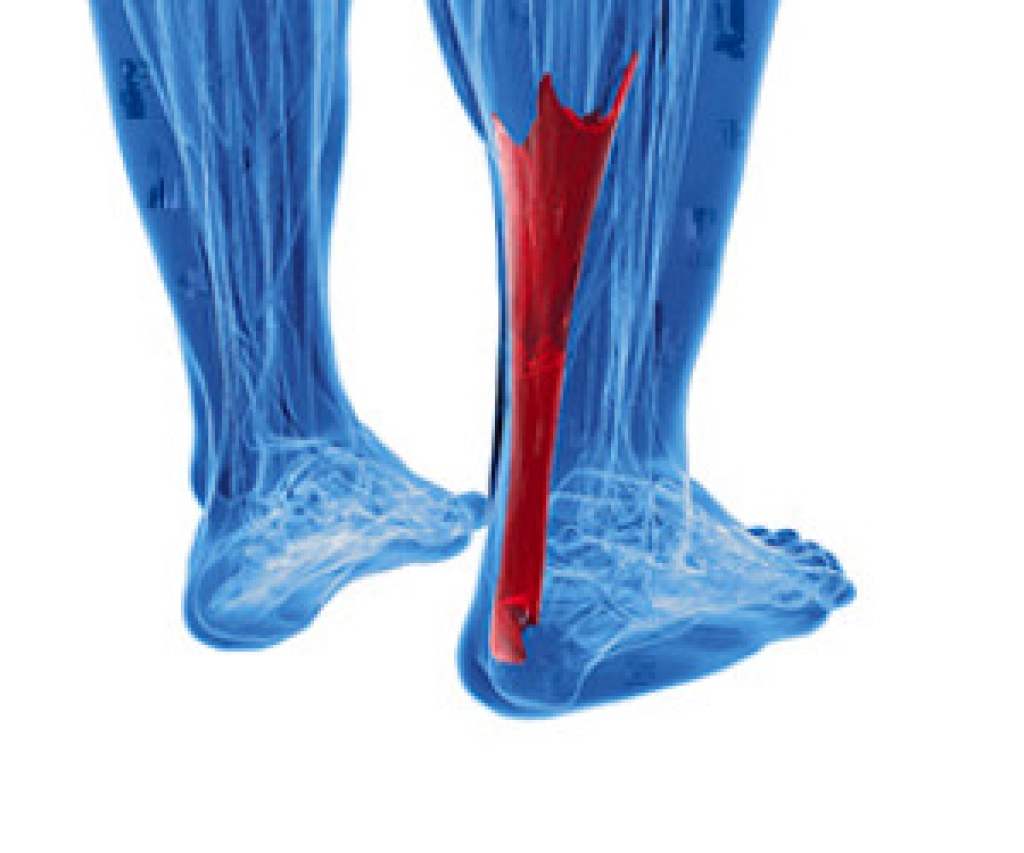
The Achilles tendon connects the calf muscle to the heel bone at the back of the leg. The tendon allows you to push off when walking or running as well as raising up onto your toes. One type of Achilles tendon injury is known as Achilles tendinopathy. This occurs when there are small tears in the tendon as a result of overuse. Another very common injury that may occur is known as an Achilles tendon rupture. This usually happens when there is a sudden movement that puts too much stress on the calf muscle. This type of injury can cause instant pain and loss of movement, and a popping sound may be heard at the time of injury. If you notice pain in your Achilles tendon area, it is a good idea to consult with a podiatrist because of the severity of the potential issues.   

Achilles tendon injuries need immediate attention to avoid future complications. If you have any concerns, contact Dr. Kennedy Legel of Advanced Foot & Ankle Care Specialists. Our doctor can provide the care you need to keep you pain-free and on your feet.

What Is the Achilles Tendon?

The Achilles tendon is a tendon that connects the lower leg muscles and calf to the heel of the foot. It is the strongest tendon in the human body and is essential for making movement possible. Because this tendon is such an integral part of the body, any injuries to it can create immense difficulties and should immediately be presented to a doctor.

What Are the Symptoms of an Achilles Tendon Injury?

There are various types of injuries that can affect the Achilles tendon. The two most common injuries are Achilles tendinitis and ruptures of the tendon.

Achilles Tendinitis Symptoms

  • Inflammation
  • Dull to severe pain
  • Increased blood flow to the tendon
  • Thickening of the tendon

Rupture Symptoms

  • Extreme pain and swelling in the foot
  • Total immobility

Treatment and Prevention

Achilles tendon injuries are diagnosed by a thorough physical evaluation, which can include an MRI. Treatment involves rest, physical therapy, and in some cases, surgery. However, various preventative measures can be taken to avoid these injuries, such as:

  • Thorough stretching of the tendon before and after exercise
  • Strengthening exercises like calf raises, squats, leg curls, leg extensions, leg raises, lunges, and leg presses

If you have any questions please feel free to contact our office located in Dallas, TX . We offer the newest diagnostic tools and technology to treat your foot and ankle needs.

Read more about What are Achilles Tendon Injuries

Heel Pain Can Be Treated!

Do you suffer from heel pain when you get up in the morning? If so, you should seek professional help and have a proper diagnosis performed. Heel pain can be caused by several different foot-related conditions.

What Is Plantar Fasciitis?

The band of tissue that supports the arch, running along the bottom of the foot and connecting the heel to the toes, is known as the plantar fascia. When this ligament becomes inflamed or strained, the injury is known as plantar fasciitis. Plantar fasciitis is the most common cause of heel pain. Patients who are commonly affected by plantar fasciitis include those who are middle aged, frequently on their feet, overweight, or have tight Achilles tendons. Plantar fasciitis is usually at its worst in the morning after getting out of bed or after resting for a long period of time. If you are suffering from heel pain that may be plantar fasciitis, it’s suggested that you consult with a podiatrist for a proper diagnosis of your pain and effective treatment plan.

Plantar fasciitis can be very painful and inconvenient. If you are experiencing heel pain or symptoms of plantar fasciitis, contact Dr. Kennedy Legel  from Advanced Foot & Ankle Care Specialists. Our doctor can provide the care you need to keep you pain-free and on your feet.

What Is Plantar Fasciitis?

Plantar fasciitis is the inflammation of the thick band of tissue that runs along the bottom of your foot, known as the plantar fascia, and causes mild to severe heel pain.

What Causes Plantar Fasciitis?

  • Excessive running
  • Non-supportive shoes
  • Overpronation
  • Repeated stretching and tearing of the plantar fascia

How Can It Be Treated?

  • Conservative measures – anti-inflammatories, ice packs, stretching exercises, physical therapy, orthotic devices
  • Shockwave therapy – sound waves are sent to the affected area to facilitate healing and are usually used for chronic cases of plantar fasciitis
  • Surgery – usually only used as a last resort when all else fails. The plantar fascia can be surgically detached from the heel

While very treatable, plantar fasciitis is definitely not something that should be ignored. Especially in severe cases, speaking to your doctor right away is highly recommended to avoid complications and severe heel pain. Your podiatrist can work with you to provide the appropriate treatment options tailored to your condition.

If you have any questions, please feel free to contact our office located in Dallas, TX . We offer the newest diagnostic and treatment technologies for all your foot care needs.

Read more about Plantar Fasciitis

Why Are My Toenails Yellow?

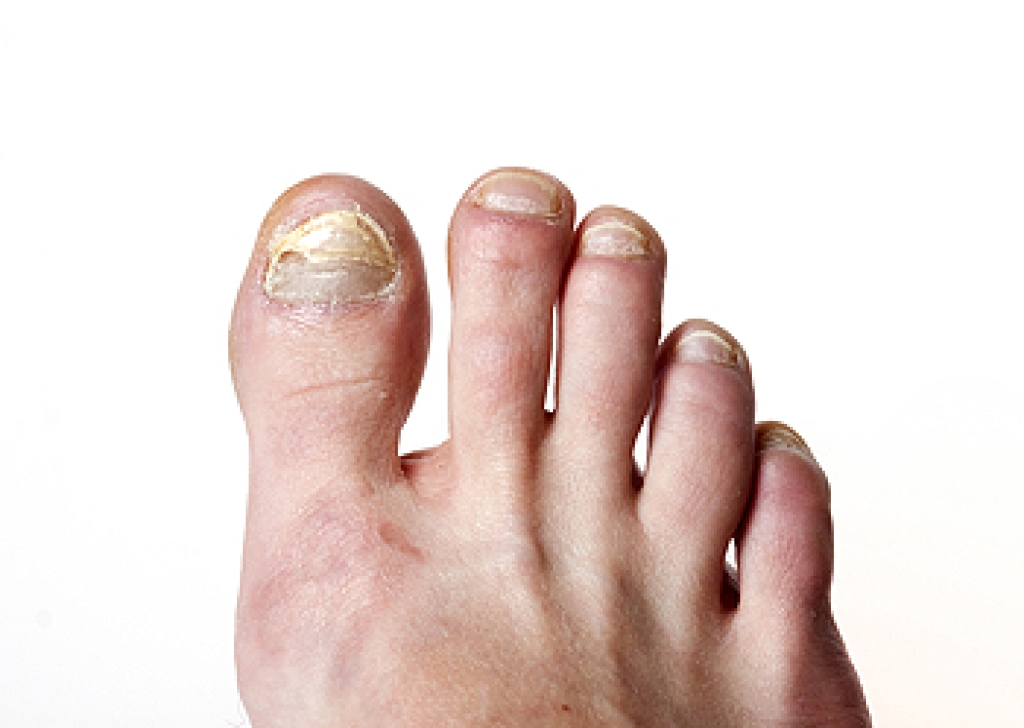
A common cause for yellow toenails is toenail fungus, however, it may be indicative of other conditions such as diabetes, psoriasis, yellow nail syndrome, lymphedema, lung problems, or jaundice. Fungal nail infections may also present symptoms such as thickened, hardened, and brittle nails, and the nail may even lift from the nail bed and emit a foul odor. Wearing shoes may cause pain or discomfort as well. This infection of the toenail (onychomycosis) is typically caused by the dermatophytes fungi in temperate climates, or non-dermatophytic moulds or candida in more tropical environments. Fungal nail infections may be brought on by exposure to the fungi that is living in public areas which are damp and warm such as communal showers, locker rooms, pools and gyms. Ill-fitting footwear, excessive sweating of the feet, brittle nails due to age, as well as injury, psoriasis, or other skin conditions may also increase a person’s risk for developing a fungal nail infection. Treating fungal nail infections is best handled by a podiatrist as the fungi are hearty and hard to kill entirely and promptly without professional care. If you have toenail fungus, make an appointment with a podiatrist. They may use prescription, oral and/or topical antifungal medications, laser therapy, as well as other treatments to help resolve your issue.

If left untreated, toenail fungus may spread to other toenails, skin, or even fingernails. If you suspect you have toenail fungus it is important to seek treatment right away. For more information about treatment, contact Dr. Kennedy Legel of Advanced Foot & Ankle Care Specialists. Our doctor can provide the care you need to keep you pain-free and on your feet.

Symptoms

  • Warped or oddly shaped nails
  • Yellowish nails
  • Loose/separated nail
  • Buildup of bits and pieces of nail fragments under the nail
  • Brittle, broken, thickened nail

Treatment

If self-care strategies and over-the-counter medications does not help your fungus, your podiatrist may give you a prescription drug instead. Even if you find relief from your toenail fungus symptoms, you may experience a repeat infection in the future.

Prevention

In order to prevent getting toenail fungus in the future, you should always make sure to wash your feet with soap and water. After washing, it is important to dry your feet thoroughly especially in between the toes. When trimming your toenails, be sure to trim straight across instead of in a rounded shape. It is crucial not to cover up discolored nails with nail polish because that will prevent your nail from being able to “breathe”.

In some cases, surgical procedure may be needed to remove the toenail fungus. Consult with your podiatrist about the best treatment options for your case of toenail fungus.  

If you have any questions please contact our office located in Dallas, TX . We offer the newest diagnostic and treatment technologies for all your foot and ankle needs.

Read more about Toenail Fungus
scroll to top