Dealing With Athlete’s Foot

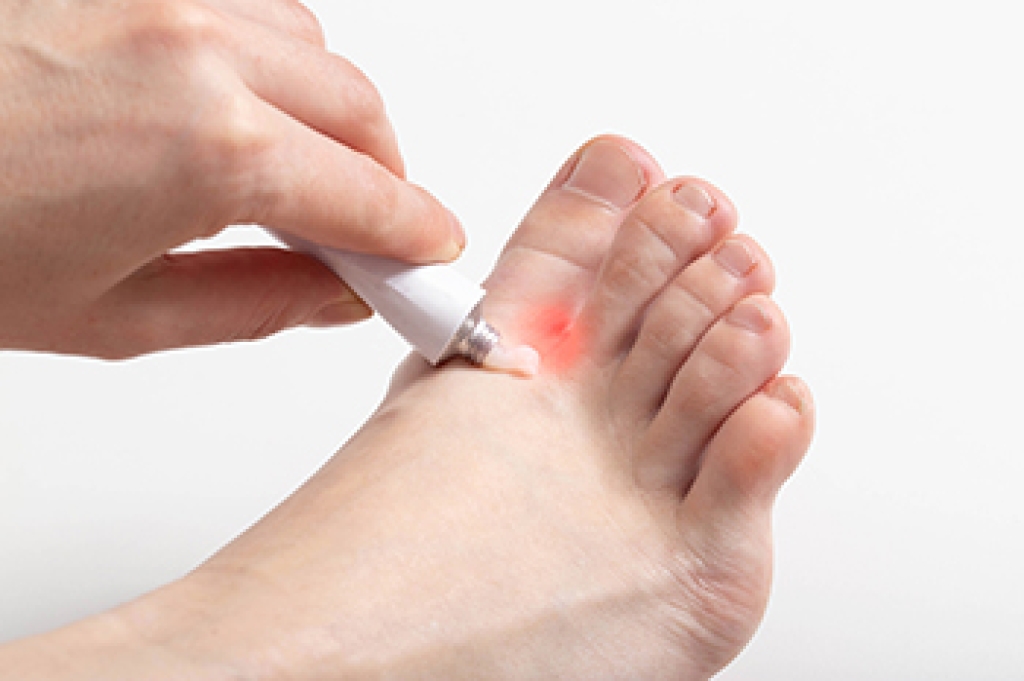
Tinea is a fungus that feeds on skin, hair, and nails. Many people are familiar with athlete’s foot, also called tinea pedis. This fungal infection grows in the moist skin between the toes. Symptoms include redness, itching, and scaly or oozing skin. Athlete’s foot is highly contagious, often contracted by walking barefoot on wet floors in public showers, gym locker rooms, or swimming pool areas. In some cases, it can spread to the toenails, termed tinea unguium. This results in nails that are thick and crumbling. Be careful not to touch the infected areas of your feet, because the fungus can be easily spread to the hands, face, and other body parts. Athlete’s foot can be treated with a variety of lotions, creams, and medications. Prevention, however, is the best cure. Wear protective foot coverings in places where tinea thrives, and avoid sharing towels, foot coverings, or socks with others. Dry your feet thoroughly, especially between the toes, and wear different pairs of socks each day. For relief from a stubborn case of athletes’ foot, please see a podiatrist who can prescribe stronger antifungal medications.

Athlete’s foot is an inconvenient condition that can be easily reduced with the proper treatment. If you have any concerns about your feet and ankles, contact Dr. Kennedy Legel from Advanced Foot & Ankle Care Specialists.  Our doctor will treat your foot and ankle needs.

Athlete’s Foot: The Sole Story

Athlete's foot, also known as tinea pedis, can be an extremely contagious foot infection. It is commonly contracted in public changing areas and bathrooms, dormitory style living quarters, around locker rooms and public swimming pools, or anywhere your feet often come into contact with other people.

Solutions to Combat Athlete’s Foot

  • Hydrate your feet by using lotion
  • Exfoliate
  • Buff off nails
  • Use of anti-fungal products
  • Examine your feet and visit your doctor if any suspicious blisters or cuts develop

Athlete’s foot can cause many irritating symptoms such as dry and flaking skin, itching, and redness. Some more severe symptoms can include bleeding and cracked skin, intense itching and burning, and even pain when walking. In the worst cases, Athlete’s foot can cause blistering as well. Speak to your podiatrist for a better understanding of the different causes of Athlete’s foot, as well as help in determining which treatment options are best for you.

If you have any questions please feel free to contact our office located in Dallas, TX . We offer the newest diagnostic and treatment technologies for all your foot and ankle needs.
Read more about How to Deal with Athlete's Foot

What Can Be Done About Ugly Bunions?

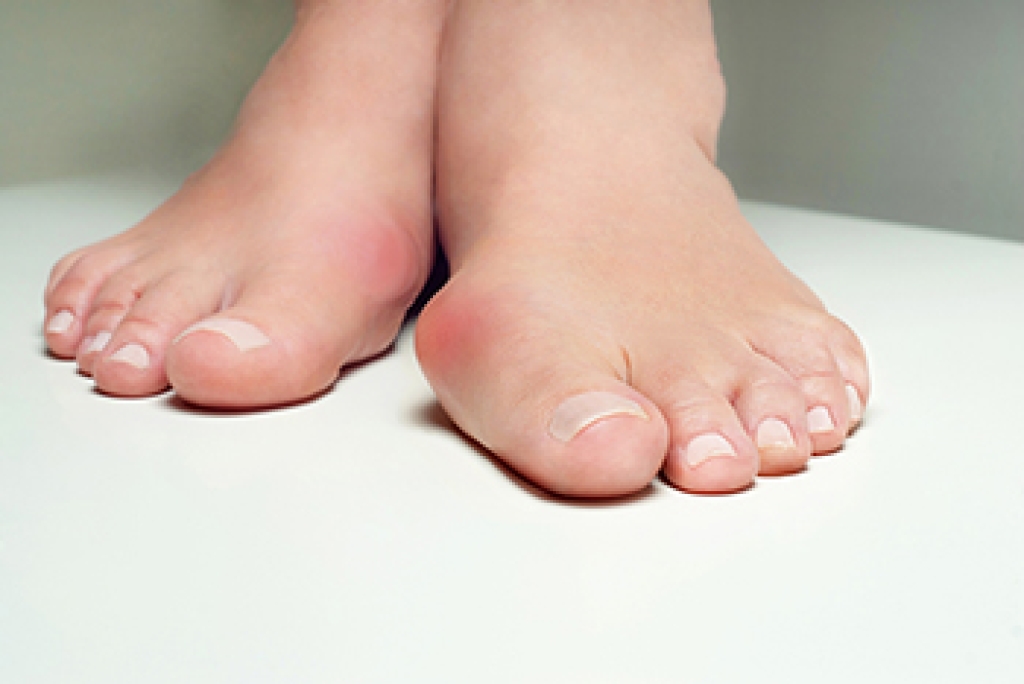
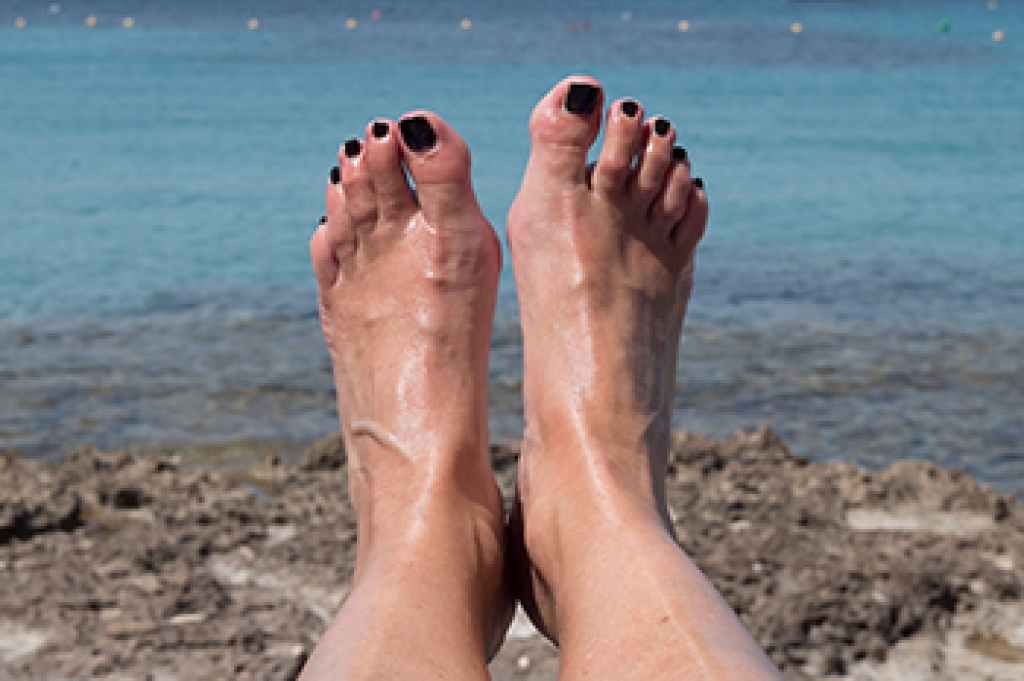
Bunions are all too common and affect all ages of people. They are more apt to happen to women, thought to be because of the pointy-toed, or high-heeled fashionable shoes they wear. However, they are not only caused by shoes, as bunions can happen to people in cultures who do not wear shoes. A bunion is a bony deformity of the big toe joint, also known as hallux valgus. When one has a bunion, their foot appears wider, and shoes can press on the painfully deformed joint. Pressure from the shoes pushes the big toe towards the second toe and the first joint bulges on the side of the foot. As the condition progresses, the second toe may lie over the top of the big toe, which leads to further pressure and distortion of footwear. Hard skin and corns may develop on the bunion and top of the second toe because they rub on shoes. This makes walking difficult, too. Bunions are easy to see. They are red, hot, painful, and swollen. A fluid-filled sac called a bursa sometimes develops over the joint to try and protect it from damage. Due to degenerative changes, arthritis might develop as well. If you suffer from a bunion, make sure to wear shoes that have enough room for the toes to move freely, with the bunion, and see a podiatrist for other suggestions and treatment options.

If you are suffering from bunion pain, contact Dr. Kennedy Legel of Advanced Foot & Ankle Care Specialists. Our doctor can provide the care you need to keep you pain-free and on your feet.

What Is a Bunion?

Bunions are painful bony bumps that usually develop on the inside of the foot at the joint of the big toe. As the deformity increases over time, it may become painful to walk and wear shoes. Women are more likely to exacerbate existing bunions since they often wear tight, narrow shoes that shift their toes together. Bunion pain can be relieved by wearing wider shoes with enough room for the toes.

Causes

  • Genetics – some people inherit feet that are more prone to bunion development
  • Inflammatory Conditions - rheumatoid arthritis and polio may cause bunion development

Symptoms

  • Redness and inflammation
  • Pain and tenderness
  • Callus or corns on the bump
  • Restricted motion in the big toe

In order to diagnose your bunion, your podiatrist may ask about your medical history, symptoms, and general health. Your doctor might also order an x-ray to take a closer look at your feet. Nonsurgical treatment options include orthotics, padding, icing, changes in footwear, and medication. If nonsurgical treatments don’t alleviate your bunion pain, surgery may be necessary.

If you have any questions, please feel free to contact our office located in Dallas, TX . We offer the newest diagnostic and treatment technologies for all your foot care needs.

Read more about Bunions

Fat on the Bottom of the Feet

Learning more about the biomechanics of how the feet work can help an individual better protect their feet from developing damaging conditions. One important thing to know about how the feet function is that there are critical areas of fat padding on the feet. Typically, individuals try to minimize the extent to which they have fat on their bodies, but fat can serve an important role on the soles of the feet. For example, fat padding on the bottom of the feet protect the plantar area from the repeated pressure that is felt on the feet from weight-bearing activity. If the feet are not properly cared for, then an individual might lose critical fat padding on the feet or experience fat pad atrophy of some kind. As a result, a patient may develop microtears as a result of the loss of fat. If you are someone that is especially concerned with protecting their feet, contact a podiatrist today for more help.

If you have any concerns about your feet, contact Dr. Kennedy Legel from Advanced Foot & Ankle Care Specialists. Our doctor can provide the care you need to keep you pain-free and on your feet.

Biomechanics in Podiatry

Podiatric biomechanics is a particular sector of specialty podiatry with licensed practitioners who are trained to diagnose and treat conditions affecting the foot, ankle and lower leg. Biomechanics deals with the forces that act against the body, causing an interference with the biological structures. It focuses on the movement of the ankle, the foot and the forces that interact with them.

A History of Biomechanics

  • Biomechanics dates back to the BC era in Egypt where evidence of professional foot care has been recorded.
  • In 1974, biomechanics gained a higher profile from the studies of Merton Root, who claimed that by changing or controlling the forces between the ankle and the foot, corrections or conditions could be implemented to gain strength and coordination in the area.

Modern technological improvements are based on past theories and therapeutic processes that provide a better understanding of podiatric concepts for biomechanics. Computers can provide accurate information about the forces and patterns of the feet and lower legs.

Understanding biomechanics of the feet can help improve and eliminate pain, stopping further stress to the foot.

If you have any questions please feel free to contact our office located in Dallas, TX . We offer the newest diagnostic and treatment technologies for all your foot and ankle needs.

Read more about Biomechanics in Podiatry

Heel Pain Can Be Treated!

Do you suffer from heel pain when you get up in the morning? If so, you should seek professional help and have a proper diagnosis performed. Heel pain can be caused by several different foot-related conditions.

Ankle Sprains Are a Common Sports Injury

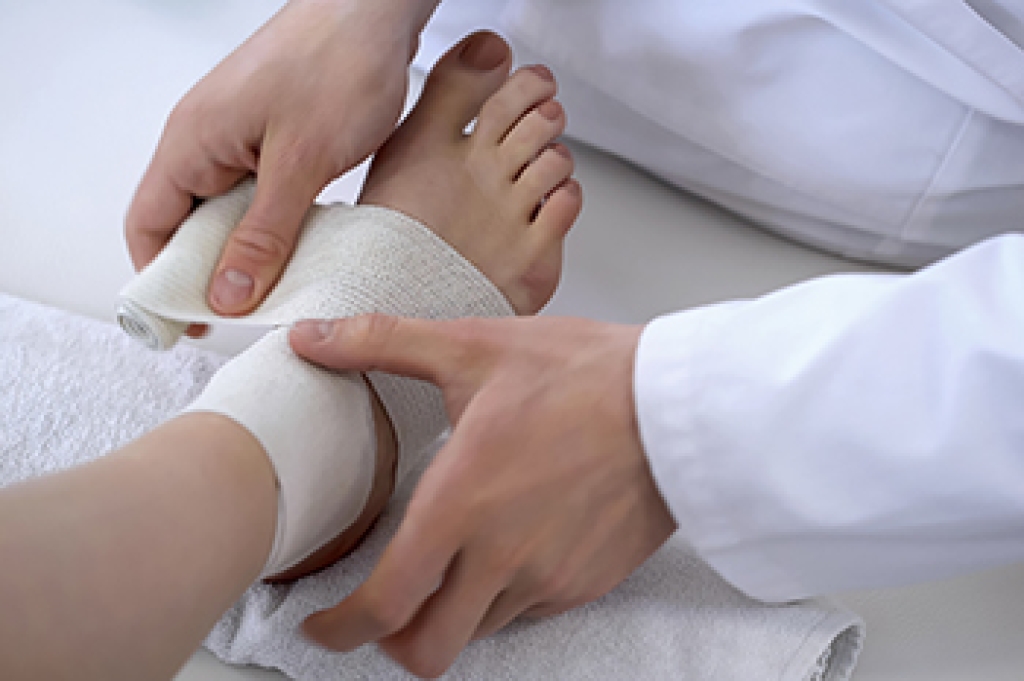
Research has shown that an ankle sprain is one of the most common types of sports injuries. It can happen as a result of suddenly jolting or twisting the ankle, possibly causing it to overstretch. Many patients experience immediate pain, swelling, or bruising, from spraining an ankle. Elevating the foot may help to alleviate some of these symptoms. It is often difficult to walk, and prompt medical attention is often sought for relief. Recurring ankle sprains may happen from getting insufficient treatment from a previous sprain, which may produce loose and scarred ligaments. When a reasonable amount of time has gone by, the foot can become stronger when ankle stretches and exercises are performed. These may be connected to the type of sporting activity that has been previously pursued, which may accelerate the healing process. If you have sprained your ankle, it is strongly urged that you are under the care of a podiatrist who can guide you toward the treatment technique that is best for you.

Although ankle sprains are common, they aren’t always minor injuries. If you need your ankle injury looked at, contact Dr. Kennedy Legel from Advanced Foot & Ankle Care Specialists. Our doctor can provide the care you need to keep you pain-free and on your feet.

How Does an Ankle Sprain Occur?

Ankle sprains are the result of a tear in the ligaments within the ankle. These injuries may happen when you make a rapid shifting movement while your foot is planted. A less common way to sprain your ankle is when your ankle rolls inward while your foot turns outward.

What Are the Symptoms?

  • Pain at the sight of the tear
  • Bruising/Swelling
  • Ankle area is tender to touch
  • In severe cases, may hear/feel something tear
  • Skin discoloration

Preventing a Sprain

  • Wearing appropriate shoes for the occasion
  • Stretching before exercises and sports
  • Knowing your limits

Treatment of a Sprain

In many cases, the RICE method (Rest, Ice, Compression, and Elevate) is used to treat ankle sprains. However, you should see a podiatrist to see which treatment option would work best with your injury. In severe cases, surgery may be required.

It is important to ask your doctor about rehab options after you receive treatment for your injury. Stretching, strength training, and balance exercises may help the ankle heal while also preventing further injury.

If you have any questions, please feel free to contact our office located in Dallas, TX . We offer the newest diagnostic and treatment technologies for all your foot care needs.

Read more about Three Grades of Ankle Sprains
scroll to top