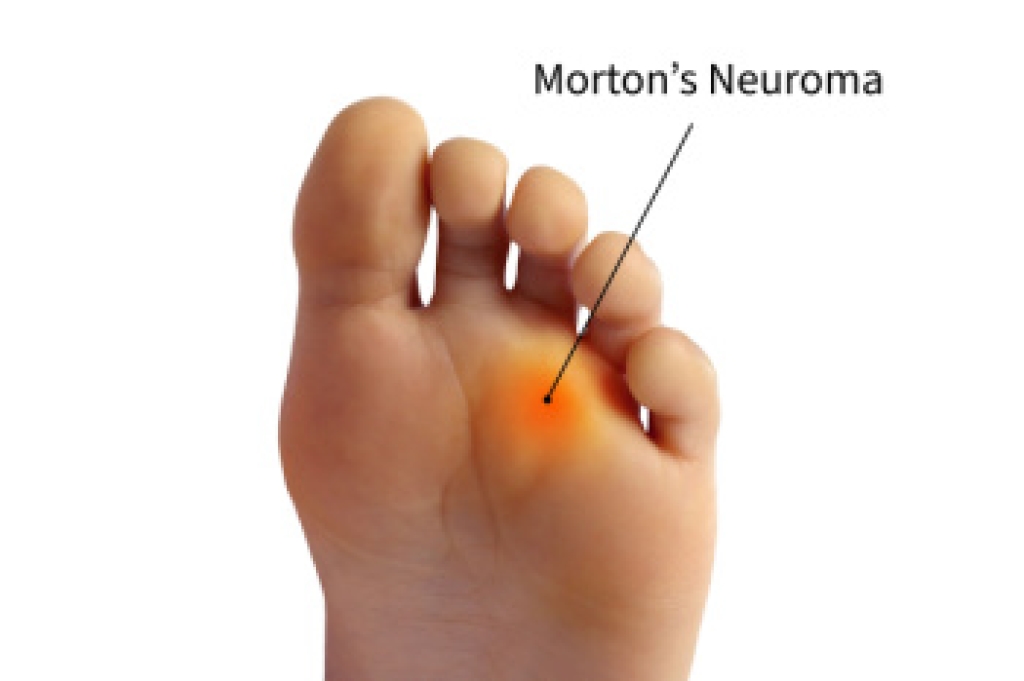
Recognizing the Signs of Morton’s Neuroma

Morton's neuroma is a painful foot condition that results from the thickening of tissue around a nerve leading to the toes. This ailment commonly affects the area between the third and fourth toes, causing discomfort, burning sensations, or often the feeling of a small pebble inside the shoe. Individuals experiencing Morton's neuroma may notice pain that intensifies while walking or standing, often accompanied by numbness or tingling. As the condition progresses, sufferers might observe a change in the shape of their toes or find relief by massaging the affected area. Early detection is essential, as ignoring the signs may lead to increased pain and potential complications. If you suspect you have developed Morton's neuroma, it is suggested that you contact a podiatrist who can help you with successful treatment options.

Morton’s neuroma is a very uncomfortable condition to live with. If you think you have Morton’s neuroma, contact Dr. Kennedy Legel of Advanced Foot & Ankle Care Specialists. Our doctor will attend to all of your foot care needs and answer any of your related questions.  

Morton’s Neuroma

Morton's neuroma is a painful foot condition that commonly affects the areas between the second and third or third and fourth toe, although other areas of the foot are also susceptible. Morton’s neuroma is caused by an inflamed nerve in the foot that is being squeezed and aggravated by surrounding bones.

What Increases the Chances of Having Morton’s Neuroma?

  • Ill-fitting high heels or shoes that add pressure to the toe or foot
  • Jogging, running or any sport that involves constant impact to the foot
  • Flat feet, bunions, and any other foot deformities

Morton’s neuroma is a very treatable condition. Orthotics and shoe inserts can often be used to alleviate the pain on the forefront of the feet. In more severe cases, corticosteroids can also be prescribed. In order to figure out the best treatment for your neuroma, it’s recommended to seek the care of a podiatrist who can diagnose your condition and provide different treatment options.

If you have any questions, please feel free to contact our office located in Dallas, TX . We offer the newest diagnostic and treatment technologies for all your foot care needs.

Read more about Morton's Neuroma

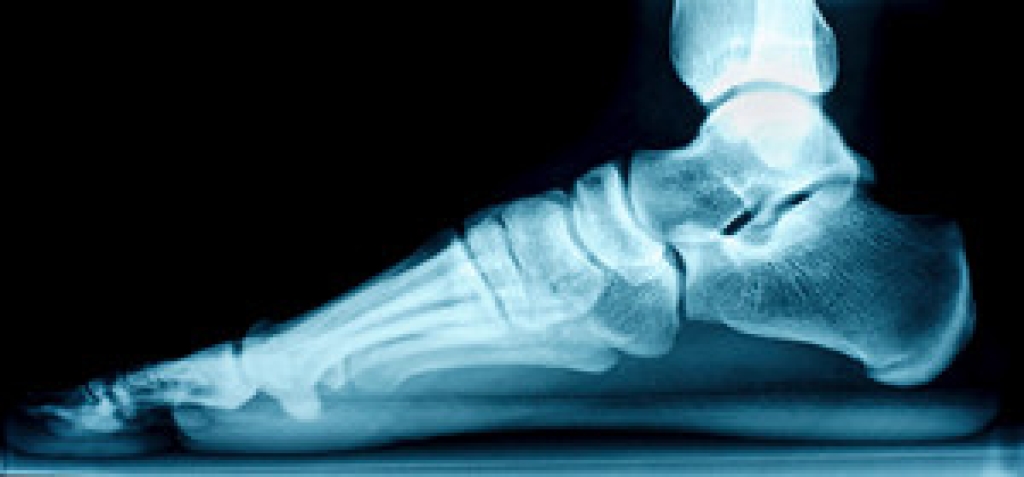
Adult Flat Feet and Their Underlying Causes

Adult flat feet, a condition where the arches of the feet collapse, can be attributed to a multitude of factors, each contributing to the intricate landscape of this common ailment. One primary cause is weakened or overstretched tendons, often stemming from prolonged wear and tear or injury. Age-related changes to tendons and ligaments can also impact foot structure, leading to the development of flat feet. Genetic predispositions often play a role, as individuals with a family history of flat feet may be more susceptible. Certain medical conditions, such as arthritis, diabetes, or obesity, contribute to altered foot mechanics and increased stress on the arches. Pregnancy is another factor, with hormonal changes and increased weight-bearing influencing foot structure. Wearing unsupportive footwear, especially during critical developmental stages, can contribute to the prevalence of adult flat feet. If you have flat feet, it is suggested that you visit a podiatrist who can offer you relief techniques, which may include custom-made orthotics. 

Flatfoot is a condition many people suffer from. If you have flat feet, contact Dr. Kennedy Legel from Advanced Foot & Ankle Care Specialists. Our doctor will treat your foot and ankle needs.

What Are Flat Feet?

Flatfoot is a condition in which the arch of the foot is depressed and the sole of the foot is almost completely in contact with the ground. About 20-30% of the population generally has flat feet because their arches never formed during growth.

Conditions & Problems:

Having flat feet makes it difficult to run or walk because of the stress placed on the ankles.

Alignment – The general alignment of your legs can be disrupted, because the ankles move inward which can cause major discomfort.

Knees – If you have complications with your knees, flat feet can be a contributor to arthritis in that area.  

Symptoms

  • Pain around the heel or arch area
  • Trouble standing on the tip toe
  • Swelling around the inside of the ankle
  • Flat look to one or both feet
  • Having your shoes feel uneven when worn

Treatment

If you are experiencing pain and stress on the foot you may weaken the posterior tibial tendon, which runs around the inside of the ankle. 

If you have any questions, please feel free to contact our office located in Dallas, TX . We offer the newest diagnostic and treatment technologies for all your foot care needs.

Read more about Flat Feet

What Causes Plantar Fasciitis?

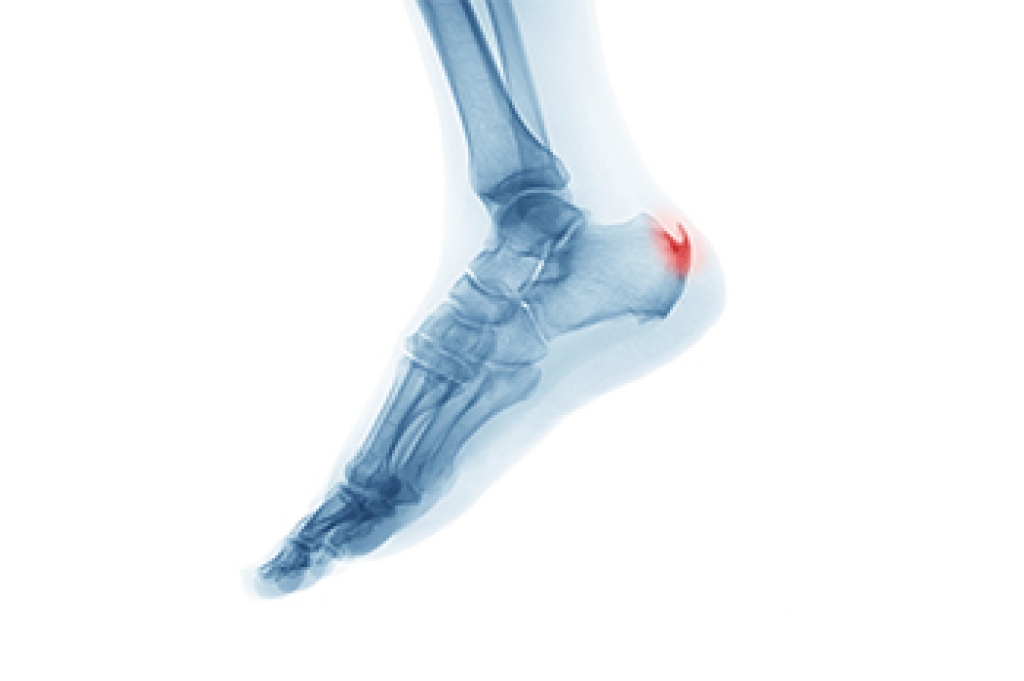
Plantar fasciitis, a prevalent foot condition, unfolds as a result of inflammation in the plantar fascia, a thick band of tissue that spans the bottom of the foot. This inflammation leads to symptoms that are distinctive yet often underestimated. A primary symptom is heel pain, particularly felt during the initial steps after periods of rest. The discomfort may also escalate after prolonged periods of standing or intense physical activity. The causes of plantar fasciitis are commonly rooted in excessive strain on the plantar fascia, due to activities like running, standing for extended periods, or inadequate footwear. Weight gain, tight calf muscles, and certain biomechanical issues can also contribute to the development of this condition. Recognizing the nuanced interplay of symptoms and causes is essential for prompt diagnosis and the implementation of effective strategies to alleviate pain. If you have heel pain, it is suggested that you consult a podiatrist for a diagnosis and an appropriate treatment plan.

Plantar fasciitis is a common foot condition that is often caused by a strain injury. If you are experiencing heel pain or symptoms of plantar fasciitis, contact Dr. Kennedy Legel from Advanced Foot & Ankle Care Specialists. Our doctor can provide the care you need to keep you pain-free and on your feet.

What Is Plantar Fasciitis?

Plantar fasciitis is one of the most common causes of heel pain. The plantar fascia is a ligament that connects your heel to the front of your foot. When this ligament becomes inflamed, plantar fasciitis is the result. If you have plantar fasciitis you will have a stabbing pain that usually occurs with your first steps in the morning. As the day progresses and you walk around more, this pain will start to disappear, but it will return after long periods of standing or sitting.

What Causes Plantar Fasciitis?

  • Excessive running
  • Having high arches in your feet
  • Other foot issues such as flat feet
  • Pregnancy (due to the sudden weight gain)
  • Being on your feet very often

There are some risk factors that may make you more likely to develop plantar fasciitis compared to others. The condition most commonly affects adults between the ages of 40 and 60. It also tends to affect people who are obese because the extra pounds result in extra stress being placed on the plantar fascia.

Prevention

  • Take good care of your feet – Wear shoes that have good arch support and heel cushioning.
  • Maintain a healthy weight
  • If you are a runner, alternate running with other sports that won’t cause heel pain

There are a variety of treatment options available for plantar fasciitis along with the pain that accompanies it. Additionally, physical therapy is a very important component in the treatment process. It is important that you meet with your podiatrist to determine which treatment option is best for you.

If you have any questions, please feel free to contact our office located in Dallas, TX . We offer the newest diagnostic and treatment technologies for all your foot care needs.
 

Read more about Plantar Fasciitis

Heel Pain Can Be Treated!

Do you suffer from heel pain when you get up in the morning? If so, you should seek professional help and have a proper diagnosis performed. Heel pain can be caused by several different foot-related conditions.

The Definition of a Heel Spur

Heel spurs, often associated with persistent heel pain, are bony protrusions that form on the underside of the heel bone. These outgrowths develop in response to the ongoing stress and strain on the foot's ligaments and muscles, particularly the plantar fascia, which is a thick band of tissue connecting the heel to the toes. When this tissue experiences repeated tension and pulling, calcium deposits may gradually accumulate, forming heel spurs. Contrary to popular belief, heel spurs themselves may not cause pain, however, the inflammation of the surrounding tissues, a condition known as plantar fasciitis, often accompanies their presence. Individuals with flat feet, high arches, or those who engage in activities that place excessive stress on the heel are more prone to developing heel spurs. If you are experiencing heel pain, it is suggested that you schedule an appointment with a podiatrist who can accurately diagnose and treat heel spurs.

Heel spurs can be incredibly painful and sometimes may make you unable to participate in physical activities. To get medical care for your heel spurs, contact Dr. Kennedy Legel from Advanced Foot & Ankle Care Specialists. Our doctor will do everything possible to treat your condition.

Heels Spurs

Heel spurs are formed by calcium deposits on the back of the foot where the heel is. This can also be caused by small fragments of bone breaking off one section of the foot, attaching onto the back of the foot. Heel spurs can also be bone growth on the back of the foot and may grow in the direction of the arch of the foot.

Older individuals usually suffer from heel spurs and pain sometimes intensifies with age. One of the main condition's spurs are related to is plantar fasciitis.

Pain

The pain associated with spurs is often because of weight placed on the feet. When someone is walking, their entire weight is concentrated on the feet. Bone spurs then have the tendency to affect other bones and tissues around the foot. As the pain continues, the feet will become tender and sensitive over time.

Treatments

There are many ways to treat heel spurs. If one is suffering from heel spurs in conjunction with pain, there are several methods for healing. Medication, surgery, and herbal care are some options.

If you have any questions, please feel free to contact our office located in Dallas, TX . We offer the newest diagnostic and treatment technologies for all your foot care needs.

Read more about How to Treat Heel Spurs
scroll to top