Are There Differences Between Walking and Running Shoes?

Research has shown walking shoes have less flexibility than running shoes. People who enjoy running or jogging are aware of the necessity of buying the correct shoes for their chosen sport. There are different styles of running. Long distance runners typically benefit from wearing shoes that have additional cushioning. Additionally, many running shoes have different stabilizing features, which may help to correct overpronation. People who like to walk may opt to wear shoes that are designed for comfort. These types of shoes can include those that are made of a lighter material, and have adequate support to ensure the feet will feel comfortable after a long walk. If you would like additional information about what type of shoe to purchase for running or walking, please speak to a podiatrist.

For more information about walking shoes versus running shoes, consult with Dr. Kennedy Legel from Advanced Foot & Ankle Care Specialists. Our doctor can measure your feet to determine what your needs are and help you find an appropriate pair of footwear.

Foot Health: The Differences between Walking & Running Shoes

There are great ways to stay in shape: running and walking are two great exercises to a healthy lifestyle. It is important to know that running shoes and walking shoes are not interchangeable. There is a key difference on how the feet hit the ground when someone is running or walking. This is why one should be aware that a shoe is designed differently for each activity.

You may be asking yourself what the real differences are between walking and running shoes and the answers may shock you.

Differences

Walking doesn’t involve as much stress or impact on the feet as running does. However, this doesn’t mean that you should be any less prepared. When you’re walking, you land on your heels and have your foot roll forward. This rolling motion requires additional support to the feet.

Flexibility – Walking shoes are designed to have soft, flexible soles. This allows the walker to push off easily with each step.

If you have any questions, please feel free to contact our office located in Dallas, TX . We offer the newest diagnostic and treatment technologies for all your foot care needs.
Read more about Differences between Walking and Running Shoes

Heel Pain Can Be Treated!

Do you suffer from heel pain when you get up in the morning? If so, you should seek professional help and have a proper diagnosis performed. Heel pain can be caused by several different foot-related conditions.

How to Tell If You Have a Broken Toe

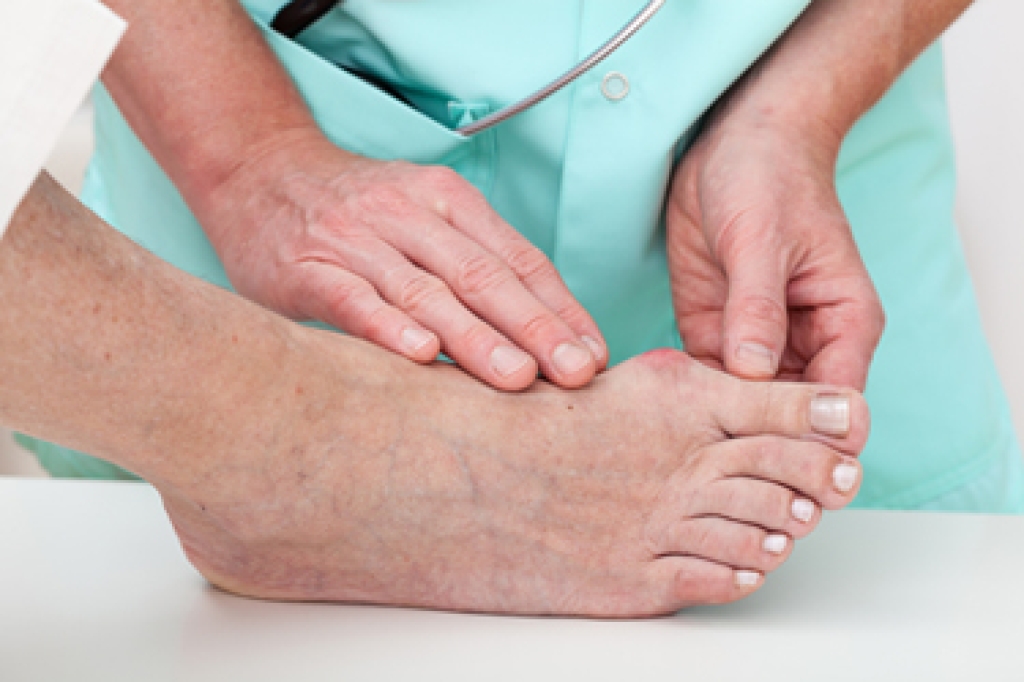
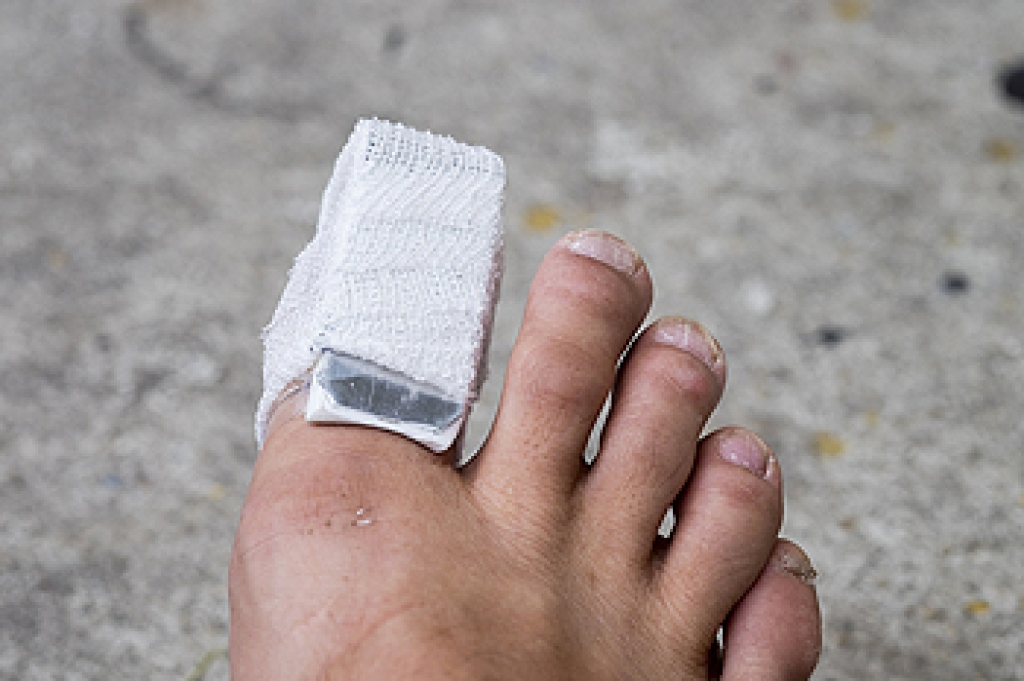
Broken toes are generally very painful and can cause a great deal of discomfort when trying to go about your daily routine. Those who have broken their toes often recall experiencing pain and swelling as the first signs of something gone wrong. After some time has passed, you may also notice that the affected area has stiffened or has turned a bluish color. The easiest way to tell if a toe has been broken is to look for any deformities, such as a bend in the toe, or if the toe is sticking out in an unusual manner. If you feel you have broken your toe, it is advised that you stay off your feet as much as possible to prevent furthering the damage. Some patients have also found the technique of “buddy taping” helpful. This consists of taping the deformed toe to the toe next to it, in an effort to hold the deformed toe in the correct positioning. For a proper diagnosis and an advised treatment plan, we recommend you consult with a podiatrist as soon as possible.

A broken toe can be very painful and lead to complications if not properly fixed. If you have any concerns about your feet, contact Dr. Kennedy Legel from Advanced Foot & Ankle Care Specialists. Our doctor will treat your foot and ankle needs.

What to Know About a Broken Toe

Although most people try to avoid foot trauma such as banging, stubbing, or dropping heavy objects on their feet, the unfortunate fact is that it is a common occurrence. Given the fact that toes are positioned in front of the feet, they typically sustain the brunt of such trauma. When trauma occurs to a toe, the result can be a painful break (fracture).

Symptoms of a Broken Toe

  • Throbbing pain
  • Swelling
  • Bruising on the skin and toenail
  • The inability to move the toe
  • Toe appears crooked or disfigured
  • Tingling or numbness in the toe

Generally, it is best to stay off of the injured toe with the affected foot elevated.

Severe toe fractures may be treated with a splint, cast, and in some cases, minor surgery. Due to its position and the pressure it endures with daily activity, future complications can occur if the big toe is not properly treated.

If you have any questions, please feel free to contact our office located in Dallas, TX . We offer the newest diagnostic and treatment technologies for all your foot care needs.

Read more about What to Know About a Broken Toe

How Does Gout Occur?

A form of arthritis that is referred to as gout, typically causes severe pain and discomfort. It occurs as a result of excess levels of uric acid in the bloodstream, and can be caused by eating foods that are high in purines. These types of foods can include shellfish, red meat, alcohol, or sugary foods and drinks. The pain is caused by crystals that form between the joints of the big toe, which can make it feel like there are small needles inside the toe. Gout may be prevented by eating foods that are healthy and drinking plenty of water. Additionally, it may be beneficial to incorporate a gentle exercise routine into your daily activities. If you have gout attacks, it is strongly recommended that you are under the care of a podiatrist who can properly treat this painful condition.

Gout is a foot condition that requires certain treatment and care. If you are seeking treatment, contact Dr. Kennedy Legel from Advanced Foot & Ankle Care Specialists. Our doctor will treat your foot and ankle needs.

What Is Gout?

Gout is a type of arthritis caused by a buildup of uric acid in the bloodstream. It often develops in the foot, especially the big toe area, although it can manifest in other parts of the body as well. Gout can make walking and standing very painful and is especially common in diabetics and the obese.

People typically get gout because of a poor diet. Genetic predisposition is also a factor. The children of parents who have had gout frequently have a chance of developing it themselves.

Gout can easily be identified by redness and inflammation of the big toe and the surrounding areas of the foot. Other symptoms include extreme fatigue, joint pain, and running high fevers. Sometimes corticosteroid drugs can be prescribed to treat gout, but the best way to combat this disease is to get more exercise and eat a better diet.

If you have any questions, please feel free to contact our office located in Dallas, TX . We offer the newest diagnostic and treatment technologies for all your foot care needs.

Read more about Everything You Need to Know About Gout

Tips for Preventing Falls and Protecting Your Feet

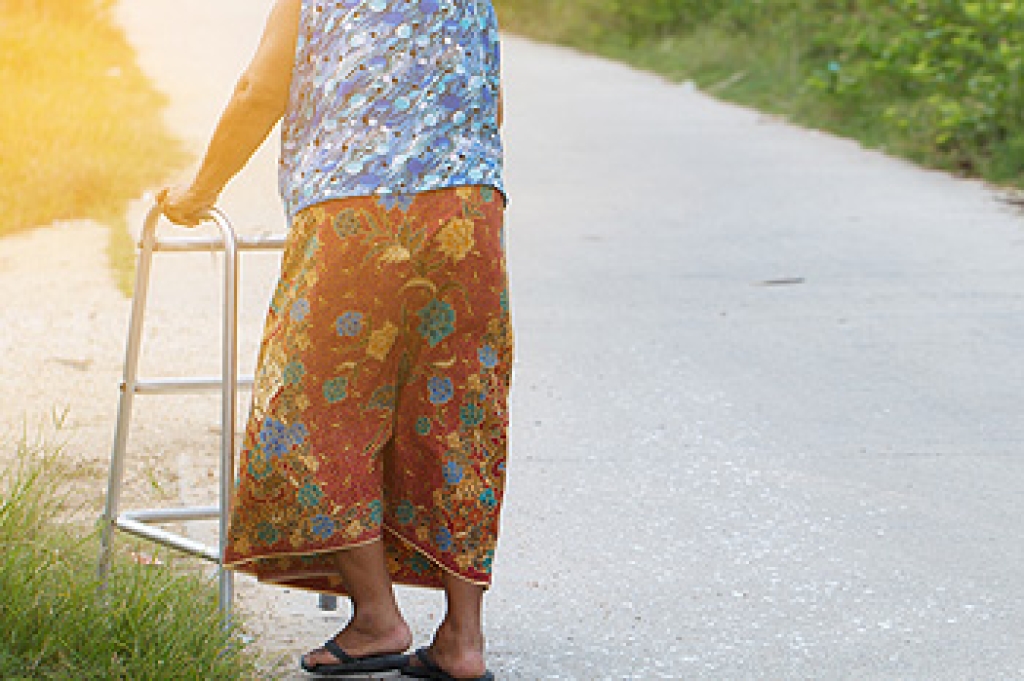
Falling is a common cause of complications with the feet for elderly individuals, which is why one should pay particular attention to its prevention. There are many different steps you can take to better prepare yourself for avoiding falls in the future. Staying active and practicing a light exercise routine can help prevent falls by building your strength, flexibility, and coordination. Looking into shoes with nonskid soles is another way of preventing falls by providing extra support for your feet. Another way to ensure your safety is to remove any hazards around the house that may get in your way, such as electrical cords or loose floor boards. Keeping your home well lit is another great tip for preventing falls, as it makes it easier to see any possible obstacles. Many patients have also found assistive devices such as walkers, handrails, and grab bars useful for preventing falls. If you would like further information about how you can better prevent falls, we recommend you consult with a podiatrist who can offer you more helpful tips.

Preventing falls among the elderly is very important. If you are older and have fallen or fear that you are prone to falling, consult with Dr. Kennedy Legel from Advanced Foot & Ankle Care Specialists. Our doctor will assess your condition and provide you with quality advice and care.

Every 11 seconds, an elderly American is being treated in an emergency room for a fall related injury. Falls are the leading cause of head and hip injuries for those 65 and older. Due to decreases in strength, balance, senses, and lack of awareness, elderly persons are very susceptible to falling. Thankfully, there are a number of things older persons can do to prevent falls.

How to Prevent Falls

Some effective methods that older persons can do to prevent falls include:

  • Enrolling in strength and balance exercise program to increase balance and strength
  • Periodically having your sight and hearing checked
  • Discuss any medications you have with a doctor to see if it increases the risk of falling
  • Clearing the house of falling hazards and installing devices like grab bars and railings
  • Utilizing a walker or cane
  • Wearing shoes that provide good support and cushioning
  • Talking to family members about falling and increasing awareness

Falling can be a traumatic and embarrassing experience for elderly persons; this can make them less willing to leave the house, and less willing to talk to someone about their fears of falling. Doing such things, however, will increase the likelihood of tripping or losing one’s balance. Knowing the causes of falling and how to prevent them is the best way to mitigate the risk of serious injury.  

If you have any questions, please feel free to contact our office located in Dallas, TX . We offer the newest diagnostic and treatment technologies for all your foot care needs.

Read more about Falls Prevention
scroll to top