
Diabetic shoes can bring relief to the feet of patients suffering from diabetes.
Diabetic shoes can bring relief to the feet of patients suffering from diabetes.
 Sever’s disease is a common issue that leads to heel pain in children between the ages of 8 and 14. Sever’s disease occurs when the bones in the calves grow faster than the Achilles tendon, which connects the heel bone to the calf muscle. This causes the tendon to tighten and the heel to become swollen and sore. Sever’s disease symptoms are typically most prominent during running or jumping activities. However, there is usually no long term damage caused by Sever’s disease as the child continues to grow. Common symptoms include limping, tenderness in the heel, especially after exercise, and swelling in the heel bone. If you believe that your child is struggling with Sever’s disease, consulting with a podiatrist is suggested.
Sever's disease often occurs in children and teens. If your child is experiencing foot or ankle pain, see Dr. Kennedy Legel from Advanced Foot & Ankle Care Specialists. Our doctor can treat your child’s foot and ankle needs.
Sever’s Disease
Sever’s disease is also known as calcaneal apophysitis, which is a medical condition that causes heel pain I none or both feet. The disease is known to affect children between the ages of 8 and 14.
Sever’s disease occurs when part of the child’s heel known as the growth plate (calcaneal epiphysis) is attached to the Achilles tendon. This area can suffer injury when the muscles and tendons of the growing foot do not keep pace with bone growth. Therefore, the constant pain which one experiences at the back of the heel will make the child unable to put any weight on the heel. The child is then forced to walk on their toes.
Symptoms
Acute pain – Pain associated with Sever’s disease is usually felt in the heel when the child engages in physical activity such as walking, jumping and or running.
Highly active – Children who are very active are among the most susceptible in experiencing Sever’s disease, because of the stress and tension placed on their feet.
If you have any questions, please feel free to contact our office located in Dallas, TX . We offer the newest diagnostic and treatment technologies for all your foot care needs.
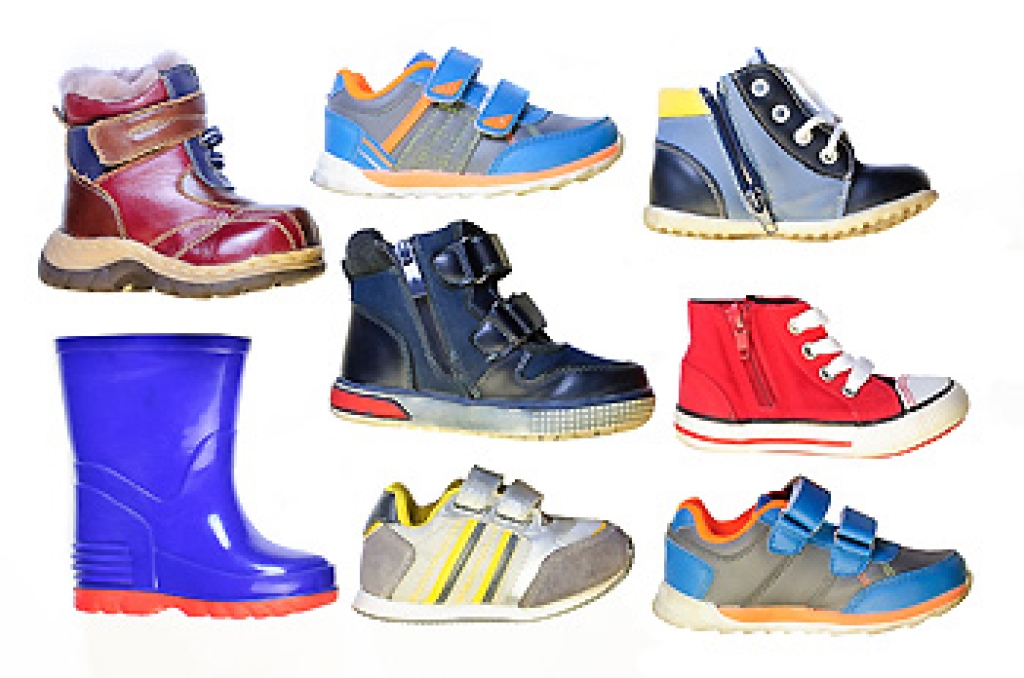
Children’s feet grow much faster than an adult’s. Because of this, children often outgrow their shoes. On average, children between the ages of 1 and 3 will need new shoes two to three times per year. Children between the ages of 3 and 10 will typically need new shoes one to two times per year. However, every child’s rate of growth is unique. It is important to keep an eye on the fit of your child’s shoes, as wearing shoes that are too small or too large can cause various foot problems to develop. For more information on how to choose the right shoes for your child and how to help children maintain the health of their feet, it is suggested that you consult with a podiatrist.
Making sure that your children maintain good foot health is very important as they grow. If you have any questions, contact Dr. Kennedy Legel of Advanced Foot & Ankle Care Specialists. Our doctor can provide the care you need to keep you pain-free and on your feet.
Keeping Children's Feet Healthy
Having healthy feet during childhood can help prevent medical problems later in life, namely in the back and legs. As children grow, their feet require different types of care. Here are some things to consider...
Although babies do not walk yet, it is still very important to take care of their feet.
Avoid putting tight shoes or socks on his or her feet.
Allow the baby to stretch and kick his or her feet to feel comfortable.
As a toddler, kids are now on the move and begin to develop differently. At this age, toddlers are getting a feel for walking, so don’t be alarmed if your toddler is unsteady or ‘walks funny’.
As your child gets older, it is important to teach them how to take care of their feet.
Show them proper hygiene to prevent infections such as fungus.
Be watchful for any pain or injury.
Have all injuries checked by a doctor as soon as possible.
Comfortable, protective shoes should always be worn, especially at play.
If you have any questions, please feel free to contact our office located in Dallas, TX . We offer the newest diagnostic and treatment technologies for all your foot care needs.
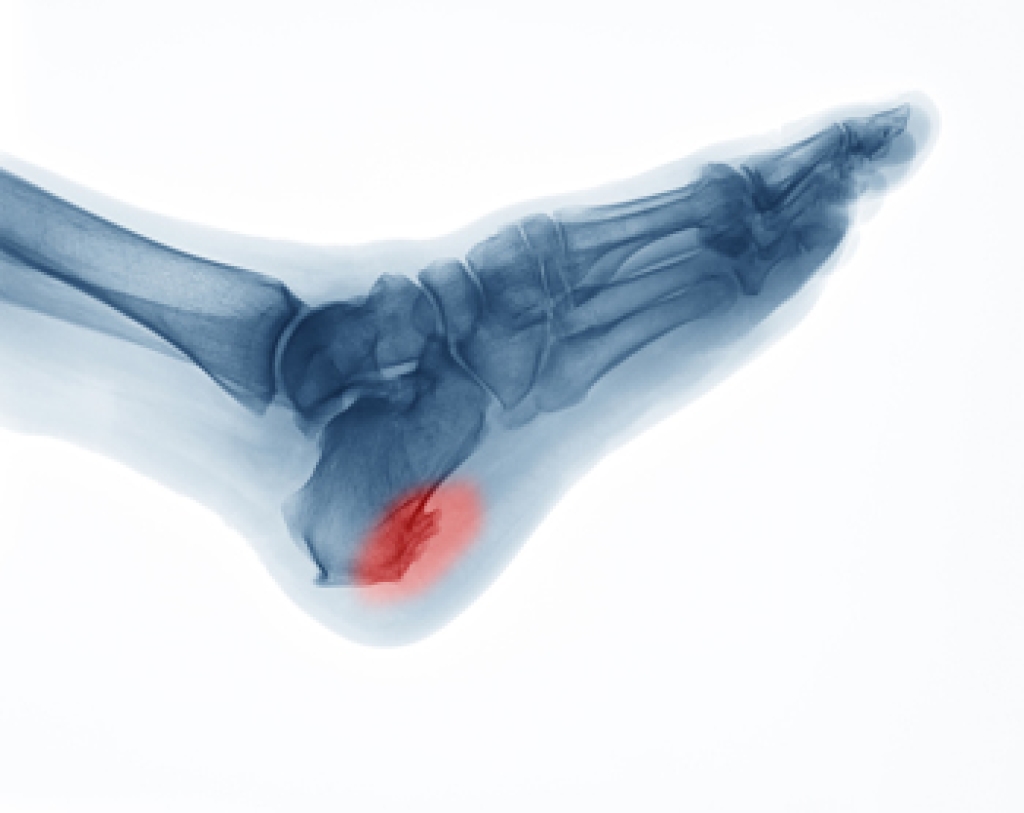
A heel spur is bony growth that develops on the heel bone. There are two types of heel spurs. Dorsal spurs occur on the back of the heel, while plantar spurs occur on the bottom of the heel. It is possible to have multiple spurs on one heel at the same time. Often, heel spurs do not cause any noticeable symptoms unless they have grown to the point of pressing on the nerves or soft tissue of the foot. When they do cause symptoms, they can range from mild aches all the way up to a sharp, stabbing sensation in the feet. If you suspect you may have a heel spur, it is recommended that you see a podiatrist for treatment.
Heel spurs can be incredibly painful and sometimes may make you unable to participate in physical activities. To get medical care for your heel spurs, contact Dr. Kennedy Legel from Advanced Foot & Ankle Care Specialists. Our doctor will do everything possible to treat your condition.
Heels Spurs
Heel spurs are formed by calcium deposits on the back of the foot where the heel is. This can also be caused by small fragments of bone breaking off one section of the foot, attaching onto the back of the foot. Heel spurs can also be bone growth on the back of the foot and may grow in the direction of the arch of the foot.
Older individuals usually suffer from heel spurs and pain sometimes intensifies with age. One of the main condition's spurs are related to is plantar fasciitis.
Pain
The pain associated with spurs is often because of weight placed on the feet. When someone is walking, their entire weight is concentrated on the feet. Bone spurs then have the tendency to affect other bones and tissues around the foot. As the pain continues, the feet will become tender and sensitive over time.
Treatments
There are many ways to treat heel spurs. If one is suffering from heel spurs in conjunction with pain, there are several methods for healing. Medication, surgery, and herbal care are some options.
If you have any questions, please feel free to contact our office located in Dallas, TX . We offer the newest diagnostic and treatment technologies for all your foot care needs.
