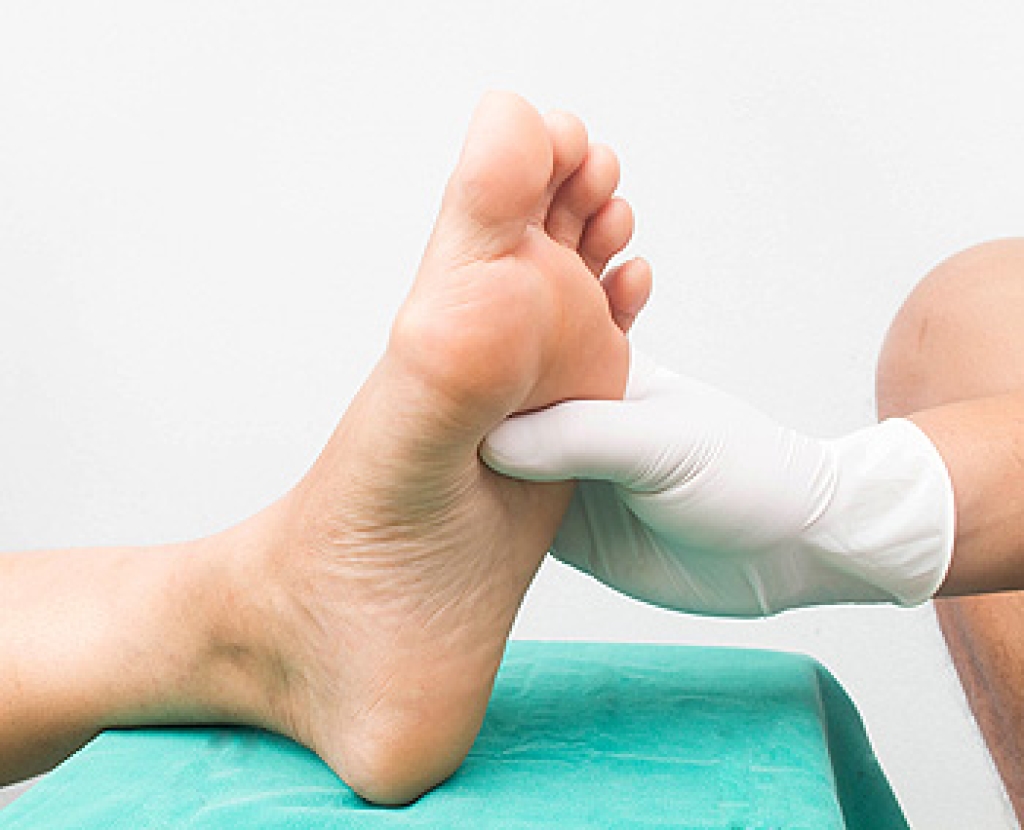
Diabetic Neuropathy

Diabetic neuropathy is a type of nerve damage caused by diabetes. High blood sugar levels, combined with high levels of fats in the blood, can hurt the nerves in your body. The nerves of the lower legs and feet are often the first affected, leading to a condition known as peripheral neuropathy. It is said that between 1/3 and 1/2 of people with diabetes develop peripheral neuropathy, which can cause such symptoms as numbness, weakness, burning, tingling, and pain in the lower limbs. Peripheral neuropathy can also make wounds more likely to develop on the feet, as the loss of sensation makes it difficult to detect injuries in their early stages and treat them before they have progressed. If you have diabetes, it is strongly suggested that you are under the care of a podiatrist for regular checkups. 

Neuropathy

Neuropathy can be a potentially serious condition, especially if it is left undiagnosed. If you have any concerns that you may be experiencing nerve loss in your feet, consult with Dr. Kennedy Legel from Advanced Foot & Ankle Care Specialists. Our doctor will assess your condition and provide you with quality foot and ankle treatment for neuropathy.

What Is Neuropathy?

Neuropathy is a condition that leads to damage to the nerves in the body. Peripheral neuropathy, or neuropathy that affects your peripheral nervous system, usually occurs in the feet. Neuropathy can be triggered by a number of different causes. Such causes include diabetes, infections, cancers, disorders, and toxic substances.

Symptoms of Neuropathy Include:

  • Numbness
  • Sensation loss
  • Prickling and tingling sensations
  • Throbbing, freezing, burning pains
  • Muscle weakness

Those with diabetes are at serious risk due to being unable to feel an ulcer on their feet. Diabetics usually also suffer from poor blood circulation. This can lead to the wound not healing, infections occurring, and the limb may have to be amputated.

Treatment

To treat neuropathy in the foot, podiatrists will first diagnose the cause of the neuropathy. Figuring out the underlying cause of the neuropathy will allow the podiatrist to prescribe the best treatment, whether it be caused by diabetes, toxic substance exposure, infection, etc. If the nerve has not died, then it’s possible that sensation may be able to return to the foot.

Pain medication may be issued for pain. Electrical nerve stimulation can be used to stimulate nerves. If the neuropathy is caused from pressure on the nerves, then surgery may be necessary.

If you have any questions, please feel free to contact our office located in Dallas, TX . We offer the newest diagnostic and treatment technologies for all your foot care needs.


Read more about Neuropathy

Foot Stretches for Walking Pain

Walking can be a great exercise, but sometimes it can be difficult to complete when it leaves your feet sore and aching. Fortunately, walking-related foot pain can be reduced by stretching your feet. Sit in a chair with your right foot resting on the opposite knee. Interlace the fingers of your left hand with your toes and squeeze them together for 10 seconds, repeating three times on each foot. Relieve tension along the sole of your foot by rolling a tennis ball underneath each foot for one to three minutes. There are several different stretches that can help alleviate pain in various places on the foot. For more information and to learn about stretches that may be beneficial for you, consult with a podiatrist today. 

Stretching the feet is a great way to prevent injuries. If you have any concerns with your feet consult with Dr. Kennedy Legel from Advanced Foot & Ankle Care Specialists. Our doctor will assess your condition and provide you with quality foot and ankle treatment.

Stretching the Feet

Stretching the muscles in the foot is an important part in any physical activity. Feet that are tight can lead to less flexibility and make you more prone to injury. One of the most common forms of foot pain, plantar fasciitis, can be stretched out to help ease the pain. Stretching can not only ease pain from plantar fasciitis but also prevent it as well. However, it is important to see a podiatrist first if stretching is right for you. Podiatrists can also recommend other ways to stretch your feet. Once you know whether stretching is right for you, here are some excellent stretches you can do.

  • Using a foam roller or any cylindrical object (a water bottle or soda can will do), roll the object under your foot back and forth. You should also exert pressure on the object. Be sure to do this to both feet for a minute. Do this exercise three times each.
  • Similar to the previous one, take a ball, such as a tennis ball, and roll it under your foot while seated and exert pressure on it.
  • Grab a resistance band or towel and take a seat. If you are using a towel, fold it length wise. Next put either one between the ball of your foot and heel and pull with both hands on each side towards you. Hold this for 15 seconds and then switch feet. Do this three times for each foot.
  • Finally hold your big toe while crossing one leg over the other. Pull the toe towards you and hold for 15 seconds. Once again do this three times per foot.

It is best to go easy when first stretching your foot and work your way up. If your foot starts hurting, stop exercising and ice and rest the foot. It is advised to then see a podiatrist for help.

If you have any questions please contact our office located in Dallas, TX . We offer the newest diagnostic and treatment technologies for all your foot and ankle needs.

Read more about Stretching Your Feet

Several Easy Steps of Foot Care

Caring for your feet is an important part of maintaining your foot health. This can be accomplished through several easy steps. First, you should wash your feet every day with soap and water to keep them clean. Next, dry your feet thoroughly, particularly in between the toes. This helps prevent foot fungus. Afterwards, apply a thick moisturizer to your feet and especially the heels. If you find that you have dry heels, exfoliate them once or twice a month using a wet pumice stone or loofah. Pamper your feet occasionally with a soak in warm water. Finally, make sure that you are wearing comfortable shoes and socks each day. For more information about daily foot care, please consult with a podiatrist. 

Everyday foot care is very important to prevent infection and other foot ailments. If you need your feet checked, contact Dr. Kennedy Legel from Advanced Foot & Ankle Care Specialists. Our doctor can provide the care you need to keep you pain-free and on your feet.

Everyday Foot Care

Often, people take care of their bodies, face and hair more so than they do for their feet. But the feet are a very important aspect of our bodies, and one that we should pay more attention to. Without our feet, we would not be able to perform most daily tasks.

It is best to check your feet regularly to make sure there are no new bruises or cuts that you may not have noticed before. For dry feet, moisturizer can easily be a remedy and can be applied as often as necessary to the affected areas. Wearing shoes that fit well can also help you maintain good foot health, as well as making it easier to walk and do daily activities without the stress or pain of ill-fitting shoes, high heels, or even flip flops. Wearing clean socks with closed shoes is important to ensure that sweat and bacteria do not accumulate within the shoe. Clean socks help to prevent Athlete’s foot, fungi problems, bad odors, and can absorb sweat.

If you have any questions, please feel free to contact our office located in Dallas, TX . We offer the newest diagnostic and treatment technologies for all your foot care needs.

Read more about Every Day Foot Care
scroll to top