Ankle Strength Exercises After a Sprain

Ankle strengthening exercises are important after a sprain to restore stability, flexibility, and strength. Exercises like ankle inversion and eversion help target specific muscles. Inversion refers to turning the sole of the foot inward, while eversion is the opposite movement, where the sole turns outward. These motions strengthen the ankle ligaments and surrounding muscles, improving stability. Resisted ankle exercises using an elastic band can make these movements more effective. The ankle alphabet exercise, where people trace letters with their toes, gently improves mobility. Towel scrunches, which involve pulling a towel toward you using your toes, strengthen the smaller muscles in the feet. Balance exercises, such as standing on one leg, enhance proprioception, which is the body’s sense of position and movement. These activities are key for reducing the risk of future injuries. A podiatrist can evaluate your ankle, recommend specific exercises, and provide professional treatment to support your recovery. If you have sprained an ankle, it is suggested that you schedule an appointment with a podiatrist.

Ankle sprains are common but need immediate attention. If you need your feet checked, contact Dr. Kennedy Legel from Advanced Foot & Ankle Care Specialists. Our doctor can provide the care you need to keep you pain-free and on your feet.

How Does an Ankle Sprain Occur?

Ankle sprains take place when the ligaments in your ankle are torn or stretched beyond their limits. There are multiple ways that the ankle can become injured, including twisting or rolling over onto your ankle, putting undue stress on it, or causing trauma to the ankle itself.

What Are the Symptoms?

  • Mild to moderate bruising
  • Limited mobility
  • Swelling
  • Discoloration of the skin (depending on severity)

Preventing a Sprain

  • Wearing appropriate shoes for the occasion
  • Stretching before exercises and sports
  • Knowing your limits

Treatment of a Sprain

Treatment of a sprain depends on the severity.  Many times, people are told to rest and remain off their feet completely, while others are given an air cast. If the sprain is very severe, surgery may be required.

If you have suffered an ankle sprain previously, you may want to consider additional support such as a brace and regular exercises to strengthen the ankle.

If you have any questions please feel free to contact our office located in Dallas, TX . We offer the newest diagnostic tools and technology to treat your foot and ankle needs.


Read more about Three Grades of Ankle Sprains

Types of Toe Pain

Toe pain can stem from several conditions, including bunions, hammertoe, and hallux limitus, all of which cause discomfort and affect foot function. Bunions are bony bumps that form at the base of the big toe, causing the toe to angle inward. Hammertoe causes one or more toes to bend unnaturally at the middle joint, creating a claw-like appearance. Hallux limitus is a condition where the big toe’s range of motion is limited, leading to pain, especially while walking or standing for long periods. Common causes of toe pain include ill-fitting shoes, genetic factors, injury, or arthritis. Symptoms can range from swelling and redness to difficulty moving the toes or walking comfortably. Treatment options include wearing proper footwear, using orthotics for added support, and in more severe cases, surgery to correct toe deformities. A podiatrist can diagnose the underlying cause of toe pain and provide effective treatments to relieve discomfort. If you are experiencing toe pain, it is suggested that you make an appointment with a podiatrist.

Toe pain can disrupt your daily activities. If you have any concerns, contact Dr. Kennedy Legel of Advanced Foot & Ankle Care Specialists. Our doctor can provide the care you need to keep you pain-free and on your feet.

What Causes Toe Pain?

Most severe toe pain is caused due to a sports injury, trauma from dropping something heavy on the toe, or bumping into something rigid. Other problems can develop over time for various reasons.

Toe pain can be caused by one or more ailments. The most common include:

  • Trauma
  • Sports injury
  • Wearing shoes that are too tight
  • Arthritis
  • Gout
  • Corns and calluses
  • Hammertoe
  • Bunions
  • Blisters
  • Ingrown toenails
  • Sprains
  • Fractures (broken bones)
  • Dislocations

When to See a Podiatrist

  • Severe pain
  • Persistent pain that lasts more than a week
  • Signs of infection
  • Continued swelling
  • Pain that prevents walking

Diagnosis

In many cases the cause of toe pain is obvious, but in others, a podiatrist may want to use more advanced methods to determine the problem. These can range from simple visual inspections and sensation tests to X-rays and MRI scans. Prior medical history, family medical history, and any recent physical traumatic events will all be taken into consideration for a proper diagnosis.

Treatment

Treatments for toe pain and injuries vary and may include shoe inserts, padding, taping, medicines, injections, and in some cases, surgery. If you believe that you have broken a toe, please see a podiatrist as soon as possible.

If you have any questions please contact our office located in Dallas, TX . We offer the newest diagnostic and treatment technologies for all your foot and ankle needs.

Read more about Toe Pain

Causes and Effective Exercises for Plantar Heel Pain

Plantar heel pain is a common condition characterized by sharp pain in the bottom of the heel, often felt in the morning or after long periods of rest. This pain is typically caused by inflammation of the plantar fascia, a thick band of tissue that runs along the bottom of the foot. Overuse, tight calf muscles, wearing improper footwear, and excessive weight can contribute to this condition. Repeated strain on the plantar fascia causes small tears, leading to pain and discomfort. Effective exercises for plantar heel pain include stretching the calf muscles, rolling a frozen water bottle under the foot to reduce inflammation, and performing toe stretches. Strengthening exercises for the foot and ankle, such as towel scrunches and resistance band exercises, can also improve flexibility and support. If you have heel pain, it is strongly suggested that you visit a podiatrist who can determine what the cause is, and offer effective relief and treatment solutions.

Many people suffer from bouts of heel pain. For more information, contact Dr. Kennedy Legel of Advanced Foot & Ankle Care Specialists. Our doctor can provide the care you need to keep you pain-free and on your feet.

Causes of Heel Pain

Heel pain is often associated with plantar fasciitis. The plantar fascia is a band of tissues that extends along the bottom of the foot. A rip or tear in this ligament can cause inflammation of the tissue.

Achilles tendonitis is another cause of heel pain. Inflammation of the Achilles tendon will cause pain from fractures and muscle tearing. Lack of flexibility is also another symptom.

Heel spurs are another cause of pain. When the tissues of the plantar fascia undergo a great deal of stress, it can lead to ligament separation from the heel bone, causing heel spurs.

Why Might Heel Pain Occur?

  • Wearing ill-fitting shoes                
  • Wearing non-supportive shoes
  • Weight change           
  • Excessive running

Treatments

Heel pain should be treated as soon as possible for immediate results. Keeping your feet in a stress-free environment will help. If you suffer from Achilles tendonitis or plantar fasciitis, applying ice will reduce the swelling. Stretching before an exercise like running will help the muscles. Using all these tips will help make heel pain a condition of the past.

If you have any questions, please feel free to contact our office located in Dallas, TX . We offer the newest diagnostic and treatment technologies for all your foot care needs.

Read more about Heel Pain

Screening Test for Peripheral Artery Disease

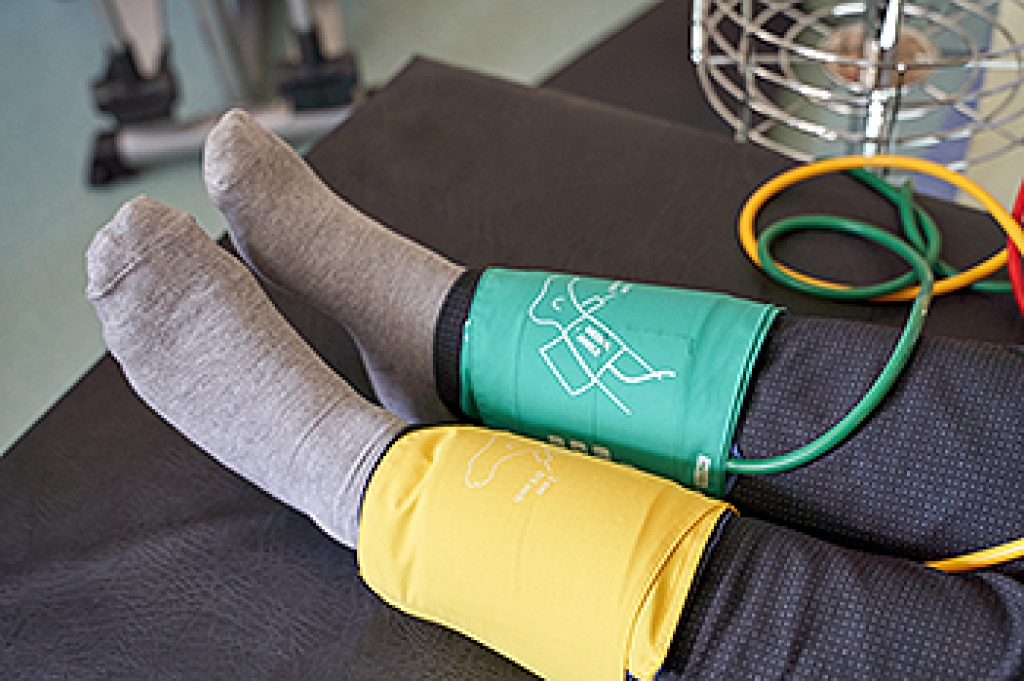
Peripheral artery disease, or PAD, occurs when fatty deposits, called plaque, build up in the arteries, narrowing them and reducing blood flow to the legs and feet. This lack of blood flow can result in pain, sores, infections, and, in severe cases, gangrene, which can be serious enough to require amputation. Risk factors include smoking, diabetes, high blood pressure, and an age of 65 or older. A key screening tool for peripheral artery disease is the ankle-brachial index, or ABI test, which measures blood pressure at the ankle and compares it to blood pressure in the arm. This helps assess how well blood circulates in the lower limbs. Symptoms of PAD include leg pain or cramping during walking that eases with rest and wounds on the feet that heal slowly, or not at all. Additional tests include a Doppler ultrasound, which uses sound waves to visualize blood flow and detect blockages and a toe-brachial index, or TBI test, to measure blood pressure in the toes. If you experience symptoms of poor circulation to the feet, it is suggested that you schedule an appointment with a podiatrist for testing and treatment.

Peripheral artery disease can pose a serious risk to your health. It can increase the risk of stroke and heart attack. If you have symptoms of peripheral artery disease, consult with Dr. Kennedy Legel from Advanced Foot & Ankle Care Specialists. Our doctor will assess your condition and provide you with quality foot and ankle treatment.

Peripheral artery disease (PAD) is when arteries are constricted due to plaque (fatty deposits) build-up. This results in less blood flow to the legs and other extremities. The main cause of PAD is atherosclerosis, in which plaque builds up in the arteries.

Symptoms

Symptoms of PAD include:

  • Claudication (leg pain from walking)
  • Numbness in legs
  • Decrease in growth of leg hair and toenails
  • Paleness of the skin
  • Erectile dysfunction
  • Sores and wounds on legs and feet that won’t heal
  • Coldness in one leg

It is important to note that a majority of individuals never show any symptoms of PAD.

Diagnosis

While PAD occurs in the legs and arteries, Podiatrists can diagnose PAD. Podiatrists utilize a test called an ankle-brachial index (ABI). An ABI test compares blood pressure in your arm to you ankle to see if any abnormality occurs. Ultrasound and imaging devices may also be used.

Treatment

Fortunately, lifestyle changes such as maintaining a healthy diet, exercising, managing cholesterol and blood sugar levels, and quitting smoking, can all treat PAD. Medications that prevent clots from occurring can be prescribed. Finally, in some cases, surgery may be recommended.

If you have any questions, please feel free to contact our office located in Dallas, TX . We offer the newest diagnostic and treatment technologies for all your foot care needs.

Read more about Peripheral Artery Disease
scroll to top