Who is at Risk for Developing an Achilles Tendon Injury?

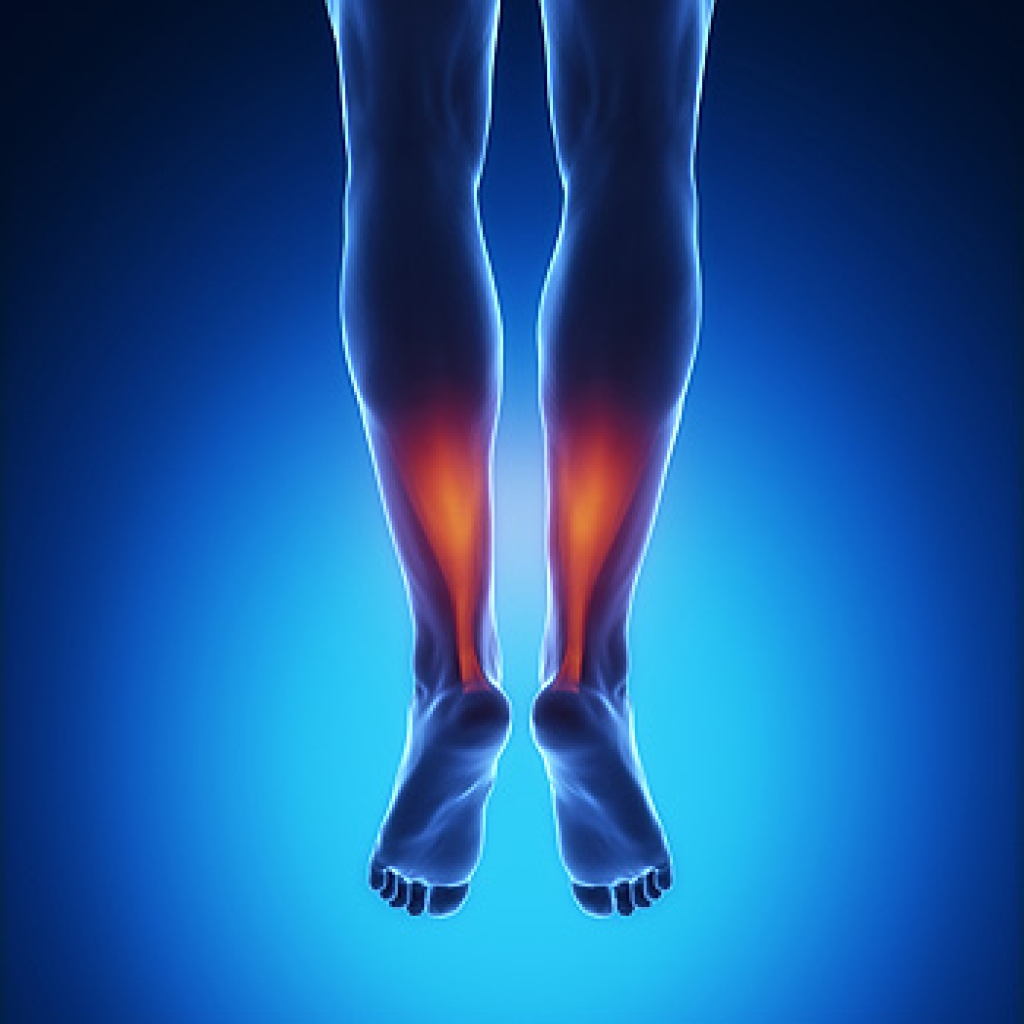
If pain and stiffness are experienced in the back of the heel, you may be suffering from an Achilles tendon injury. This is the thickest tendon in the body and its purpose is to connect the back of the heel to the calf muscle. Runners are often afflicted by Achilles tendon conditions because of the force of the impact that occurs when the foot meets the ground. People with compromised immune systems may be at risk for injuring an Achilles tendon, and having flat feet or weakened calf muscles may also be contributing factors. Achilles tendonitis generally begins with a dull ache in the back of the heel and if ignored, the pain in the tendon may become severe, possibly affecting the ability to run or walk. An Achilles tendon rupture is a much more immediate injury that is extremely painful. A consultation with a podiatrist is suggested for information about proper exercises and treatment that will aid in healing the Achilles tendon.

Achilles tendon injuries need immediate attention to avoid future complications. If you have any concerns, contact Dr. Kennedy Legel of Advanced Foot & Ankle Care Specialists. Our doctor can provide the care you need to keep you pain-free and on your feet.

What Is the Achilles Tendon?

The Achilles tendon is a tendon that connects the lower leg muscles and calf to the heel of the foot. It is the strongest tendon in the human body and is essential for making movement possible. Because this tendon is such an integral part of the body, any injuries to it can create immense difficulties and should immediately be presented to a doctor.

What Are the Symptoms of an Achilles Tendon Injury?

There are various types of injuries that can affect the Achilles tendon. The two most common injuries are Achilles tendinitis and ruptures of the tendon.

Achilles Tendinitis Symptoms

  • Inflammation
  • Dull to severe pain
  • Increased blood flow to the tendon
  • Thickening of the tendon

Rupture Symptoms

  • Extreme pain and swelling in the foot
  • Total immobility

Treatment and Prevention

Achilles tendon injuries are diagnosed by a thorough physical evaluation, which can include an MRI. Treatment involves rest, physical therapy, and in some cases, surgery. However, various preventative measures can be taken to avoid these injuries, such as:

  • Thorough stretching of the tendon before and after exercise
  • Strengthening exercises like calf raises, squats, leg curls, leg extensions, leg raises, lunges, and leg presses

If you have any questions please feel free to contact our office located in Dallas, TX . We offer the newest diagnostic tools and technology to treat your foot and ankle needs.

Read more about What are Achilles Tendon Injuries

It's Time for Beautiful Feet

You don't need an excuse to have beautiful nails. Step outside without worrying about the appearance of your feet.

Benefits of Wearing Proper Boots While Hiking

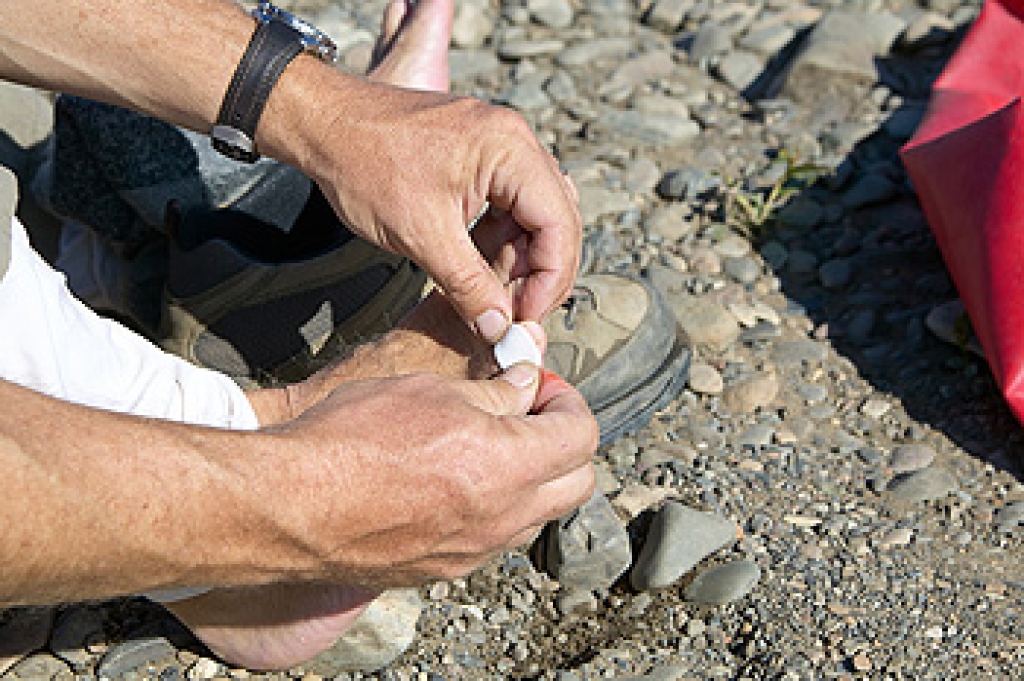
Most hikers are aware of the fact that even the smallest blister can cause extreme pain, possibly forcing your excursion to be cut short. By choosing the proper boots and socks, many blisters can be prevented, thus making the hiking experience more enjoyable. Since heat, moisture, and friction are the main causes of blisters, it’s wise to keep the feet as dry as possible. Additionally, it’s smart to avoid the friction that causes this condition, which may possibly come from gravel or sand in the boot. When choosing a hiking boot, it’s beneficial to obtain a proper fit, which may include boots that do not have pressure points. Utilizing hiking boot inserts may be an option, which will cover the areas where blisters generally form. As the hiking expedition progresses, it’s wise to rest and let the feet air out, eliminating moisture that may have accumulated. If a blister does occur, applying a loose bandage and refraining from the activity that caused it will generally help it heal more quickly.

Blisters are prone to making everyday activities extremely uncomfortable. If your feet are hurting, contact Dr. Kennedy Legel of Advanced Foot & Ankle Care Specialists. Our doctor can provide the care you need to keep you pain-free and on your feet.

Foot Blisters

Foot blisters develop as a result of constantly wearing tight or ill-fitting footwear. This happens due to the constant rubbing from the shoe, which can often lead to pain.

What Are Foot Blisters?

A foot blister is a small fluid-filled pocket that forms on the upper-most layer of the skin. Blisters are filled with clear fluid and can lead to blood drainage or pus if the area becomes infected.

How Do Blisters Form?

Blisters on the feet are often the result of constant friction of skin and material, usually by shoe rubbing. Walking in sandals, boots, or shoes that don’t fit properly for long periods of time can result in a blister. Having consistent foot moisture and humidity can easily lead to blister formation.

Prevention & Treatment

It is important to properly care for the affected area in order to prevent infection and ease the pain. Do not lance the blister and use a Band-Aid to provide pain relief. Also, be sure to keep your feet dry and wear proper fitting shoes. If you see blood or pus in a blister, seek assistance from a podiatrist.

If you have any questions, please feel free to contact our office located in Dallas, TX . We offer the newest diagnostic and treatment technologies for all your foot care needs.

Read more about Blisters on the Feet

Can Athlete’s Foot Affect Everyone?

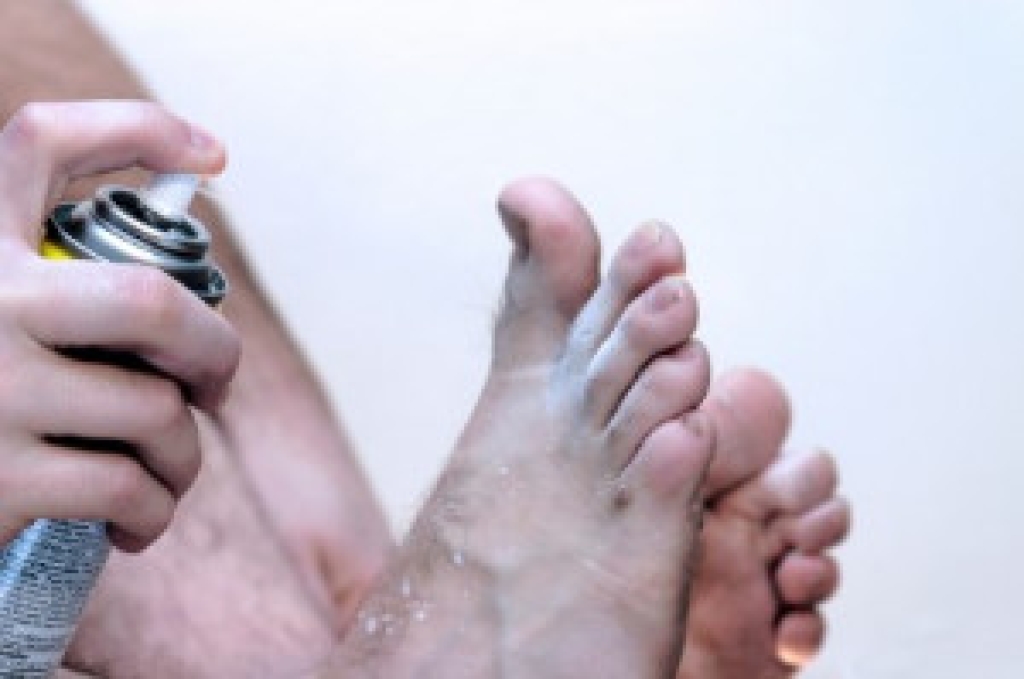
Athlete’s foot is a condition that often affects the skin between the toes. The skin will become soft from moisture development and may peel away effortlessly, in addition to possibly having an unpleasant odor. Severe itching generally accompanies athlete’s foot and is often caused by a bacterial infection. Medical conditions such as eczema or psoriasis may also be possible pre-existing conditions that help athlete’s foot develop. It may be prevalent in people who are involved in sports because of the heavy sweating that’s often produced. If public showers are used, it’s suggested that shoes are worn to protect the feet against fungus that may be present on the shower floor. A common method for diagnosing athlete’s foot involves scraping off a portion of the affected area to observe for any signs of infection. If you find that you have athlete’s foot, it’s important to dry your feet thoroughly, particularly in between the toes, and choose shoes that give the toes ample room for movement. Treatment may include using an antifungal ointment and powder for extended relief.

Athlete’s foot is an inconvenient condition that can be easily reduced with the proper treatment. If you have any concerns about your feet and ankles, contact Dr. Kennedy Legel from Advanced Foot & Ankle Care Specialists.  Our doctor will treat your foot and ankle needs.

Athlete’s Foot: The Sole Story

Athlete's foot, also known as tinea pedis, can be an extremely contagious foot infection. It is commonly contracted in public changing areas and bathrooms, dormitory style living quarters, around locker rooms and public swimming pools, or anywhere your feet often come into contact with other people.

Solutions to Combat Athlete’s Foot

  • Hydrate your feet by using lotion
  • Exfoliate
  • Buff off nails
  • Use of anti-fungal products
  • Examine your feet and visit your doctor if any suspicious blisters or cuts develop

Athlete’s foot can cause many irritating symptoms such as dry and flaking skin, itching, and redness. Some more severe symptoms can include bleeding and cracked skin, intense itching and burning, and even pain when walking. In the worst cases, Athlete’s foot can cause blistering as well. Speak to your podiatrist for a better understanding of the different causes of Athlete’s foot, as well as help in determining which treatment options are best for you.

If you have any questions please feel free to contact our office located in Dallas, TX . We offer the newest diagnostic and treatment technologies for all your foot and ankle needs.

Read more about Athlete's Foot

Heel Pain Can Be Treated!

Do you suffer from heel pain when you get up in the morning? If so, you should seek professional help and have a proper diagnosis performed. Heel pain can be caused by several different foot-related conditions.

scroll to top