
Types of Foot and Ankle Injuries

Many children may endure foot and ankle injuries if they are involved in sporting activities. These may include basketball or football, which may involve a sudden change of direction. Gymnasts may have increased chances of having foot or ankle problems, and this may be a result of jumping up and landing on the foot. Many adults may fall due to reduced muscle strength and vision loss, which may result in a broken foot or sprained ankle. If a tendon should become torn in your heel, you may have what is known as an Achilles tendon injury. Heavy objects that fall on your foot may lead to a fractured a bone, or broken toe. If you are experiencing foot pain that is a result of an injury, please consult with a podiatrist who can properly guide you toward proper treatment.

Foot and ankle trauma is common among athletes and the elderly. If you have concerns that you may have experienced trauma to the foot and ankle, consult with Dr. Kennedy Legel from Advanced Foot & Ankle Care Specialists. Our doctor will assess your condition and provide you with quality foot and ankle treatment.

Foot and ankle trauma cover a range of injuries all over the foot; common injuries include:

  • Broken bones
  • Muscle strains
  • Injuries to the tendons and ligaments
  • Stress fractures

Symptoms

Symptoms of foot and ankle injuries vary depending on the injury, but more common ones include:

  • Bruising
  • Inflammation/ Swelling
  • Pain

Diagnosis

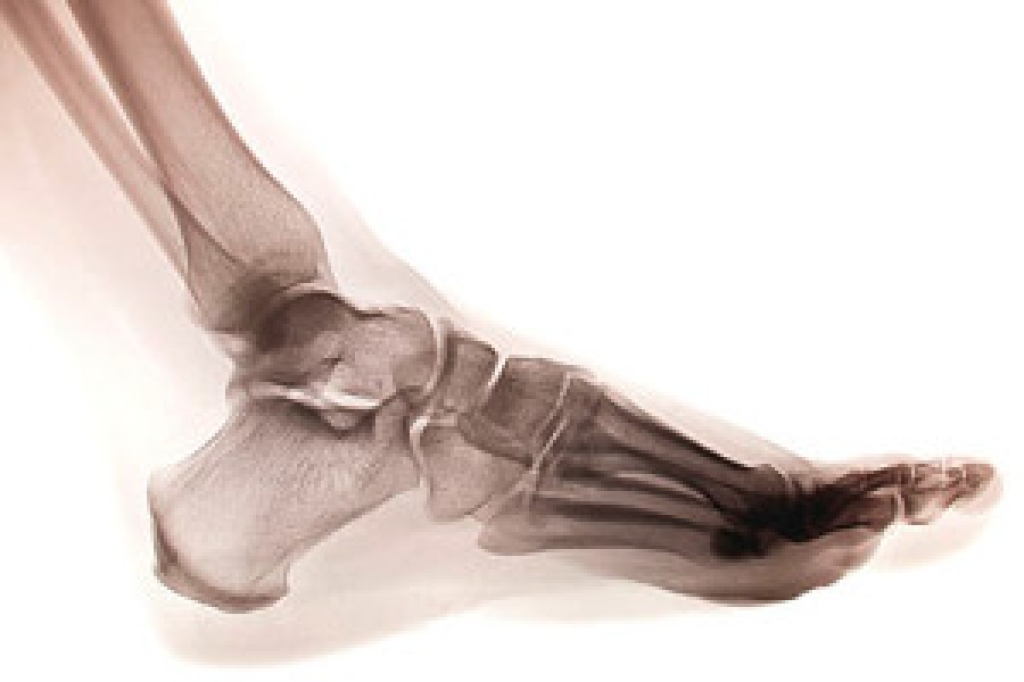
To properly diagnose the exact type of injury, podiatrists will conduct a number of different tests. Some of these include sensation and visual tests, X-rays, and MRIs. Medical and family histories will also be taken into account.

Treatment

Once the injury has been diagnosed, the podiatrist can than offer the best treatment options for you. In less severe cases, rest and keeping pressure off the foot may be all that’s necessary. Orthotics, such as a specially made shoes, or immobilization devices, like splints or casts, may be deemed necessary. Finally, if the injury is severe enough, surgery may be necessary.

If you have any questions, please feel free to contact our office located in Dallas, TX . We offer the newest diagnostic and treatment technologies for all your foot care needs.
Read more about Foot and Ankle Trauma

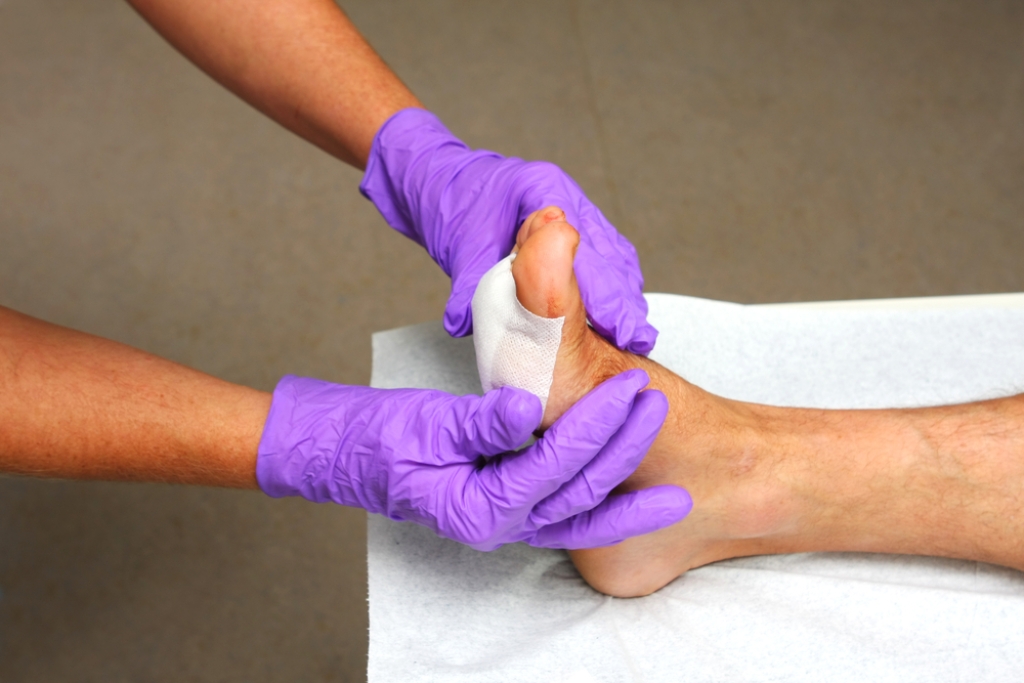
Keeping Pressure Off Foot Wounds

Wounds take time and attention to heal, especially when they are on the foot. Similar to injuries known as bedsores, wounds on the bottom of the feet are constantly under pressure. This pressure slows the healing process, because blood flow is weakened. Keeping pressure off the wound is essential in order to get the blood flowing back into the foot and facilitate the healing process. This can be done in easy ways, such as sitting or laying down. Standing directly on a wound probably causes some discomfort anyway, so giving it time to breathe is important. If you have an open wound on your foot and have additional questions, then it is recommended that you speak with a podiatrist to learn about the proper treatment options.

Wound care is an important part in dealing with diabetes. If you have diabetes and a foot wound or would like more information about wound care for diabetics, consult with Dr. Kennedy Legel from Advanced Foot & Ankle Care Specialists. Our doctor will assess your condition and provide you with quality foot and ankle treatment.

What Is Wound Care?

Wound care is the practice of taking proper care of a wound. This can range from the smallest to the largest of wounds. While everyone can benefit from proper wound care, it is much more important for diabetics. Diabetics often suffer from poor blood circulation which causes wounds to heal much slower than they would in a non-diabetic. 

What Is the Importance of Wound Care?

While it may not seem apparent with small ulcers on the foot, for diabetics, any size ulcer can become infected. Diabetics often also suffer from neuropathy, or nerve loss. This means they might not even feel when they have an ulcer on their foot. If the wound becomes severely infected, amputation may be necessary. Therefore, it is of the upmost importance to properly care for any and all foot wounds.

How to Care for Wounds

The best way to care for foot wounds is to prevent them. For diabetics, this means daily inspections of the feet for any signs of abnormalities or ulcers. It is also recommended to see a podiatrist several times a year for a foot inspection. If you do have an ulcer, run the wound under water to clear dirt from the wound; then apply antibiotic ointment to the wound and cover with a bandage. Bandages should be changed daily and keeping pressure off the wound is smart. It is advised to see a podiatrist, who can keep an eye on it.

If you have any questions please contact our office located in Dallas, TX . We offer the newest diagnostic and treatment technologies for all your foot and ankle needs.

Read more about Wound Care

The Importance of Checking Your Feet Daily

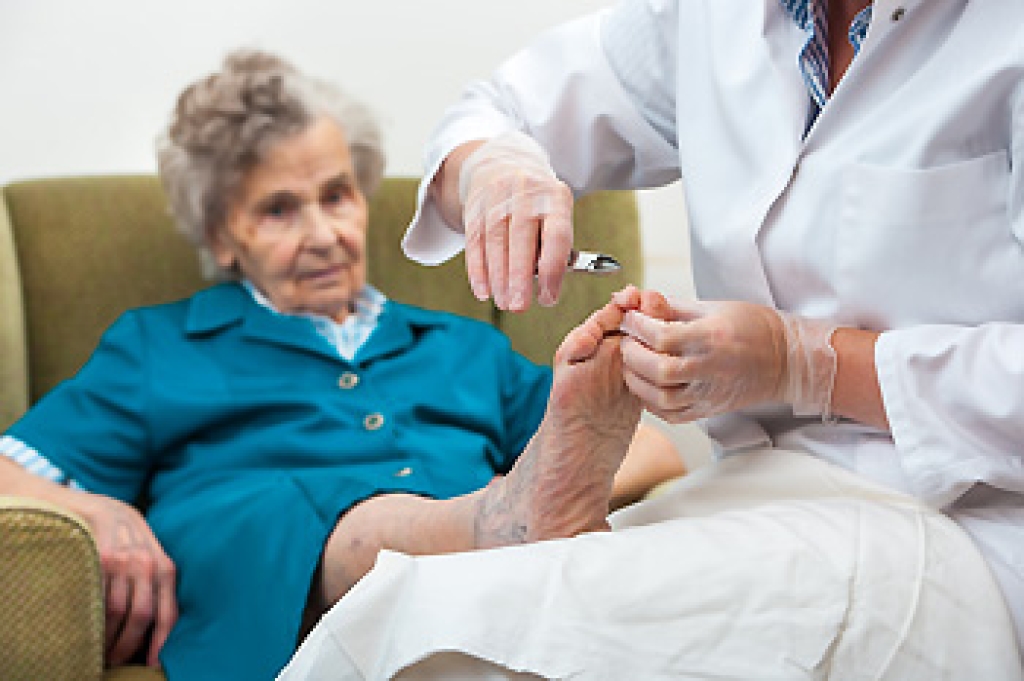
Foot health is always important, but its importance increases with age. Foot care becomes increasingly crucial for older adults. Performing daily foot exams is essential in making sure your feet are healthy, especially if you have diabetes. These daily exams can be easily accomplished when moisturizing your feet, which also helps overall foot health. Moisturizing daily assists in preventing cracking of the skin, but while moisturizing it is imperative to check the whole foot for wounds, sores, blisters, calluses, and corns. If you find any sores or wounds, then wash them and apply antibiotic ointment. Apply bandages to any callus or corns to prevent further friction. Sadly for older adults, small conditions like these can lead to larger complications, so paying attention to your feet is important. If you have any concerns involving your foot health, then it is strongly recommended that you speak with a podiatrist to learn more about any particular issue.

If you need your feet checked, contact Dr. Kennedy Legel of Advanced Foot & Ankle Care Specialists. Our doctor will attend to all of your foot and ankle needs and provide you with quality treatment.

Geriatrics and Podiatry
When people age, some common issues that may occur are bone density loss, dry skin, poor circulation, and rough brittle nails. These issues may also affect your foot health if the necessary steps are not taken to alleviate the problems.

It is important to take care of your feet because feet that are injured or diseased can affect your overall health. Having painful feet hinders your ability to do daily activities or may decrease your willingness to do the things that you need to do.

Visiting Your Geriatrician
As we age, health problems become more likely, so it is essential to visit your doctor for check-ups to ensure that you are doing the best you can to take care of your health. It is recommended to check your feet frequently for any possible cuts, bruises, swelling, corns or any other irregularities. 

Taking Care of Elderly Feet
Cracked or dry feet can be treated by applying moisturizer often. It is also important not to wear old socks because the older the sock is, the higher the possibility there will be that there is bacteria there. Wear fresh socks and make sure they fit properly.

Proper foot health means that you can have a more active lifestyle and you will not be bogged down by pain. Foot health also leads to good circulation, which is paramount for overall health.

If you have any questions, please feel free to contact our office located in Dallas, TX . We offer the newest diagnostic and treatment technologies for all your foot care needs.
Read more about Geriatrics and Podiatry

How to Care for Your Broken Foot

A broken foot is one of the most debilitating injuries one can face, due to the fact that it hinders your ability to walk. A speedy recovery is ideal when dealing with broken bones, especially when it comes to broken bones within the feet. The recovery period is usually 6-8 weeks, but taking care of yourself and your feet is key in making sure you recover in a timely manner. To begin, try to take your pain medications exactly as instructed by your physician. Try leaving your splint on until your scheduled follow-up appointment and avoid putting weight on the injured foot. Try to ice your foot for 10-20 minutes every 1-2 hours the first few days following the initial injury, or until the swelling goes down. Doing this in conjunction with keeping your foot elevated above your heart, may help subside the swelling. Follow all the cast and foot care instructions your doctor gave you to avoid delaying the healing process. If you would like any additional information on how to care for a broken foot properly, then it is suggested you speak with a podiatrist.

A broken foot requires immediate medical attention and treatment. If you need your feet checked, contact Dr. Kennedy Legel from Advanced Foot & Ankle Care Specialists. Our doctor can provide the care you need to keep you pain-free and on your feet.

Broken Foot Causes, Symptoms, and Treatment

A broken foot is caused by one of the bones in the foot typically breaking when bended, crushed, or stretched beyond its natural capabilities. Usually the location of the fracture indicates how the break occurred, whether it was through an object, fall, or any other type of injury. 

Common Symptoms of Broken Feet:

  • Bruising
  • Pain
  • Redness
  • Swelling
  • Blue in color
  • Numbness
  • Cold
  • Misshapen
  • Cuts
  • Deformities

Those that suspect they have a broken foot shoot seek urgent medical attention where a medical professional could diagnose the severity.

Treatment for broken bones varies depending on the cause, severity and location. Some will require the use of splints, casts or crutches while others could even involve surgery to repair the broken bones. Personal care includes the use of ice and keeping the foot stabilized and elevated.

If you have any questions, please feel free to contact our office located in Dallas, TX . We offer the newest diagnostic and treatment technologies for all your foot care needs.

Read more about Causes, Symptoms, and Treatment for a Broken Foot
scroll to top