
Your feet are covered most of the day. If you're diabetic, periodic screening is important for good health. Numbness is often a sign of diabetic foot and can mask a sore or wound.
Your feet are covered most of the day. If you're diabetic, periodic screening is important for good health. Numbness is often a sign of diabetic foot and can mask a sore or wound.
 Research has indicated that running shoes are the most important purchase a runner can make. There are several choices available, which is why it is beneficial that proper knowledge is acquired before a purchase is made. There are three portions of each running shoe, consisting of the upper, midsole, and outsole. The upper keeps the foot stable, and consists of the laces and tongue of the shoe. The midsole contains cushioning and governs how the foot moves in the shoe. The outsole controls the traction of how the shoe operates on pavement or trails. Some runners prefer a minimal shoe, which may feel similar to running barefoot. Other runners may enjoy running in shoes that have maximum cushioning and support. If you are interested in buying running shoes, it is advised that you consult with a podiatrist for advice on what style of shoe is best suited for your running preferences.
If you are a runner, wearing the right running shoe is essential. For more information, contact Dr. Kennedy Legel from Advanced Foot & Ankle Care Specialists. Our doctor can provide the care you need to keep you pain-free and on your feet.
Choosing the Right Running Shoe for Your Foot Type
To increase performance and avoid the risk of injury, it is important to choose the right running shoe based on your foot type. The general design of running shoes revolves around pronation, which is how the ankle rolls from outside to inside when the foot strikes the ground.
If you have any questions, please feel free to contact our office located in Dallas, TX . We offer the newest diagnostic and treatment technologies for all your foot care needs.
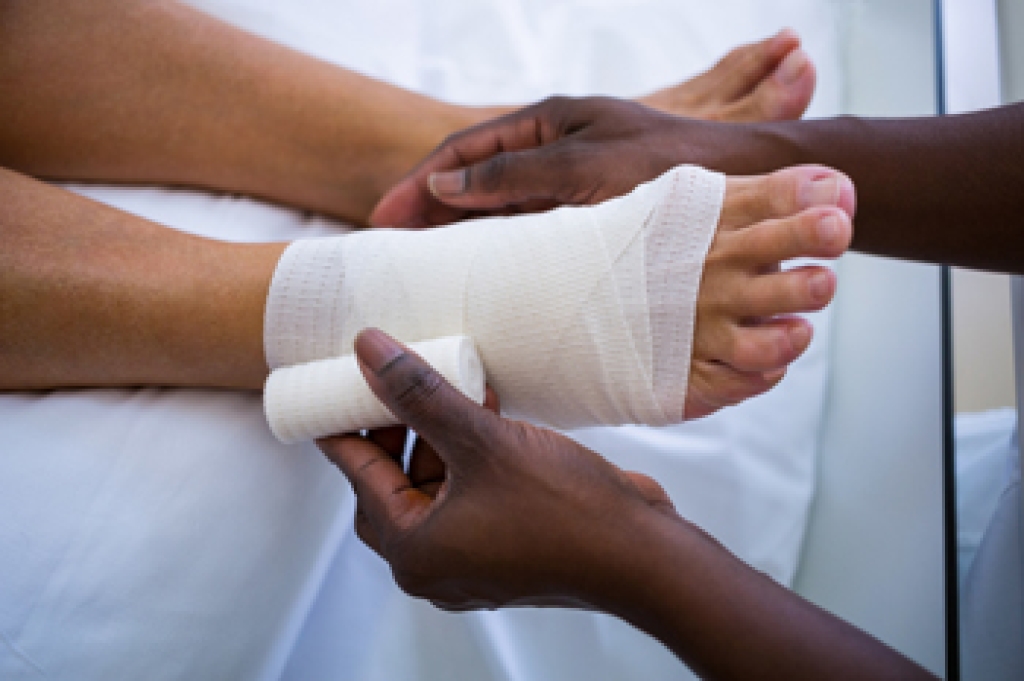 Many diabetic patients are aware of the importance of promptly treating existing foot wounds. There may be serious complications if foot wounds are not treated, which may cause pain and discomfort. Some of the wounds on the feet that can be dangerous to the health of a diabetic patient can include cuts, blisters, or severely dry skin that may result in cracked heels. There are noticeable signs an infection may have developed. These can consist of extreme pain, swelling, and pus may appear surrounding the affected area. Additionally, some patients may experience a high temperature, swollen glands, or a general feeling of being unwell. If you have wounds on your feet, it is strongly advised that you are under the care of a podiatrist who can treat existing wounds.
Wound care is an important part in dealing with diabetes. If you have diabetes and a foot wound or would like more information about wound care for diabetics, consult with Dr. Kennedy Legel from Advanced Foot & Ankle Care Specialists. Our doctor will assess your condition and provide you with quality foot and ankle treatment.
What Is Wound Care?
Wound care is the practice of taking proper care of a wound. This can range from the smallest to the largest of wounds. While everyone can benefit from proper wound care, it is much more important for diabetics. Diabetics often suffer from poor blood circulation which causes wounds to heal much slower than they would in a non-diabetic.
What Is the Importance of Wound Care?
While it may not seem apparent with small ulcers on the foot, for diabetics, any size ulcer can become infected. Diabetics often also suffer from neuropathy, or nerve loss. This means they might not even feel when they have an ulcer on their foot. If the wound becomes severely infected, amputation may be necessary. Therefore, it is of the upmost importance to properly care for any and all foot wounds.
How to Care for Wounds
The best way to care for foot wounds is to prevent them. For diabetics, this means daily inspections of the feet for any signs of abnormalities or ulcers. It is also recommended to see a podiatrist several times a year for a foot inspection. If you do have an ulcer, run the wound under water to clear dirt from the wound; then apply antibiotic ointment to the wound and cover with a bandage. Bandages should be changed daily and keeping pressure off the wound is smart. It is advised to see a podiatrist, who can keep an eye on it.
If you have any questions please contact our office located in Dallas, TX . We offer the newest diagnostic and treatment technologies for all your foot and ankle needs.
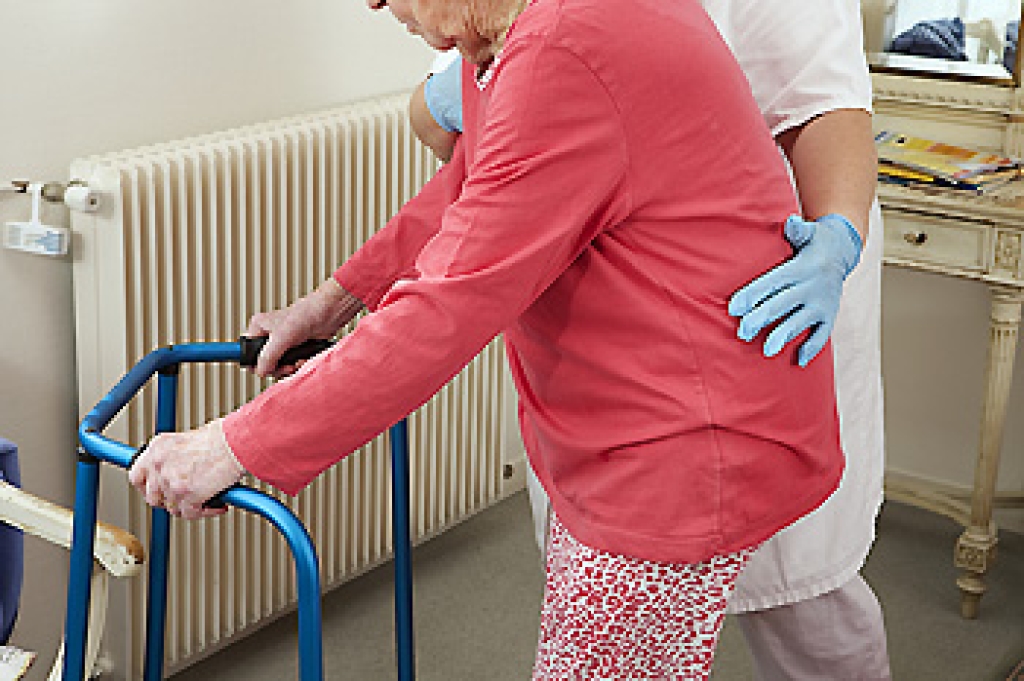 It’s quite common that as we age, we start to become a little less stable on our feet. Because of this, it may be beneficial to take certain actions in helping to prevent falling, as well as injuring the feet. The first step in this process would be making sure your home is safe and accessible. Part of this involves keeping your home clean and avoiding an excess of clutter, as this may help to lessen your chances of accidentally tripping on something. Similarly, you want to make sure you can see any obstacle that may be in your way. With that in mind, keeping your house well lit, especially around stairs, can be extremely useful. Speaking of stairs, if you don’t already, you should have hand railings installed for extra support. Another great tip for preventing falls is investing in furniture that will stay put. This can be done through the use of non-skid mats for bathroom or showers, as well as rugs paired with double-sided tape. For more helpful tips about falls prevention, we recommend you consult with a podiatrist for professional advice.
Preventing falls among the elderly is very important. If you are older and have fallen or fear that you are prone to falling, consult with Dr. Kennedy Legel from Advanced Foot & Ankle Care Specialists. Our doctor will assess your condition and provide you with quality advice and care.
Every 11 seconds, an elderly American is being treated in an emergency room for a fall related injury. Falls are the leading cause of head and hip injuries for those 65 and older. Due to decreases in strength, balance, senses, and lack of awareness, elderly persons are very susceptible to falling. Thankfully, there are a number of things older persons can do to prevent falls.
How to Prevent Falls
Some effective methods that older persons can do to prevent falls include:
Falling can be a traumatic and embarrassing experience for elderly persons; this can make them less willing to leave the house, and less willing to talk to someone about their fears of falling. Doing such things, however, will increase the likelihood of tripping or losing one’s balance. Knowing the causes of falling and how to prevent them is the best way to mitigate the risk of serious injury.
If you have any questions, please feel free to contact our office located in Dallas, TX . We offer the newest diagnostic and treatment technologies for all your foot care needs.
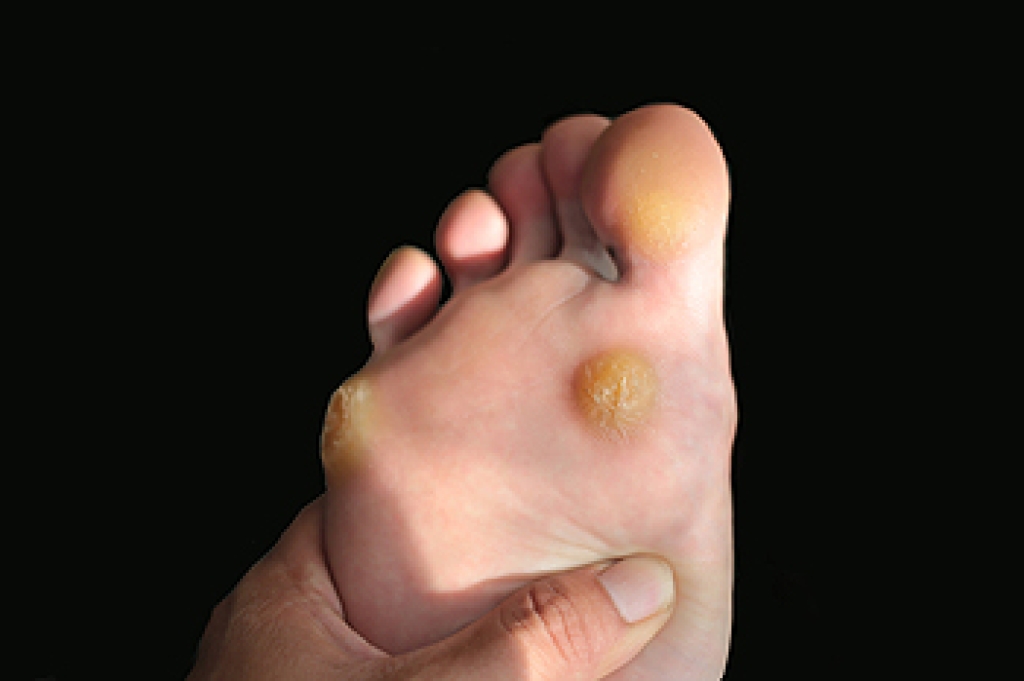
Patients who have corns on their feet are often aware of the pain and discomfort they may cause. A corn is a hardened area of skin that forms on the bottom of the feet, or between the toes. It can form as a result of wearing shoes that do not fit correctly, or from medical conditions that can include arthritis. The corn may feel better when the foot is soaked in warm water, followed by gently filing the affected area with a pumice stone. Some patients find it beneficial to apply a small pad over the corn, which may be helpful in reducing any friction as the toe rubs against the shoe. If you have corns on your feet, it is suggested that you speak with a podiatrist who can help you to find relief.
If you have any concerns regarding your feet and ankles, contact Dr. Kennedy Legel of Advanced Foot & Ankle Care Specialists. Our doctor will treat your foot and ankle needs.
Corns: What Are They? and How Do You Get Rid of Them?
Corns can be described as areas of the skin that have thickened to the point of becoming painful or irritating. They are often layers and layers of the skin that have become dry and rough, and are normally smaller than calluses.
Ways to Prevent Corns
There are many ways to get rid of painful corns such as wearing:
Treating Corns
Treatment of corns involves removing the dead skin that has built up in the specific area of the foot. Consult with Our doctor to determine the best treatment option for your case of corns.
If you have any questions, please feel free to contact our office located in Dallas, TX . We offer the newest diagnostic and treatment technologies for all your foot care needs.
