
From Crawling to Walking


Many people think babies' feet are smaller versions of their own adult feet, despite the fact that they go through a detailed developmental process. There are levels of growth in babies' feet. They start out crawling, and this phase can strengthen the feet by stretching the toes. As children start to walk, their feet become toned, and their soft cartilage begins to harden. It is beneficial to refrain from having your child wear shoes while walking indoors, as this can help to stretch the ligaments, tendons, and muscles that are found in each foot. The first pair of shoes should be worn when walking begins outside. It is important to monitor your child’s foot development and to be aware of any abnormalities if they appear. If you would like additional information about the stages of babies’ foot development, please consult with a podiatrist.

The health of a child’s feet is vital to their overall well-being. If you have any questions regarding foot health, contact Dr. Kennedy Legel of Advanced Foot & Ankle Care Specialists. Our doctor can provide the care you need to keep you pain-free and on your feet.

Tips for Keeping Children's Feet Healthy

  • Make sure their shoes fit properly
  • Look for any signs of in-toeing or out-toeing
  • Check to see if they have Clubfoot (condition that affects your child’s foot and ankle, twisting the heel and toes inward) which is one of the most common nonmajor birth defects.
  • Lightly cover your baby’s feet (Tight covers may keep your baby from moving their feet freely, and could prevent normal development)
  • Allow your toddler to go shoeless (Shoes can be restricting for a young child’s foot)
  • Cut toenails straight across to avoid ingrown toenails
  • Keep your child’s foot clean and dry
  • Cover cuts and scrapes. Wash any scratches with soap and water and cover them with a bandage until they’ve healed.

If you have any questions, please feel free to contact our office located in Dallas, TX . We offer the newest diagnostic and treatment technologies for all your foot care needs.

Read more about How to Care for Your Child's Feet

It's Time for Beautiful Feet

You don't need an excuse to have beautiful nails. Step outside without worrying about the appearance of your feet.

Managing Pain From an Ankle Sprain

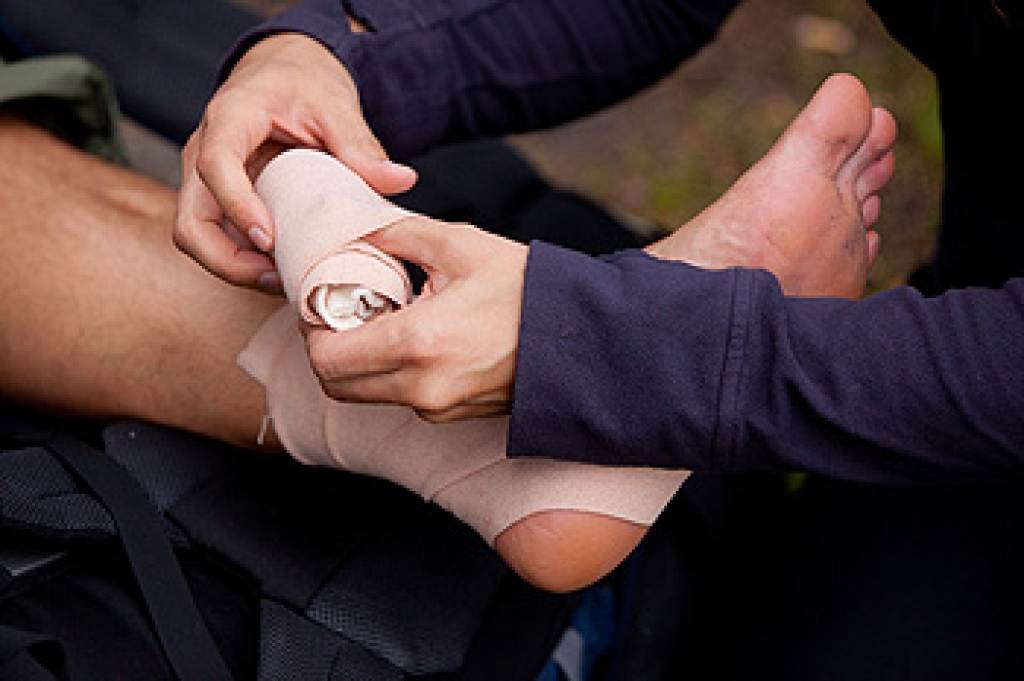
Ankle sprains are common injuries in which the ligaments of the ankle are overstretched or torn due to trauma. The symptoms of an ankle sprain may include pain, soreness, swelling, bruising, difficulty walking, and stiffness in the ankle joint. Although an ankle sprain can be painful at the time of injury, the pain tends to lessen within a couple of weeks. Conservative treatments such as resting, icing, compressing, and elevating the affected ankle and taking nonsteroidal anti-inflammatory medications are typically effective for managing the pain from an ankle sprain. If you have injured your ankle, it is suggested that you seek the care of a podiatrist. 

Although ankle sprains are common, they aren’t always minor injuries. If you need your ankle injury looked at, contact Dr. Kennedy Legel from Advanced Foot & Ankle Care Specialists. Our doctor can provide the care you need to keep you pain-free and on your feet.

How Does an Ankle Sprain Occur?

Ankle sprains are the result of a tear in the ligaments within the ankle. These injuries may happen when you make a rapid shifting movement while your foot is planted. A less common way to sprain your ankle is when your ankle rolls inward while your foot turns outward.

What Are the Symptoms?

  • Pain at the sight of the tear
  • Bruising/Swelling
  • Ankle area is tender to touch
  • In severe cases, may hear/feel something tear
  • Skin discoloration

Preventing a Sprain

  • Wearing appropriate shoes for the occasion
  • Stretching before exercises and sports
  • Knowing your limits

Treatment of a Sprain

In many cases, the RICE method (Rest, Ice, Compression, and Elevate) is used to treat ankle sprains. However, you should see a podiatrist to see which treatment option would work best with your injury. In severe cases, surgery may be required.

It is important to ask your doctor about rehab options after you receive treatment for your injury. Stretching, strength training, and balance exercises may help the ankle heal while also preventing further injury.

If you have any questions, please feel free to contact our office located in Dallas, TX . We offer the newest diagnostic and treatment technologies for all your foot care needs.

Read more about Ankle Sprains

Plantar Fasciitis in Athletes

The plantar fascia is a band of tissue that runs along the bottom of the foot from the heel to the toes. It provides shock absorption by preventing the arch of the foot from completely flattening when bearing weight, and it allows us to point our toes as well. When the plantar fascia becomes inflamed, usually from repetitive overstretching while running, plantar fasciitis occurs. Pain is usually felt along the bottom of the foot and in the heel. Because of the long periods of standing followed by quick and sudden movements inherent in sports, baseball, football, and tennis players are often sidelined with this condition. Rest is the best treatment for plantar fasciitis, but in some severe cases surgery may be necessary. Players who opt for surgery will need 3-4 months for recovery. Athletes who are suffering from plantar fasciitis pain should be under the care of a podiatrist.

Plantar fasciitis is a common foot condition that is often caused by a strain injury. If you are experiencing heel pain or symptoms of plantar fasciitis, contact Dr. Kennedy Legel from Advanced Foot & Ankle Care Specialists. Our doctor can provide the care you need to keep you pain-free and on your feet.

What Is Plantar Fasciitis?

Plantar fasciitis is one of the most common causes of heel pain. The plantar fascia is a ligament that connects your heel to the front of your foot. When this ligament becomes inflamed, plantar fasciitis is the result. If you have plantar fasciitis you will have a stabbing pain that usually occurs with your first steps in the morning. As the day progresses and you walk around more, this pain will start to disappear, but it will return after long periods of standing or sitting.

What Causes Plantar Fasciitis?

  • Excessive running
  • Having high arches in your feet
  • Other foot issues such as flat feet
  • Pregnancy (due to the sudden weight gain)
  • Being on your feet very often

There are some risk factors that may make you more likely to develop plantar fasciitis compared to others. The condition most commonly affects adults between the ages of 40 and 60. It also tends to affect people who are obese because the extra pounds result in extra stress being placed on the plantar fascia.

Prevention

  • Take good care of your feet – Wear shoes that have good arch support and heel cushioning.
  • Maintain a healthy weight
  • If you are a runner, alternate running with other sports that won’t cause heel pain

There are a variety of treatment options available for plantar fasciitis along with the pain that accompanies it. Additionally, physical therapy is a very important component in the treatment process. It is important that you meet with your podiatrist to determine which treatment option is best for you.

If you have any questions, please feel free to contact our office located in Dallas, TX . We offer the newest diagnostic and treatment technologies for all your foot care needs.

 

Read more about Plantar Fasciitis

Monitoring Glucose Levels May Help Diabetic Patients

Dangers to the feet are a concern among diabetic patients. Complications could arise that affect the ability to feel cuts, bruises, and wounds on the feet, and can cause infections. A method that can keep the feet healthy can include monitoring glucose levels. Elevated sugar levels can be what causes a loss of feeling in the feet, and keeping a watchful eye may be helpful in preventing wounds and ulcers from developing. Many diabetic patients find it beneficial to place a mirror on the floor that can help to inspect the bottom of the feet. The feet need to be washed daily, and the toenails trimmed properly. There are many ways to protect the feet from diabetes. If you have this condition, it is suggested that you are under the care of a podiatrist who can help you to manage this ailment.

Diabetic foot care is important in preventing foot ailments such as ulcers. If you are suffering from diabetes or have any other concerns about your feet, contact Dr. Kennedy Legel from Advanced Foot & Ankle Care Specialists. Our doctor can provide the care you need to keep you pain-free and on your feet.

Diabetic Foot Care

Diabetes affects millions of people every year. The condition can damage blood vessels in many parts of the body, especially the feet. Because of this, taking care of your feet is essential if you have diabetes, and having a podiatrist help monitor your foot health is highly recommended.

The Importance of Caring for Your Feet

  • Routinely inspect your feet for bruises or sores.
  • Wear socks that fit your feet comfortably.
  • Wear comfortable shoes that provide adequate support.

Patients with diabetes should have their doctor monitor their blood levels, as blood sugar levels play such a huge role in diabetic care. Monitoring these levels on a regular basis is highly advised.

It is always best to inform your healthcare professional of any concerns you may have regarding your feet, especially for diabetic patients. Early treatment and routine foot examinations are keys to maintaining proper health, especially because severe complications can arise if proper treatment is not applied.

If you have any questions, please feel free to contact our office located in Dallas, TX . We offer the newest diagnostic and treatment technologies for all your foot care needs.

Read more about Diabetic Foot Care
scroll to top