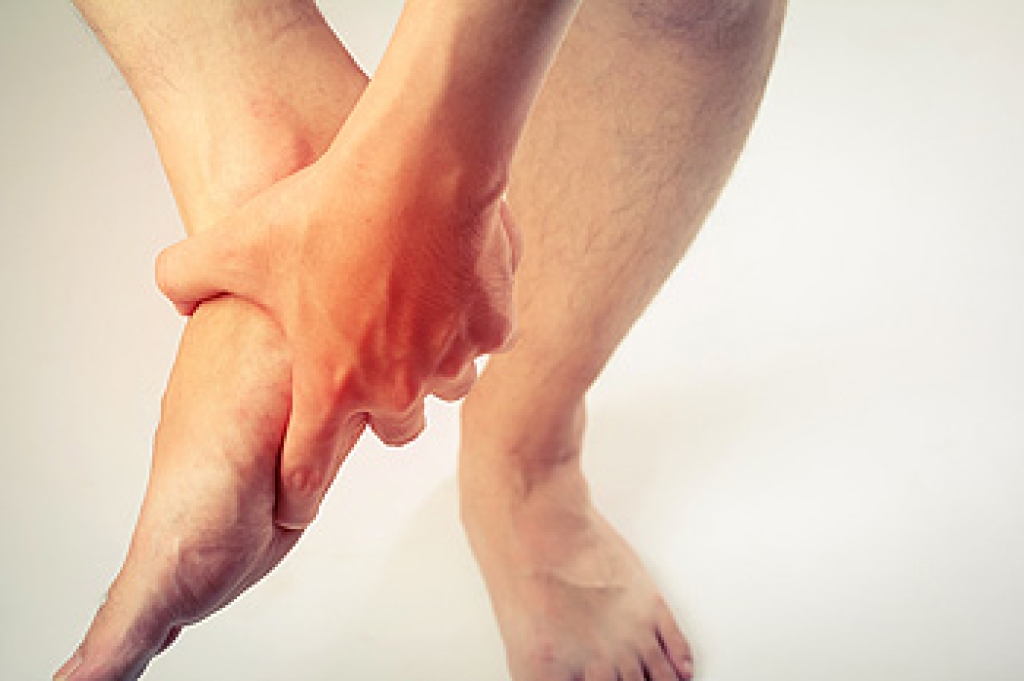
How to Deal With Chronic Foot Pain

When your feet hurt, it is not easy to to do any form of exercise. However, it is thought that being active can actually help to reduce pain in the long run. If putting weight on your feet for any period of time is simply too painful, taking to the water might help. Exercising in a pool eliminates the pressure on your feet while allowing you to move other parts of the body. Applying ice to the sore areas of your feet is another way to reduce the pain. Taking non-steroidal anti-inflammatory medication, available over the counter, can also help. Devices such as canes, walking sticks, or walkers can absorb some of the weight placed on your feet when you stand or walk. Also, check that your footwear is comfortable, roomy, cushioned and supportive. Another key contributor to foot pain is being overweight, so the combination of a healthier diet and added exercise will likely be beneficial. If your pain increases or becomes unbearable, it’s a good idea to consult a podiatrist for a complete examination and diagnosis, as well as other treatment options.

Foot Pain

Foot pain can be extremely painful and debilitating. If you have a foot pain, consult with Dr. Kennedy Legel from Advanced Foot & Ankle Care Specialists. Our doctor will assess your condition and provide you with quality foot and ankle treatment.

Causes

Foot pain is a very broad condition that could be caused by one or more ailments. The most common include:

  • Bunions
  • Hammertoes
  • Plantar Fasciitis
  • Bone Spurs
  • Corns
  • Tarsal Tunnel Syndrome
  • Ingrown Toenails
  • Arthritis (such as Gout, Rheumatoid, and Osteoarthritis)
  • Flat Feet
  • Injury (from stress fractures, broken toe, foot, ankle, Achilles tendon ruptures, and sprains)
  • And more

Diagnosis

To figure out the cause of foot pain, podiatrists utilize several different methods. This can range from simple visual inspections and sensation tests to X-rays and MRI scans. Prior medical history, family medical history, and any recent physical traumatic events will all be taken into consideration for a proper diagnosis.

Treatment

Treatment depends upon the cause of the foot pain. Whether it is resting, staying off the foot, or having surgery; podiatrists have a number of treatment options available for foot pain.

If you have any questions, please feel free to contact our office located in Dallas, TX . We offer the newest diagnostic and treatment technologies for all your foot care needs.


Read more about Foot Pain

It's Time for Beautiful Feet

You don't need an excuse to have beautiful nails. Step outside without worrying about the appearance of your feet.

When an Ankle Sprain Can Also Be a Fracture

If your ankle suddenly rolls inward, causing great pain and swelling, you may have more than a sprain. If the outer ligament is torn during an injury, it sometimes lops off a small piece of bone at the end of the fibula (the outer leg bone). Though this injury is known as a fibular avulsion fracture, it is often thought of as a moderate-to-severe ankle sprain and will not likely need surgery. Rest, ice, elevation and anti-inflammatory medication can help ease the pain. The ability to bear weight is extremely limited, and a boot or brace may also be needed to immobilize the foot. The injury is most common in older women because of osteoporosis that weakens the bones and young men whose ligaments may be much stronger than their bones. If you experience such an injury, it is suggested that you see a podiatrist as soon as possible for X-rays, diagnosis and treatment options.

Foot and ankle trauma is common among athletes and the elderly. If you have concerns that you may have experienced trauma to the foot and ankle, consult with Dr. Kennedy Legel from Advanced Foot & Ankle Care Specialists. Our doctor will assess your condition and provide you with quality foot and ankle treatment.

Foot and ankle trauma cover a range of injuries all over the foot; common injuries include:

  • Broken bones
  • Muscle strains
  • Injuries to the tendons and ligaments
  • Stress fractures

Symptoms

Symptoms of foot and ankle injuries vary depending on the injury, but more common ones include:

  • Bruising
  • Inflammation/ Swelling
  • Pain

Diagnosis

To properly diagnose the exact type of injury, podiatrists will conduct a number of different tests. Some of these include sensation and visual tests, X-rays, and MRIs. Medical and family histories will also be taken into account.

Treatment

Once the injury has been diagnosed, the podiatrist can than offer the best treatment options for you. In less severe cases, rest and keeping pressure off the foot may be all that’s necessary. Orthotics, such as a specially made shoes, or immobilization devices, like splints or casts, may be deemed necessary. Finally, if the injury is severe enough, surgery may be necessary.

If you have any questions, please feel free to contact our office located in Dallas, TX . We offer the newest diagnostic and treatment technologies for all your foot care needs.
Read more about Foot and Ankle Fractures

All About Haglund’s Deformity

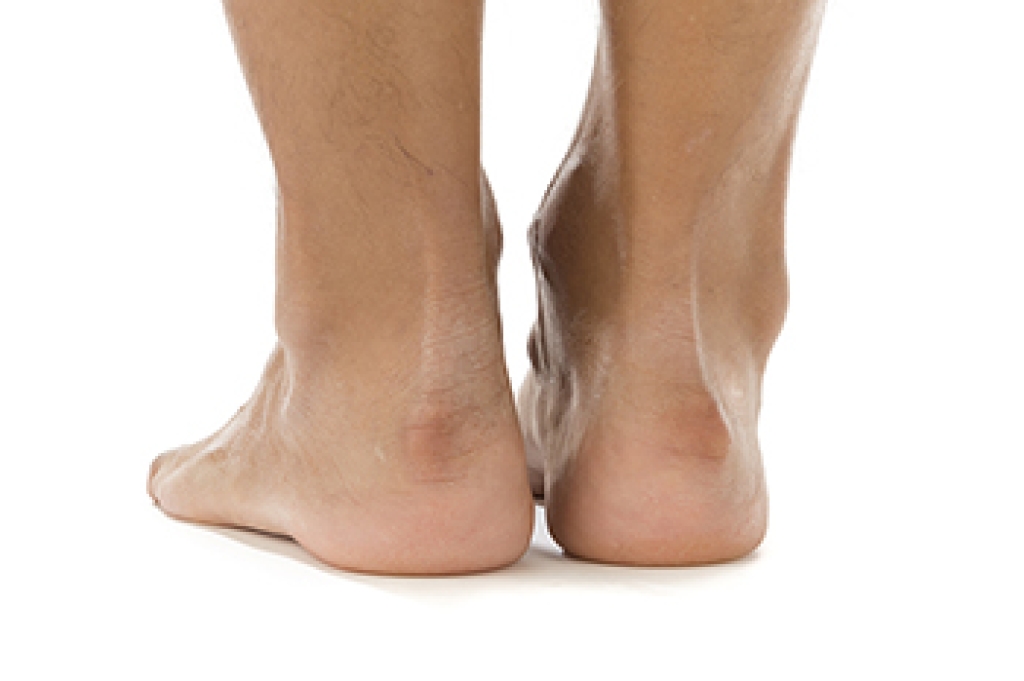
Do you have a visible bony bump on the back of your heel? If so, you may have a Haglund’s deformity, an abnormality of the foot bone and surrounding soft tissues. Though often harmless, in some people, the deformity can cause pain due to the bony bump rubbing against shoes and irritating the soft tissues around it. This can lead to another condition called bursitis, which can make the deformity larger. The larger deformity, in turn, leads to more irritation and a cycle of pain. People who wear high heels or shoes with tight or rigid backs are at an increased risk of this condition. Conservative treatments for Haglund’s deformity include wearing shoes with open backs, heel pads, or orthotics, applying ice to the bumps, and taking over-the-counter pain medications. Surgery may be an option if more conservative treatment methods fail. For more information, please consult with a podiatrist.  

Many people suffer from bouts of heel pain. For more information, contact Dr. Kennedy Legel of Advanced Foot & Ankle Care Specialists. Our doctor can provide the care you need to keep you pain-free and on your feet.

Causes of Heel Pain

Heel pain is often associated with plantar fasciitis. The plantar fascia is a band of tissues that extends along the bottom of the foot. A rip or tear in this ligament can cause inflammation of the tissue.

Achilles tendonitis is another cause of heel pain. Inflammation of the Achilles tendon will cause pain from fractures and muscle tearing. Lack of flexibility is also another symptom.

Heel spurs are another cause of pain. When the tissues of the plantar fascia undergo a great deal of stress, it can lead to ligament separation from the heel bone, causing heel spurs.

Why Might Heel Pain Occur?

  • Wearing ill-fitting shoes                
  • Wearing non-supportive shoes
  • Weight change           
  • Excessive running

Treatments

Heel pain should be treated as soon as possible for immediate results. Keeping your feet in a stress-free environment will help. If you suffer from Achilles tendonitis or plantar fasciitis, applying ice will reduce the swelling. Stretching before an exercise like running will help the muscles. Using all these tips will help make heel pain a condition of the past.

If you have any questions, please feel free to contact our office located in Dallas, TX . We offer the newest diagnostic and treatment technologies for all your foot care needs.

Read more about Heel Pain

Athlete’s Foot 101

Tinea Pedis,  more commonly known as athlete’s foot, is a fungal infection that affects the feet and toes. The fungi that cause athlete’s foot thrive in warm and moist environments. The condition is very contagious and often spreads in areas such as communal locker rooms, pools, showers, and even sweaty footwear. Common signs of athlete’s foot include scaling, redness, itchiness, and in severe cases, fissuring (or deep cracking) of the skin. Since athlete’s foot can spread easily, patients who believe they have this condition would be wise to consult with a podiatrist for a proper diagnosis and treatment plan. The infection will likely need to be treated with antifungal medications, and measures may need to be implemented to keep the feet clean and dry. 

Athlete’s foot is an inconvenient condition that can be easily reduced with the proper treatment. If you have any concerns about your feet and ankles, contact Dr. Kennedy Legel from Advanced Foot & Ankle Care Specialists.  Our doctor will treat your foot and ankle needs.

Athlete’s Foot: The Sole Story

Athlete's foot, also known as tinea pedis, can be an extremely contagious foot infection. It is commonly contracted in public changing areas and bathrooms, dormitory style living quarters, around locker rooms and public swimming pools, or anywhere your feet often come into contact with other people.

Solutions to Combat Athlete’s Foot

  • Hydrate your feet by using lotion
  • Exfoliate
  • Buff off nails
  • Use of anti-fungal products
  • Examine your feet and visit your doctor if any suspicious blisters or cuts develop

Athlete’s foot can cause many irritating symptoms such as dry and flaking skin, itching, and redness. Some more severe symptoms can include bleeding and cracked skin, intense itching and burning, and even pain when walking. In the worst cases, Athlete’s foot can cause blistering as well. Speak to your podiatrist for a better understanding of the different causes of Athlete’s foot, as well as help in determining which treatment options are best for you.

If you have any questions please feel free to contact our office located in Dallas, TX . We offer the newest diagnostic and treatment technologies for all your foot and ankle needs.

Read more about Athlete’s Foot
scroll to top