Cracked Heel Infections

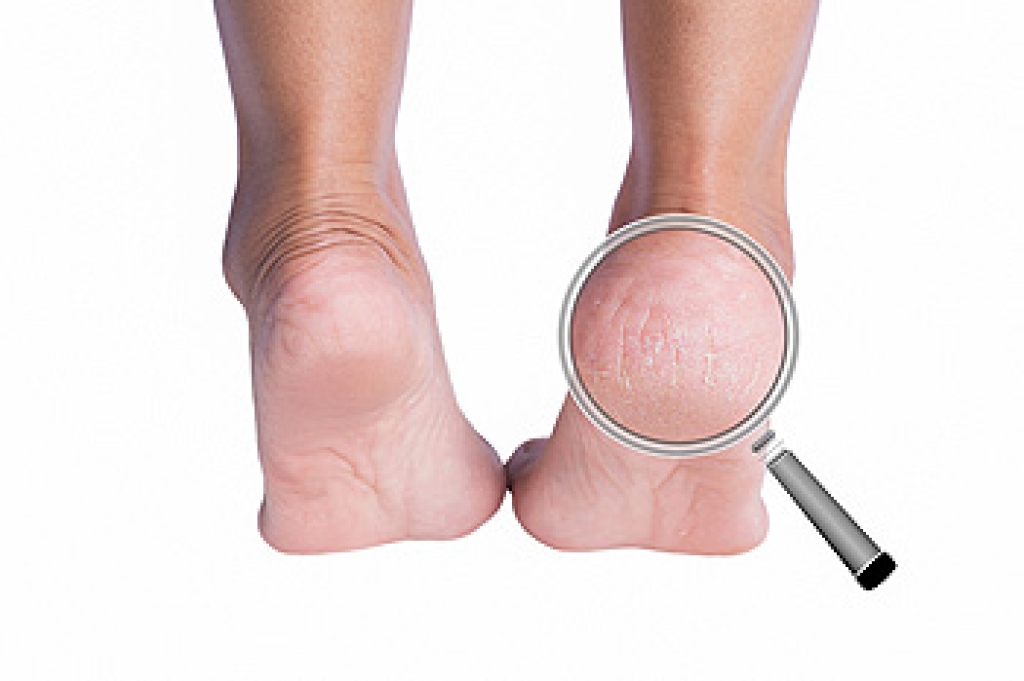
If you are someone that is prone to cracked heels, then you ought to be especially aware of the possibility of developing an infection because of this condition. Cracked heels occur when the skin covering the heel becomes severely dehydrated and fissures begin to form on the skin. As a result of these fissures, the skin might even start to bleed. Infections are an important risk to be aware of if you have cracked heels. Specifically, if an individual removes skin on the heels through a process known as debridement, an infection might occur. For example, if too much skin is removed with a razor, then the individual might be setting themselves up for a nasty infection. If you have cracked heels, it is suggested that you see a podiatrist promptly. This medical professional will be able to help you treat your condition and answer any questions you might have. 

If the skin on your feet starts to crack, you may want to see a podiatrist to find treatment. If you have any concerns, contact Dr. Kennedy Legel from Advanced Foot & Ankle Care Specialists. Our doctor can provide the care you need to keep you pain-free and on your feet.

Cracked Heels

It is important to moisturize your cracked heels in order to prevent pain, bleeding, and infection. The reason cracked heels form is because the skin on the foot is too dry to support the immense pressure placed on them. When the foot expands, the dry skin on the foot begins to split.

Ways to Help Heal Them

  • Invest in a good foot cream
  • Try Using Petroleum Jelly
  • Ease up on Soaps
  • Drink Plenty of Water

Ways to Prevent Cracked Heels

  • Moisturize After Showering
  • Skip a Shower
  • Keep Shower Water Lukewarm
  • Don’t Scrub Your Feet

If you are unsure how to proceed in treating cracked heels, seek guidance from a podiatrist. Your doctor will help you with any questions or information you may need. 

If you have any questions, please feel free to contact our office located in Dallas, TX . We offer the newest diagnostic and treatment technologies for all your foot care needs.
Read more about Solutions for Cracked Heels

Where Is a Plantar Wart Found?

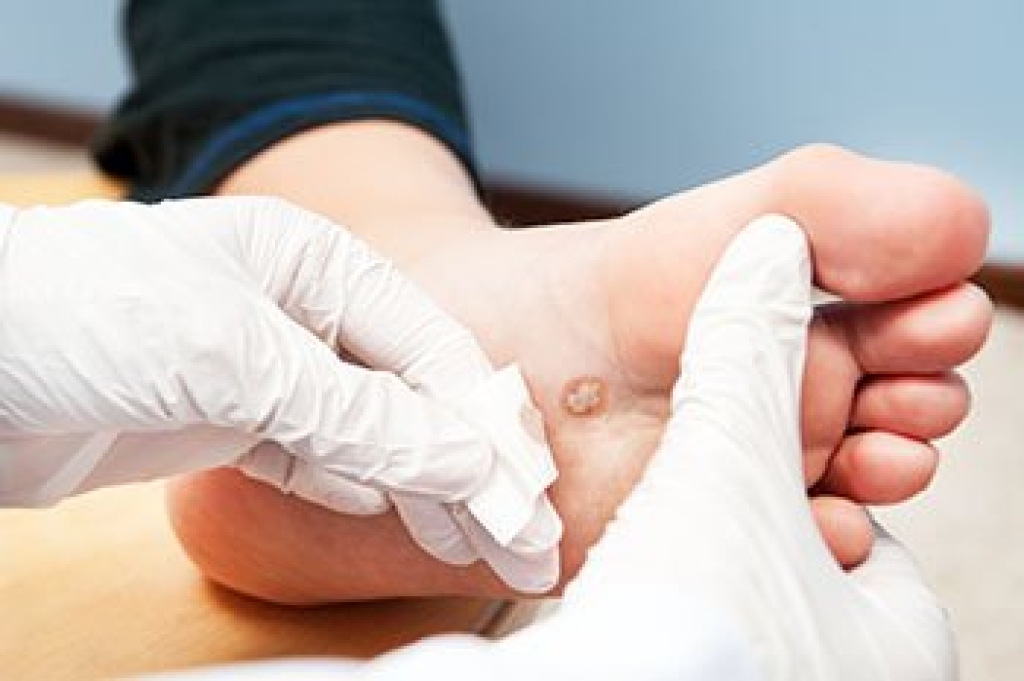
Plantar warts can cause a considerable amount of pain and discomfort. They occur when the human papillomavirus, which is abbreviated as HPV, enters the body through small cracks in the skin on the feet. They are found on the soles of the feet and grow inward as a result of the weight the feet endure while walking and running, possibly causing severe pain. A plantar wart is a small bump with a rough consistency, and it often has small black dots in the center. Certain people may be prone to getting a plantar wart, including people who have a weakened immune system, or it may come from sharing shoes, towels, and socks. There are various treatment methods that can be used on plantar warts, and it is suggested that you confer with a podiatrist who can determine what the best course of treatment is for you. 

Plantar warts can be very uncomfortable. If you need your feet checked, contact Dr. Kennedy Legel from Advanced Foot & Ankle Care Specialists. Our doctor will assist you with all of your foot and ankle needs.

About Plantar Warts

Plantar warts are the result of HPV, or human papillomavirus, getting into open wounds on the feet. They are mostly found on the heels or balls of the feet.

While plantar warts are generally harmless, those experiencing excessive pain or those suffering from diabetes or a compromised immune system require immediate medical care. Plantar warts are easily diagnosed, usually through scraping off a bit of rough skin or by getting a biopsy.

Symptoms

  • Lesions on the bottom of your feet, usually rough and grainy
  • Hard or thick callused spots
  • Wart seeds, which are small clotted blood vessels that look like little black spots
  • Pain, discomfort, or tenderness of your feet when walking or standing

Treatment

  • Freezing
  • Electric tool removal
  • Laser Treatment
  • Topical Creams (prescription only)
  • Over-the-counter medications

To help prevent developing plantar warts, avoid walking barefoot over abrasive surfaces that can cause cuts or wounds for HPV to get into. Avoiding direct contact with other warts, as well as not picking or rubbing existing warts, can help prevent the further spread of plantar warts. However, if you think you have developed plantar warts, speak to your podiatrist. He or she can diagnose the warts on your feet and recommend the appropriate treatment options.

If you have any questions, please feel free to contact our office located in Dallas, TX . We offer the newest diagnostic and treatment technologies for all your foot care needs.

Read more about All About Plantar Warts

Ways to Prevent Getting Foot Blisters

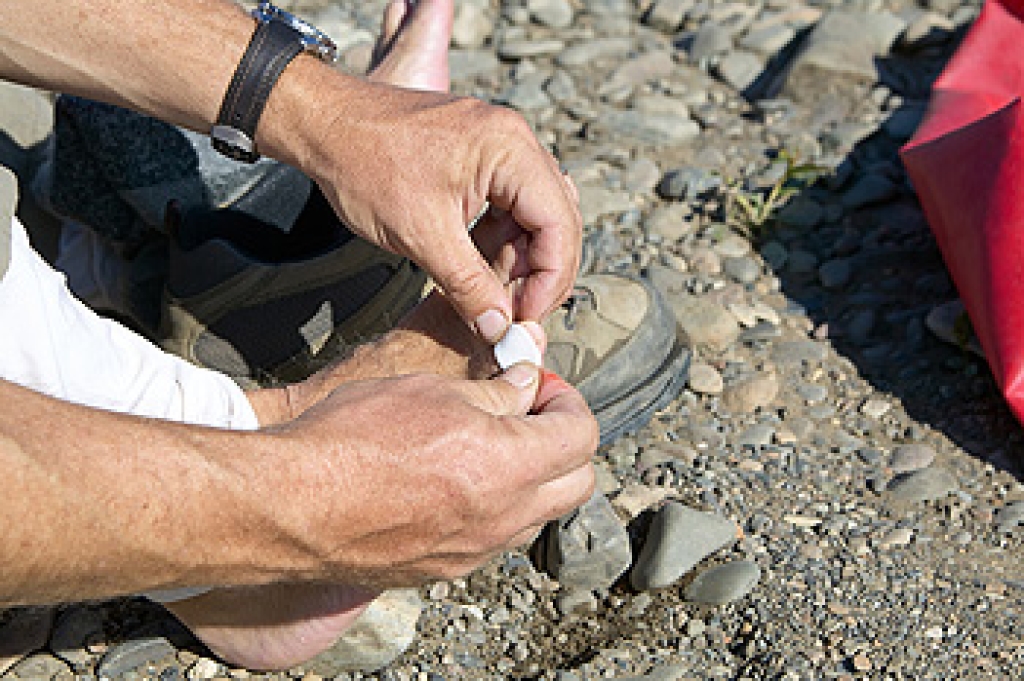
Blisters are fluid-filled bubbles that can form on the toes, soles, or heels of your feet when they rub against the inside of a firm or tight-fitting shoe. The blister itself is nature’s way of protecting the skin from this friction by separating the layers from each other. Blisters frequently form when you walk too far in shoes that do not fit properly or by not wearing socks. Most blisters will heal on their own after a few days of resting the site and avoiding the condition that caused them. Covering the blister with a protective bandage can also help. It is not recommended to pop a blister, which may invite infection. Signs of infection include pus, hot or painful skin around the blister, and red streaks around it. Another sign of infection is when the fluid that fills a blister is bloody or changes color. If you notice any of these symptoms, the time has come to visit a podiatrist who can properly cleanse the site and afford safe treatment options. 

Blisters may appear as a single bubble or in a cluster. They can cause a lot of pain and may be filled with pus, blood, or watery serum. If your feet are hurting, contact Dr. Kennedy Legel of Advanced Foot & Ankle Care Specialists. Our doctor can provide the care you need to keep you pain-free and on your feet.

Foot Blisters

Foot blisters are often the result of friction. This happens due to the constant rubbing from shoes, which can lead to pain.

What Are Foot Blisters?

A foot blister is a small fluid-filled pocket that forms on the upper-most layer of the skin. Blisters are filled with clear fluid and can lead to blood drainage or pus if the area becomes infected.

Symptoms

(Blister symptoms may vary depending on what is causing them)

  • Bubble of skin filled with fluid
  • Redness
  • Moderate to severe pain
  • Itching

Prevention & Treatment

In order to prevent blisters, you should be sure to wear comfortable shoes with socks that cushion your feet and absorb sweat. Breaking a blister open may increase your chances of developing an infection. However, if your blister breaks, you should wash the area with soap and water immediately and then apply a bandage to the affected area. If your blisters cause severe pain it is important that you call your podiatrist right away.

If you have any questions, please feel free to contact our office located in Dallas, TX . We offer the newest diagnostic and treatment technologies for all your foot care needs.
Read more about Blisters on the Feet

It's Time for Beautiful Feet

You don't need an excuse to have beautiful nails. Step outside without worrying about the appearance of your feet.

Bacteria Can Cause Foot Odor

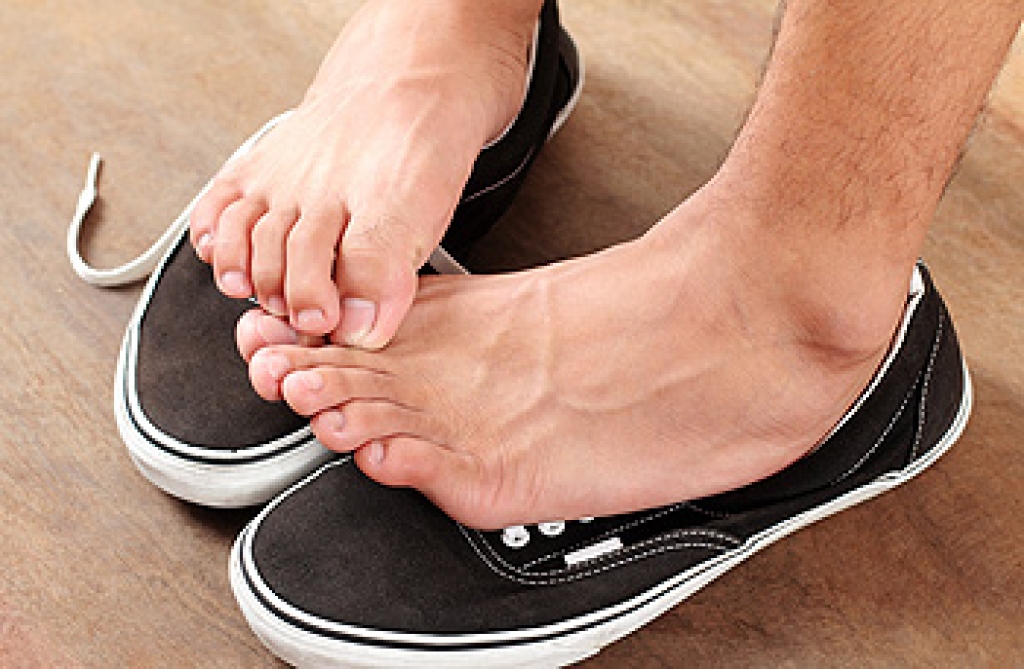
The feet have a total of 250,000 sweat glands. This vast collection can produce about a cup of sweat each day, more per square inch than any other body part. The feet contain eccrine sweat glands, which are designed to cool down the body. These consist mostly of salt and water and do not produce foot odor. Bacteria, which thrives in moist, warm environments such as sweaty feet enclosed in socks and shoes, does produce foul odors. Many types of bacteria live on the feet and interact with the sweat produced. Through a complex process involving the bacteria, the sweat glands, and the byproducts of those glands, foot odor is produced. The type of odor depends on which type of bacteria is present and thriving. Fortunately, there are a number of remedies and lifestyle changes available that can reduce the problem of extreme foot odor. For more information on how to handle this annoying problem, please consult a podiatrist. 

Everyday foot care is very important to prevent infection and other foot ailments. If you need your feet checked, contact Dr. Kennedy Legel from Advanced Foot & Ankle Care Specialists. Our doctor can provide the care you need to keep you pain-free and on your feet.

Everyday Foot Care

Often, people take care of their bodies, face and hair more so than they do for their feet. But the feet are a very important aspect of our bodies, and one that we should pay more attention to. Without our feet, we would not be able to perform most daily tasks.

It is best to check your feet regularly to make sure there are no new bruises or cuts that you may not have noticed before. For dry feet, moisturizer can easily be a remedy and can be applied as often as necessary to the affected areas. Wearing shoes that fit well can also help you maintain good foot health, as well as making it easier to walk and do daily activities without the stress or pain of ill-fitting shoes, high heels, or even flip flops. Wearing clean socks with closed shoes is important to ensure that sweat and bacteria do not accumulate within the shoe. Clean socks help to prevent Athlete’s foot, fungi problems, bad odors, and can absorb sweat.

If you have any questions, please feel free to contact our office located in Dallas, TX . We offer the newest diagnostic and treatment technologies for all your foot care needs.

Read more about Every Day Foot Care
scroll to top