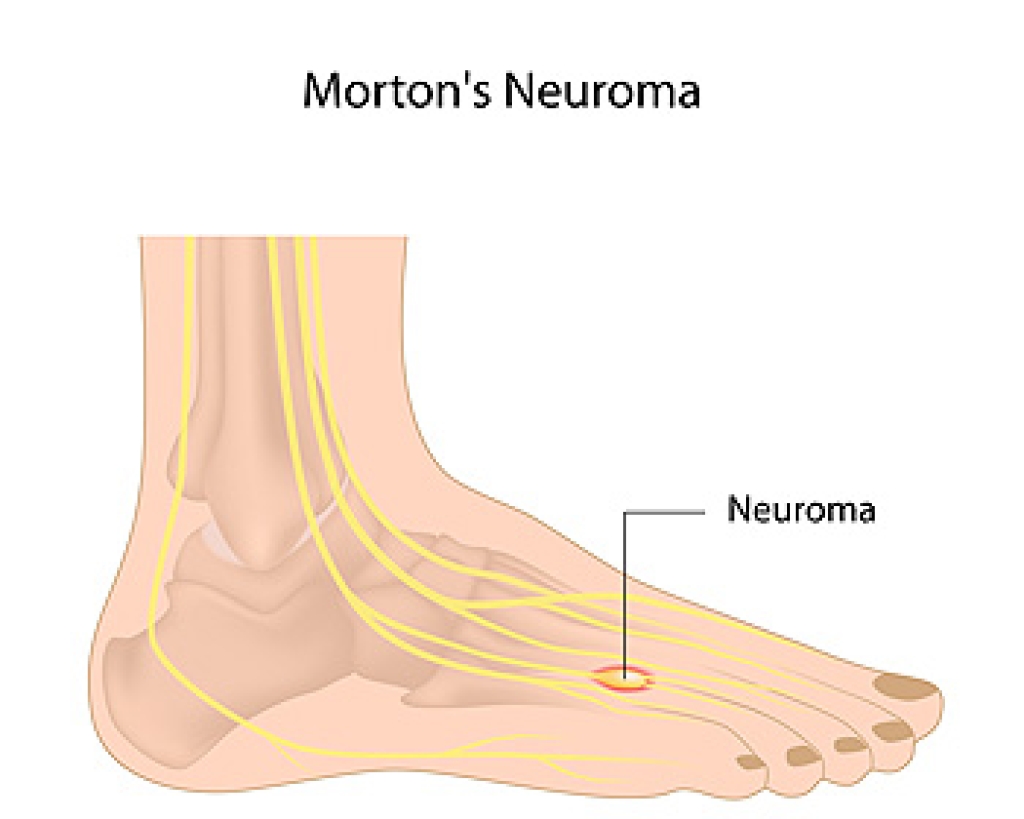
What Causes Morton’s Neuroma?

If you have a condition that is known as Morton’s neuroma, you may notice pain in the ball of the foot. This may be a result of an irritated nerve that has become enlarged, and may occur between the third and fourth toes. Patients who are afflicted with this condition may notice a burning sensation in the sole of the foot, in addition to the toes possibly becoming numb. A common reason why Morton’s neuroma may develop may include wearing shoes that are too tight, or choosing footwear that does not provide adequate room for the toes to move freely in. This may cause pressure to be exerted on the nerves in the toes, which may cause pain and discomfort. Existing medical conditions may precede the development of Morton’s neuroma, and these may include bunions, hammertoes, or flat feet. Mild relief may be found in resting the foot, and performing gentle stretching exercises. If you have symptoms of this condition, it is advised that you consult with a podiatrist who can properly treat Morton’s neuroma.

Morton’s neuroma is a very uncomfortable condition to live with. If you think you have Morton’s neuroma, contact Dr. Kennedy Legel of Advanced Foot & Ankle Care Specialists. Our doctor will attend to all of your foot care needs and answer any of your related questions.  

Morton’s Neuroma

Morton's neuroma is a painful foot condition that commonly affects the areas between the second and third or third and fourth toe, although other areas of the foot are also susceptible. Morton’s neuroma is caused by an inflamed nerve in the foot that is being squeezed and aggravated by surrounding bones.

What Increases the Chances of Having Morton’s Neuroma?

  • Ill-fitting high heels or shoes that add pressure to the toe or foot
  • Jogging, running or any sport that involves constant impact to the foot
  • Flat feet, bunions, and any other foot deformities

Morton’s neuroma is a very treatable condition. Orthotics and shoe inserts can often be used to alleviate the pain on the forefront of the feet. In more severe cases, corticosteroids can also be prescribed. In order to figure out the best treatment for your neuroma, it’s recommended to seek the care of a podiatrist who can diagnose your condition and provide different treatment options.

If you have any questions, please feel free to contact our office located in Dallas, TX . We offer the newest diagnostic and treatment technologies for all your foot care needs.
Read more about What is Morton's Neuroma?

Can Gout Be Prevented?

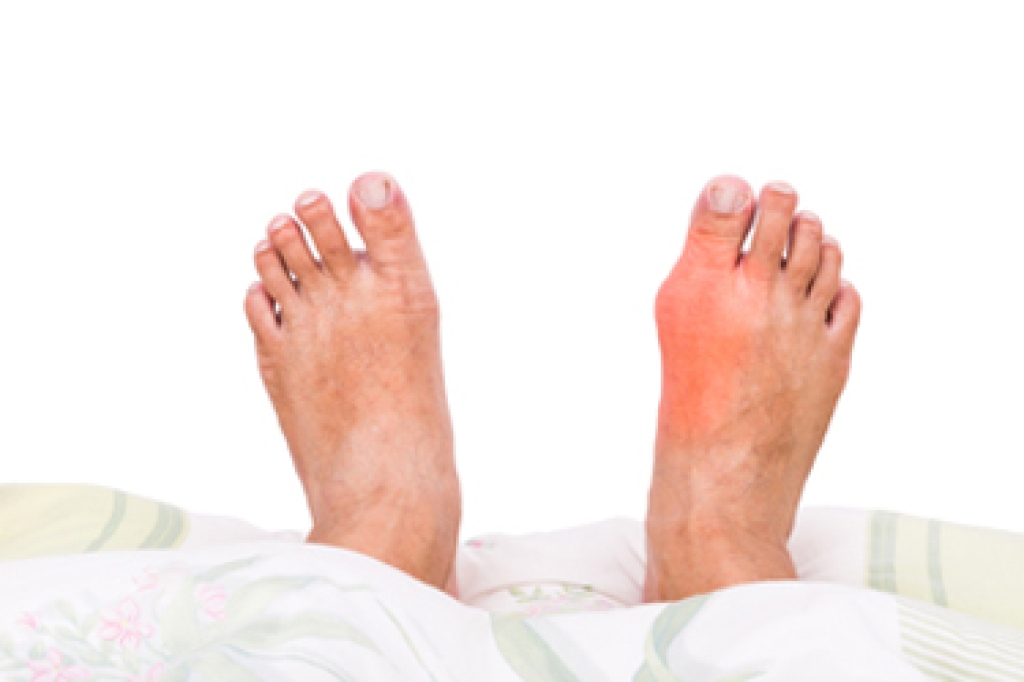
The medical term referred to as gout will typically affect the big toe and surrounding areas. Typical symptoms may generally include severe pain and discomfort in the area of the big toe, heat that may radiate from the foot, in addition to swelling and redness. It occurs as a result of elevated uric acid levels in the blood, which causes crystals to form in the joints. There may be several reasons for this to happen, including diabetes, high blood pressure, or congestive heart failure. Additionally, eating foods that have elevated fructose levels may lead to the onset of gout, in addition to drinking excess alcohol, or eating red meat or seafood. Successful prevention and treatment of gout may begin with eating healthy foods and implementing a gentle exercise program. If obesity exists, it may be helpful to lose excess weight which may aid in protecting the joints. If you are having gout attacks, it is advised to speak to a podiatrist who can properly treat this condition.

Gout is a foot condition that requires certain treatment and care. If you are seeking treatment, contact Dr. Kennedy Legel from Advanced Foot & Ankle Care Specialists. Our doctor will treat your foot and ankle needs.

What Is Gout?

Gout is a type of arthritis caused by a buildup of uric acid in the bloodstream. It often develops in the foot, especially the big toe area, although it can manifest in other parts of the body as well. Gout can make walking and standing very painful and is especially common in diabetics and the obese.

People typically get gout because of a poor diet. Genetic predisposition is also a factor. The children of parents who have had gout frequently have a chance of developing it themselves.

Gout can easily be identified by redness and inflammation of the big toe and the surrounding areas of the foot. Other symptoms include extreme fatigue, joint pain, and running high fevers. Sometimes corticosteroid drugs can be prescribed to treat gout, but the best way to combat this disease is to get more exercise and eat a better diet.

If you have any questions, please feel free to contact our office located in Dallas, TX . We offer the newest diagnostic and treatment technologies for all your foot care needs.

Read more about Everything You Need to Know About Gout

What Causes Flat Feet

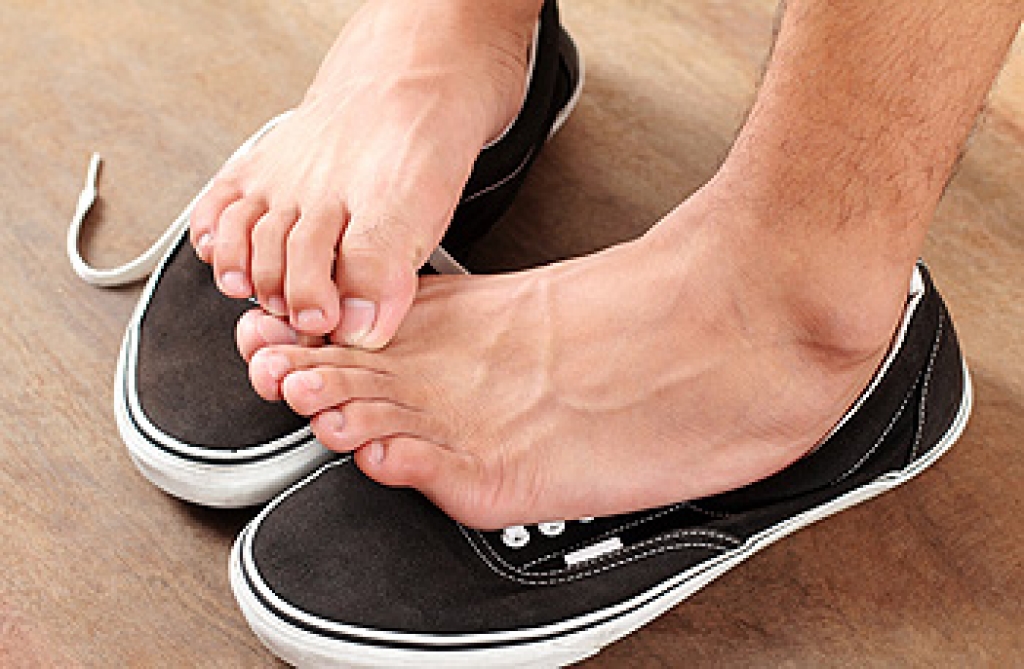
Flat feet, also known as fallen arches, is a condition that occurs when the arch of the foot is lower than usual. Normally, the foot has an arch in the middle, so the heel and ball of the foot are primarily what touches the ground. For those with flat feet, the arch may have never fully developed, or over time might have flattened downward. Children’s feet develop differently, and some children never develop an arch. This is nothing to be too concerned about and usually results in little to no complications. On the other end of the spectrum, some flat feet develop over time as a result of wear and tear. Adults who have injured their foot or ankle, have rheumatoid arthritis, have diabetes, or are obese are at a higher risk for their arch to drop. While this condition usually does not cause serious health issues, if you think you have flat feet or may be developing it, then it is recommended you speak with a podiatrist to gain further knowledge.

Flatfoot is a condition many people suffer from. If you have flat feet, contact Dr. Kennedy Legel from Advanced Foot & Ankle Care Specialists. Our doctor will treat your foot and ankle needs.

What Are Flat Feet?

Flatfoot is a condition in which the arch of the foot is depressed and the sole of the foot is almost completely in contact with the ground. About 20-30% of the population generally has flat feet because their arches never formed during growth.

Conditions & Problems:

Having flat feet makes it difficult to run or walk because of the stress placed on the ankles.

Alignment – The general alignment of your legs can be disrupted, because the ankles move inward which can cause major discomfort.

Knees – If you have complications with your knees, flat feet can be a contributor to arthritis in that area.  

Symptoms

  • Pain around the heel or arch area
  • Trouble standing on the tip toe
  • Swelling around the inside of the ankle
  • Flat look to one or both feet
  • Having your shoes feel uneven when worn

Treatment

If you are experiencing pain and stress on the foot you may weaken the posterior tibial tendon, which runs around the inside of the ankle. 

If you have any questions, please feel free to contact our office located in Dallas, TX . We offer the newest diagnostic and treatment technologies for all your foot care needs.

Read more about What is Flexible Flat Foot?
scroll to top