Stretching Before Running

Many people enjoy the sports of running and jogging, and are generally aware of the importance of preventing running injuries. These types of injuries can include ankle sprains, plantar fasciitis, and stress fractures, which typically can cause severe pain and discomfort. Research has indicated the importance of stopping the activity that caused the injury, as this may allow ample time for the affected foot to heal. It is beneficial to drink plenty of water, and accelerate slowly when jogging or running. Additionally, it may help to perform specific stretching techniques before embarking on a run, as this may help to keep the muscles flexible. If you enjoy running, it is suggested that you consult with a podiatrist to learn about how running injuries may affect the feet.

All runners should take extra precaution when trying to avoid injury. If you have any concerns about your feet, contact Dr. Kennedy Legel of Advanced Foot & Ankle Care Specialists. Our doctor will treat your foot and ankle needs.

How to Prevent Running Injuries

There are a lot of mistakes a runner can make prior to a workout that can induce injury. A lot of athletes tend to overstretch before running, instead of saving those workouts for a post-run routine. Deep lunges and hand-to-toe hamstring pulls should be performed after a workout instead of during a warmup. Another common mistake is jumping into an intense routine before your body is physically prepared for it. You should try to ease your way into long-distance running instead of forcing yourself to rush into it.

More Tips for Preventing Injury

  • Incorporate Strength Training into Workouts - This will help improve the body’s overall athleticism
  • Improve and Maintain Your Flexibility – Stretching everyday will help improve overall performance
  • “Warm Up” Before Running and “Cool Down” Afterward – A warm up of 5-10 minutes helps get rid of lactic acid in the muscles and prevents delayed muscle soreness
  • Cross-Training is Crucial
  • Wear Proper Running Shoes
  • Have a Formal Gait Analysis – Poor biomechanics can easily cause injury

If you have any questions, please feel free to contact our office located in Dallas, TX . We offer the newest diagnostic and treatment technologies for all your foot care needs.

Read more about Preventing Running Injuries

Signs You May Have Developed Sesamoiditis

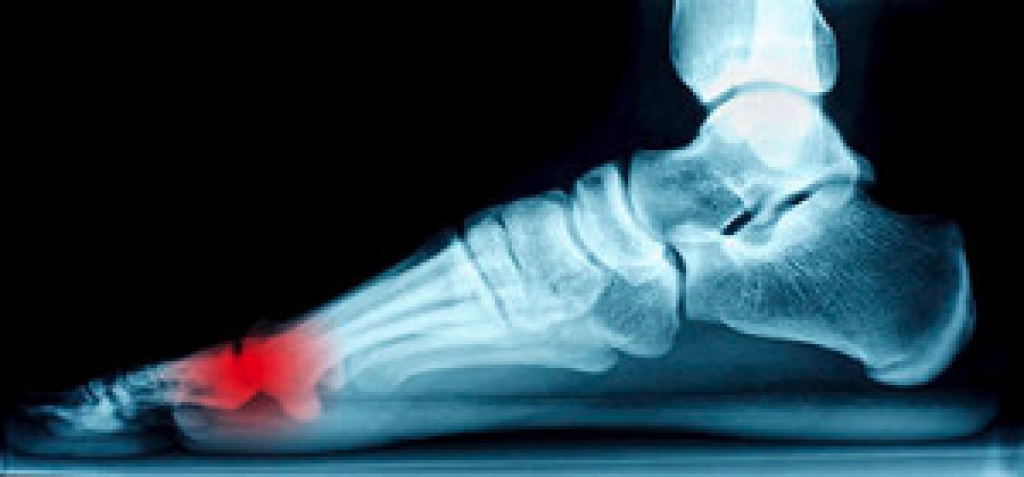
Sesamoiditis may occur when the sesamoid bones in the feet become inflamed. This condition can be incredibly uncomfortable and can cause pain that is typically felt in the ball of the foot. This condition is common among dancers, joggers, those who frequently wear high heels, as well as those who have high-arched feet. Along with feeling pain towards the forefront of the affected foot, you may also notice swelling and redness around the affected area. Custom orthotics can be worn as a means to alleviate pain and reduce pressure. For a proper diagnosis and treatment options, it is suggested that you contact a podiatrist if you feel that you are afflicted with sesamoiditis.

Sesamoiditis is an unpleasant foot condition characterized by pain in the balls of the feet. If you think you’re struggling with sesamoiditis, contact Dr. Kennedy Legel of Advanced Foot & Ankle Care Specialists. Our doctor will treat your condition thoroughly and effectively.

Sesamoiditis

Sesamoiditis is a condition of the foot that affects the ball of the foot. It is more common in younger people than it is in older people. It can also occur with people who have begun a new exercise program, since their bodies are adjusting to the new physical regimen. Pain may also be caused by the inflammation of tendons surrounding the bones. It is important to seek treatment in its early stages because if you ignore the pain, this condition can lead to more serious problems such as severe irritation and bone fractures.

Causes of Sesamoiditis

  • Sudden increase in activity
  • Increase in physically strenuous movement without a proper warm up or build up
  • Foot structure: those who have smaller, bonier feet or those with a high arch may be more susceptible

Treatment for sesamoiditis is non-invasive and simple. Doctors may recommend a strict rest period where the patient forgoes most physical activity. This will help give the patient time to heal their feet through limited activity. For serious cases, it is best to speak with your doctor to determine a treatment option that will help your specific needs.

If you have any questions, please feel free to contact our office located in Dallas, TX . We offer the newest diagnostic and treatment technologies for all your foot care needs.

Read more about Sesamoiditis

Where Is the Achilles Tendon Located?

There are noticeable symptoms when a patient experiences an Achilles tendon injury. These often include severe pain and discomfort in the heel and calf areas, and it may appear red and swollen. It can be difficult to flex and point the toes, which generally makes it painful to walk. It may occur as a result of the aging process, or if medical conditions exist, such as flat feet. Mild relief may be found when specific stretches are frequently performed. A stretch that may positively affect the calf muscles can be performed while standing on a step and gently lowering one heel, and holding for several seconds, followed by repeating on the other leg. Additionally, it may be beneficial to wear custom-made orthotics, which can help to provide additional support. If you have injured your Achilles tendon, it is advised that you schedule a consultation with a podiatrist so the correct treatment can begin.

Achilles tendon injuries need immediate attention to avoid future complications. If you have any concerns, contact Dr. Kennedy Legel of Advanced Foot & Ankle Care Specialists. Our doctor can provide the care you need to keep you pain-free and on your feet.

What Is the Achilles Tendon?

The Achilles tendon is a tendon that connects the lower leg muscles and calf to the heel of the foot. It is the strongest tendon in the human body and is essential for making movement possible. Because this tendon is such an integral part of the body, any injuries to it can create immense difficulties and should immediately be presented to a doctor.

What Are the Symptoms of an Achilles Tendon Injury?

There are various types of injuries that can affect the Achilles tendon. The two most common injuries are Achilles tendinitis and ruptures of the tendon.

Achilles Tendinitis Symptoms

  • Inflammation
  • Dull to severe pain
  • Increased blood flow to the tendon
  • Thickening of the tendon

Rupture Symptoms

  • Extreme pain and swelling in the foot
  • Total immobility

Treatment and Prevention

Achilles tendon injuries are diagnosed by a thorough physical evaluation, which can include an MRI. Treatment involves rest, physical therapy, and in some cases, surgery. However, various preventative measures can be taken to avoid these injuries, such as:

  • Thorough stretching of the tendon before and after exercise
  • Strengthening exercises like calf raises, squats, leg curls, leg extensions, leg raises, lunges, and leg presses

If you have any questions please feel free to contact our office located in Dallas, TX . We offer the newest diagnostic tools and technology to treat your foot and ankle needs.

Read more about Achilles Tendon Injuries

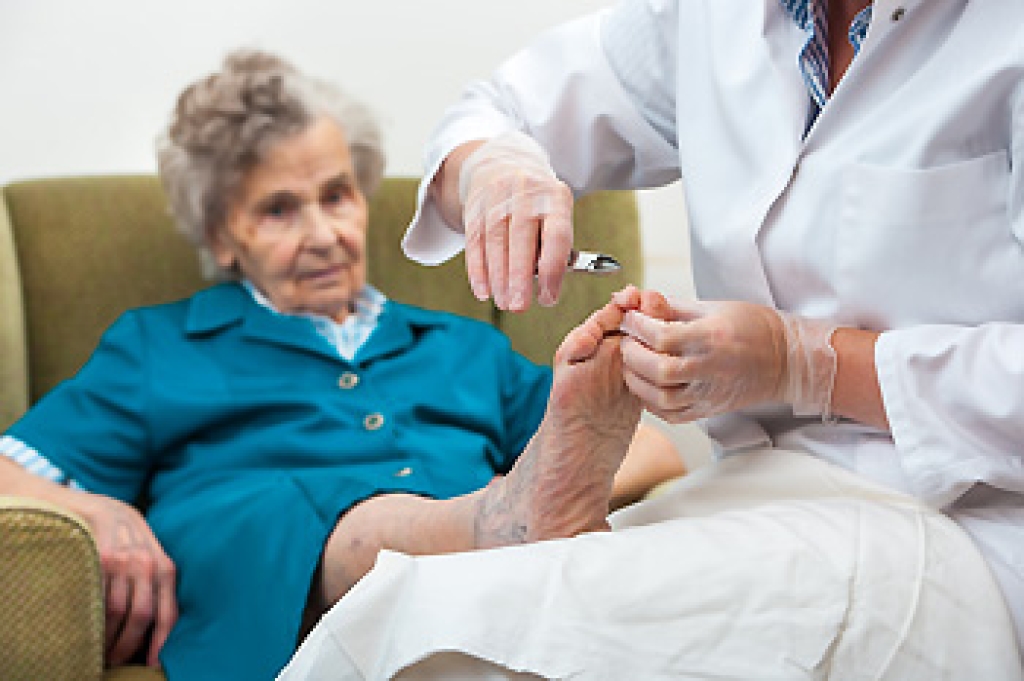
The Importance of Elderly Foot Care

One of the most important things elderly people can do is to properly care for their feet. Many seniors can experience uncomfortable foot conditions as a result of a loss of cushioning as the aging process occurs. Research has indicated that one of the most favorable things seniors can do for their feet is wear shoes that fit correctly. The feet will feel better when there is adequate room for the toes to move freely in, and this may be helpful in preventing corns and bunions from developing. Additionally, washing and drying the feet daily followed by using a good moisturizer may be beneficial in preventing cracked heels. If you would like additional information about how elderly patients can care for their feet, please consult with a podiatrist. 

Proper foot care is something many older adults forget to consider. If you have any concerns about your feet and ankles, contact Dr. Kennedy Legel from Advanced Foot & Ankle Care Specialists. Our doctor can provide the care you need to keep you pain-free and on your feet.

The Elderly and Their Feet

As we age we start to notice many changes in our body, but the elder population may not notice them right away. Medical conditions may prevent the elderly to take notice of their foot health right away. Poor vision is a lead contributor to not taking action for the elderly.

Common Conditions 

  • Neuropathy – can reduce feeling in the feet and can hide many life-threatening medical conditions.
  • Reduced flexibility – prevents the ability of proper toenail trimming, and foot cleaning. If left untreated, it may lead to further medical issues.
  • Foot sores – amongst the older population can be serious before they are discovered. Some of the problematic conditions they may face are:
  • Gouging toenails affecting nearby toe
  • Shoes that don’t fit properly
  • Pressure sores
  • Loss of circulation in legs & feet
  • Edema & swelling of feet and ankles

Susceptible Infections

Diabetes and poor circulation can cause general loss of sensitivity over the years, turning a simple cut into a serious issue.

If you have any questions, please feel free to contact our office located in Dallas, TX . We offer the newest diagnostic and treatment technologies for all your foot care needs.

Read more about Elderly and their Feet
scroll to top