Children and Wearing Orthotics

There are many patients who find their abnormal foot structure may be corrected by wearing orthotics. They are defined as supportive inserts that are specifically designed for the feet. They may be beneficial for children to wear them at an early age, and this often helps to correct gait concerns. They are made from taking a plaster or foam imprint of each foot, and molded into a soft or rigid orthotic that fits into the shoe. If you would like additional information about how orthotics can correct certain foot conditions, it is strongly suggested that you consult with a podiatrist who can accurately answer any questions you may have.

If you are having discomfort in your feet and would like to try orthotics, contact Dr. Kennedy Legel from Advanced Foot & Ankle Care Specialists. Our doctor can provide the care you need to keep you pain-free and on your feet.

What Are Orthotics?

Orthotics are inserts you can place into your shoes to help with a variety of foot problems such as flat feet or foot pain. Orthotics provide relief and comfort for minor foot and heel pain but can’t correct serious biomechanical problems in your feet.

Over-the-Counter Inserts

Orthotics come in a wide variety of over-the-counter inserts that are used to treat foot pain, heel pain, and minor problems. For example, arch supports can be inserted into your shoes to help correct overarched or flat feet, while gel insoles are often used because they provide comfort and relief from foot and heel pain by alleviating pressure.

Prescription Orthotics

If over-the-counter inserts don’t work for you or if you have a more severe foot concern, it is possible to have your podiatrist prescribe custom orthotics. These high-quality inserts are designed to treat problems such as abnormal motion, plantar fasciitis, and severe forms of heel pain. They can even be used to help patients suffering from diabetes by treating foot ulcers and painful calluses and are usually molded to your feet individually, which allows them to provide full support and comfort.

If you are experiencing minor to severe foot or heel pain, it’s recommended to speak with your podiatrist about the possibilities of using orthotics. A podiatrist can determine which type of orthotic is right for you and allow you to take the first steps towards being pain-free.

If you have any questions, please feel free to contact our office located in Dallas, TX . We offer the newest diagnostic and treatment technologies for all your foot care needs.

Read more about Ankle Foot Orthotics for Athletes

Wounds That Don't Heal Need to Be Checked

Your feet are covered most of the day. If you're diabetic, periodic screening is important for good health. Numbness is often a sign of diabetic foot and can mask a sore or wound.

What Is Idiopathic Peripheral Neuropathy

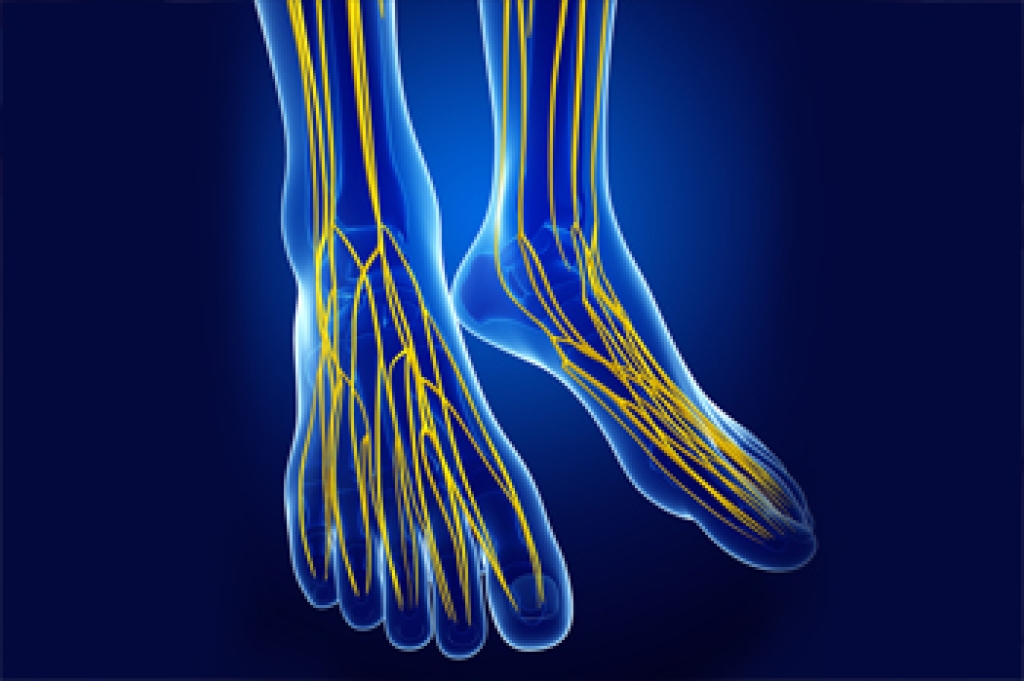
Idiopathic peripheral neuropathy refers to damage of the peripheral nerves where cause can not be determined. When the peripheral nerves are damaged, there are often symptoms that affect the feet. These can include numbness, a tingling or burning sensation, pain, a loss of sensation, muscle weakness, muscle spasms, or difficulty moving the lower limbs. Treatment for idiopathic peripheral neuropathy that affects the lower limbs focuses on managing the symptoms of the disease. Certain medications or physical therapy may be suggested. Mobility aids, such as orthotic shoes, canes, or braces may be prescribed to help you balance and walk. For more information about peripheral neuropathy, please consult with a podiatrist.

When dealing with systemic disease of the feet, it is extremely important to check the affected areas routinely so that any additional problems are caught quickly.  If you have any concerns about your feet and ankles contact Dr. Kennedy Legel from Advanced Foot & Ankle Care Specialists. Our doctor will assist you with all of your podiatric needs.

Systemic Diseases of the Feet

Systemic diseases affect the whole body, and symptoms usually are displayed in the feet. This condition can make a patient’s ability to walk unbearable.  Systemic diseases include gout, diabetes mellitus, neurological disorders, and arthritis.

Gout – is caused by an excess of uric acid in the body. Common symptoms include pain, inflammation, and redness at the metatarsal/phalangeal joint of the base big toe. Gout can be treated by NSAIDs to relieve pain and inflammation, and other drugs that lower the acid levels in the body.

Diabetes mellitus – is an increase in the level of blood sugar that the body cannot counteract with its own insulin. Failure to produce enough insulin is a factor in Diabetes.

Diabetes of the Feet

Diabetic Neuropathy – may lead to damaged nerves and affect the feet through numbness and loss of sensation.

Peripheral Vascular Disease – can restrict the blood flow to the feet, and often times lead to amputation of the feet. 

If you have any questions please contact our office located in Dallas, TX . We offer the newest diagnostic and treatment technologies for all your foot and ankle needs.

Read more about Systemic Diseases of the Foot

Shockwave Therapy Could Be the Answer to Your Foot Pain

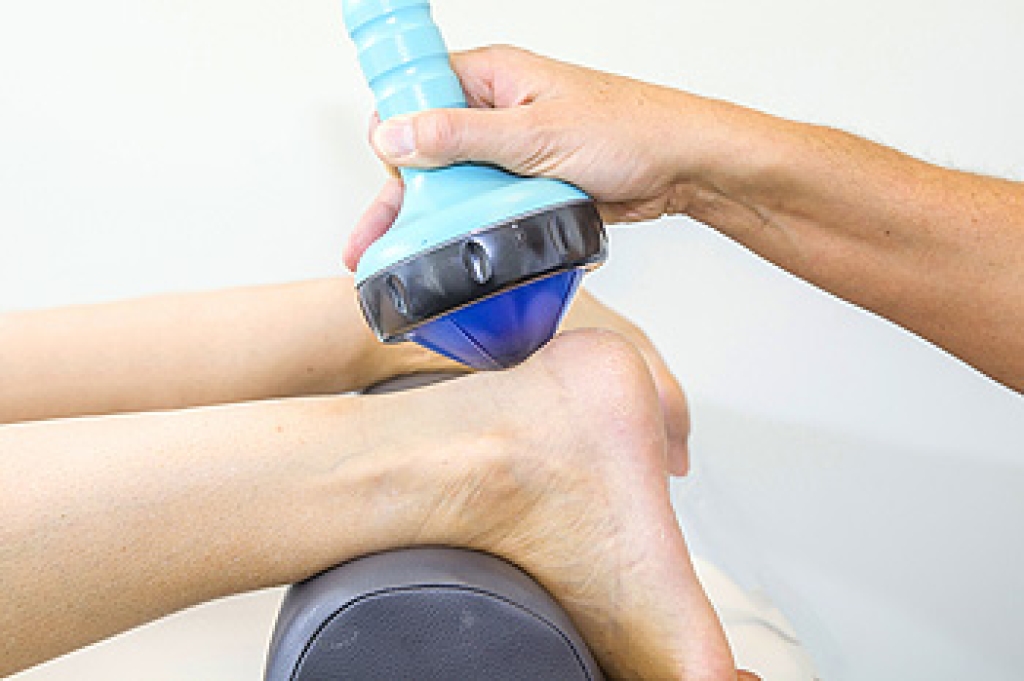
Shockwave Therapy is an emergent treatment of foot and ankle pain. In the United States, this innovative therapy has been licensed to treat plantar fasciitis: an inflammatory disorder in the tissue connecting the heel bone to the toes which causes pain in the heel. Shockwave Therapy—similar to Shockwave Lithotripsy for kidney stones—sends high-energy acoustic sound waves to the affected tissues at the bottom of the foot, which can initiate new blood vessel formation to begin the healing process and reduce pain. If you are experiencing pain in your heel or have been diagnosed with plantar fasciitis, call your podiatrist for more information or to see if you are a good candidate for Shockwave Therapy.

Shockwave therapy is a treatment commonly used to treat various injuries and conditions, particularly plantar fasciitis in the feet. To learn more, consult with Dr. Kennedy Legel from Advanced Foot & Ankle Care Specialists. Our doctor can provide the care you need to keep you pain-free and on your feet.

Shockwave Therapy

Shockwave therapy is a new treatment option designed to treat bone conditions such as tennis elbow, shoulder pain, and others. Shockwave therapy uses high intensity sound waves that are directed to the affected tissues of the body with pinpoint accuracy. The effects are very beneficial, leading to a production of collagen fibers, eliminating inflammation.

Who Benefits from Shockwave?

Shockwave is recommended for patients suffering from heel pain and associated problems. Heel pain is a common condition which can be caused by obesity, overexertion, and spending a substantial amount of time on hard floors with your feet exposed and unsupported.

Fast and Easy

The therapy is actually a simple process that can leave patients feeling better the very next day. Shockwave therapy is not as dramatic as it sounds. It enables more blood flow to effected areas, addressing the source of the problem and allowing treatment to last for a long time.

Treatment & Recovery Time

Shockwave treatment will enable your feet to recover quickly. This is especially important since surgery is not required. It is cost effective and does not require the use of anesthesia. This treatment is a better option to surgery, since it is proven safe.

If you have any questions, please feel free to contact our office located in Dallas, TX . We offer the newest diagnostic and treatment technologies for all your foot care needs.
Read more about Treating Heel Pain with Shockwave Therapy

What the Ankle-Brachial Index Can Tell Us

The Ankle-Brachial Index (ABI) is a measure that a podiatrist may use to screen patients for peripheral artery disease. This simple, fast, and noninvasive assessment involves taking the blood pressures of the ankle and of the upper arm and comparing the two numbers in a ratio called the ankle-brachial pressure index (ABPI). In a patient who does not have peripheral artery disease, the blood pressure in the ankle is slightly higher than the blood pressure in the upper arm and the ABPI is in the 0.90-1.29 range. A ratio lower than 0.90 suggests the presence of arterial disease. A ratio of 1.3 or higher is also abnormal and may indicate calcification, hardening, or narrowing of the blood vessel walls. For more information about peripheral artery disease and screening measures, please consult with a podiatrist.

Vascular testing plays an important part in diagnosing disease like peripheral artery disease. If you have symptoms of peripheral artery disease, or diabetes, consult with Dr. Kennedy Legel from Advanced Foot & Ankle Care Specialists. Our doctor will assess your condition and provide you with quality foot and ankle treatment.

What Is Vascular Testing?

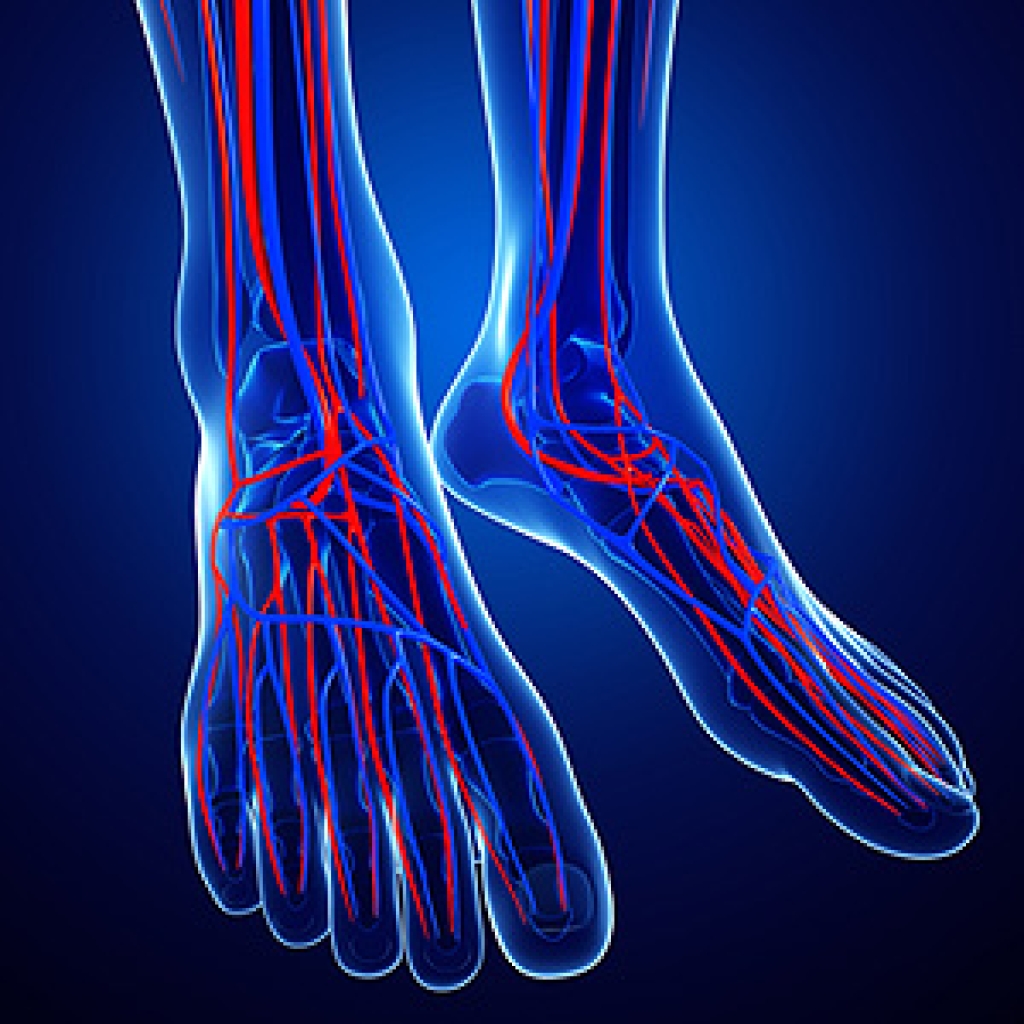
Vascular testing checks for how well blood circulation is in the veins and arteries. This is most often done to determine and treat a patient for peripheral artery disease (PAD), stroke, and aneurysms. Podiatrists utilize vascular testing when a patient has symptoms of PAD or if they believe they might. If a patient has diabetes, a podiatrist may determine a vascular test to be prudent to check for poor blood circulation.

How Is it Conducted?

Most forms of vascular testing are non-invasive. Podiatrists will first conduct a visual inspection for any wounds, discoloration, and any abnormal signs prior to a vascular test.

 The most common tests include:

  • Ankle-Brachial Index (ABI) examination
  • Doppler examination
  • Pedal pulses

These tests are safe, painless, and easy to do. Once finished, the podiatrist can then provide a diagnosis and the best course for treatment.

If you have any questions please contact our office located in Dallas, TX . We offer the newest diagnostic and treatment technologies for all your foot and ankle needs.

Read more about Vascular Testing in Podiatry
scroll to top