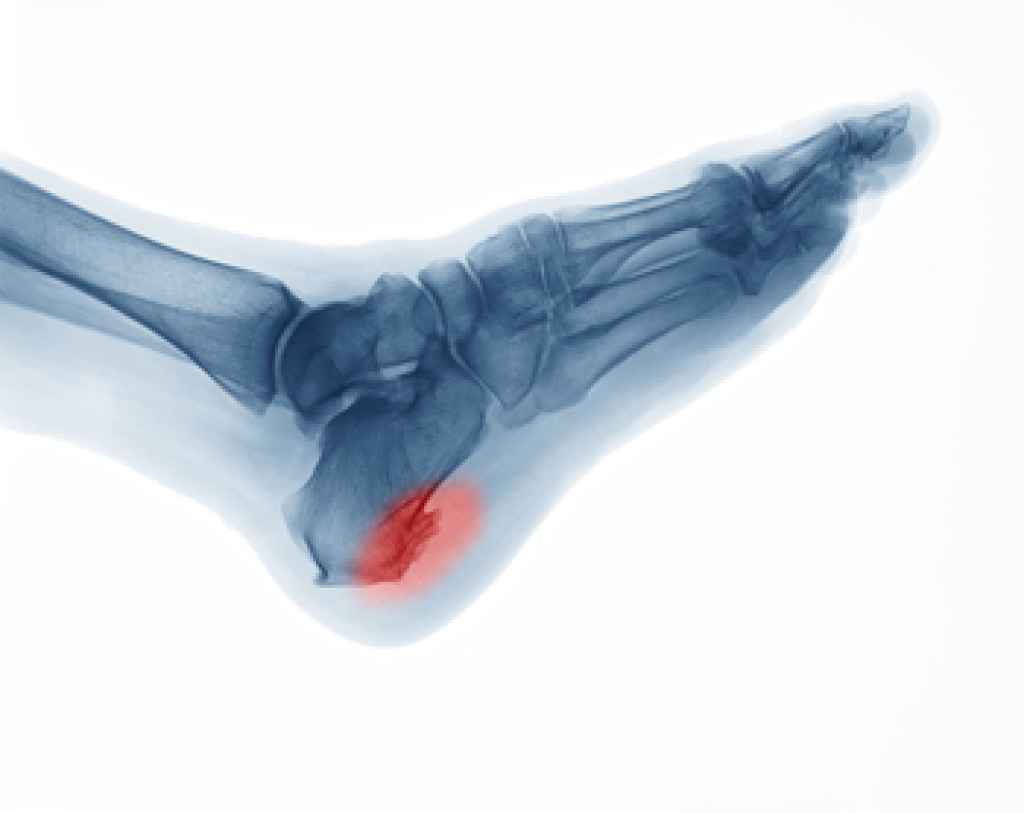
Bony Growths on Heels

A heel spur is a small growth that forms from extra calcium deposits on the heel bone of the foot. The deposits often stretch from the heel bone to the arch area. They can be quite painful and interfere with normal functioning. Causes of heel spur development include wearing ill-fitting shoes, such as high heels, where pressure is transferred from the heel to the front of the foot. Having flat feet can also lead to the development of heel spurs due to increased pressure on the heel. Bruising can also be a cause for heel spurs because of repeated trauma on the heel. A stone bruise is a particular type of bruise most apt to turn into a heel spur. Such bruises are most common among athletes and runners. The activities can cause bruises to the fatty tissue, fibrous tissue, and heel pad located under the heel bone. When the heel pad wears down from repeated stress, there is less protection, and calcium deposits can form, which in turn can develop into heel spurs. If you have a heel spur and it is causing you discomfort, it is suggested that you make an appointment with a podiatrist for appropriate treatment.

Heel spurs can be incredibly painful and sometimes may make you unable to participate in physical activities. To get medical care for your heel spurs, contact Dr. Kennedy Legel from Advanced Foot & Ankle Care Specialists. Our doctor will do everything possible to treat your condition.

Heels Spurs

Heel spurs are formed by calcium deposits on the back of the foot where the heel is. This can also be caused by small fragments of bone breaking off one section of the foot, attaching onto the back of the foot. Heel spurs can also be bone growth on the back of the foot and may grow in the direction of the arch of the foot.

Older individuals usually suffer from heel spurs and pain sometimes intensifies with age. One of the main condition's spurs are related to is plantar fasciitis.

Pain

The pain associated with spurs is often because of weight placed on the feet. When someone is walking, their entire weight is concentrated on the feet. Bone spurs then have the tendency to affect other bones and tissues around the foot. As the pain continues, the feet will become tender and sensitive over time.

Treatments

There are many ways to treat heel spurs. If one is suffering from heel spurs in conjunction with pain, there are several methods for healing. Medication, surgery, and herbal care are some options.

If you have any questions, please feel free to contact our office located in Dallas, TX . We offer the newest diagnostic and treatment technologies for all your foot care needs.
Read more about Heel Spurs

Where Do Corns Develop on the Feet?

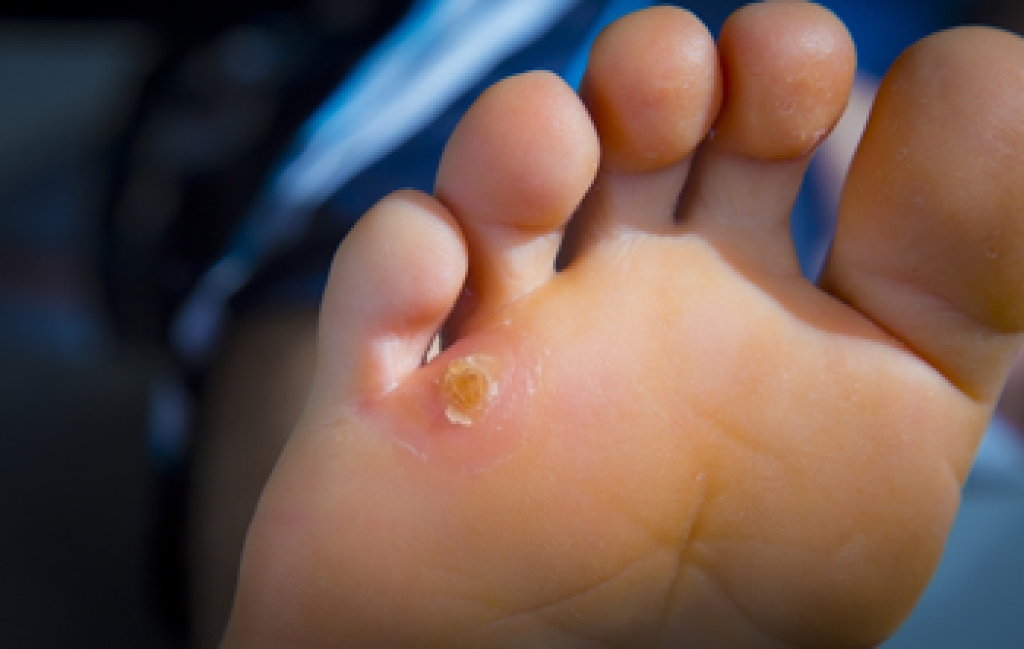
Excess friction is often the cause of corns developing on the feet. Common places where corns can be found are on the side of the pinky toe, on top of the toes, or on the bottom of the feet. Corns can occur from wearing shoes that do not fit correctly, and relief may be felt when the shoes are removed. The small area of skin that is affected can be rough and yellowed, and can be sensitive when touched. Some patients find their corns  feel better when the feet are soaked in warm water, which may help to soften them. Temporary relief can be found when moisturizer is applied to the corn, followed by gently rubbing it with a pumice stone. Additionally, people may find it is beneficial to wear a protective pad over the corns, which may help to protect it from rubbing against the shoe. If you have a corn on your foot, it is suggested that you confer with a podiatrist who can help you with providing a solution for relief.

Corns can make walking very painful and should be treated immediately. If you have questions regarding your feet and ankles, contact Dr. Kennedy Legel of Advanced Foot & Ankle Care Specialists. Our doctor will treat your foot and ankle needs.

Corns: What Are They? And How Do You Get Rid of Them?
Corns are thickened areas on the skin that can become painful. They are caused by excessive pressure and friction on the skin. Corns press into the deeper layers of the skin and are usually round in shape.

Ways to Prevent Corns
There are many ways to get rid of painful corns such as:

  • Wearing properly fitting shoes that have been measured by a professional
  • Wearing shoes that are not sharply pointed or have high heels
  • Wearing only shoes that offer support

Treating Corns

Although most corns slowly disappear when the friction or pressure stops, this isn’t always the case. Consult with your podiatrist to determine the best treatment option for your case of corns.

If you have any questions, please feel free to contact our office located in Dallas, TX . We offer the newest diagnostic and treatment technologies for all your foot care needs.

Read more about Everything You Need to Know About Corns

Is My Toe Broken?

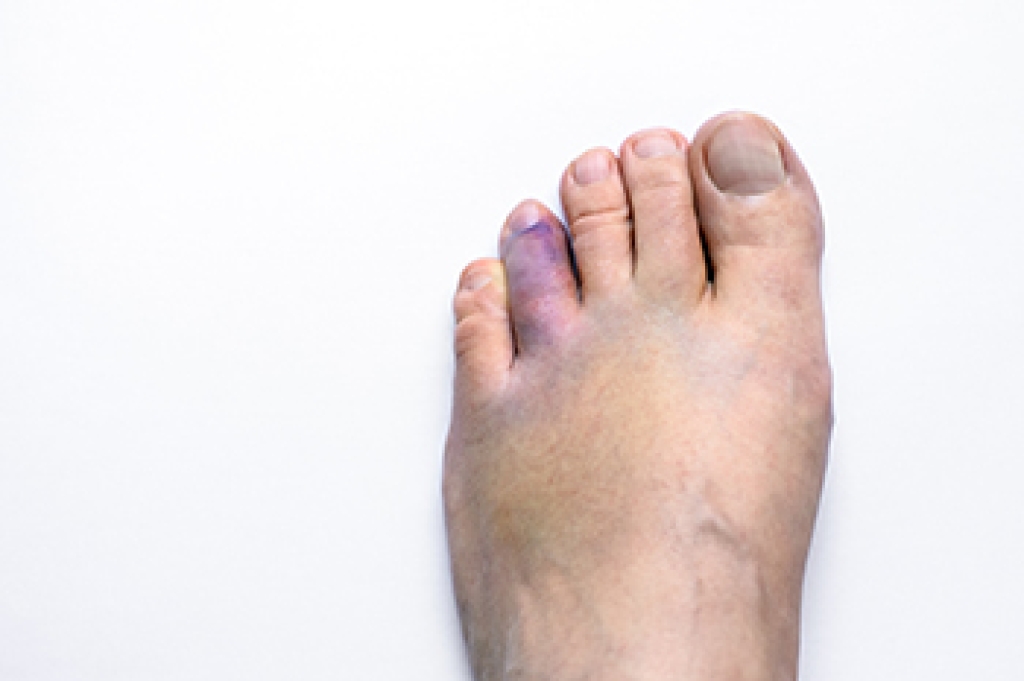
A broken toe is a common foot injury. It can happen because of a heavy object falling on it, or if it is stubbed on a piece of furniture. Broken toes are often accompanied by immediate bruising, and it may be difficult to walk. A broken toe is considered severe if the bone is protruding through the skin, and prompt medical attention should be sought. A diagnosis may consist of having an X-ray taken. Some broken toes can be treated by using the buddy taping method. This is when the broken toe is taped to the toe next to it for stability. The recovery time for a broken toe to heal can take up to six weeks. If you have fractured any of your toes, it is suggested that you speak with a podiatrist for proper diagnosis and treatment. 

Broken toes may cause a lot of pain and should be treated as soon as possible. If you have any concerns about your feet, contact Dr. Kennedy Legel from Advanced Foot & Ankle Care Specialists. Our doctor will treat your foot and ankle needs.

What Is a Broken Toe?

A broken toe occurs when one or more of the toe bones of the foot are broken after an injury. Injuries such as stubbing your toe or dropping a heavy object on it may cause a toe fracture.

Symptoms of a Broken Toe

  • Swelling
  • Pain (with/without wearing shoes)
  • Stiffness
  • Nail Injury

Although the injured toe should be monitored daily, it is especially important to have a podiatrist look at your toe if you have severe symptoms. Some of these symptoms include worsening or new pain that is not relieved with medication, sores, redness, or open wounds near the toe.

If you have any questions please feel free to contact our office located in Dallas, TX . We offer the newest diagnostic tools and technology to treat your foot and ankle needs.

Read more about What to Know About a Broken Toe

Wounds That Don't Heal Need to Be Checked

Your feet are covered most of the day. If you're diabetic, periodic screening is important for good health. Numbness is often a sign of diabetic foot and can mask a sore or wound.

Should I Cut an Ingrown Toenail?

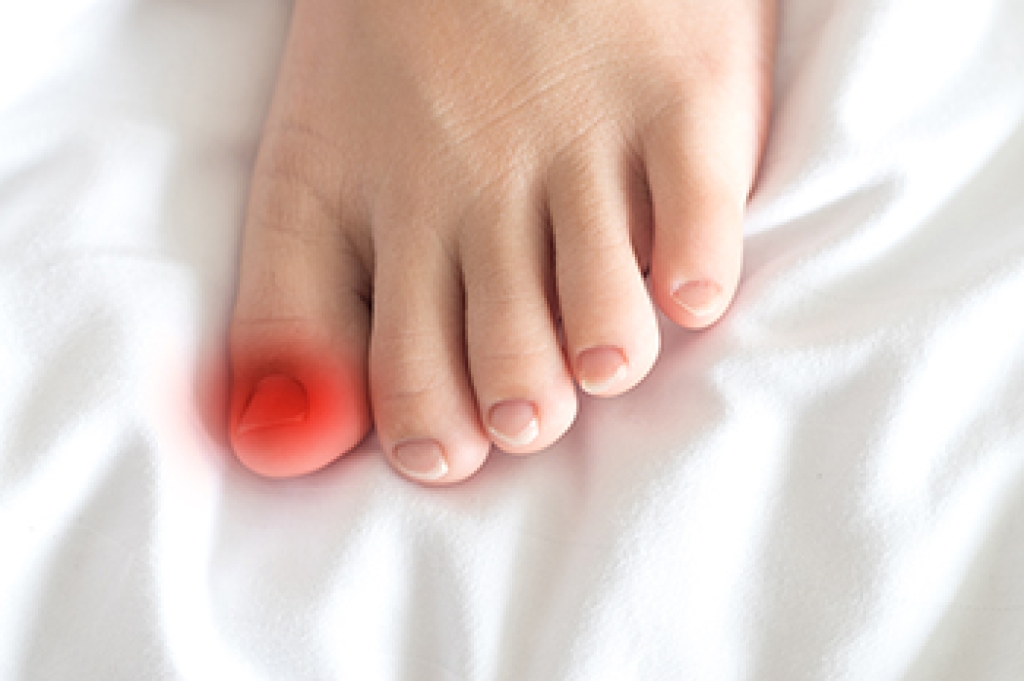
Even if you do not know all that much about the field of podiatry, there is a chance that you might already be familiar with what an ingrown toenail is. This condition is essentially characterized by the growth of the side of the toenail into the skin, such that inflammation and redness occurs. Many individuals living with an ingrown toenail often like to ask whether or not they can cut their ingrown toenails by themselves. The answer is that if a toenail is already ingrown, it is best not to attempt to cut it by yourself. Trying to do this by oneself can essentially increase the risk of possible infection. It might also make the ingrown toenail worse. Rather, an individual should seek out the guidance of a medical professional such as a podiatrist. If you are someone who is currently living with an ingrown toenail, it is suggested that you contact a podiatrist today.

Ingrown toenails can become painful if they are not treated properly. For more information about ingrown toenails, contact Dr. Kennedy Legel of Advanced Foot & Ankle Care Specialists. Our doctor can provide the care you need to keep you pain-free and on your feet.

Ingrown Toenails

Ingrown toenails occur when a toenail grows sideways into the bed of the nail, causing pain, swelling, and possibly infection.

Causes

  • Bacterial infections
  • Improper nail cutting such as cutting it too short or not straight across
  • Trauma to the toe, such as stubbing, which causes the nail to grow back irregularly
  • Ill-fitting shoes that bunch the toes too close together
  • Genetic predisposition

Prevention

Wearing proper fitting shoes and using proper cutting techniques will also help decrease your risk of developing ingrown toenails.

Treatment

Ingrown toenails are a very treatable foot condition. In minor cases, soaking the affected area in salt or antibacterial soaps will not only help with the ingrown nail itself, but also help prevent any infections from occurring. In more severe cases, surgery is an option. In either case, speaking to your podiatrist about this condition will help you get a better understanding of specific treatment options that are right for you.

If you have any questions, please feel free to contact our office located in Dallas, TX . We offer the newest diagnostic and treatment technologies for all your foot care needs.
Read more about Ingrown Toenails
scroll to top