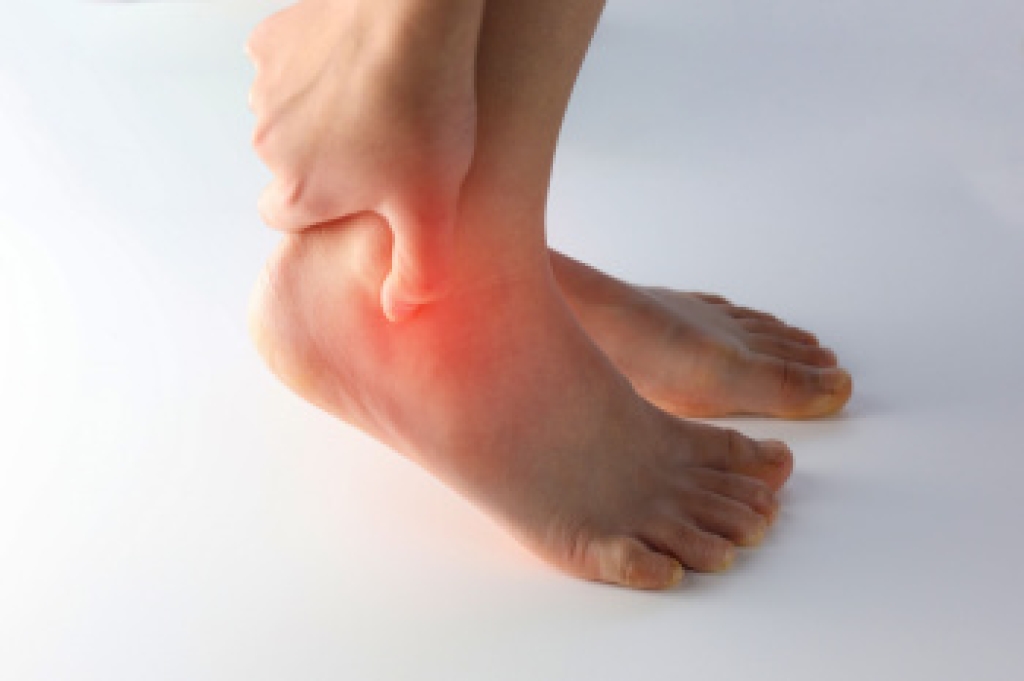
An Overview of Tarsal Tunnel Syndrome

Tarsal tunnel syndrome, a condition affecting the feet and ankles, arises from compression of the tibial nerve as it passes through the tarsal tunnel, which is a narrow space on the inside of the ankle. Similar to carpal tunnel syndrome in the wrist, this ailment can lead to pain, tingling, and numbness in the affected area. The tibial nerve, responsible for sensory and motor functions of the foot and ankle, becomes compressed due to various factors such as injury, inflammation, or underlying medical conditions like arthritis or diabetes. Individuals with flat feet or those engaging in repetitive activities that stress the foot may also be at higher risk. Symptoms of tarsal tunnel syndrome include burning sensations, electric shock-like pain, and weakness in the foot. Prompt diagnosis and treatment, which often involves rest, can help alleviate symptoms and prevent further complications. If you have pain on the inside of your ankle, it is suggested that you consult a podiatrist who can accurately diagnose and treat tarsal tunnel syndrome.

Tarsal tunnel syndrome can be very uncomfortable to live with. If you are experiencing tarsal tunnel syndrome, contact Dr. Kennedy Legel of Advanced Foot & Ankle Care Specialists. Our doctor can provide the care you need to keep you pain-free and on your feet.

Tarsal Tunnel Syndrome

Tarsal tunnel syndrome, which can also be called tibial nerve dysfunction, is an uncommon condition of misfiring peripheral nerves in the foot. The tibial nerve is the peripheral nerve in the leg responsible for sensation and movement of the foot and calf muscles. In tarsal tunnel syndrome, the tibial nerve is damaged, causing problems with movement and feeling in the foot of the affected leg.

Common Cause of Tarsal Tunnel Syndrome

  • Involves pressure or an injury, direct pressure on the tibial nerve for an extended period of time, sometimes caused by other body structures close by or near the knee.
  • Diseases that damage nerves, including diabetes, may cause tarsal tunnel syndrome.
  • At times, tarsal tunnel syndrome can appear without an obvious cause in some cases.

The Effects of Tarsal Tunnel Syndrome

  • Different sensations, an afflicted person may experience pain, tingling, burning or other unusual sensations in the foot of the affected leg.
  • The foot muscles, toes and ankle become weaker, and curling your toes or flexing your foot can become difficult.
  • If condition worsens, infections and ulcers may develop on the foot that is experiencing the syndrome.

A physical exam of the leg can help identify the presence of tarsal tunnel syndrome. Medical tests, such as a nerve biopsy, are also used to diagnose the condition. Patients may receive physical therapy and prescriptive medication. In extreme cases, some may require surgery.

If you have any questions please contact our office located in Dallas, TX . We offer the newest diagnostic and treatment technologies for all your foot and ankle needs.
Read more about Treating Tarsal Tunnel Syndrome

Causes and Symptoms of Cracked Heels

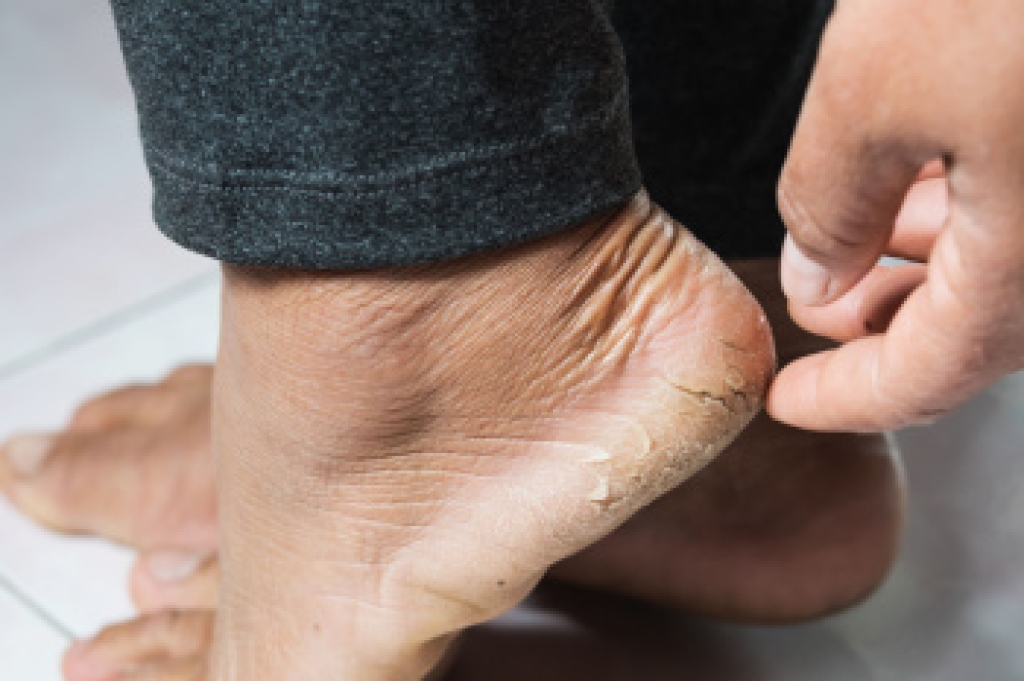
Cracked heels occur when the skin around the heels becomes dry, thickened, and fissured. This condition is often caused by a lack of moisture, leading to the skin's inability to retain hydration and elasticity. While anyone can develop cracked heels, some individuals are at a higher risk. Those who frequently expose their feet to harsh conditions, such as prolonged standing, walking barefoot, or wearing open-back shoes, are more susceptible. Additionally, factors like obesity, diabetes, and aging can contribute to the development of cracked heels. Symptoms of cracked heels include dryness, flakiness, redness, itching, and the formation of deep cracks or fissures. These fissures can be painful and may bleed in severe cases. It is essential to address cracked heels promptly to prevent complications such as infections. If you have developed cracked heels, it is strongly suggested that you consult a podiatrist who can provide the appropriate treatment methods.

If the skin on your feet starts to crack, you may want to see a podiatrist to find treatment. If you have any concerns, contact Dr. Kennedy Legel from Advanced Foot & Ankle Care Specialists. Our doctor can provide the care you need to keep you pain-free and on your feet.

Cracked Heels

It is important to moisturize your cracked heels in order to prevent pain, bleeding, and infection. The reason cracked heels form is because the skin on the foot is too dry to support the immense pressure placed on them. When the foot expands, the dry skin on the foot begins to split.

Ways to Help Heal Them

  • Invest in a good foot cream
  • Try Using Petroleum Jelly
  • Ease up on Soaps
  • Drink Plenty of Water

Ways to Prevent Cracked Heels

  • Moisturize After Showering
  • Skip a Shower
  • Keep Shower Water Lukewarm
  • Don’t Scrub Your Feet

If you are unsure how to proceed in treating cracked heels, seek guidance from a podiatrist. Your doctor will help you with any questions or information you may need. 

If you have any questions, please feel free to contact our office located in Dallas, TX . We offer the newest diagnostic and treatment technologies for all your foot care needs.

Read more about Solutions for Cracked Heels

A Guide to Effective Foot Stretches

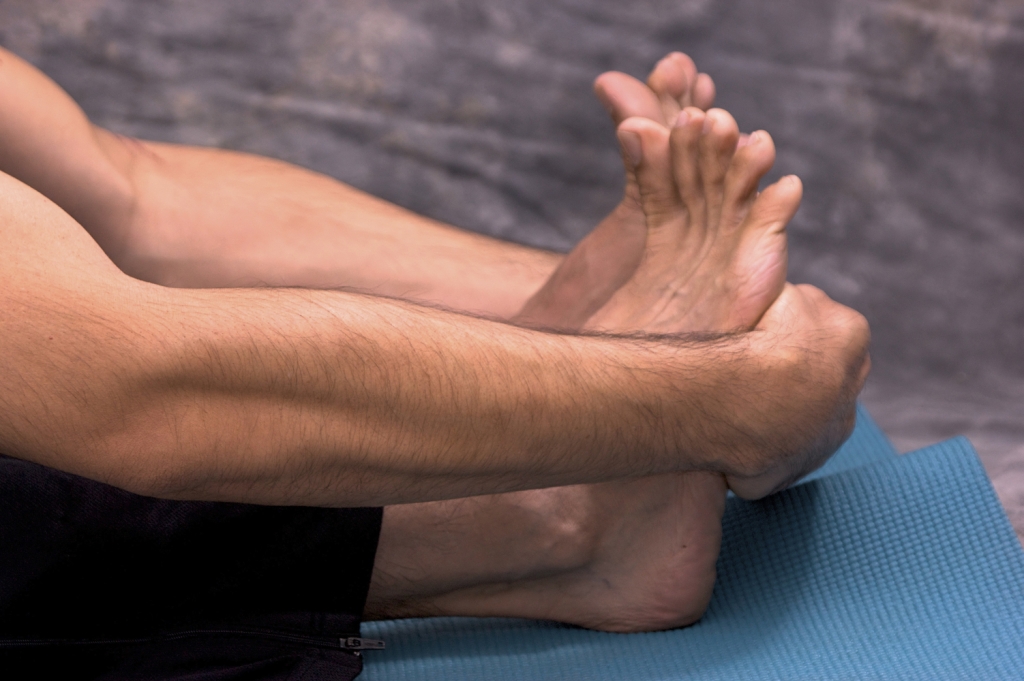
Promoting overall well-being involves not only physical exercise but also caring for often-neglected areas like the feet. Incorporating effective foot stretches into your routine can contribute significantly to flexibility and foot health. Begin with a simple toe stretch by sitting back on your heels and gently pressing the toes into the ground, providing a soothing stretch for the foot arches. Additionally, calf stretches can be achieved by propping the ball of your foot against a wall and leaning forward. To relieve tension in the ankles, rotate them clockwise and counterclockwise while seated. Finally, the classic seated forward bend can also benefit your feet by stretching the Achilles tendon. These stretches, performed consistently, enhance circulation, reduce stiffness, and contribute to overall foot comfort. If you would like more information about what type of foot stretches to perform, it is suggested that you consult a podiatrist.

Stretching the feet is a great way to prevent injuries. If you have any concerns with your feet consult with Dr. Kennedy Legel from Advanced Foot & Ankle Care Specialists. Our doctor will assess your condition and provide you with quality foot and ankle treatment.

Stretching the Feet

Being the backbone of the body, the feet carry your entire weight and can easily become overexerted, causing cramps and pain. As with any body part, stretching your feet can serve many benefits. From increasing flexibility to even providing some pain relief, be sure to give your feet a stretch from time to time. This is especially important for athletes or anyone performing aerobic exercises, but anyone experiencing foot pain or is on their feet constantly should also engage in this practice.

Great ways to stretch your feet:

  • Crossing one leg over the others and carefully pull your toes back. Do 10-20 repetitions and repeat the process for each foot
  • Face a wall with your arms out and hands flat against the wall. Step back with one foot and keep it flat on the floor while moving the other leg forward. Lean towards the wall until you feel a stretch. Hold for 30 seconds and perform 10 repetitions for each foot
  • Be sure not to overextend or push your limbs too hard or you could risk pulling or straining your muscle

Individuals who tend to their feet by regular stretching every day should be able to minimize foot pain and prevent new problems from arising.

If you have any questions please contact our office located in Dallas, TX . We offer the newest diagnostic and treatment technologies for all your foot and ankle needs.

Read more about Stretching Your Feet

Wounds That Don't Heal Need to Be Checked

Your feet are covered most of the day. If you're diabetic, periodic screening is important for good health. Numbness is often a sign of diabetic foot and can mask a sore or wound.

Women and Gout

Gout, long considered to affect mostly men, is increasingly recognized as a concern for women as well. In fact, gout can affect anyone, regardless of gender. This painful form of arthritis occurs when uric acid crystals accumulate in the joints, leading to inflammation and intense discomfort. Women may experience gout during menopause, due to hormonal changes that affect uric acid levels. Additionally, lifestyle factors, such as diet, obesity, alcohol consumption, and certain medications, can contribute to gout risk in women. Although women are less likely to develop gout than men, their risk increases with age and other health conditions such as hypertension, diabetes, and kidney disease. Recognizing that gout can affect women is essential for timely diagnosis and management. With proper lifestyle modifications, dietary changes, and medication, women can effectively manage gout and minimize its impact on their quality of life. If you suffer from gout flare-ups, it is suggested that you consult a podiatrist who can assess the situation and help manage the condition.

Gout is a foot condition that requires certain treatment and care. If you are seeking treatment, contact Dr. Kennedy Legel from Advanced Foot & Ankle Care Specialists. Our doctor will treat your foot and ankle needs.

What Is Gout?

Gout is a type of arthritis caused by a buildup of uric acid in the bloodstream. It often develops in the foot, especially the big toe area, although it can manifest in other parts of the body as well. Gout can make walking and standing very painful and is especially common in diabetics and the obese.

People typically get gout because of a poor diet. Genetic predisposition is also a factor. The children of parents who have had gout frequently have a chance of developing it themselves.

Gout can easily be identified by redness and inflammation of the big toe and the surrounding areas of the foot. Other symptoms include extreme fatigue, joint pain, and running high fevers. Sometimes corticosteroid drugs can be prescribed to treat gout, but the best way to combat this disease is to get more exercise and eat a better diet.

If you have any questions, please feel free to contact our office located in Dallas, TX . We offer the newest diagnostic and treatment technologies for all your foot care needs.

Read more about Gout
scroll to top