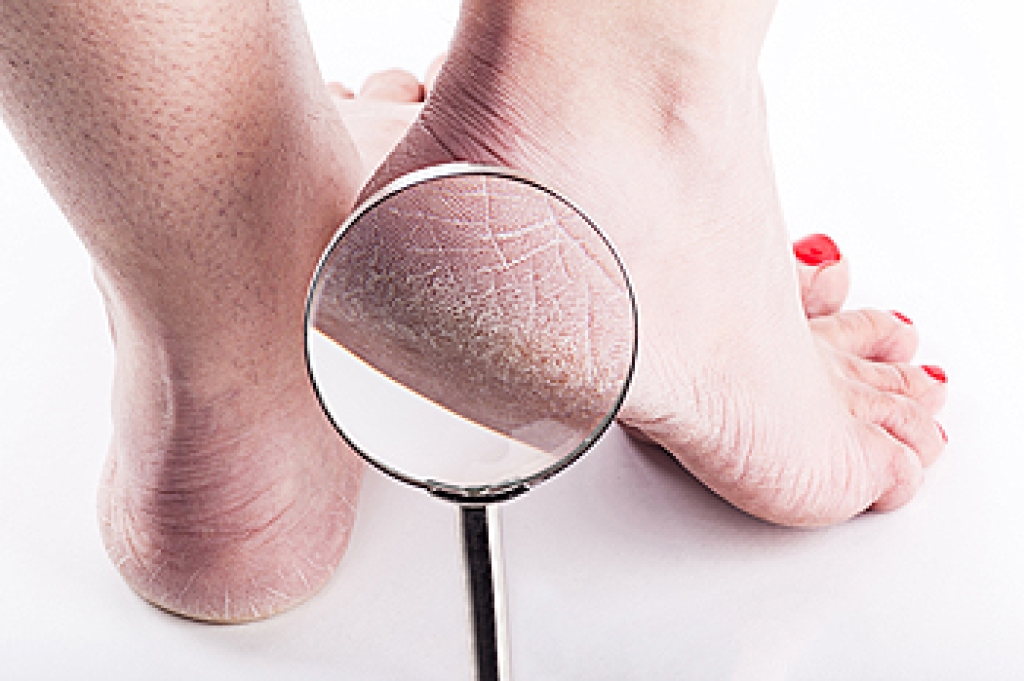
How Can I Have My Cracked Heels Feel Better?

There are typically several signs that can indicate cracked heels may be a growing concern. The skin will generally become rough, and it’s suggested to observe this condition and promptly administer an appropriate moisturizer or cream. Additional symptoms may include an itchy feeling in the feet, peeling skin, or the excretion of any type of liquid, such as blood, from the heels. There are reasons why many people experience cracked heels, including certain types of medical conditions, standing for extended periods at a time, or dry skin. Research has shown that the sooner cracked heels are treated, the sooner a more comfortable feeling will return to the feet. Utilizing a pumice stone to scrub away dry skin after soaking the feet in warm, soapy water may be an effective method to ease the roughness of cracked heels. The use of coconut oil or vegetable oil may aid in obtaining relief. If you are experiencing this condition, please consult your podiatrist for additional information.

Cracked heels are unsightly and can cause further damage to your shoes and feet. If you have any concerns, contact Dr. Kennedy Legel from Advanced Foot & Ankle Care Specialists. Our doctor can provide the care you need to keep you pain-free and on your feet.

Cracked Heels

Cracked heels appear unappealing and can make it harder for you walk around in sandals. Aside from looking unpleasant, cracked heels can also tear stockings, socks, and wear out your shoes. There are several methods to help restore a cracked heel and prevent further damage.

How Do You Get Them?

Dry skin is the number one culprit in creating cracked heels. Many athletes, walkers, joggers, and even swimmers suffer from cracked heels. Age and skin oil production play a role to getting cracked heels as well.

Promote Healing

Over the counter medicines can help, especially for those that need instant relief or who suffer from chronic dry feet.

Wear Socks – Wearing socks with medicated creams helps lock in moisture.

Moisturizers – Applying both day and night will help alleviate dryness which causes cracking.

Pumice Stones – These exfoliate and remove dead skin, which allows for smoother moisturizer application and better absorption into the skin. 

Change in Diet

Eating healthy with a well-balanced diet will give the skin a fresh and radiant look. Your body responds to the kinds of food you ingest. Omega-3 fatty acids and zinc supplements can also revitalize skin tissue.

Most importantly, seek professional help if unsure how to proceed in treating cracked heels. A podiatrist will help you with any questions or information needed. 

If you have any questions, please feel free to contact our office located in Dallas, TX . We offer the newest diagnostic and treatment technologies for all your foot care needs.

Read more about Solutions for Cracked Heels

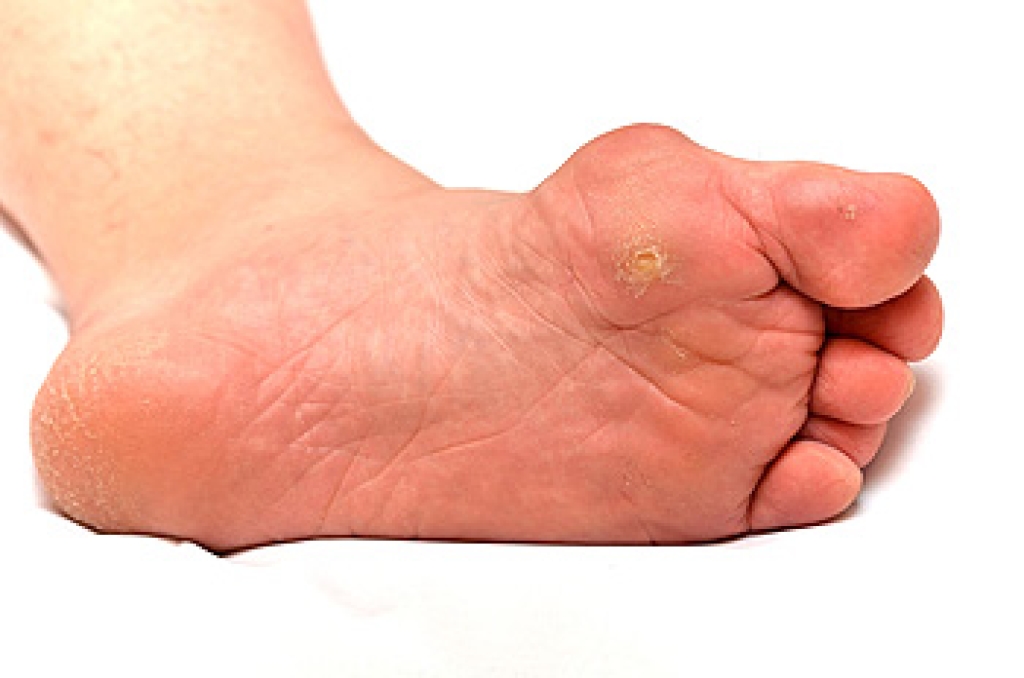
What is a Corn?

A small mass of skin that develops between the toes or on the pinky toe is generally referred to as a corn. If you have a corn you may experience severe pain, which typically happens when shoes that are worn do not fit correctly. Corns develop as a result of the pressure that a tight fitting shoe may create, causing the nerves to react with extreme pain. The color appears to be white, yellow or gray, and the consistency is typically hard and dense. Corns commonly develop as a result of constant friction against the skin, which often comes from poorly fitting shoes. Additionally, it's recommended that high heels are avoided, because the toes need adequate room to move. A consultation with podiatrist is suggested for proper treatment options and additional information about corns.

Corns can make walking very painful and should be treated immediately. If you have questions regarding your feet and ankles, contact Dr. Kennedy Legel of Advanced Foot & Ankle Care Specialists. Our doctor will treat your foot and ankle needs.

Corns: What Are They? And How Do You Get Rid of Them?
Corns are thickened areas on the skin that can become painful. They are caused by excessive pressure and friction on the skin. Corns press into the deeper layers of the skin and are usually round in shape.

Ways to Prevent Corns
There are many ways to get rid of painful corns such as:

  • Wearing properly fitting shoes that have been measured by a professional
  • Wearing shoes that are not sharply pointed or have high heels
  • Wearing only shoes that offer support

Treating Corns

Although most corns slowly disappear when the friction or pressure stops, this isn’t always the case. Consult with your podiatrist to determine the best treatment option for your case of corns.

If you have any questions, please feel free to contact our office located in Dallas, TX . We offer the newest diagnostic and treatment technologies for all your foot care needs.
Read more about Corns: What Are They, and How Do You Get Rid of Them

Why Live with Pain and Numbness in Your Feet?

Suffering from this type of pain? You may have the foot condition known as Morton's neuroma. Morton's neuroma may develop as a result of ill-fitting footwear and existing foot deformities. We can help.

What Are The Treatment Options for Bunions?

A bunion is often easily identified because of the large bony protrusion that appears on the side of the big toe.The skin on top of the bone may look red and and can become painful due to the friction the toes experience from shoes. Bunions can be caused by conditions such as arthritis or an abnormal foot structure that may possibly be inherited. The condition can also be made worse by wearing shoes that fit poorly. If you suffer from this ailment, it’s recommended to wear wider shoes to accommodate the affected toe. A more permanent solution would be surgery, in which the bunion is removed. If you have this condition, please consult with a podiatrist for additional information and to determine the best treatment option for you. 

If you are suffering from bunions, contact Dr. Kennedy Legel of Advanced Foot & Ankle Care Specialists. Our doctor can provide the care you need to keep you pain-free and on your feet.

What Is a Bunion?

A bunion is formed of swollen tissue or an enlargement of boney growth, usually located at the base joint of the toe that connects to the foot. The swelling occurs due to the bones in the big toe shifting inward, which impacts the other toes of the foot. This causes the area around the base of the big toe to become inflamed and painful.

Why Do Bunions Form?

Genetics – Susceptibility to bunions are often hereditary

Stress on the feet – Poorly fitted and uncomfortable footwear that places stress on feet, such as heels, can worsen existing bunions

How Are Bunions Diagnosed?

Podiatrists often perform two tests – blood tests and x-rays – when trying to diagnose bunions, especially in the early stages of development. Blood tests help determine if the foot pain is being caused by something else, such as arthritis, while x-rays provide a clear picture of your bone structure to your provider.

How Are Bunions Treated?

  • Refrain from wearing heels or similar shoes that cause discomfort
  • Select wider shoes that can provide more comfort and reduce pain
  • Anti-inflammatory and pain management drugs
  • Orthotics or foot inserts
  • Surgery

If you have any questions, please feel free to contact our office located in Dallas, TX . We offer the newest diagnostic and treatment technologies for all your foot care needs.

Read more about Bunions

The Importance of Teaching Your Child About Proper Foot Care

Teaching children the importance of taking care of their feet is crucial in their overall health. There are several things parents can do to accomplish this, including teaching the child how the toenails are trimmed and choosing shoes that fit properly. A child’s foot is fully developed in their late teens, and shoes that are worn during these years should have ample room for the feet to grow. Measuring the feet and checking shoe size often will ensure the correct size is worn and can prevent serious conditions from developing, such as ingrown toenails. It’s important to pay close attention if your child feels pain in the foot or heel or if their walking appears to be clumsy. This may be indicative of certain conditions, such as flat feet. Please consider scheduling a consultation with a podiatrist if you would like additional information on how to properly care for your child’s feet.

Making sure that your children maintain good foot health is very important as they grow. If you have any questions, contact Dr. Kennedy Legel of Advanced Foot & Ankle Care Specialists. Our doctor can provide the care you need to keep you pain-free and on your feet.

Keeping Children's Feet Healthy

Having healthy feet during childhood can help prevent medical problems later in life, namely in the back and legs. As children grow, their feet require different types of care. Here are some things to consider...

Although babies do not walk yet, it is still very important to take care of their feet.

Avoid putting tight shoes or socks on his or her feet.

Allow the baby to stretch and kick his or her feet to feel comfortable.

As a toddler, kids are now on the move and begin to develop differently. At this age, toddlers are getting a feel for walking, so don’t be alarmed if your toddler is unsteady or ‘walks funny’. 

As your child gets older, it is important to teach them how to take care of their feet.

Show them proper hygiene to prevent infections such as fungus.

Be watchful for any pain or injury.

Have all injuries checked by a doctor as soon as possible.

Comfortable, protective shoes should always be worn, especially at play.

If you have any questions, please feel free to contact our office located in Dallas, TX . We offer the newest diagnostic and treatment technologies for all your foot care needs.

Read more about What to Do to Keep Your Child’s Feet Healthy
scroll to top