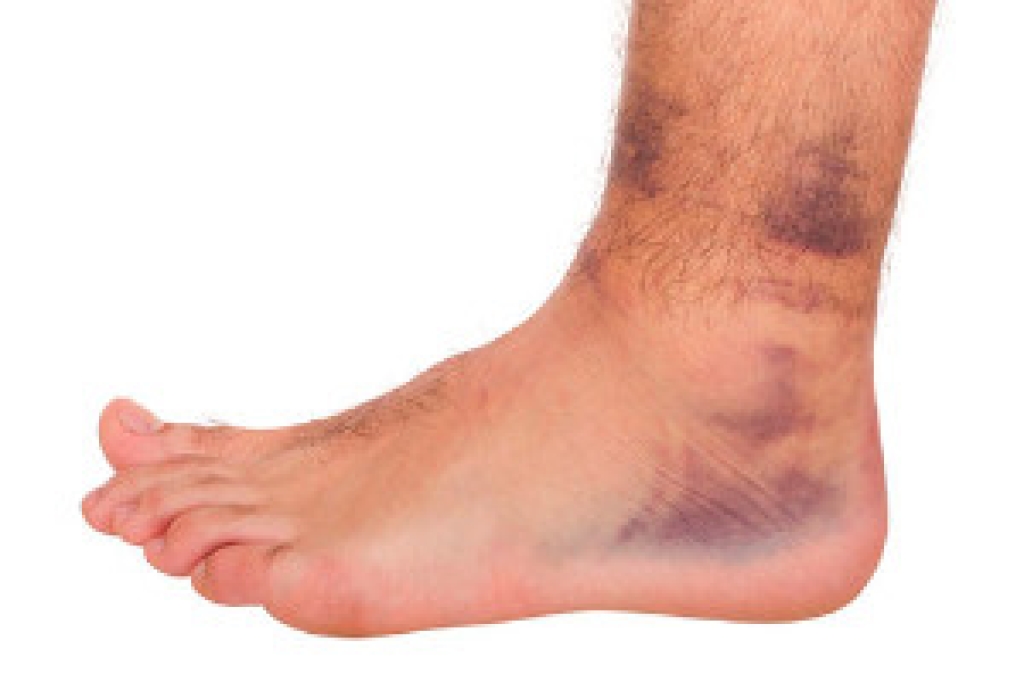
Two Types of Ankle Sprains

If ligaments in the ankle are torn or stretched, it is indicative of an ankle sprain. The purpose of these ligaments is to hold the ankle in place. If you have sprained your ankle, pain and discomfort is often experienced, and it may be difficult to bear any weight on the foot. Research has indicated there are two types of ankle sprains. These include eversion and inversion sprains. If the ankle turns in an outward direction, this is typically an eversion sprain. The latter occurs when the foot is twisted, and the ankle rolls inward. Some of the reasons why this type of injury occurs include wearing the wrong shoes, which can make it easier to fall, in addition to participating in high impact sporting activities. This produces stress on the ankle joints, which can lead to weakness in the foot. If you feel you have sprained your ankle, it is suggested to speak to a podiatrist who can perform a complete evaluation of the injured foot.

Ankle sprains are common but need immediate attention. If you need your feet checked, contact Dr. Kennedy Legel from Advanced Foot & Ankle Care Specialists. Our doctor can provide the care you need to keep you pain-free and on your feet.

How Does an Ankle Sprain Occur?

Ankle sprains take place when the ligaments in your ankle are torn or stretched beyond their limits. There are multiple ways that the ankle can become injured, including twisting or rolling over onto your ankle, putting undue stress on it, or causing trauma to the ankle itself.

What Are the Symptoms?

  • Mild to moderate bruising
  • Limited mobility
  • Swelling
  • Discoloration of the skin (depending on severity)

Preventing a Sprain

  • Wearing appropriate shoes for the occasion
  • Stretching before exercises and sports
  • Knowing your limits

Treatment of a Sprain

Treatment of a sprain depends on the severity.  Many times, people are told to rest and remain off their feet completely, while others are given an air cast. If the sprain is very severe, surgery may be required.

If you have suffered an ankle sprain previously, you may want to consider additional support such as a brace and regular exercises to strengthen the ankle.

If you have any questions please feel free to contact our office located in Dallas, TX . We offer the newest diagnostic tools and technology to treat your foot and ankle needs.

Read more about Ankle Sprains

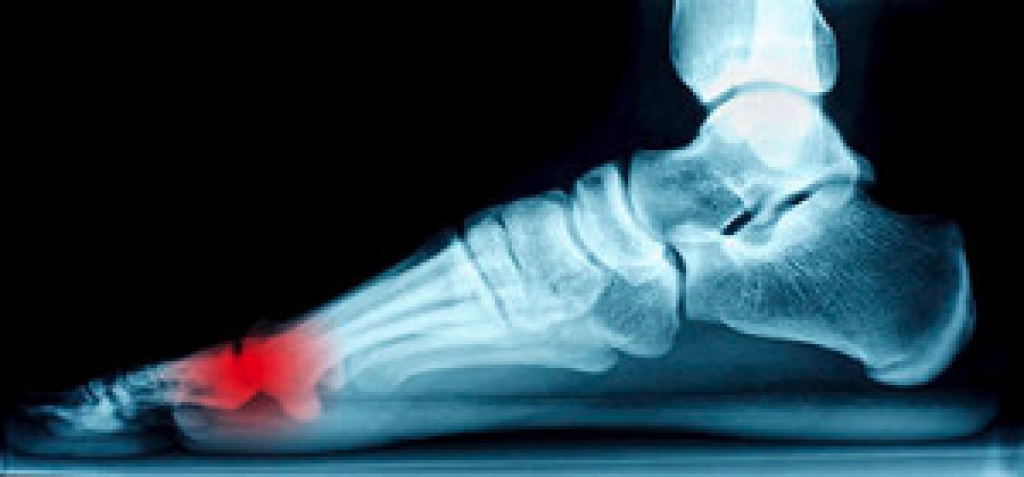
Where Are the Sesamoid Bones Located?

There are two bones that are located under the joint at the bottom of the big toe. These are referred to as the sesamoid bones. If they should suffer an injury or become inflamed from overuse, a condition known as sesamoiditis may occur. The symptoms associated with this ailment may include pain while walking or running, and discomfort when the big toe is pulled upward. An X-ray is often performed to obtain a correct diagnosis, as this may be helpful in determining if the sesamoid bones have become fractured. Additional tests that can be performed may include bone scans or an MRI. If you feel you have sesamoiditis, it is strongly recommended that you consult with a podiatrist who can advise you on proper treatment options.

Sesamoiditis is an unpleasant foot condition characterized by pain in the balls of the feet. If you think you’re struggling with sesamoiditis, contact Dr. Kennedy Legel of Advanced Foot & Ankle Care Specialists. Our doctor will treat your condition thoroughly and effectively.

Sesamoiditis

Sesamoiditis is a condition of the foot that affects the ball of the foot. It is more common in younger people than it is in older people. It can also occur with people who have begun a new exercise program, since their bodies are adjusting to the new physical regimen. Pain may also be caused by the inflammation of tendons surrounding the bones. It is important to seek treatment in its early stages because if you ignore the pain, this condition can lead to more serious problems such as severe irritation and bone fractures.

Causes of Sesamoiditis

  • Sudden increase in activity
  • Increase in physically strenuous movement without a proper warm up or build up
  • Foot structure: those who have smaller, bonier feet or those with a high arch may be more susceptible

Treatment for sesamoiditis is non-invasive and simple. Doctors may recommend a strict rest period where the patient forgoes most physical activity. This will help give the patient time to heal their feet through limited activity. For serious cases, it is best to speak with your doctor to determine a treatment option that will help your specific needs.

If you have any questions, please feel free to contact our office located in Dallas, TX . We offer the newest diagnostic and treatment technologies for all your foot care needs.

Read more about Sesamoiditis

Do You Wanna Be a Podiatrist?

People who are interested in helping folks who have foot and ankle disorders may want to consider podiatry as a career choice. Some of the conditions that are treated may be ingrown toenails, chronic foot pain, or bunions, which may require surgery for permanent relief. Additionally, podiatrists may specialize in diabetic foot care, and can prescribe custom-made orthotics. The schooling that is required in most states is a four year post graduate program followed by three years of residency training. If you would like to pursue a career in podiatric medicine, speak with a podiatrist who can answer any questions you may have.

If you are experiencing pain in the feet or ankles, don’t join the stubborn majority refusing treatment. Feel free to contact Dr. Kennedy Legel from Advanced Foot & Ankle Care Specialists. Our doctor can provide the care you need to keep you pain-free and on your feet.

What Is a Podiatrist?

Someone would seek the care of a podiatrist if they have suffered a foot injury or have common foot ailments such as heal spurs, bunions, arch problems, deformities, ingrown toenails, corns, foot and ankle problems, etc.

Podiatric Treatment

A podiatrist will treat the problematic areas of the feet, ankle or lower leg by prescribing the following:

  • Physical therapy
  • Drugs
  • Orthotic inserts or soles
  • Surgery on lower extremity fractures

A common podiatric procedure a podiatrist will use is a scanner or force plate which will allow the podiatrist to know the designs of orthotics. Patients are then told to follow a series of tasks to complete the treatment. The computer will scan the foot a see which areas show weight distribution and pressure points. The podiatrist will read the analysis and then determine which treatment plans are available.

If you have any questions, please feel free to contact our office located in Dallas, TX . We offer the newest diagnostic and treatment technologies for all your foot care needs.

Read more about What is a Podiatrist?

Infections and Cracked Heels

The technical name for a condition known as cracked heels is referred to as keratoderma. A noticeable symptom of this condition may include thickened skin on the heel of the foot. If this is not treated promptly and properly, cracks, or fissures may develop in the affected area. The skin may lose hydration as a result of a disrupted skin barrier, and infections may occur. It may develop from wearing shoes with an open back, or walking or standing for the majority of the day. When a moisturizer is applied to the skin on the heel, mild improvement may be noticed as the heel starts to feel better. If the condition is severe, it is advised to speak to a podiatrist who can properly treat cracked heels.

If the skin on your feet starts to crack, you may want to see a podiatrist to find treatment. If you have any concerns, contact Dr. Kennedy Legel from Advanced Foot & Ankle Care Specialists. Our doctor can provide the care you need to keep you pain-free and on your feet.

Cracked Heels

It is important to moisturize your cracked heels in order to prevent pain, bleeding, and infection. The reason cracked heels form is because the skin on the foot is too dry to support the immense pressure placed on them. When the foot expands, the dry skin on the foot begins to split.

Ways to Help Heal Them

  • Invest in a good foot cream
  • Try Using Petroleum Jelly
  • Ease up on Soaps
  • Drink Plenty of Water

Ways to Prevent Cracked Heels

  • Moisturize After Showering
  • Skip a Shower
  • Keep Shower Water Lukewarm
  • Don’t Scrub Your Feet

If you are unsure how to proceed in treating cracked heels, seek guidance from a podiatrist. Your doctor will help you with any questions or information you may need. 

If you have any questions, please feel free to contact our office located in Dallas, TX . We offer the newest diagnostic and treatment technologies for all your foot care needs.

Read more about Solutions for Cracked Heels

Standing for the Majority of the Day May Cause Discomfort

If you are involved in an occupation and the majority of the time is spent standing on your feet, you may notice there is pain and discomfort in your feet and lower legs. These professions may include mail carriers, casino dealers, or retail salespersons. The feet carry the majority of the body’s weight, and it is important to rest the lower extremities as often as possible during the course of the day. Mild relief may be obtained by stretching the feet, standing on a stress mat, and wearing orthotics may help to reduce discomfort. The joints may be compressed in the feet and legs as a result of standing most of the day, and this may cause pain and inflammation. Research has indicated it may be helpful to lose weight, as this may lessen the stress that is put on the tendons, joints, and foot muscles. If you stand for most of the day and would like additional information on how to properly care for your feet, please consult with a podiatrist who can answer any questions you may have.

While working on the feet, it is important to take the proper care of them. For more information about working on your feet, contact Dr. Kennedy Legel from Advanced Foot & Ankle Care Specialists. Our doctor will treat your foot and ankle needs.

Working on Your Feet

Standing on your feet for long periods of time can cause stress and pain in your feet. Your whole body may experience change in terms of posture, back pain, bunions, callouses and or plantar warts. There are ways to avoid these conditions with proper foot care, smart choices and correct posture.

Positive Changes

Negative heeled shoe – Choosing this shoe type places the heel slightly lower than the ball of the foot. These are great for overall foot health. Find shoes that fit you correctly.

Go barefoot – Our feet were not designed to be enclosed for all hours of the day. Try to periodically expose your feet to air.

Eliminate Pain

Foot Exercises – Performing simple exercises, incorporating yoga and doing stretches are beneficial. This will allow increased blood flow to the area and muscles of the foot.

Achilles tendon – Stretching the foot out flat on the floor will relax the calf muscles and tendon. These exercises can be performed almost anywhere. Make sure you add these exercises to your daily regimen. 

With a little bit of this information and knowing more about foot health, you will notice changes. Foot stretches and proper footwear will help with pain and prevent further issues.

If you have any questions please contact our office located in Dallas, TX . We offer the newest diagnostic and treatment technologies for all your foot and ankle needs.

Read more about Working on Your Feet
scroll to top