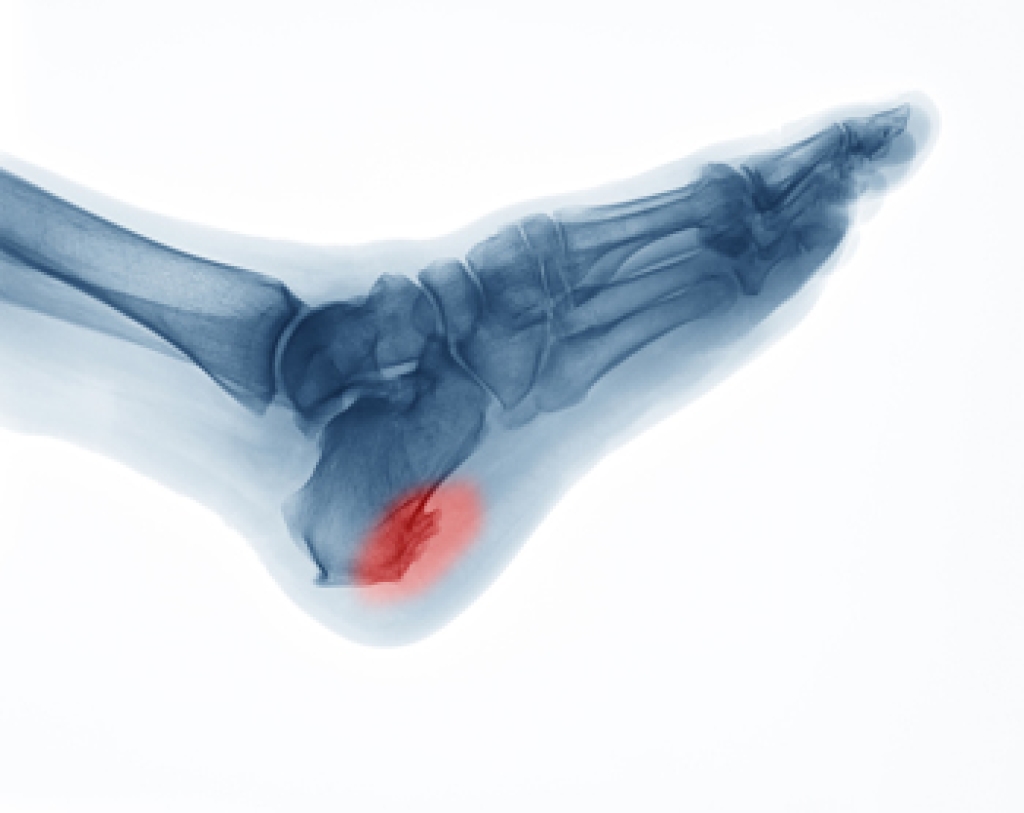
Two Places a Heel Spur Can Develop

A heel spur can be a painful foot condition, and may develop as a result of enduring an injury, wearing shoes that do not fit correctly, or possibly from excess friction. Research has indicated there are two places heel spurs can form. When they develop at the back of the heel, Achilles tendonitis may contribute to this. This may occur from wearing shoes that are tight, or from having tight calf muscles. Plantar fasciitis or abnormal foot structure may be responsible for heel spurs to develop underneath the heel. Many patients have found mild relief when proper stretches are performed on the affected heel, and shoe inserts may need to be worn. If you have a heel spur, it is strongly suggested that you are under the care of a podiatrist who can effectively treat this condition.

Heel spurs can be incredibly painful and sometimes may make you unable to participate in physical activities. To get medical care for your heel spurs, contact Dr. Kennedy Legel from Advanced Foot & Ankle Care Specialists. Our doctor will do everything possible to treat your condition.

Heels Spurs

Heel spurs are formed by calcium deposits on the back of the foot where the heel is. This can also be caused by small fragments of bone breaking off one section of the foot, attaching onto the back of the foot. Heel spurs can also be bone growth on the back of the foot and may grow in the direction of the arch of the foot.

Older individuals usually suffer from heel spurs and pain sometimes intensifies with age. One of the main condition's spurs are related to is plantar fasciitis.

Pain

The pain associated with spurs is often because of weight placed on the feet. When someone is walking, their entire weight is concentrated on the feet. Bone spurs then have the tendency to affect other bones and tissues around the foot. As the pain continues, the feet will become tender and sensitive over time.

Treatments

There are many ways to treat heel spurs. If one is suffering from heel spurs in conjunction with pain, there are several methods for healing. Medication, surgery, and herbal care are some options.

If you have any questions, please feel free to contact our office located in Dallas, TX . We offer the newest diagnostic and treatment technologies for all your foot care needs.

Read more about How to Treat Heel Spurs

Do Your Child's Feet Hurt?

Have your child's feet been examined lately? Healthy feet are happy feet. If your child is complaining of foot pain, it may be a sign of underlying problems.

Dealing With Plantar Fasciitis

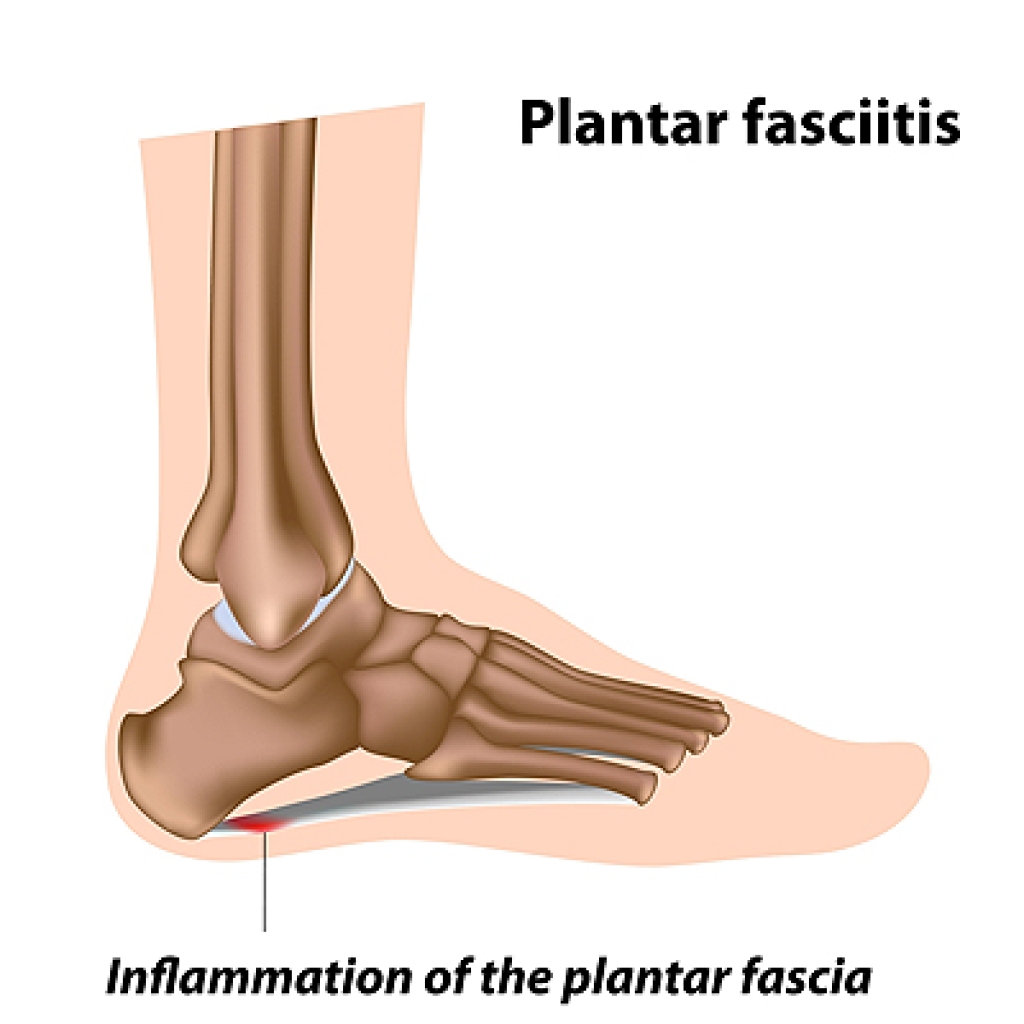
Plantar fasciitis is one of the most common foot injuries and is associated with overuse. The plantar fascia is a ligament that runs along the bottom of the foot and connects the toes to the heel bone. When this ligament is injured and becomes inflamed, it can cause pain in the heels and arches of the affected foot. Left untreated, the pain can become chronic and interfere with daily activities like walking or running. If you are suffering from plantar fasciitis, there are some things that you can do at home to reduce symptoms. Icing and resting the affected foot can decrease inflammation and pain. Doing gentle stretching exercises can help strengthen the plantar fascia and reduce stiffness. Once your plantar fascia has healed, taking preventive measures, such as wearing well-fitting shoes, can lower your risk of reinjury. For more information about plantar fasciitis, please consult with a podiatrist. 

Plantar fasciitis can be very painful and inconvenient. If you are experiencing heel pain or symptoms of plantar fasciitis, contact Dr. Kennedy Legel  from Advanced Foot & Ankle Care Specialists. Our doctor can provide the care you need to keep you pain-free and on your feet.

What Is Plantar Fasciitis?

Plantar fasciitis is the inflammation of the thick band of tissue that runs along the bottom of your foot, known as the plantar fascia, and causes mild to severe heel pain.

What Causes Plantar Fasciitis?

  • Excessive running
  • Non-supportive shoes
  • Overpronation
  • Repeated stretching and tearing of the plantar fascia

How Can It Be Treated?

  • Conservative measures – anti-inflammatories, ice packs, stretching exercises, physical therapy, orthotic devices
  • Shockwave therapy – sound waves are sent to the affected area to facilitate healing and are usually used for chronic cases of plantar fasciitis
  • Surgery – usually only used as a last resort when all else fails. The plantar fascia can be surgically detached from the heel

While very treatable, plantar fasciitis is definitely not something that should be ignored. Especially in severe cases, speaking to your doctor right away is highly recommended to avoid complications and severe heel pain. Your podiatrist can work with you to provide the appropriate treatment options tailored to your condition.

If you have any questions, please feel free to contact our office located in Dallas, TX . We offer the newest diagnostic and treatment technologies for all your foot care needs.
Read more about Plantar Fasciitis

What Are the Symptoms of Charcot Foot?

Charcot foot is a condition that affects the bones, joints, and soft tissues of the feet due to nerve damage. This type of neuropathy may show early symptoms, such as mild pain and discomfort in the feet, redness, warmth, or swelling. In later stages of Charcot foot, the bones in the middle of the foot may collapse, causing the arch of the foot to collapse as well. The toes may also begin to curl downward. People with Charcot foot are more likely to develop foot wounds and ulcers because of damaged bones deforming the feet, creating more spots where friction and pressure from walking or wearing shoes breaks the skin. These wounds may go unnoticed due to a loss of sensation from nerve damage in the feet and can become infected. If you are experiencing the symptoms of Charcot foot, please seek the care of a podiatrist as soon as possible. 

Neuropathy

Neuropathy can be a potentially serious condition, especially if it is left undiagnosed. If you have any concerns that you may be experiencing nerve loss in your feet, consult with Dr. Kennedy Legel from Advanced Foot & Ankle Care Specialists. Our doctor will assess your condition and provide you with quality foot and ankle treatment for neuropathy.

What Is Neuropathy?

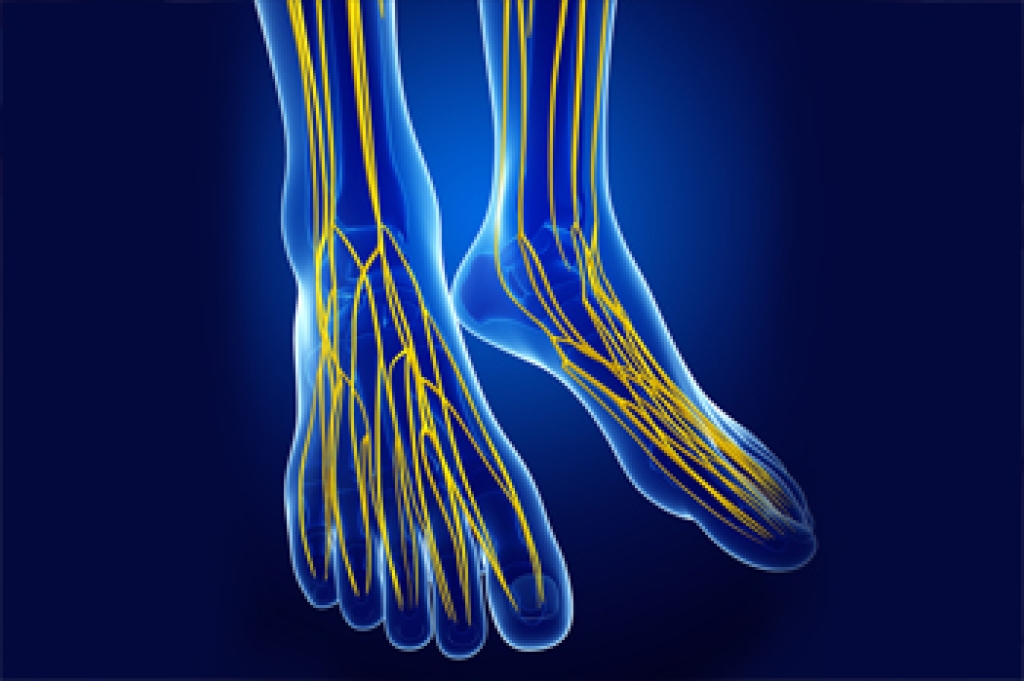
Neuropathy is a condition that leads to damage to the nerves in the body. Peripheral neuropathy, or neuropathy that affects your peripheral nervous system, usually occurs in the feet. Neuropathy can be triggered by a number of different causes. Such causes include diabetes, infections, cancers, disorders, and toxic substances.

Symptoms of Neuropathy Include:

  • Numbness
  • Sensation loss
  • Prickling and tingling sensations
  • Throbbing, freezing, burning pains
  • Muscle weakness

Those with diabetes are at serious risk due to being unable to feel an ulcer on their feet. Diabetics usually also suffer from poor blood circulation. This can lead to the wound not healing, infections occurring, and the limb may have to be amputated.

Treatment

To treat neuropathy in the foot, podiatrists will first diagnose the cause of the neuropathy. Figuring out the underlying cause of the neuropathy will allow the podiatrist to prescribe the best treatment, whether it be caused by diabetes, toxic substance exposure, infection, etc. If the nerve has not died, then it’s possible that sensation may be able to return to the foot.

Pain medication may be issued for pain. Electrical nerve stimulation can be used to stimulate nerves. If the neuropathy is caused from pressure on the nerves, then surgery may be necessary.

If you have any questions, please feel free to contact our office located in Dallas, TX . We offer the newest diagnostic and treatment technologies for all your foot care needs.

Read more about Neuropathy

Falling And Children

Falling is a normal part of everyday life for children when they are learning to walk. It is important for parents to provide an environment that will protect their children from getting hurt when falling occurs. There are basic strategies that can be implemented to help limit the amount of falling episodes. These can include installing gates on both ends of the staircase, removing worn rugs, and it may be beneficial to refrain from using baby walkers. Many people also choose to lock their doors when their child learns to walk, and this can be helpful in preventing falls on concrete or brick steps. When guard rails are installed around a child's bed, this can help to keep them safe and secure while sleeping and prevent falls. Unwanted foot conditions may develop as a result from falling, so it is suggested that you confer with a podiatrist who can offer you solutions that can help to protect your child and their feet.

Preventing falls among the elderly is very important. If you are older and have fallen or fear that you are prone to falling, consult with Dr. Kennedy Legel from Advanced Foot & Ankle Care Specialists. Our doctor will assess your condition and provide you with quality advice and care.

Every 11 seconds, an elderly American is being treated in an emergency room for a fall related injury. Falls are the leading cause of head and hip injuries for those 65 and older. Due to decreases in strength, balance, senses, and lack of awareness, elderly persons are very susceptible to falling. Thankfully, there are a number of things older persons can do to prevent falls.

How to Prevent Falls

Some effective methods that older persons can do to prevent falls include:

  • Enrolling in strength and balance exercise program to increase balance and strength
  • Periodically having your sight and hearing checked
  • Discuss any medications you have with a doctor to see if it increases the risk of falling
  • Clearing the house of falling hazards and installing devices like grab bars and railings
  • Utilizing a walker or cane
  • Wearing shoes that provide good support and cushioning
  • Talking to family members about falling and increasing awareness

Falling can be a traumatic and embarrassing experience for elderly persons; this can make them less willing to leave the house, and less willing to talk to someone about their fears of falling. Doing such things, however, will increase the likelihood of tripping or losing one’s balance. Knowing the causes of falling and how to prevent them is the best way to mitigate the risk of serious injury.  

If you have any questions, please feel free to contact our office located in Dallas, TX . We offer the newest diagnostic and treatment technologies for all your foot care needs.

Read more about Falls Prevention
scroll to top