
Foot Stretches During Pregnancy

There are numerous tendons, ligaments, muscles, and bones in each foot that endure pounds of pressure as each step is taken. Pregnant women often notice their feet are swollen a majority of the time, and this may be a result of the added weight gained during pregnancy. Additionally, hormonal changes that occur can contribute to weight gain and swollen feet. Many pregnant women buy larger shoes that can provide stability, cushioning, and comfort. It can be beneficial to exercise and stretch the feet, helping to provide much needed relief from foot pain. Some women find it helps to roll a bag of golf balls on their feet, which can mimic a massage. Additionally, an effective stretch for the sole of the feet is standing on a step and lowering one heel at a time until a gentle stretch is felt. If you would like more information about specific foot stretches to perform during your pregnancy, please speak with a podiatrist.

Pregnant women with swollen feet can be treated with a variety of different methods that are readily available. For more information about other cures for swollen feet during pregnancy, consult with Dr. Kennedy Legel from Advanced Foot & Ankle Care Specialists. Our doctor will attend to all of your foot and ankle needs.

What Foot Problems Can Arise During Pregnancy?

One problem that can occur is overpronation, which occurs when the arch of the foot flattens and tends to roll inward.  This can cause pain and discomfort in your heels while you’re walking or even just standing up, trying to support your baby.  

Another problem is edema, or swelling in the extremities. This often affects the feet during pregnancy but tends to occur in the later stages. 

How Can I Keep My Feet Healthy During Pregnancy?

  • Wearing orthotics can provide extra support for the feet and help distribute weight evenly
  • Minimize the amount of time spent walking barefoot
  • Wear shoes with good arch support
  • Wear shoes that allow for good circulation to the feet
  • Elevate feet if you experience swelling
  • Massage your feet
  • Get regular, light exercise, such as walking, to promote blood circulation to the feet

If you have any questions, please feel free to contact our office located in Dallas, TX . We offer the newest diagnostic and treatment technologies for all your foot care needs.

Read more about Pregnancy and Foot Health

Ways Diabetes Affects the Feet

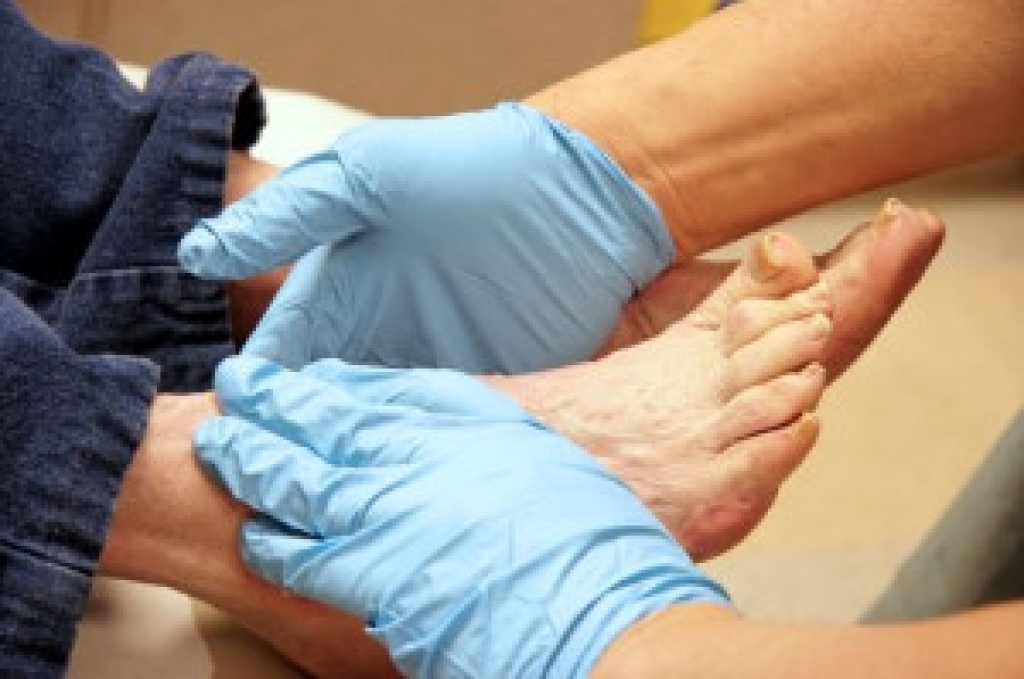
Many people who have diabetes also develop foot problems, mainly because of nerve damage (neuropathy) and decreased blood circulation. Neuropathy results in numbness, so you are less able to detect sores or injuries to the feet. Poor circulation makes it more difficult for sores to heal and resist infection. The combination frequently results in skin ulcers that may go all the way to the bone and an  increased risk of infection as the wound remains open. In the worst cases, it can lead to amputation. Some measures can be taken at home by you or a healthcare worker to help avoid such developments. Included are keeping your feet clean and dry, checking for injuries or sores that don’t heal, and being aware of redness, swelling, or odors coming from your feet. It is important to keep your toenails properly trimmed and avoid going barefoot. It is even more important to have regular visits with a podiatrist who can perform examinations of your feet before they develop into serious or life-threatening conditions.

Diabetic foot care is important in preventing foot ailments such as ulcers. If you are suffering from diabetes or have any other concerns about your feet, contact Dr. Kennedy Legel from Advanced Foot & Ankle Care Specialists. Our doctor can provide the care you need to keep you pain-free and on your feet.

Diabetic Foot Care

Diabetes affects millions of people every year. The condition can damage blood vessels in many parts of the body, especially the feet. Because of this, taking care of your feet is essential if you have diabetes, and having a podiatrist help monitor your foot health is highly recommended.

The Importance of Caring for Your Feet

  • Routinely inspect your feet for bruises or sores.
  • Wear socks that fit your feet comfortably.
  • Wear comfortable shoes that provide adequate support.

Patients with diabetes should have their doctor monitor their blood levels, as blood sugar levels play such a huge role in diabetic care. Monitoring these levels on a regular basis is highly advised.

It is always best to inform your healthcare professional of any concerns you may have regarding your feet, especially for diabetic patients. Early treatment and routine foot examinations are keys to maintaining proper health, especially because severe complications can arise if proper treatment is not applied.

If you have any questions, please feel free to contact our office located in Dallas, TX . We offer the newest diagnostic and treatment technologies for all your foot care needs.

Read more about Diabetic Foot Conditions

Do Your Child's Feet Hurt?

Have your child's feet been examined lately? Healthy feet are happy feet. If your child is complaining of foot pain, it may be a sign of underlying problems.

Your Feet and Falling

Falling can result in bone breaks or worse, and they are especially prevalent among older people. While there are many causes of falls, such as poor eyesight, hearing, slowing of reflexes, or side effects from medication, foot problems can also impact balance and gait and result in falls. Those with diabetes or circulatory problems need to be particularly careful to examine their feet for problems they might not feel. Simple things one can do to help avoid falling include checking environments for safety hazards, wearing properly fitted and supportive footwear, staying physically active, having regular examinations of ears and eyes, limiting alcohol consumption, using canes or other assistive devices if called for, and being aware of unusual ground conditions. Meeting with a podiatrist to check your feet, help assess risks for falls, and inform you of how to minimize this from happening in the future.

Preventing falls among the elderly is very important. If you are older and have fallen or fear that you are prone to falling, consult with Dr. Kennedy Legel from Advanced Foot & Ankle Care Specialists. Our doctor will assess your condition and provide you with quality advice and care.

Every 11 seconds, an elderly American is being treated in an emergency room for a fall related injury. Falls are the leading cause of head and hip injuries for those 65 and older. Due to decreases in strength, balance, senses, and lack of awareness, elderly persons are very susceptible to falling. Thankfully, there are a number of things older persons can do to prevent falls.

How to Prevent Falls

Some effective methods that older persons can do to prevent falls include:

  • Enrolling in strength and balance exercise program to increase balance and strength
  • Periodically having your sight and hearing checked
  • Discuss any medications you have with a doctor to see if it increases the risk of falling
  • Clearing the house of falling hazards and installing devices like grab bars and railings
  • Utilizing a walker or cane
  • Wearing shoes that provide good support and cushioning
  • Talking to family members about falling and increasing awareness

Falling can be a traumatic and embarrassing experience for elderly persons; this can make them less willing to leave the house, and less willing to talk to someone about their fears of falling. Doing such things, however, will increase the likelihood of tripping or losing one’s balance. Knowing the causes of falling and how to prevent them is the best way to mitigate the risk of serious injury.  

If you have any questions, please feel free to contact our office located in Dallas, TX . We offer the newest diagnostic and treatment technologies for all your foot care needs.
Read more about Falls Prevention

What Happens When You Have Plantar Fasciitis?

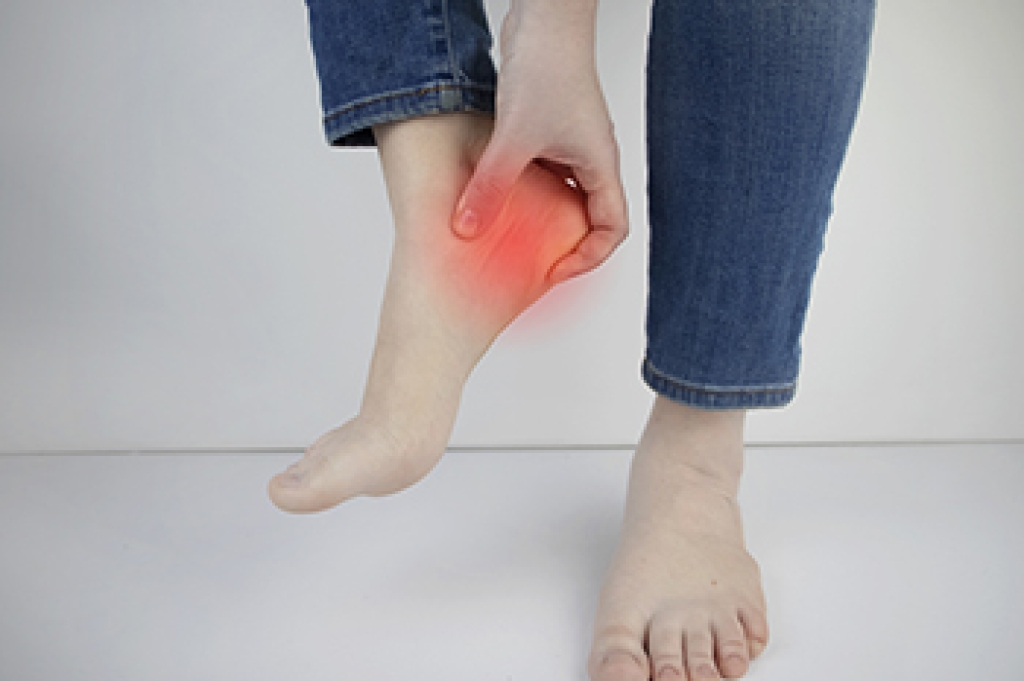
Plantar fasciitis is a painful heel condition that affects the plantar fascia (which is the fibrous band of tissue connecting the bottom of the foot to the heel bone and metatarsals at the ball of the foot). The plantar fascia helps maintain the arch of the foot, foot stability, and movement. Repeated stretching and contracting can result in micro-tears and/or inflammation of the plantar fascia. If the plantar fascia ruptures, the arch of the foot collapses and the foot flattens. People who suffer from plantar fasciitis often feel heel pain when getting out of bed or after prolonged sitting because the plantar fascia goes from a relaxed shortened state to a weighted, forced stretch. Those at greater risk for plantar fasciitis are those with flat feet, excessive foot pronation or feet that roll inward, high arches, weak plantar flexor muscles, those who run, and those who stand or walk for prolonged periods of time without sufficient rest and renewal. Because other types of heel pain may be misdiagnosed as plantar fasciitis, and untreated heel pain can worsen and interfere with daily functioning, if pain persists, a visit to a podiatrist is the best course of action for proper diagnosis and treatment.

Plantar fasciitis is a common foot condition that is often caused by a strain injury. If you are experiencing heel pain or symptoms of plantar fasciitis, contact Dr. Kennedy Legel from Advanced Foot & Ankle Care Specialists. Our doctor can provide the care you need to keep you pain-free and on your feet.

What Is Plantar Fasciitis?

Plantar fasciitis is one of the most common causes of heel pain. The plantar fascia is a ligament that connects your heel to the front of your foot. When this ligament becomes inflamed, plantar fasciitis is the result. If you have plantar fasciitis you will have a stabbing pain that usually occurs with your first steps in the morning. As the day progresses and you walk around more, this pain will start to disappear, but it will return after long periods of standing or sitting.

What Causes Plantar Fasciitis?

  • Excessive running
  • Having high arches in your feet
  • Other foot issues such as flat feet
  • Pregnancy (due to the sudden weight gain)
  • Being on your feet very often

There are some risk factors that may make you more likely to develop plantar fasciitis compared to others. The condition most commonly affects adults between the ages of 40 and 60. It also tends to affect people who are obese because the extra pounds result in extra stress being placed on the plantar fascia.

Prevention

  • Take good care of your feet – Wear shoes that have good arch support and heel cushioning.
  • Maintain a healthy weight
  • If you are a runner, alternate running with other sports that won’t cause heel pain

There are a variety of treatment options available for plantar fasciitis along with the pain that accompanies it. Additionally, physical therapy is a very important component in the treatment process. It is important that you meet with your podiatrist to determine which treatment option is best for you.

If you have any questions, please feel free to contact our office located in Dallas, TX . We offer the newest diagnostic and treatment technologies for all your foot care needs.


Read more about Plantar Fasciitis
scroll to top