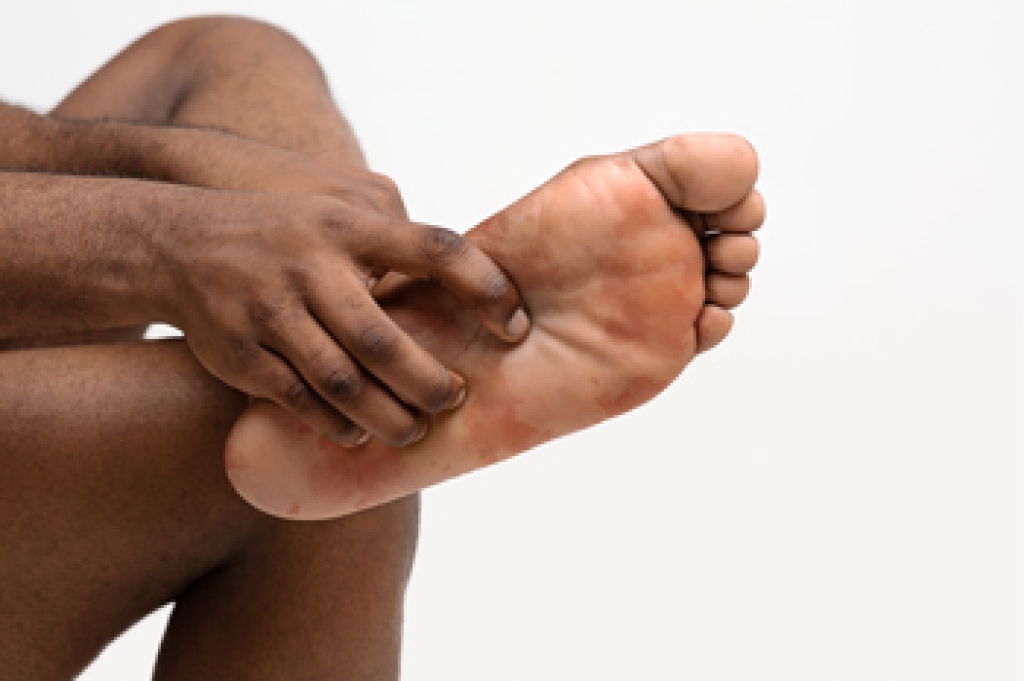
Recognizing Symptoms of Plantar Fibroma

Plantar fibroma, a benign tissue growth that develops on the bottom of the foot, can cause discomfort and affect mobility. Recognizing the symptoms of plantar fibroma is essential for early diagnosis and effective management. One common symptom is the presence of a firm, palpable nodule or lump in the arch or midfoot region. This nodule may vary in size and can be tender to the touch, causing pain or discomfort, especially when standing or walking. Some individuals may also experience a sensation of pressure or tightness in the affected area, particularly when wearing tight or constrictive footwear. As the plantar fibroma progresses, it may lead to changes in foot structure and function, such as difficulty bearing weight on the affected foot or altered gait patterns. If left untreated, plantar fibromas can worsen over time, potentially causing chronic pain and interfering with daily activities. If you have noticed a lump on the sole of your foot, it is suggested that you visit a podiatrist who can properly treat this condition.

A plantar fibroma may disrupt your daily activities. If you have any concerns, contact Dr. Kennedy Legel of Advanced Foot & Ankle Care Specialists. Our doctor can provide the care you need to keep you pain-free and on your feet.

Plantar Fibroma

A plantar fibroma is a fibrous knot in the arch of the foot. It is embedded in the plantar fascia which is a band of tissue that extends from the heel to the toes along the bottom of the foot. There can be multiple plantar fibromas in the feet at the same time. There are no known causes for this condition. If you have a plantar fibroma, there will be a bump in the arch of your foot that cannot be missed. Any associated pain is most often due to a shoe rubbing against the nodule. Non-surgical options, such as steroid injections, physical therapy, and orthotics should be tried first. Surgery is a last resort and is the only thing that will remove a plantar fibroma entirely. Consult with a podiatrist for a proper diagnosis and to determine the treatment regimen that is right for you.

What Causes a Plantar Fibroma?

While there are no specific causes identified, a plantar fibroma can possibly come from genetic predisposition or the formation of scar tissue that forms from healing the tears in the plantar fascia.

What Are the Symptoms of a Plantar Fibroma?

There will be a noticeable lump in the arch of the foot that may or may not cause pain. If pain is felt, it is typically because a shoe is rubbing up against the lump or when walking or standing barefoot.

Treatment and Prevention

A plantar fibroma will not disappear without treatment, but it can get smaller and be a non-issue. If pain persists, a podiatrist examines the foot and when the arch of the foot is pressed, pain can be felt down to the toes. An MRI or biopsy might be performed to help diagnose or evaluate the plantar fibroma. The following non-surgical options are generally enough to reduce the size and pain of these nodules:

  • Steroid injections
  • Orthotics
  • Physical therapy to help apply anti-inflammatory creams on the bump 

Surgery is considered if the mass increases in size and the patient continues to feel pain after non-surgical methods are tried.

If you have any questions, please feel free to contact our office located in Dallas, TX . We offer the newest diagnostic and treatment technologies for all your foot care needs.

Read more about Plantar Fibroma

Important Facts to Know about Diabetic Feet

Diabetic feet represent a significant concern for individuals living with diabetes, as the condition can lead to various complications affecting foot health. One critical fact about diabetic feet is the increased risk of nerve damage, known as peripheral neuropathy, which can result in reduced sensation and difficulty detecting injuries or ulcers. Additionally, diabetes can impair blood circulation, leading to poor wound healing and an increased susceptibility to infections. Individuals with diabetes are also prone to developing foot ulcers, which, if left untreated, can escalate into serious complications such as gangrene and amputation. Proper foot care and regular inspections are essential for individuals with diabetes to prevent complications. This includes keeping the feet clean and moisturized, wearing comfortable and well-fitting shoes, inspecting the feet daily for cuts or sores, and seeking prompt medical attention for any signs of infection or injury. If you have diabetes, it is strongly suggested that you are under the care of a podiatrist who can help you manage this serious condition.

Diabetic foot care is important in preventing foot ailments such as ulcers. If you are suffering from diabetes or have any other concerns about your feet, contact Dr. Kennedy Legel from Advanced Foot & Ankle Care Specialists. Our doctor can provide the care you need to keep you pain-free and on your feet.

Diabetic Foot Care

Diabetes affects millions of people every year. The condition can damage blood vessels in many parts of the body, especially the feet. Because of this, taking care of your feet is essential if you have diabetes, and having a podiatrist help monitor your foot health is highly recommended.

The Importance of Caring for Your Feet

  • Routinely inspect your feet for bruises or sores.
  • Wear socks that fit your feet comfortably.
  • Wear comfortable shoes that provide adequate support.

Patients with diabetes should have their doctor monitor their blood levels, as blood sugar levels play such a huge role in diabetic care. Monitoring these levels on a regular basis is highly advised.

It is always best to inform your healthcare professional of any concerns you may have regarding your feet, especially for diabetic patients. Early treatment and routine foot examinations are keys to maintaining proper health, especially because severe complications can arise if proper treatment is not applied.

If you have any questions, please feel free to contact our office located in Dallas, TX . We offer the newest diagnostic and treatment technologies for all your foot care needs.

Read more about Diabetic Foot Care

What Are Causes of Hammertoe?

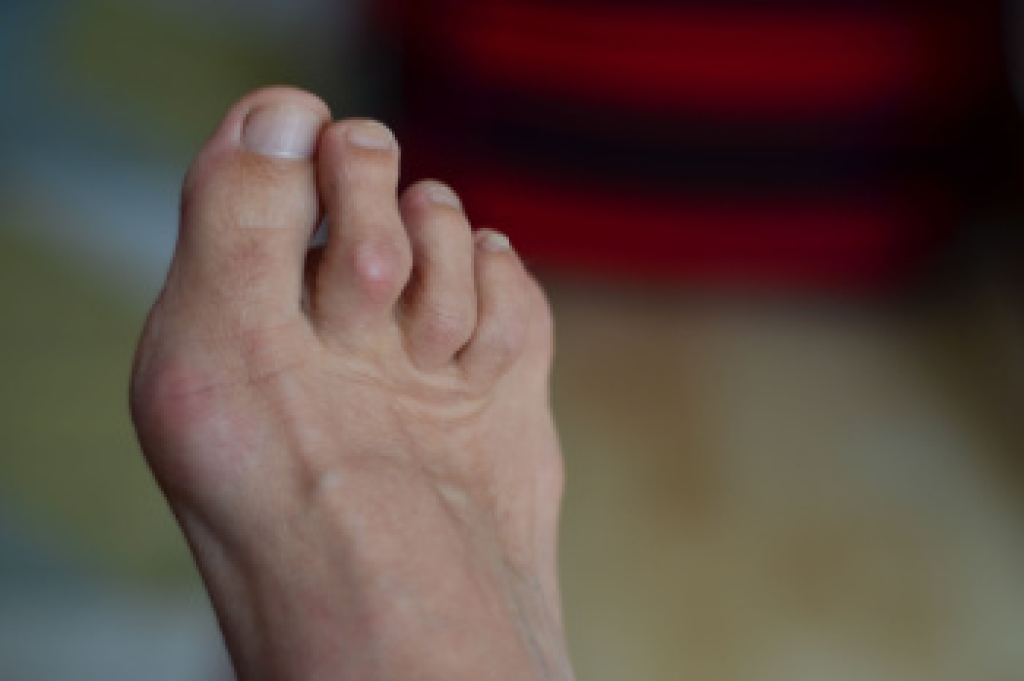
Hammertoe, a common foot deformity, can be attributed to various underlying factors, including rheumatoid arthritis, bunions, and corns. Rheumatoid arthritis, an autoimmune condition characterized by inflammation in the joints, can lead to the weakening of the muscles and ligaments in the toes, causing them to contract and deform over time. Similarly, bunions, bony protrusions that form at the base of the big toe, can exert pressure on adjacent toes, causing them to bend abnormally. Additionally, corns, thickened areas of skin caused by friction or pressure, can also contribute to hammertoe by forcing the toes into a bent position. Over time, these factors can result in the development of hammertoe, characterized by a permanent bend in one or more toes. Understanding the relationship between rheumatoid arthritis, bunions, corns, and hammertoe is important for implementing preventive measures and seeking appropriate treatment to alleviate symptoms and prevent further deformity. If you have developed this foot condition, it is suggested that you consult a podiatrist who can treat hammertoe.

Hammertoes can be a painful condition to live with. For more information, contact Dr. Kennedy Legel of Advanced Foot & Ankle Care Specialists. Our doctor will answer any of your foot- and ankle-related questions.

Hammertoe

Hammertoe is a foot deformity that occurs due to an imbalance in the muscles, tendons, or ligaments that normally hold the toe straight. It can be caused by the type of shoes you wear, your foot structure, trauma, and certain disease processes.

Symptoms

  • Painful and/or difficult toe movement
  • Swelling
  • Joint stiffness
  • Calluses/Corns
  • Physical deformity

Risk Factors

  • Age – The risk of hammertoe increases with age
  • Sex – Women are more likely to have hammertoe compared to men
  • Toe Length – You are more likely to develop hammertoe if your second toe is longer than your big toe
  • Certain Diseases – Arthritis and diabetes may make you more likely to develop hammertoe

Treatment

If you have hammertoe, you should change into a more comfortable shoe that provides enough room for your toes. Exercises such as picking up marbles may strengthen and stretch your toe muscles. Nevertheless, it is important to seek assistance from a podiatrist in order to determine the severity of your hammertoe and see which treatment option will work best for you.

If you have any questions, please feel free to contact our office located in Dallas, TX . We offer the newest diagnostic and treatment technologies for all your foot care needs.
Read more about What Are Hammertoes?

Do Your Child's Feet Hurt?

Have your child's feet been examined lately? Healthy feet are happy feet. If your child is complaining of foot pain, it may be a sign of underlying problems.

Symptoms of Rheumatoid Arthritis in Feet

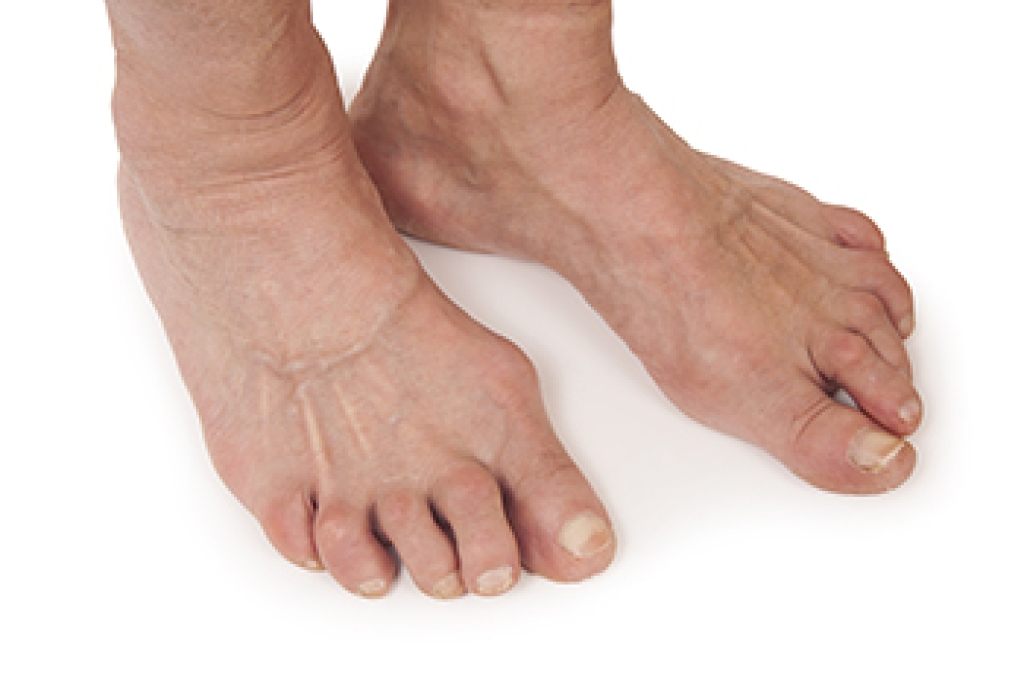
Rheumatoid arthritis, abbreviated RA, is a chronic autoimmune disorder that primarily targets the joints, often causing inflammation, pain, and stiffness. When it comes to the feet, RA can manifest in various ways, affecting both the joints and surrounding tissues. A common symptom is morning stiffness, where the feet feel tender and stiff upon waking or after periods of inactivity. Swelling, redness, and warmth around the joints, particularly in the toes and ankles, are common indicators of inflammation associated with RA. As the disease progresses, deformities such as bunions or hammertoes may develop, altering the alignment and structure of the feet. Additionally, RA can lead to persistent pain and discomfort during movement, impacting mobility and overall function. If you are experiencing symptoms of RA in your feet, it is suggested that you are under the care of a podiatrist who can help you manage this condition.

Because RA affects more than just your joints, including the joints in your feet and ankles, it is important to seek early diagnosis from your podiatrist if you feel like the pain in your feet might be caused by RA. For more information, contact Dr. Kennedy Legel of Advanced Foot & Ankle Care Specialists. Our doctor will assist you with all of your podiatric concerns.

What Is Rheumatoid Arthritis?

Rheumatoid Arthritis (RA) is an autoimmune disorder in which the body’s own immune system attacks the membranes surrounding the joints. Inflammation of the lining and eventually the destruction of the joint’s cartilage and bone occur, causing severe pain and immobility.

Rheumatoid Arthritis of the Feet

Although RA usually attacks multiple bones and joints throughout the entire body, almost 90 percent of cases result in pain in the foot or ankle area.

Symptoms

  • Swelling and pain in the feet
  • Stiffness in the feet
  • Pain on the ball or sole of feet
  • Joint shift and deformation

Diagnosis

Quick diagnosis of RA in the feet is important so that the podiatrist can treat the area effectively. Your doctor will ask you about your medical history, occupation, and lifestyle to determine the origin of the condition. Rheumatoid Factor tests help to determine if someone is affected by the disease.

If you have any questions, please feel free to contact our office located in Dallas, TX . We offer the newest diagnostic and treatment technologies for all your foot care needs.

Read more about Rheumatoid Arthritis in the Feet
scroll to top