
When the Edge of a Toenail Becomes the Enemy

Sometimes it is the smallest edge of a toenail that causes the most discomfort. An ingrown toenail occurs when the nail’s side grows into the surrounding skin, often from wearing tight shoes, improper trimming, or genetic shape. But beyond pain, swelling, and redness, this condition can lead to deeper problems. When bacteria enter the broken skin, infection may follow, especially in people with diabetes or weakened immunity. Over time, what began as a minor nuisance can become a recurring issue, interfering with daily life and walking. Home remedies may offer short-term relief, but professional care addresses the underlying cause and helps prevent it from returning. If the area is swollen, draining, or painful to the touch, it is time to stop waiting. If you have an ingrown toenail that is worsening or not healing, it is suggested that you see a podiatrist for a diagnosis and appropriate treatment.

Ingrown toenails can become painful if they are not treated properly. For more information about ingrown toenails, contact Dr. Kennedy Legel of Advanced Foot & Ankle Care Specialists. Our doctor can provide the care you need to keep you pain-free and on your feet.

Ingrown Toenails

Ingrown toenails occur when a toenail grows sideways into the bed of the nail, causing pain, swelling, and possibly infection.

Causes

  • Bacterial infections
  • Improper nail cutting such as cutting it too short or not straight across
  • Trauma to the toe, such as stubbing, which causes the nail to grow back irregularly
  • Ill-fitting shoes that bunch the toes too close together
  • Genetic predisposition

Prevention

Wearing proper fitting shoes and using proper cutting techniques will also help decrease your risk of developing ingrown toenails.

Treatment

Ingrown toenails are a very treatable foot condition. In minor cases, soaking the affected area in salt or antibacterial soaps will not only help with the ingrown nail itself, but also help prevent any infections from occurring. In more severe cases, surgery is an option. In either case, speaking to your podiatrist about this condition will help you get a better understanding of specific treatment options that are right for you.

If you have any questions, please feel free to contact our office located in Dallas, TX . We offer the newest diagnostic and treatment technologies for all your foot care needs.
Read more about Ingrown Toenail Care

Facts About Bunionettes

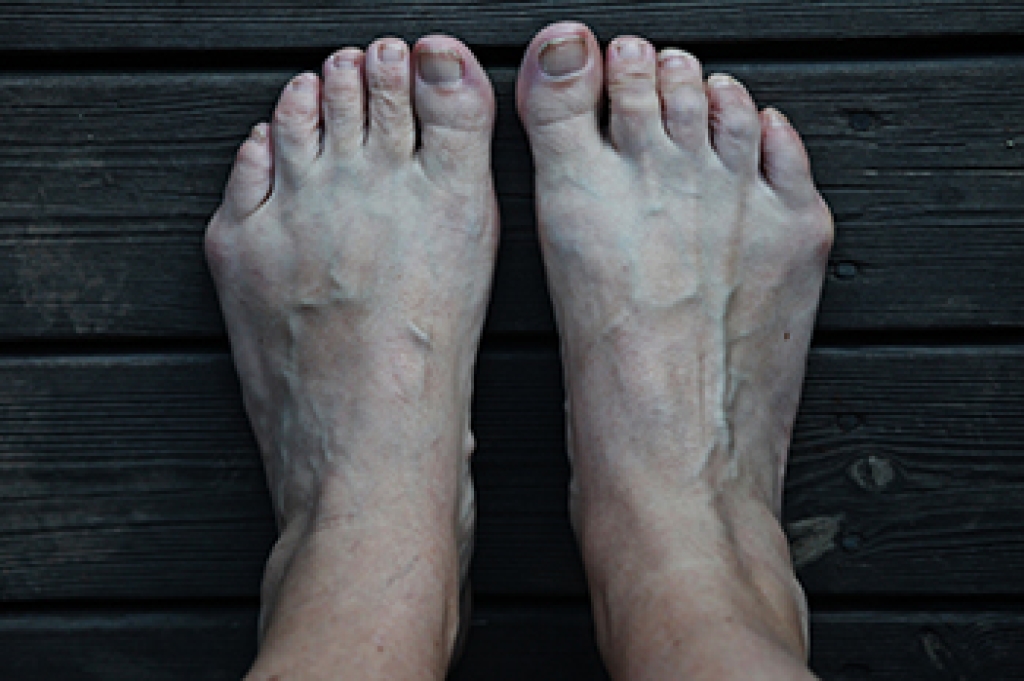
A bunionette, also known as a tailor’s bunion, is a bony bump that forms on the outside of the foot, near the little toe. It can cause pain, swelling, and difficulty wearing certain shoes, often leading to irritation or redness. Symptoms include a noticeable bump, discomfort when walking, and soreness when pressure is applied. Bunionettes result from wearing tight or ill-fitting shoes, genetic factors, or abnormal foot mechanics. Over time, these factors can lead to the misalignment of the fifth metatarsal bone. Treatment options range from conservative measures, like wearing wider shoes and using padding, to more advanced interventions, including surgery. A podiatrist can diagnose the condition and recommend the best treatment plan, whether it includes non-invasive methods or surgical correction. If you are experiencing pain or discomfort from a bunionette, it is suggested that you schedule an appointment with a podiatrist to explore your treatment options and find relief.

If you are suffering from bunions, contact Dr. Kennedy Legel of Advanced Foot & Ankle Care Specialists. Our doctor can provide the care you need to keep you pain-free and on your feet.

What Is a Bunion?

A bunion is formed of swollen tissue or an enlargement of boney growth, usually located at the base joint of the toe that connects to the foot. The swelling occurs due to the bones in the big toe shifting inward, which impacts the other toes of the foot. This causes the area around the base of the big toe to become inflamed and painful.

Why Do Bunions Form?

Genetics – Susceptibility to bunions are often hereditary

Stress on the feet – Poorly fitted and uncomfortable footwear that places stress on feet, such as heels, can worsen existing bunions

How Are Bunions Diagnosed?

Podiatrists often perform two tests – blood tests and x-rays – when trying to diagnose bunions, especially in the early stages of development. Blood tests help determine if the foot pain is being caused by something else, such as arthritis, while x-rays provide a clear picture of your bone structure to your provider.

How Are Bunions Treated?

  • Refrain from wearing heels or similar shoes that cause discomfort
  • Select wider shoes that can provide more comfort and reduce pain
  • Anti-inflammatory and pain management drugs
  • Orthotics or foot inserts
  • Surgery

If you have any questions, please feel free to contact our office located in Dallas, TX . We offer the newest diagnostic and treatment technologies for all your foot care needs.
Read more about Bunions

Choosing the Right Support for Toe Walking in Children

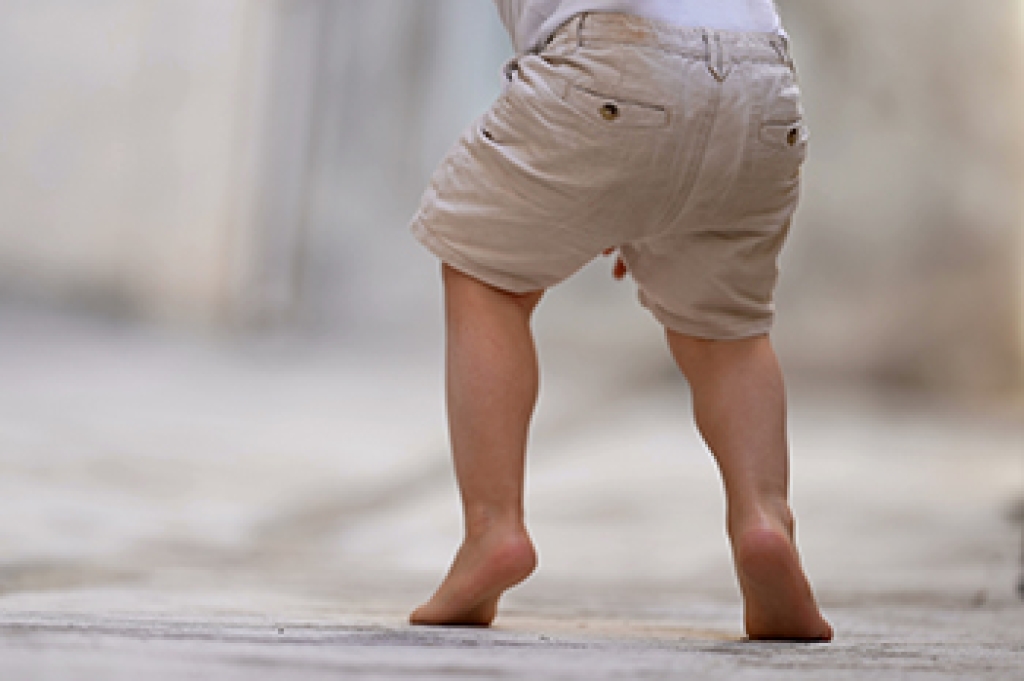
When a child walks on their toes without a medical cause, known as idiopathic toe walking, finding the right solution can be challenging. Two common devices used to address this issue are ankle-foot orthoses, or AFOs, and foot orthoses, FOs. AFOs tend to be more effective in altering walking patterns during treatment. However, some children return to toe walking once the device is removed. FOs offer a more comfortable and less restrictive option, making them more appealing to children and parents. Although FOs may not correct the walking pattern as strongly during use, children often maintain similar improvements when not wearing them. The balance between effectiveness and comfort is key when choosing a treatment. A podiatrist can help determine which option is most suitable for your child’s specific needs and lifestyle. If your child is toe walking, it is suggested that you see a podiatrist for a proper diagnosis and treatment.

If you are having discomfort in your feet and would like to try orthotics, contact Dr. Kennedy Legel from Advanced Foot & Ankle Care Specialists. Our doctor can provide the care you need to keep you pain-free and on your feet.

What Are Orthotics?

Orthotics are inserts you can place into your shoes to help with a variety of foot problems such as flat feet or foot pain. Orthotics provide relief and comfort for minor foot and heel pain but can’t correct serious biomechanical problems in your feet.

Over-the-Counter Inserts

Orthotics come in a wide variety of over-the-counter inserts that are used to treat foot pain, heel pain, and minor problems. For example, arch supports can be inserted into your shoes to help correct overarched or flat feet, while gel insoles are often used because they provide comfort and relief from foot and heel pain by alleviating pressure.

Prescription Orthotics

If over-the-counter inserts don’t work for you or if you have a more severe foot concern, it is possible to have your podiatrist prescribe custom orthotics. These high-quality inserts are designed to treat problems such as abnormal motion, plantar fasciitis, and severe forms of heel pain. They can even be used to help patients suffering from diabetes by treating foot ulcers and painful calluses and are usually molded to your feet individually, which allows them to provide full support and comfort.

If you are experiencing minor to severe foot or heel pain, it’s recommended to speak with your podiatrist about the possibilities of using orthotics. A podiatrist can determine which type of orthotic is right for you and allow you to take the first steps towards being pain-free.

If you have any questions, please feel free to contact our office located in Dallas, TX . We offer the newest diagnostic and treatment technologies for all your foot care needs.

Read more about Ankle Foot Orthotics for Athletes

Climbing the Reconstructive Ladder for Foot Wounds

Foot wounds can be complex, especially when they do not heal as expected. That is where the concept of the reconstructive ladder comes in. It is a step-by-step approach podiatrists use to manage wounds, starting with the simplest solutions and advancing to more complex techniques, if needed. The goal is to restore both function and appearance. Treatment might begin with basic wound care like dressings and pressure relief. If healing stalls, techniques like skin grafts or flap surgery may be considered. Each rung on the ladder represents a thoughtful decision to ensure the wound heals properly while preserving mobility. Whether the wound is from diabetes, injury, or another condition, early intervention makes a big difference. If you have a foot wound that is not improving, it is suggested that you see a podiatrist for a proper diagnosis and treatment.

Wound care is an important part in dealing with diabetes. If you have diabetes and a foot wound or would like more information about wound care for diabetics, consult with Dr. Kennedy Legel from Advanced Foot & Ankle Care Specialists. Our doctor will assess your condition and provide you with quality foot and ankle treatment.

What Is Wound Care?

Wound care is the practice of taking proper care of a wound. This can range from the smallest to the largest of wounds. While everyone can benefit from proper wound care, it is much more important for diabetics. Diabetics often suffer from poor blood circulation which causes wounds to heal much slower than they would in a non-diabetic. 

What Is the Importance of Wound Care?

While it may not seem apparent with small ulcers on the foot, for diabetics, any size ulcer can become infected. Diabetics often also suffer from neuropathy, or nerve loss. This means they might not even feel when they have an ulcer on their foot. If the wound becomes severely infected, amputation may be necessary. Therefore, it is of the upmost importance to properly care for any and all foot wounds.

How to Care for Wounds

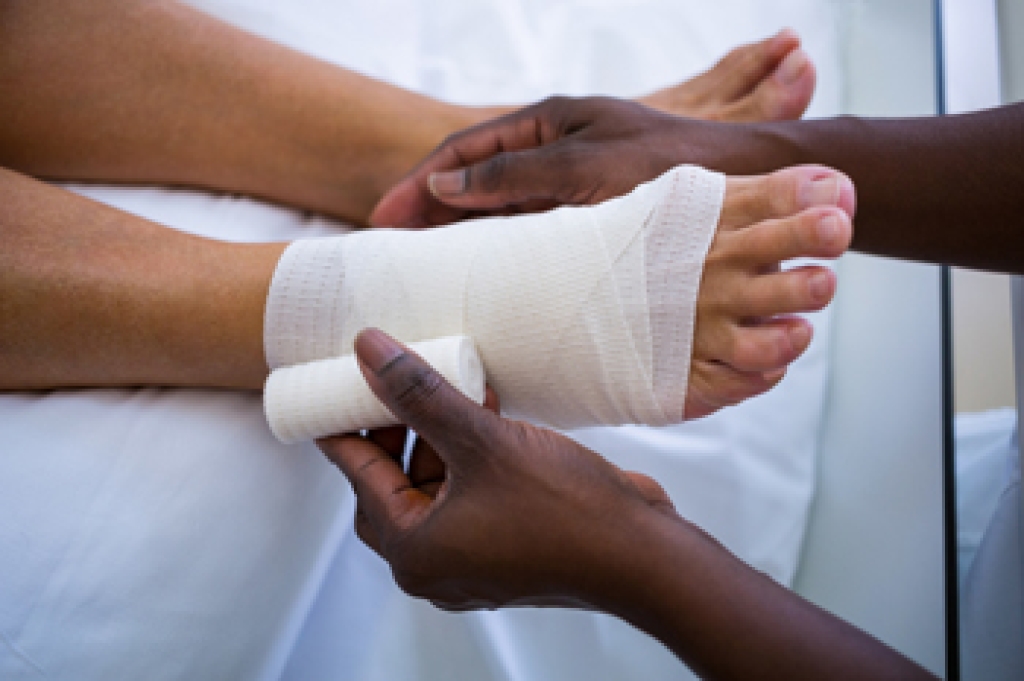
The best way to care for foot wounds is to prevent them. For diabetics, this means daily inspections of the feet for any signs of abnormalities or ulcers. It is also recommended to see a podiatrist several times a year for a foot inspection. If you do have an ulcer, run the wound under water to clear dirt from the wound; then apply antibiotic ointment to the wound and cover with a bandage. Bandages should be changed daily and keeping pressure off the wound is smart. It is advised to see a podiatrist, who can keep an eye on it.

If you have any questions please contact our office located in Dallas, TX . We offer the newest diagnostic and treatment technologies for all your foot and ankle needs.

Read more about Wound Care

Do Your Child's Feet Hurt?

Have your child's feet been examined lately? Healthy feet are happy feet. If your child is complaining of foot pain, it may be a sign of underlying problems.

scroll to top