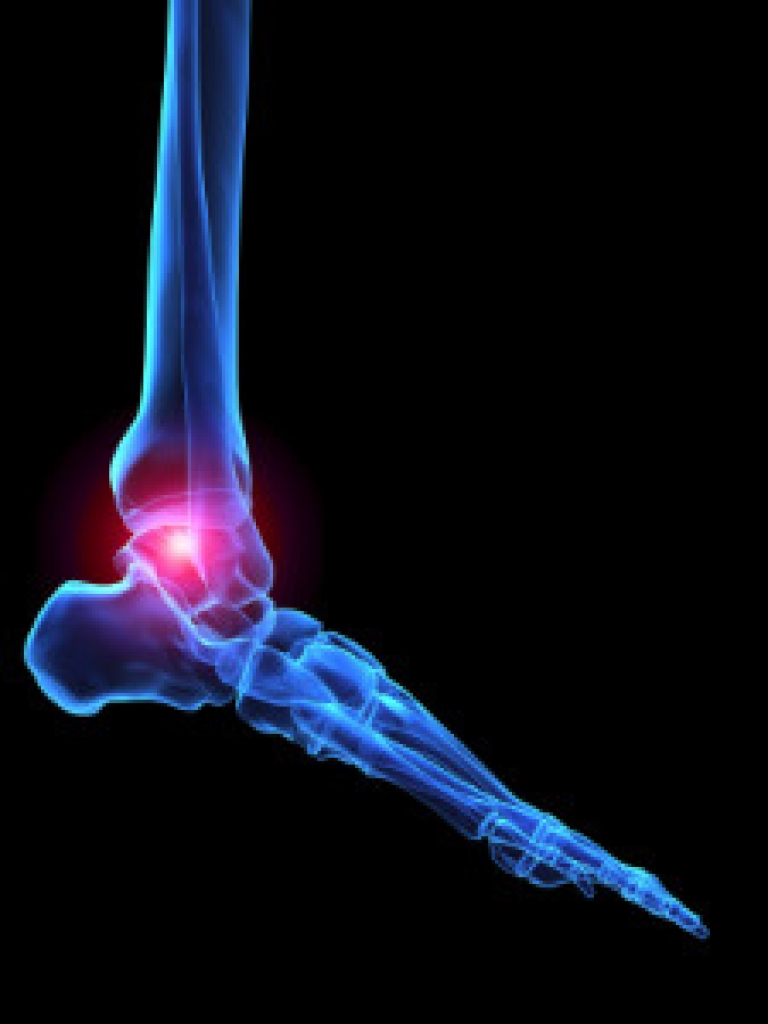
Types of Arthritis That Can Affect the Feet

The medical condition that is known as arthritis often causes pain and swelling in the joints of the toes. The toes may have difficulty in bending upwards or may permanently become bent in a downward position. Walking may be challenging, in addition to standing flat on the floor. The most common form of arthritis is referred to as rheumatoid arthritis. This ailment can affect several joints in the toes simultaneously and can be quite painful. Additional types of arthritis include gout, which develops as a result of excess uric acid in the bloodstream. Medical conditions such as psoriasis can cause psoriatic arthritis, and joint pain can occur after the skin is affected. If you are experiencing arthritis in the feet, it is advised that you consult with a podiatrist who can guide you toward proper treatment.

Arthritis can be a difficult condition to live with. If you are seeking treatment, contact Dr. Kennedy Legel from Advanced Foot & Ankle Care Specialists. Our doctor can provide the care you need to keep you pain-free and on your feet.

Arthritic Foot Care  

Arthritis is a joint disorder that involves the inflammation of different joints in your body, such as those in your feet. Arthritis is often caused by a degenerative joint disease and causes mild to severe pain in all affected areas. In addition to this, swelling and stiffness in the affected joints can also be a common symptom of arthritis.

In many cases, wearing ill-fitting shoes can worsen the effects and pain of arthritis. Wearing shoes that have a lower heel and extra room can help your feet feel more comfortable. In cases of rheumatoid arthritis, the arch in your foot may become problematic. Buying shoes with proper arch support that contour to your feet can help immensely.

Alleviating Arthritic Pain

  • Exercises that stretch the foot can prevent further pain and injury and increase mobility
  • Most of the pain can be alleviated with anti-inflammatory drugs, heat, and topical medications
  • Massages can help temporarily alleviate pain.

It is best to see your doctor for the treatment that is right for your needs and symptoms. Conditions vary, and a podiatrist can help you determine the right method of care for your feet.

If you have any questions please feel free to contact our office located in Dallas, TX . We offer the newest diagnostic tools and technology to treat your foot and ankle needs.


Read more about Arthritic Foot Care

How Do Running Injuries Occur?

Many runners know the importance of preventing running injuries. This is helpful in avoiding injuries that are caused by over training, wearing improper shoes, or running excess miles in limited time. Research has indicated it is beneficial to have your feet properly measured to determine correct size shoe. Additionally, shoes can lose cushioning as they are worn, and it is helpful to replace running shoes approximately every 500 miles. Performing routine stretches can loosen the muscles, tendons, and ligaments of the foot, and this is important in possibly preventing running injuries. If you are considering spending time running or jogging, please consult with a podiatrist who can guide you toward techniques that can prevent running injuries.

All runners should take extra precaution when trying to avoid injury. If you have any concerns about your feet, contact Dr. Kennedy Legel of Advanced Foot & Ankle Care Specialists. Our doctor will treat your foot and ankle needs.

How to Prevent Running Injuries

There are a lot of mistakes a runner can make prior to a workout that can induce injury. A lot of athletes tend to overstretch before running, instead of saving those workouts for a post-run routine. Deep lunges and hand-to-toe hamstring pulls should be performed after a workout instead of during a warmup. Another common mistake is jumping into an intense routine before your body is physically prepared for it. You should try to ease your way into long-distance running instead of forcing yourself to rush into it.

More Tips for Preventing Injury

  • Incorporate Strength Training into Workouts - This will help improve the body’s overall athleticism
  • Improve and Maintain Your Flexibility – Stretching everyday will help improve overall performance
  • “Warm Up” Before Running and “Cool Down” Afterward – A warm up of 5-10 minutes helps get rid of lactic acid in the muscles and prevents delayed muscle soreness
  • Cross-Training is Crucial
  • Wear Proper Running Shoes
  • Have a Formal Gait Analysis – Poor biomechanics can easily cause injury

If you have any questions, please feel free to contact our office located in Dallas, TX . We offer the newest diagnostic and treatment technologies for all your foot care needs.

Read more about Preventing Running Injuries

Swelling and Foot Pain During Pregnancy

Many women experience foot pain during their pregnancy. This is due to a variety of reasons, which often includes additional weight gain, swelling in the latter stages of pregnancy, and hormonal changes. The added weight may shift the center of gravity, and this will typically put more pressure on the feet. Excess swelling can cause shoes to fit incorrectly, and it may be beneficial to change the style of shoes that are generally worn. Research has indicated that uncomfortable swelling can be kept to a minimum when plenty of fresh water is consumed daily. Additionally, it may be helpful to elevate the feet and reduce sodium content in the foods that are eaten. If your foot pain is severe during your pregnancy, it is suggested that you consult with a podiatrist who can offer proper treatment options.

Pregnant women with swollen feet can be treated with a variety of different methods that are readily available. For more information about other cures for swollen feet during pregnancy, consult with Dr. Kennedy Legel from Advanced Foot & Ankle Care Specialists. Our doctor will attend to all of your foot and ankle needs.

What Foot Problems Can Arise During Pregnancy?

One problem that can occur is overpronation, which occurs when the arch of the foot flattens and tends to roll inward.  This can cause pain and discomfort in your heels while you’re walking or even just standing up, trying to support your baby.  

Another problem is edema, or swelling in the extremities. This often affects the feet during pregnancy but tends to occur in the later stages. 

How Can I Keep My Feet Healthy During Pregnancy?

  • Wearing orthotics can provide extra support for the feet and help distribute weight evenly
  • Minimize the amount of time spent walking barefoot
  • Wear shoes with good arch support
  • Wear shoes that allow for good circulation to the feet
  • Elevate feet if you experience swelling
  • Massage your feet
  • Get regular, light exercise, such as walking, to promote blood circulation to the feet

If you have any questions, please feel free to contact our office located in Dallas, TX . We offer the newest diagnostic and treatment technologies for all your foot care needs.

Read more about Pregnancy and Foot Health

Aftercare for Hammertoe Surgery

Many patients elect to have surgery done to permanently correct hammertoe. After surgery is performed, it is recommended to wear certain shoes that are designed to keep the toe in the correct position for several weeks. These types of shoes also provide adequate protection for the affected toe. Research has indicated that it is beneficial to walk for limited amounts of time throughout the day. This is helpful in increasing blood flow in the body, which aids in faster healing. Additionally, swelling may be diminished when the foot is elevated. If you have hammertoe, and are considering treatment options that include surgery, it is strongly suggested that you speak with a podiatrist who can properly guide you.

Foot surgery is sometimes necessary to treat a foot ailment. To learn more, contact Dr. Kennedy Legel of Advanced Foot & Ankle Care Specialists. Our doctor will assist you with all of your foot and ankle needs.

When Is Surgery Necessary?

Foot and ankle surgery is generally reserved for cases in which less invasive, conservative procedures have failed to alleviate the problem. Some of the cases in which surgery may be necessary include:

  • Removing foot deformities like bunions and bone spurs
  • Severe arthritis that has caused bone issues
  • Cosmetic reconstruction

What Types of Surgery Are There?

The type of surgery you receive will depend on the nature of the problem you have. Some of the possible surgeries include:

  • Bunionectomy for painful bunions
  • Surgical fusion for realignment of bones
  • Neuropathy decompression surgery to treat nerve damage

Benefits of Surgery

Although surgery is usually a last resort, it can provide more complete pain relief compared to non-surgical methods and may allow you to finally resume full activity.

Surgical techniques have also become increasingly sophisticated. Techniques like endoscopic surgery allow for smaller incisions and faster recovery times.

If you have any questions, please feel free to contact our office located in Dallas, TX . We offer the newest diagnostic and treatment technologies for all your foot care needs.

Read more about Foot Surgery

Are You Suffering From Ingrown Toenails?

If left untreated, an ingrown toenail can lead to more serious concerns, such as an infection. Knowing proper nail care can help in the prevention of an ingrown toenail. Give us a call, and get treated!

scroll to top