
If left untreated, an ingrown toenail can lead to more serious concerns, such as an infection. Knowing proper nail care can help in the prevention of an ingrown toenail. Give us a call, and get treated!
If left untreated, an ingrown toenail can lead to more serious concerns, such as an infection. Knowing proper nail care can help in the prevention of an ingrown toenail. Give us a call, and get treated!
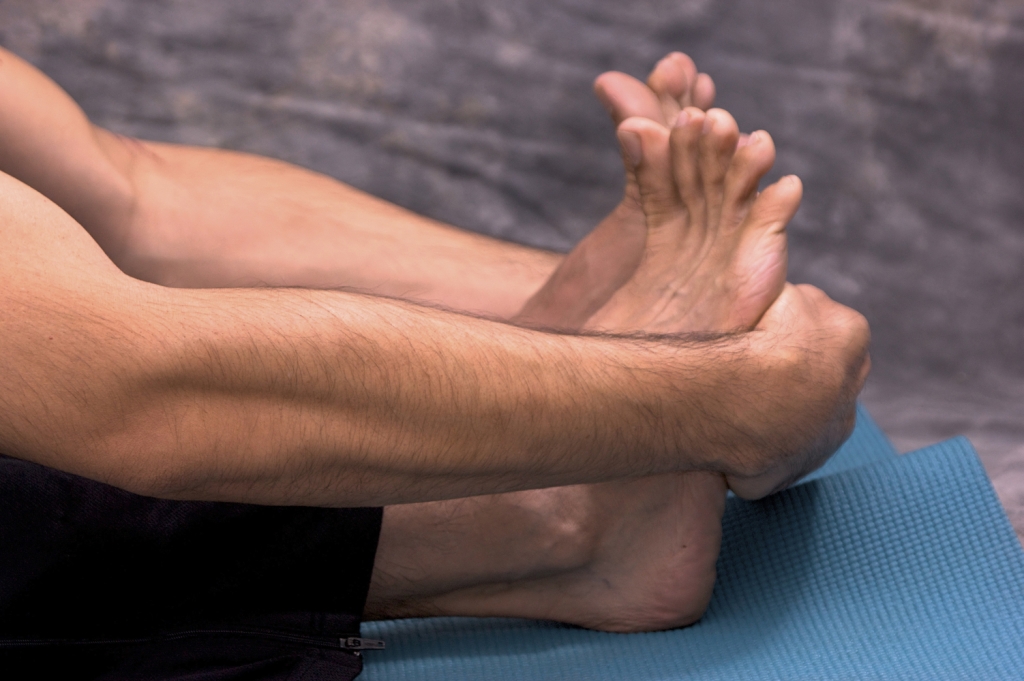 When healing from a sprained ankle, it’s important that you slowly and carefully build the muscles around the affected area. If you’re recovering from a mild sprain, you should be able to start practicing low impact exercises within a few days of having rested your foot. If you’re somebody who likes to regularly stay active, it’s important that you adapt your exercise routine around your sprained ankle, that way you can prevent injuring it further. The exercises you perform to help heal your ankle should focus on benefiting your range of motion, balance, strength, and flexibility. One simple exercise that can be performed to help your range of motion is referred to as ankle circles. This exercise is done by sitting in a chair with your ankle resting on the opposite knee. Slowly begin to rotate your ankle in a clockwise motion, then counterclockwise. Switch ankles and repeat this motion. Another stretch known as band pushes can be particularly beneficial for strengthening your ankle joints. To perform this stretch, sit flat on the floor with your legs straight out and place a resistance band around the ball of your foot. Begin pushing your foot against the band with your toes pointed slightly forward. For more advice on what stretches can help heal a sprained ankle, please consult with a podiatrist.
Why Stretching Is Important for Your Feet
Stretching the feet is a great way to prevent injuries. If you have any concerns with your feet consult with Dr. Kennedy Legel from Advanced Foot & Ankle Care Specialists. Our doctor will assess your condition and provide you with quality foot and ankle treatment.
Stretching the Feet
Stretching the muscles in the foot is an important part in any physical activity. Feet that are tight can lead to less flexibility and make you more prone to injury. One of the most common forms of foot pain, plantar fasciitis, can be stretched out to help ease the pain. Stretching can not only ease pain from plantar fasciitis but also prevent it as well. However, it is important to see a podiatrist first to determine if stretching is right for you. Podiatrists can also recommend other ways to stretch your feet. Once you know whether stretching is right for you, here are some excellent stretches you can do.
It is best to go easy when first stretching your foot and work your way up. If your foot starts hurting, stop exercising to ice and rest the foot. It is advised that you then see a podiatrist for help.
If you have any questions please contact our office located in Dallas, TX . We offer the newest diagnostic and treatment technologies for all your foot and ankle needs.
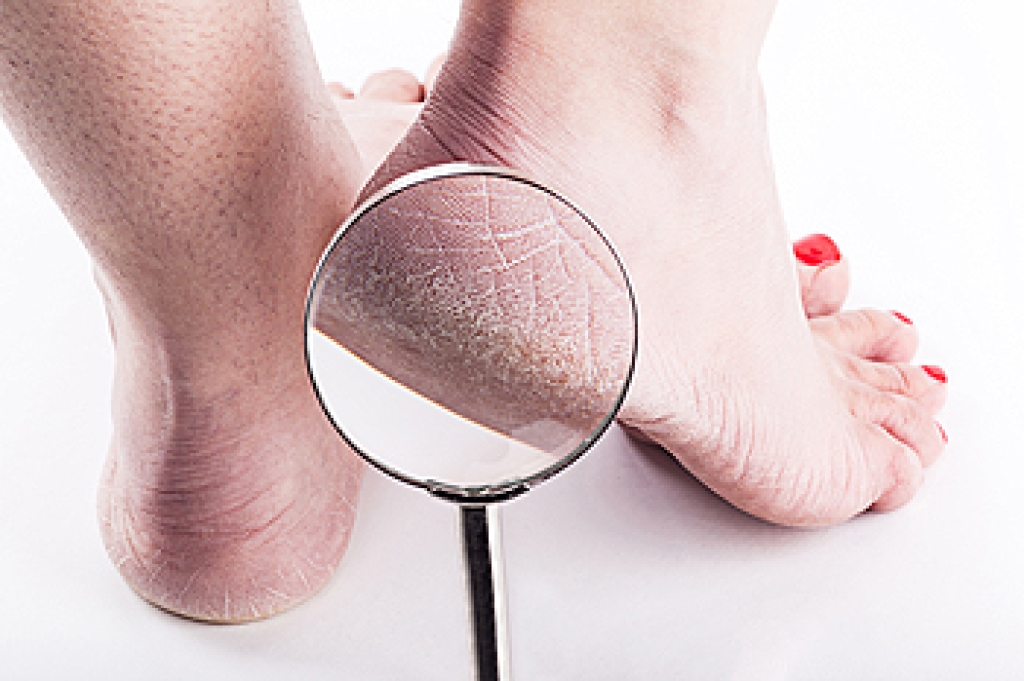 A common foot condition that can cause pain and discomfort is known as cracked heels. Many people may suffer from this ailment, and in severe cases, may experience bleeding. Cracked heels may develop due to wearing shoes that have an open back, or from standing for long periods of time throughout the day. Some people have existing medical conditions that may lead to the formation of cracked heels. These conditions can include thyroid disease, psoriasis, or certain vitamin deficiencies. Additionally, the feet bear the weight of the body, and patients who are overweight may develop cracked heels due to the excess weight. The most noticeable symptoms typically consist of visible cracks in the skin that have become dry. Some patients may also experience a loss of feeling if an infection has begun. If you are afflicted with cracked heels, it is strongly suggested that you speak with a podiatrist as quickly as possible, who can determine what the best treatment techniques are for relief.
Cracked heels are unsightly and can cause further damage to your shoes and feet. If you have any concerns, contact Dr. Kennedy Legel from Advanced Foot & Ankle Care Specialists. Our doctor can provide the care you need to keep you pain-free and on your feet.
Cracked Heels
Cracked heels appear unappealing and can make it harder for you walk around in sandals. Aside from looking unpleasant, cracked heels can also tear stockings, socks, and wear out your shoes. There are several methods to help restore a cracked heel and prevent further damage.
How Do You Get Them?
Dry skin is the number one culprit in creating cracked heels. Many athletes, walkers, joggers, and even swimmers suffer from cracked heels. Age and skin oil production play a role to getting cracked heels as well.
Promote Healing
Over the counter medicines can help, especially for those that need instant relief or who suffer from chronic dry feet.
Wear Socks – Wearing socks with medicated creams helps lock in moisture.
Moisturizers – Applying both day and night will help alleviate dryness which causes cracking.
Pumice Stones – These exfoliate and remove dead skin, which allows for smoother moisturizer application and better absorption into the skin.
Change in Diet
Eating healthy with a well-balanced diet will give the skin a fresh and radiant look. Your body responds to the kinds of food you ingest. Omega-3 fatty acids and zinc supplements can also revitalize skin tissue.
Most importantly, seek professional help if unsure how to proceed in treating cracked heels. A podiatrist will help you with any questions or information needed.
If you have any questions, please feel free to contact our office located in Dallas, TX . We offer the newest diagnostic and treatment technologies for all your foot care needs.
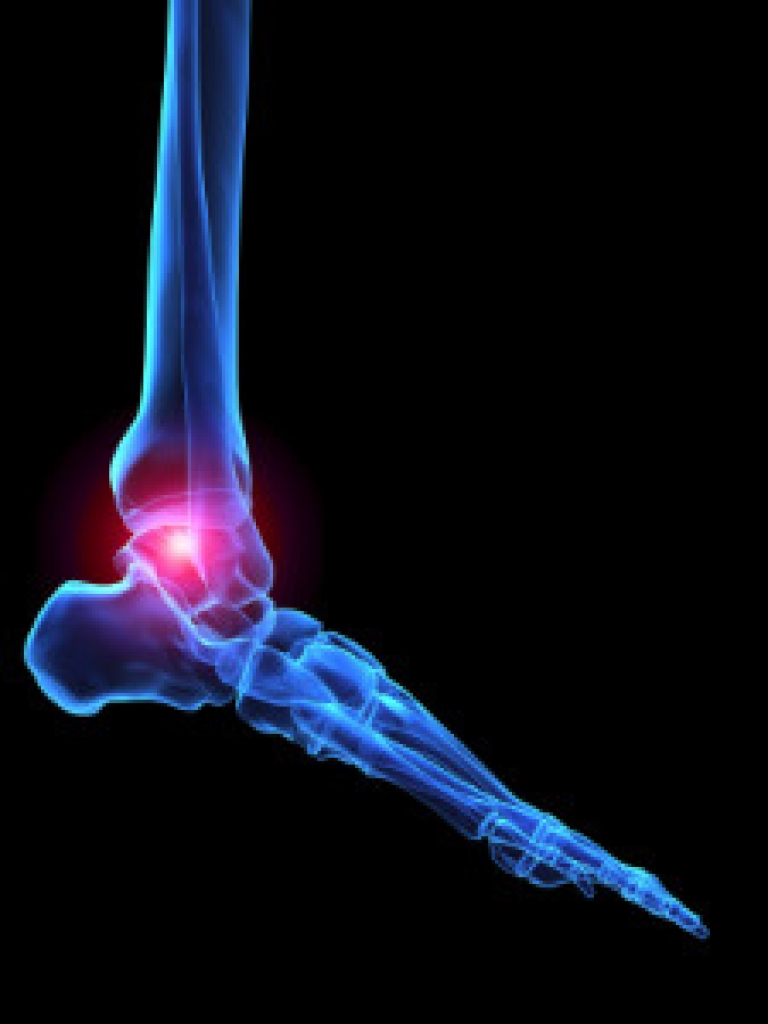 Arthritis is defined as inflammation that occurs in the joints. When this happens in the feet, it can cause difficulty in walking, and this is often a result of severe pain and discomfort. Osteoarthritis can cause the cartilage in the joints to gradually diminish, and walking and standing can be difficult to maintain. Gout is a type of arthritis that can be caused by genetic factors, or from eating foods that can cause elevated uric acid levels in the blood. The pain that often accompanies gout is found in the joints of the big toe, and additional symptoms may include redness and tenderness. Rheumatoid arthritis can cause deformities in various joints in the body, and patients who have this type of arthritis may feel tired for long periods of time. There are effective methods to treat arthritis in the feet, and it is suggested that you consult with a podiatrist who can offer you proper treatment techniques.
Arthritis can be a difficult condition to live with. If you are seeking treatment, contact Dr. Kennedy Legel from Advanced Foot & Ankle Care Specialists. Our doctor can provide the care you need to keep you pain-free and on your feet.
Arthritic Foot Care
Arthritis is a joint disorder that involves the inflammation of different joints in your body, such as those in your feet. Arthritis is often caused by a degenerative joint disease and causes mild to severe pain in all affected areas. In addition to this, swelling and stiffness in the affected joints can also be a common symptom of arthritis.
In many cases, wearing ill-fitting shoes can worsen the effects and pain of arthritis. Wearing shoes that have a lower heel and extra room can help your feet feel more comfortable. In cases of rheumatoid arthritis, the arch in your foot may become problematic. Buying shoes with proper arch support that contour to your feet can help immensely.
Alleviating Arthritic Pain
It is best to see your doctor for the treatment that is right for your needs and symptoms. Conditions vary, and a podiatrist can help you determine the right method of care for your feet.
If you have any questions please feel free to contact our office located in Dallas, TX . We offer the newest diagnostic tools and technology to treat your foot and ankle needs.
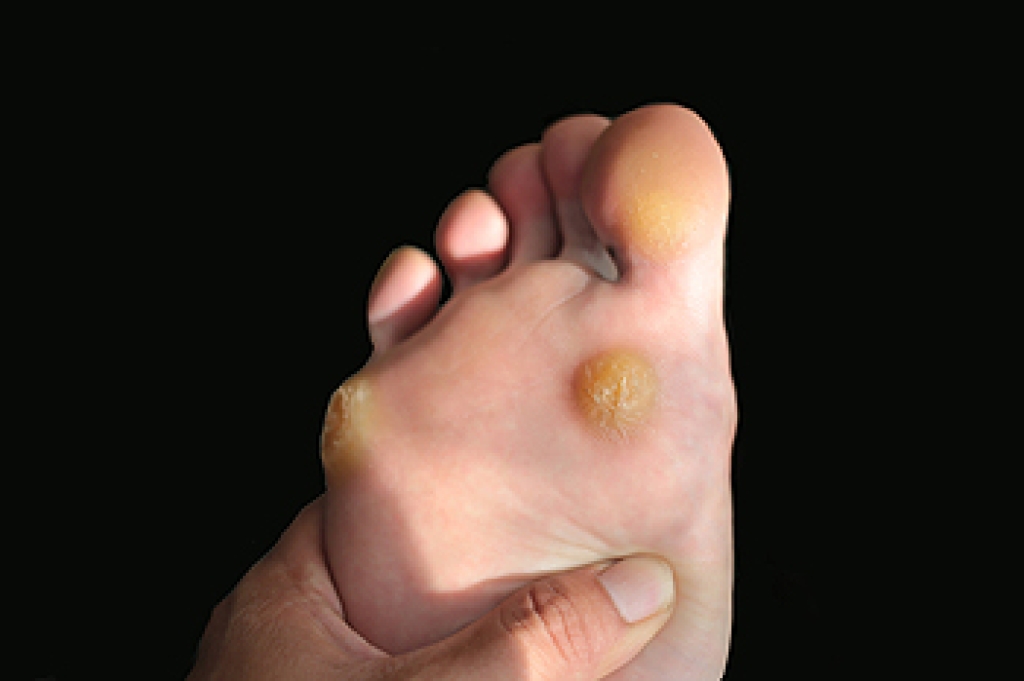 If you notice you have formed a thickened layer of skin either on the bottom of your foot or on your toes, you may have developed a corn. Corns are similar to calluses, but are sore to the touch and can make simple activities, like putting on shoes, very painful. They may develop due to excess friction, typically caused by ill-fitting footwear. If you believe a corn has formed, it’s very important that you safely remove it. You should not use razor blades or knives in an effort to cut the corn off. Instead, soak your feet in a foot bath with warm water to soften the skin. Once soaked, use a pumice stone to file it down and apply lotion. For professional help and to remove your corn safely and properly, it’s suggested to seek the counsel of your local podiatrist.
Corns can make walking very painful and should be treated immediately. If you have questions regarding your feet and ankles, contact Dr. Kennedy Legel of Advanced Foot & Ankle Care Specialists. Our doctor will treat your foot and ankle needs.
Corns: What Are They? And How Do You Get Rid of Them?
Corns are thickened areas on the skin that can become painful. They are caused by excessive pressure and friction on the skin. Corns press into the deeper layers of the skin and are usually round in shape.
Ways to Prevent Corns
There are many ways to get rid of painful corns such as:
Treating Corns
Although most corns slowly disappear when the friction or pressure stops, this isn’t always the case. Consult with your podiatrist to determine the best treatment option for your case of corns.
If you have any questions, please feel free to contact our office located in Dallas, TX . We offer the newest diagnostic and treatment technologies for all your foot care needs.
