
Recognizing Foot or Ankle Pain in Children

Foot and ankle pain in children can happen for many reasons, especially during growth and sports activities. Repeated running, jumping, and minor injuries often place stress on developing bones, joints, and soft tissue. Some children may have heel pain from growth plate irritation. Others may develop pain from flat feet, ankle sprains, or overuse injuries. Younger children may limp or avoid putting weight on the foot, while older children can usually point to the exact area of pain. Swelling, stiffness, or pain that gets worse with activity should not be ignored. A podiatrist can examine how the child walks, check foot structure and joint movement, and order imaging tests to confirm the cause. Treatment includes custom orthotics, bracing, or other care to reduce pain and protect healthy growth. If your child exhibits foot or ankle pain, it is suggested that you schedule an appointment with a podiatrist for expert advice and guidance.

The health of a child’s feet is vital to their overall well-being. If you have any questions regarding foot health, contact Dr. Kennedy Legel of Advanced Foot & Ankle Care Specialists. Our doctor can provide the care you need to keep you pain-free and on your feet.

Tips for Keeping Children's Feet Healthy

  • Make sure their shoes fit properly
  • Look for any signs of in-toeing or out-toeing
  • Check to see if they have Clubfoot (condition that affects your child’s foot and ankle, twisting the heel and toes inward) which is one of the most common nonmajor birth defects.
  • Lightly cover your baby’s feet (Tight covers may keep your baby from moving their feet freely, and could prevent normal development)
  • Allow your toddler to go shoeless (Shoes can be restricting for a young child’s foot)
  • Cut toenails straight across to avoid ingrown toenails
  • Keep your child’s foot clean and dry
  • Cover cuts and scrapes. Wash any scratches with soap and water and cover them with a bandage until they’ve healed.

If you have any questions, please feel free to contact our office located in Dallas, TX . We offer the newest diagnostic and treatment technologies for all your foot care needs.

Read more about What to Do to Keep Your Child’s Feet Healthy

Dry Skin Can Become Painful Cracked Heels

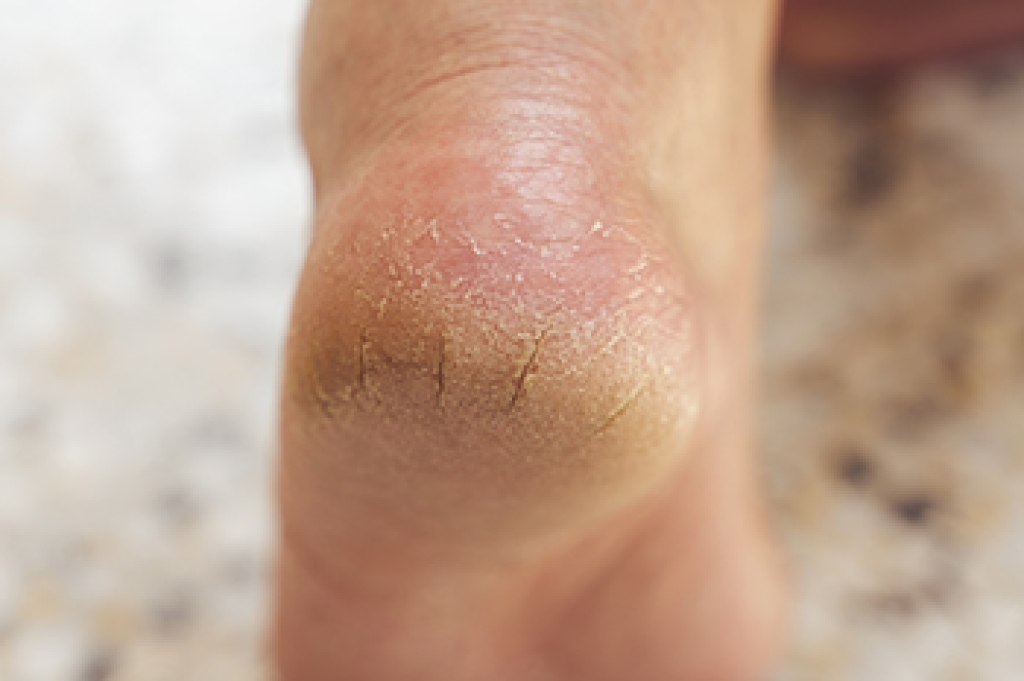
Cracked heels, also called heel fissures, develop when the skin on the bottom or edges of the heel becomes thick, very dry, and less flexible. As pressure increases during standing and walking, the skin can split, causing discomfort that ranges from mild tenderness to sharp pain. The heel may look rough, flaky, yellowed, or callused. Deeper cracks may bleed or become inflamed. Common causes include dry skin, prolonged standing, and open-back shoes. Excess pressure on the heel and certain medical conditions that affect skin health are also factors. A podiatrist can examine the severity of the fissures, safely trim thickened skin, and recommend moisturizing treatments, supportive footwear, and custom orthotics to reduce pressure. Targeted care can help prevent infection and improve healing, especially when walking becomes painful. Early treatment is important because untreated fissures can deepen and lead to more serious skin breakdown. If you have painful cracked heels or heel fissures, it is suggested that you make an appointment with a podiatrist.

If the skin on your feet starts to crack, you may want to see a podiatrist to find treatment. If you have any concerns, contact Dr. Kennedy Legel from Advanced Foot & Ankle Care Specialists. Our doctor can provide the care you need to keep you pain-free and on your feet.

Cracked Heels

It is important to moisturize your cracked heels in order to prevent pain, bleeding, and infection. The reason cracked heels form is because the skin on the foot is too dry to support the immense pressure placed on them. When the foot expands, the dry skin on the foot begins to split.

Ways to Help Heal Them

  • Invest in a good foot cream
  • Try Using Petroleum Jelly
  • Ease up on Soaps
  • Drink Plenty of Water

Ways to Prevent Cracked Heels

  • Moisturize After Showering
  • Skip a Shower
  • Keep Shower Water Lukewarm
  • Don’t Scrub Your Feet

If you are unsure how to proceed in treating cracked heels, seek guidance from a podiatrist. Your doctor will help you with any questions or information you may need. 

If you have any questions, please feel free to contact our office located in Dallas, TX . We offer the newest diagnostic and treatment technologies for all your foot care needs.

Read more about Solutions for Cracked Heels

Choosing the Right Support for Your Feet

Walking shoes and running shoes are built differently to match specific movement patterns and impact levels. Walking shoes often feature a flexible upper, stable midsole, and durable outsole that supports a smooth heel-to-toe motion. Running shoes typically include enhanced cushioning to absorb repeated impact and a more responsive midsole for forward propulsion. Shoe stability is important in both types, and proper fit should include checking for heel slippage and allowing enough toe room. Wearing the correct footwear may help prevent painful foot conditions like plantar fasciitis. A podiatrist can evaluate gait, recommend proper shoes, and provide custom orthotics. If you are experiencing foot pain after walking or running, it is suggested that you consult a podiatrist who can treat various foot and ankle conditions and guide you on the correct shoes to wear for your desired activity. 

You should always make sure your running shoes fit properly in order to avoid injury. For more information, contact Dr. Kennedy Legel from Advanced Foot & Ankle Care Specialists. Our doctor can provide the care you need to keep you pain-free and on your feet.

Choosing the Right Running Shoe for Your Foot Type

Improper shoe sizing can cause a myriad of problems for your feet. Shoes that don’t fit you properly can lead to muscular imbalances in your body, which can result in foot, knee, and hip injuries.

Tips for Finding the Right Running Shoe

  • Make sure you have a thumb’s width of wiggle room between the end of your longest toe and the front of the shoe.
  • There should be little to no slipping at the heel
  • Don’t assume your size in one shoe brand will be your size in another
  • Do not lace up your shoes too tightly
  • Walk around in the store with your new shoes before you buy them

If you have any questions, please feel free to contact our office located in Dallas, TX . We offer the newest diagnostic and treatment technologies for all your foot care needs.
Read more about Choosing the Right Running Shoe

Are You Suffering From Ingrown Toenails?

If left untreated, an ingrown toenail can lead to more serious concerns, such as an infection. Knowing proper nail care can help in the prevention of an ingrown toenail. Give us a call, and get treated!

Types and Causes of Foot Deformities

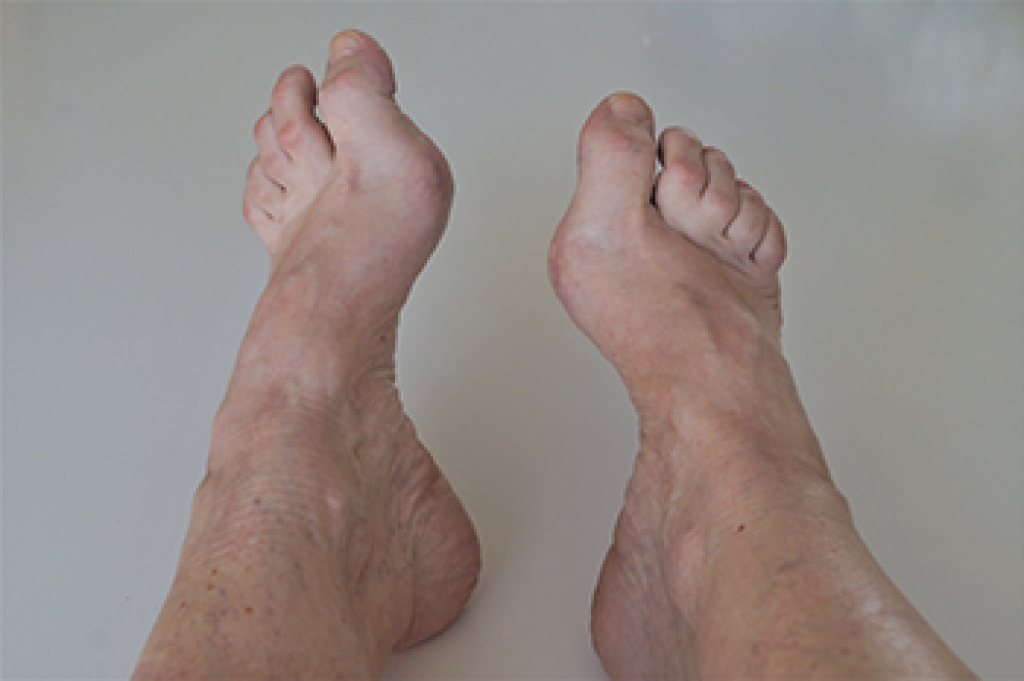
Foot deformities occur when the bones, joints, muscles, and ligaments that support the foot move out of their normal position. The foot is built to be strong and flexible so it can support body weight and allow smooth walking. When its structure changes, the shape of the foot and the way a person walks may also change. Several types of foot deformities can develop. A splayfoot occurs when the bones in the front of the foot spread apart, making the forefoot wider. Flat feet develop when the arch, the curved area under the foot that helps absorb shock, becomes lowered. High-arched feet have an arch that is higher than normal and place more pressure on the heel and ball of the foot. Some deformities, such as clubfoot, are present at birth. Others develop over time due to injury, arthritis, tight shoes, or repeated strain on the feet. A podiatrist can evaluate foot structure and recommend treatment to improve comfort and walking ability. If you have a foot deformity, it is suggested that you make an appointment with a podiatrist for an exam, diagnosis, and treatment.

If you have any concerns about your feet, contact Dr. Kennedy Legel from Advanced Foot & Ankle Care Specialists. Our doctor can provide the care you need to keep you pain-free and on your feet.

Biomechanics in Podiatry

Podiatric biomechanics is a particular sector of specialty podiatry with licensed practitioners who are trained to diagnose and treat conditions affecting the foot, ankle and lower leg. Biomechanics deals with the forces that act against the body, causing an interference with the biological structures. It focuses on the movement of the ankle, the foot and the forces that interact with them.

A History of Biomechanics

  • Biomechanics dates back to the BC era in Egypt where evidence of professional foot care has been recorded.
  • In 1974, biomechanics gained a higher profile from the studies of Merton Root, who claimed that by changing or controlling the forces between the ankle and the foot, corrections or conditions could be implemented to gain strength and coordination in the area.

Modern technological improvements are based on past theories and therapeutic processes that provide a better understanding of podiatric concepts for biomechanics. Computers can provide accurate information about the forces and patterns of the feet and lower legs.

Understanding biomechanics of the feet can help improve and eliminate pain, stopping further stress to the foot.

If you have any questions please feel free to contact our office located in Dallas, TX . We offer the newest diagnostic and treatment technologies for all your foot and ankle needs.

Read more about The Importance of Biomechanics in Podiatry
scroll to top