
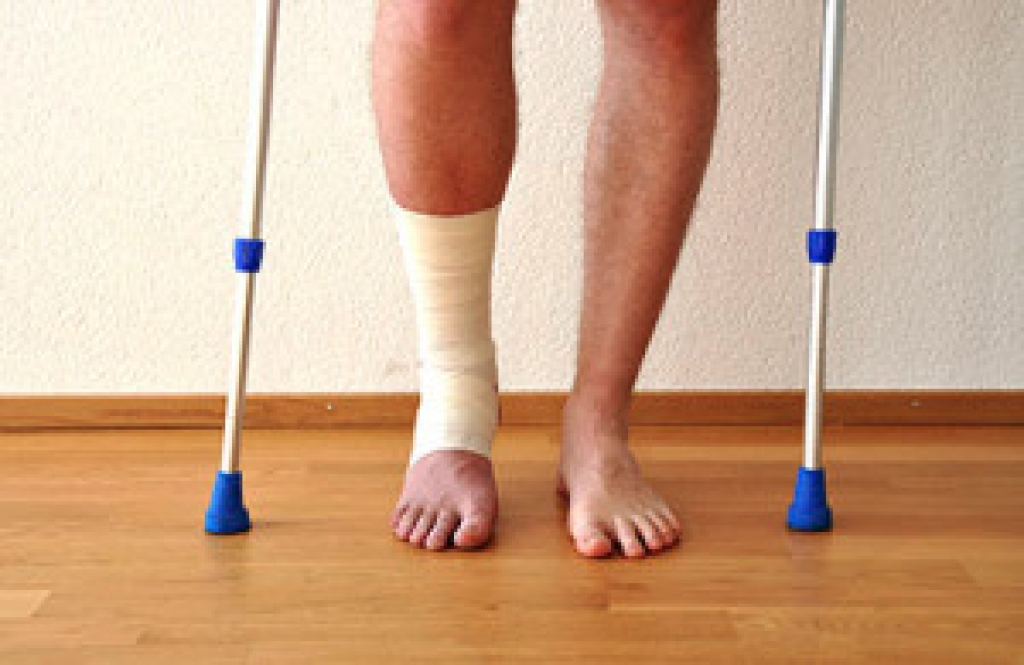
 The ankle is considered to be one of the more stable joints in the body when compared to the body’s numerous other joints. When we walk, run, or jump, the ankle endures approximately one and a half times the weight of the body, and may become at risk for possible serious injury, while engaging in high-impact activities. Common ankle afflictions may include sprains, strains, Achilles tendon injuries, or fractures, which may all produce a significant amount of pain and discomfort. An acute injury may be experienced while stepping down from a curb before realizing it’s there. This occurs as a result of the ankle moving beyond its normal range of motion, which is typically caused by a severe twisting motion. A condition that is referred to as an ankle strain may develop as a result of repeated overuse of the ankle, and this is common among certain types of athletes. Please consult with a podiatrist for additional information about how foot and ankle injuries can be treated.
Foot and ankle trauma is common among athletes and the elderly. If you have concerns that you may have experienced trauma to the foot and ankle, consult with Dr. Kennedy Legel from Advanced Foot & Ankle Care Specialists. Our doctor will assess your condition and provide you with quality foot and ankle treatment.
Foot and ankle trauma cover a range of injuries all over the foot; common injuries include:
Symptoms
Symptoms of foot and ankle injuries vary depending on the injury, but more common ones include:
Diagnosis
To properly diagnose the exact type of injury, podiatrists will conduct a number of different tests. Some of these include sensation and visual tests, X-rays, and MRIs. Medical and family histories will also be taken into account.
Treatment
Once the injury has been diagnosed, the podiatrist can than offer the best treatment options for you. In less severe cases, rest and keeping pressure off the foot may be all that’s necessary. Orthotics, such as a specially made shoes, or immobilization devices, like splints or casts, may be deemed necessary. Finally, if the injury is severe enough, surgery may be necessary.
If you have any questions, please feel free to contact our office located in Dallas, TX . We offer the newest diagnostic and treatment technologies for all your foot care needs.

When a baby is born, their feet are padded and very flexible. Research has shown that toddlers have flat feet until they begin to walk, which typically happens between 8 and 18 months of age. When walking begins, it’s important for the child to wear a shoe with a soft sole which may enable them to feel the ground as they learn to walk. A stronger shoe can be introduced once they consistently walk and have improved muscle strength. When fitted for shoes, it’s beneficial to measure the length and width of the foot which can assist in choosing the correct shoe size. Research has shown this process needs to be repeated every few months as a result of the rapid growth that most children experience. Please schedule a consultation with a podiatrist if you find your child is walking “pigeon-toed” or noticing if the feet are turning outward.
The health of a child’s feet is vital to their overall well-being. If you have any questions regarding foot health, contact Dr. Kennedy Legel of Advanced Foot & Ankle Care Specialists. Our doctor can provide the care you need to keep you pain-free and on your feet.
Tips for Keeping Children's Feet Healthy
If you have any questions, please feel free to contact our office located in Dallas, TX . We offer the newest diagnostic and treatment technologies for all your foot care needs.

Your feet are covered most of the day. If you're diabetic, periodic screening is important for good health. Numbness is often a sign of diabetic foot and can mask a sore or wound.
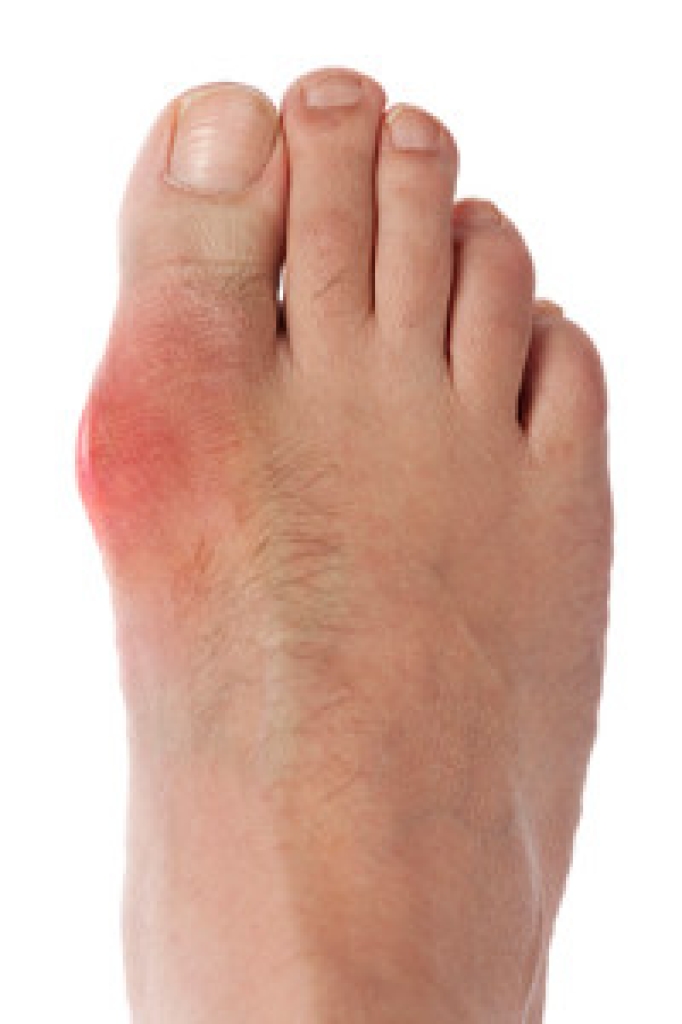 The general cause of a condition referred to as gout is an excess of uric acid that accumulates in the body. The big toe is typically affected, and obvious symptoms may include intense pain, swelling, and redness in the surrounding areas. It will often appear as an inflamed protrusion on the side of the big toe, and may affect the ability to walk. Research has shown that it may be a controllable condition and may occur because of the foods that are ingested. There may be several items that may fall into this category, including the consumption of red meat, an excessive salty foods, and any type of shellfish. Drinking excess alcohol may also lead to the development of gout, in addition to a family history of high blood pressure. Occasionally, there may be specific medical conditions in which the body has difficulty eliminating uric acid, such as kidney or thyroid ailments. The treatment for gout can vary, so it’s advised to consult with a podiatrist for a proper diagnosis.
Gout is a foot condition that requires certain treatment and care. If you are seeking treatment, contact Dr. Kennedy Legel from Advanced Foot & Ankle Care Specialists. Our doctor will treat your foot and ankle needs.
What Is Gout?
Gout is a type of arthritis caused by a buildup of uric acid in the bloodstream. It often develops in the foot, especially the big toe area, although it can manifest in other parts of the body as well. Gout can make walking and standing very painful and is especially common in diabetics and the obese.
People typically get gout because of a poor diet. Genetic predisposition is also a factor. The children of parents who have had gout frequently have a chance of developing it themselves.
Gout can easily be identified by redness and inflammation of the big toe and the surrounding areas of the foot. Other symptoms include extreme fatigue, joint pain, and running high fevers. Sometimes corticosteroid drugs can be prescribed to treat gout, but the best way to combat this disease is to get more exercise and eat a better diet.
If you have any questions, please feel free to contact our office located in Dallas, TX . We offer the newest diagnostic and treatment technologies for all your foot care needs.
