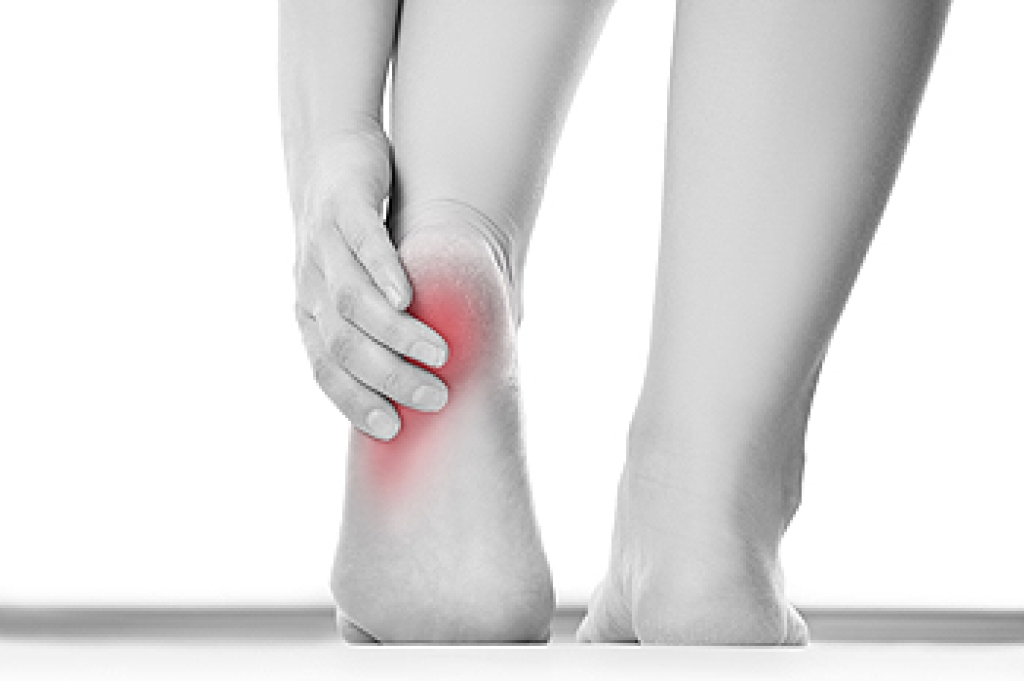
Who is at Risk for Heel Spurs?

A heel spur is caused by a calcium deposit that forms on the bottom of the heel. While many people experience no symptoms, heel spurs can be painful. Pain levels for heel spurs often vary throughout the day. Some people are more prone to getting heel spurs than others. If you have walking abnormalities that put excess pressure on the heel area, you may be at risk for this condition. Runners and joggers are known to get heel spurs, as well. Another group of people who may experience heel spurs are those who are overweight. Many times, heel spurs arise in conjunction with plantar fasciitis. If you have plantar fasciitis, you may experience heel spurs if you have diabetes, do short bursts of exercise, or spend much of the day on your feet. If you think you may have a heel spur, it is suggested that you contact a podiatrist.

Heel spurs can be incredibly painful and sometimes may make you unable to participate in physical activities. To get medical care for your heel spurs, contact Dr. Kennedy Legel from Advanced Foot & Ankle Care Specialists. Our doctor will do everything possible to treat your condition.

Heels Spurs

Heel spurs are formed by calcium deposits on the back of the foot where the heel is. This can also be caused by small fragments of bone breaking off one section of the foot, attaching onto the back of the foot. Heel spurs can also be bone growth on the back of the foot and may grow in the direction of the arch of the foot.

Older individuals usually suffer from heel spurs and pain sometimes intensifies with age. One of the main condition's spurs are related to is plantar fasciitis.

Pain

The pain associated with spurs is often because of weight placed on the feet. When someone is walking, their entire weight is concentrated on the feet. Bone spurs then have the tendency to affect other bones and tissues around the foot. As the pain continues, the feet will become tender and sensitive over time.

Treatments

There are many ways to treat heel spurs. If one is suffering from heel spurs in conjunction with pain, there are several methods for healing. Medication, surgery, and herbal care are some options.

If you have any questions, please feel free to contact our office located in Dallas, TX . We offer the newest diagnostic and treatment technologies for all your foot care needs.
Read more about How to Treat Heel Spurs

Methods That Can Reduce the Risk of Falling

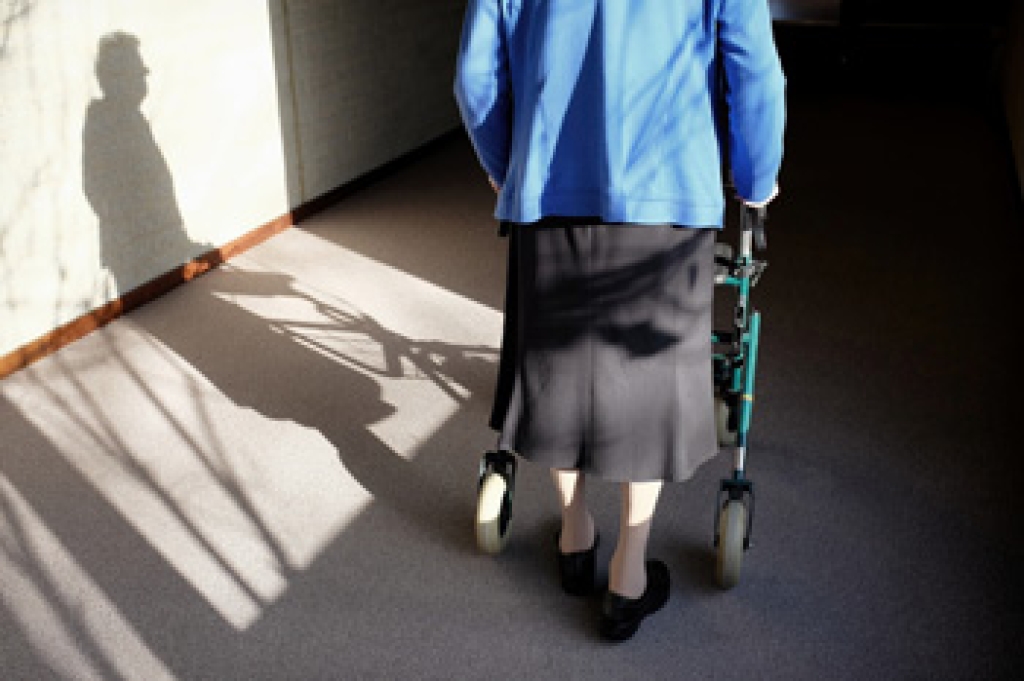
Many elderly people who have fallen may find it difficult to get up. This often happens if there are existing medical conditions or if a serious injury has occurred. There are methods that can be implemented that can help reduce the risk of falling. These include installing grab bars in the bathroom and shower area, improving lighting in the house, and removing any clutter that may be present. Research has indicated that it is beneficial for seniors to practice a gentle exercise routine, as this is helpful in developing balance and flexibility. Additionally, seniors who have their vision checked regularly may be less likely to experience falling. If you would like more information about how falling can affect the feet, please consult with a podiatrist.

Preventing falls among the elderly is very important. If you are older and have fallen or fear that you are prone to falling, consult with Dr. Kennedy Legel from Advanced Foot & Ankle Care Specialists. Our doctor will assess your condition and provide you with quality advice and care.

Every 11 seconds, an elderly American is being treated in an emergency room for a fall related injury. Falls are the leading cause of head and hip injuries for those 65 and older. Due to decreases in strength, balance, senses, and lack of awareness, elderly persons are very susceptible to falling. Thankfully, there are a number of things older persons can do to prevent falls.

How to Prevent Falls

Some effective methods that older persons can do to prevent falls include:

  • Enrolling in strength and balance exercise program to increase balance and strength
  • Periodically having your sight and hearing checked
  • Discuss any medications you have with a doctor to see if it increases the risk of falling
  • Clearing the house of falling hazards and installing devices like grab bars and railings
  • Utilizing a walker or cane
  • Wearing shoes that provide good support and cushioning
  • Talking to family members about falling and increasing awareness

Falling can be a traumatic and embarrassing experience for elderly persons; this can make them less willing to leave the house, and less willing to talk to someone about their fears of falling. Doing such things, however, will increase the likelihood of tripping or losing one’s balance. Knowing the causes of falling and how to prevent them is the best way to mitigate the risk of serious injury.  

If you have any questions, please feel free to contact our office located in Dallas, TX . We offer the newest diagnostic and treatment technologies for all your foot care needs.

Read more about Falls Prevention

How Does an Ankle Sprain Occur?

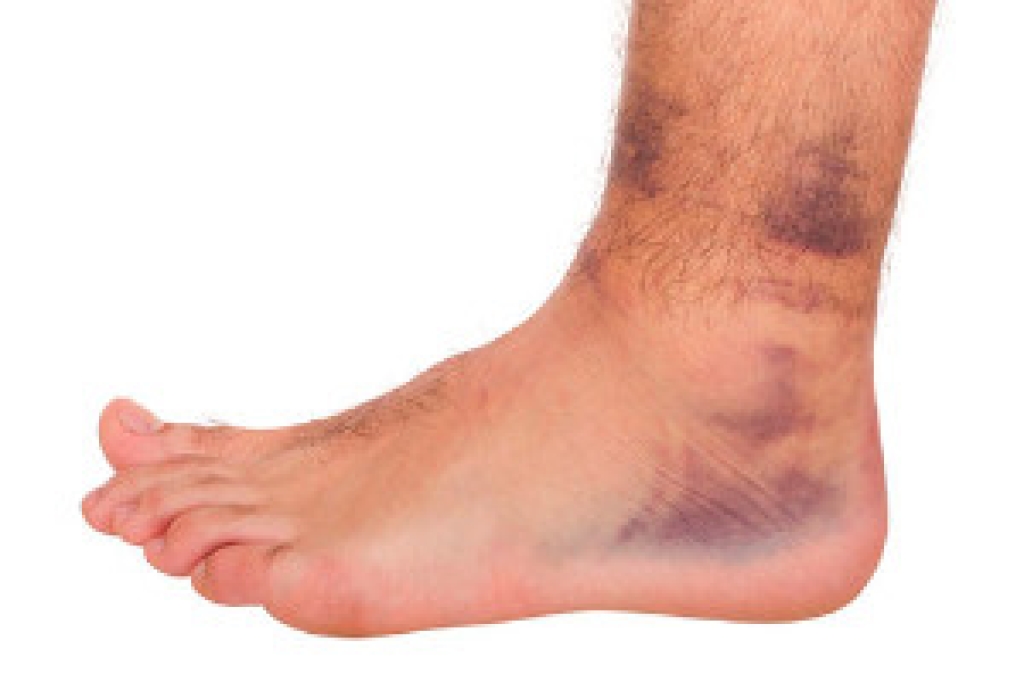
A common ankle injury that is experienced by many people is an ankle sprain. It occurs when the ankle is twisted, and this can happen by suddenly stepping off of a curb, or from a sports injury. The symptoms are often immediate and include severe pain, swelling, and possibly a popping sound. If the tear is minor, the ankle may retain stability. Additionally, complete tears can result in a total loss of support. Mild relief can be obtained when the ankle is elevated, and this may help to reduce any existing swelling. Many ankle sprains are treated by placing the foot in an elastic bandage or a protective cast. This can help to keep the ankle supported as the healing process takes place. If you have sprained your ankle, it is suggested to speak to a podiatrist as quickly as possible who can guide you toward proper treatment.

Although ankle sprains are common, they aren’t always minor injuries. If you need your ankle injury looked at, contact Dr. Kennedy Legel from Advanced Foot & Ankle Care Specialists. Our doctor can provide the care you need to keep you pain-free and on your feet.

How Does an Ankle Sprain Occur?

Ankle sprains are the result of a tear in the ligaments within the ankle. These injuries may happen when you make a rapid shifting movement while your foot is planted. A less common way to sprain your ankle is when your ankle rolls inward while your foot turns outward.

What Are the Symptoms?

  • Pain at the sight of the tear
  • Bruising/Swelling
  • Ankle area is tender to touch
  • In severe cases, may hear/feel something tear
  • Skin discoloration

Preventing a Sprain

  • Wearing appropriate shoes for the occasion
  • Stretching before exercises and sports
  • Knowing your limits

Treatment of a Sprain

In many cases, the RICE method (Rest, Ice, Compression, and Elevate) is used to treat ankle sprains. However, you should see a podiatrist to see which treatment option would work best with your injury. In severe cases, surgery may be required.

It is important to ask your doctor about rehab options after you receive treatment for your injury. Stretching, strength training, and balance exercises may help the ankle heal while also preventing further injury.

If you have any questions, please feel free to contact our office located in Dallas, TX . We offer the newest diagnostic and treatment technologies for all your foot care needs.

Read more about Ankle Sprains

How Obesity Affects Your Feet

As obesity becomes a common issue worldwide, it is important to know the effects it can have on your feet. The most obvious impact is pain in the feet. The more you weigh, the more pressure you are putting on the lower half of your body. This extra weight may result in the arches falling. Once you have fallen arches, a condition called pronation may result. Pronation is when a person walks on the sides of their feet, rather than walking with their feet flat on the ground. Fallen arches and pronation may lead to a wide variety of issues on the feet, ankles, legs, hips and back. Engaging in a healthy lifestyle is the best way to prevent obesity and the slew of foot issues that it may cause.

The more you weigh, the harder your feet must work to support your body. If you’re an obese individual and are concerned about your feet, contact Dr. Kennedy Legel from Advanced Foot & Ankle Care Specialists. Our doctor can provide the care you need to keep you pain-free and on your feet.

Obesity and Your Feet

People who are overweight are putting more pressure on their ankles, knees, and hips as well as their feet. This unfortunately can lead to variety of different issues.

Problems & Complications Stemming from Obesity

  • When the body is overweight, it tries to compensate by changing the way that it moves. An obese person may lean forward and put extra weight on the wrong part of the foot. This puts unnecessary stress on the feet.
  • Obese people are also more likely to develop type II diabetes which is a condition that causes a lot of foot problems. People with diabetes often don’t feel the cuts and sores that they may have on their feet, which can lead to more complicated and severe issues.
  • Plantar fasciitis is another foot condition that can be caused by obesity. Plantar fasciitis is an inflammation of the tissue along the bottom of the foot, which causes pain and stiffness while walking and climbing stairs.

If you have any questions please contact our office located in Dallas, TX . We offer the newest diagnostic and treatment technologies for all your foot and ankle needs.

Read more about Obesity and the Feet

Are Bunions Affecting Your Everyday Life?

Have you noticed a bony protrusion on the side of your big toe? If so, you may have developed the foot condition known as a bunion. Don't let bunions interfere with your daily activities.

scroll to top