Defining an Achilles Tendon Rupture

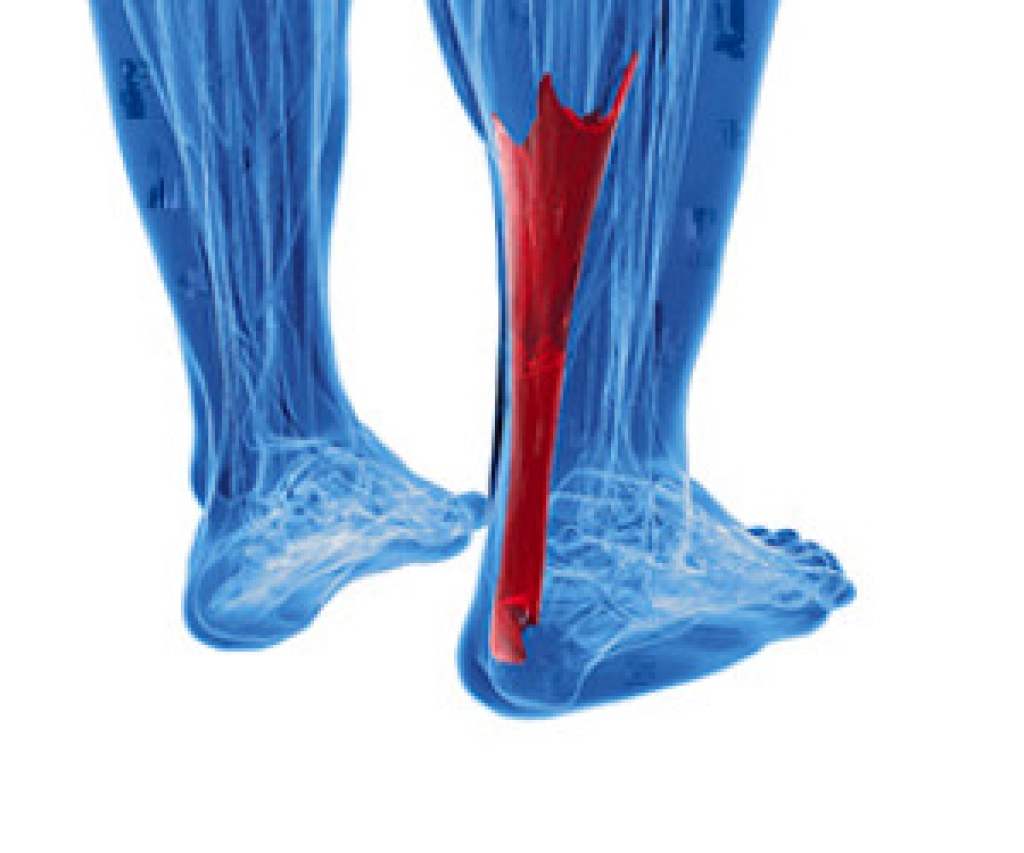
The Achilles tendon, located at the back of the ankle, connects the calf muscle to the heel bone. When the tendon gets overstretched because of forceful jumping, pivoting, or sudden acceleration, the tendon can tear or rupture. Some signs of an Achilles tendon tear includes sudden pain in the calf or ankle, swelling in the back of the leg, a popping sensation, and difficulty walking. An Achilles tendon rupture is a very serious injury that will require the care of a podiatrist to prevent further damage. Treatments that a podiatrist may recommend can include a walking boot, or in severe cases, surgery. Physical therapy will likely be necessary to aid in the recovery process as well. If you are afflicted with an Achilles tendon injury, please consult with a podiatrist for the best treatment techniques that are correct for you. 

Achilles tendon injuries need immediate attention to avoid future complications. If you have any concerns, contact Dr. Kennedy Legel of Advanced Foot & Ankle Care Specialists. Our doctor can provide the care you need to keep you pain-free and on your feet.

What Is the Achilles Tendon?

The Achilles tendon is a tendon that connects the lower leg muscles and calf to the heel of the foot. It is the strongest tendon in the human body and is essential for making movement possible. Because this tendon is such an integral part of the body, any injuries to it can create immense difficulties and should immediately be presented to a doctor.

What Are the Symptoms of an Achilles Tendon Injury?

There are various types of injuries that can affect the Achilles tendon. The two most common injuries are Achilles tendinitis and ruptures of the tendon.

Achilles Tendinitis Symptoms

  • Inflammation
  • Dull to severe pain
  • Increased blood flow to the tendon
  • Thickening of the tendon

Rupture Symptoms

  • Extreme pain and swelling in the foot
  • Total immobility

Treatment and Prevention

Achilles tendon injuries are diagnosed by a thorough physical evaluation, which can include an MRI. Treatment involves rest, physical therapy, and in some cases, surgery. However, various preventative measures can be taken to avoid these injuries, such as:

  • Thorough stretching of the tendon before and after exercise
  • Strengthening exercises like calf raises, squats, leg curls, leg extensions, leg raises, lunges, and leg presses

If you have any questions please feel free to contact our office located in Dallas, TX . We offer the newest diagnostic tools and technology to treat your foot and ankle needs.
Read more about Achilles Tendon Injuries

Are Bunions Affecting Your Everyday Life?

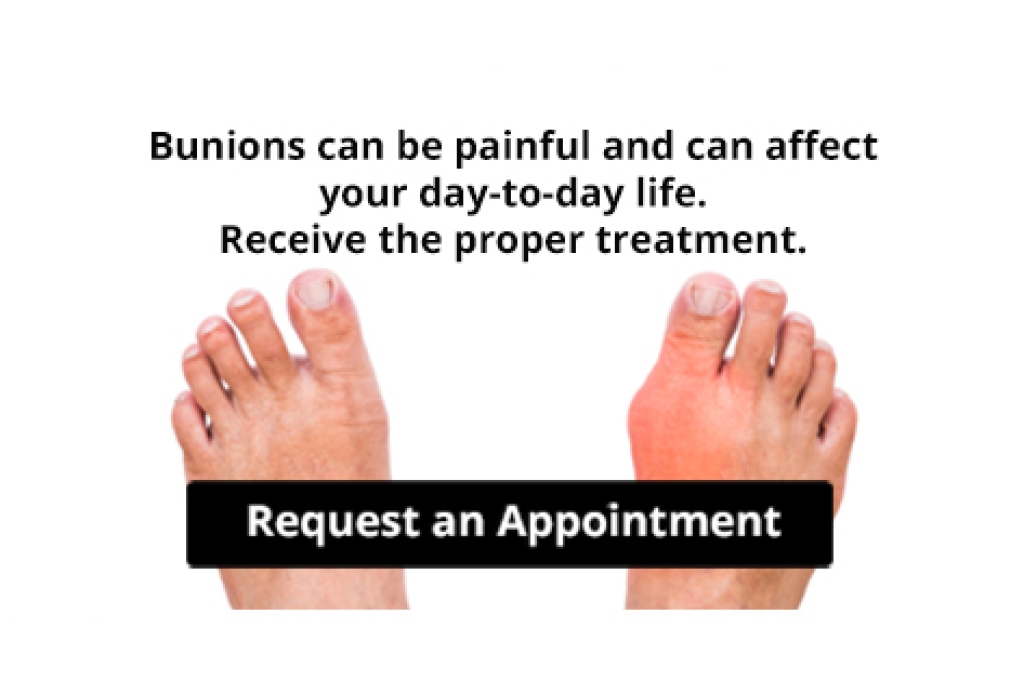
Have you noticed a bony protrusion on the side of your big toe? If so, you may have developed the foot condition known as a bunion. Don't let bunions interfere with your daily activities.

Two Types of Corns

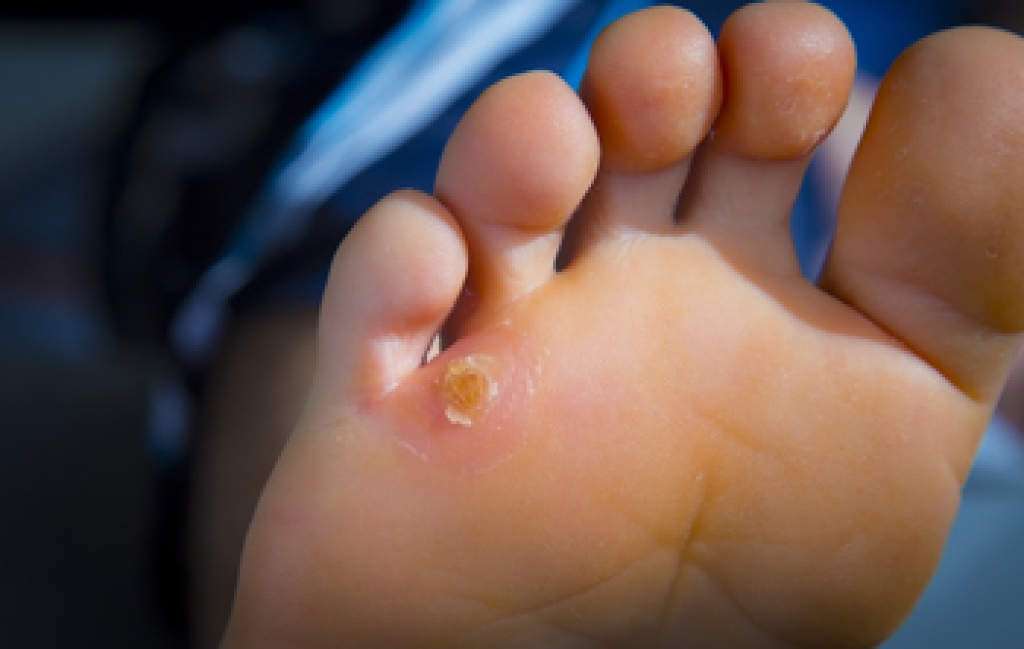
A corn is an area of skin that develops in a circular shape and is often found on the bottom of the foot or between the toes. It typically forms as a result of excess friction that can come from wearing shoes that do not fit correctly. Additionally, a corn can develop on the inside of the heel from existing medical conditions that can include flat feet. Hard corns can develop on top of the toes or on the sole of the foot. A corn that is found between the toes is referred to as a soft corn and can cause pain and discomfort. Relief may be found when the feet are washed and dried thoroughly, and it may also help to file the corn with a pumice stone. If you have a corn that is hindering daily activities, it is strongly advised that you consult with a podiatrist who can treat this condition properly.

If you have any concerns regarding your feet and ankles, contact Dr. Kennedy Legel of Advanced Foot & Ankle Care Specialists. Our doctor will treat your foot and ankle needs.

Corns: What Are They? and How Do You Get Rid of Them?
Corns can be described as areas of the skin that have thickened to the point of becoming painful or irritating. They are often layers and layers of the skin that have become dry and rough, and are normally smaller than calluses.

Ways to Prevent Corns
There are many ways to get rid of painful corns such as wearing:

  • Well-fitting socks
  • Comfortable shoes that are not tight around your foot
  • Shoes that offer support

Treating Corns
Treatment of corns involves removing the dead skin that has built up in the specific area of the foot. Consult with Our doctor to determine the best treatment option for your case of corns.

If you have any questions, please feel free to contact our office located in Dallas, TX . We offer the newest diagnostic and treatment technologies for all your foot care needs.

Read more about Corns and Calluses

Who Does Sever’s Disease Impact?

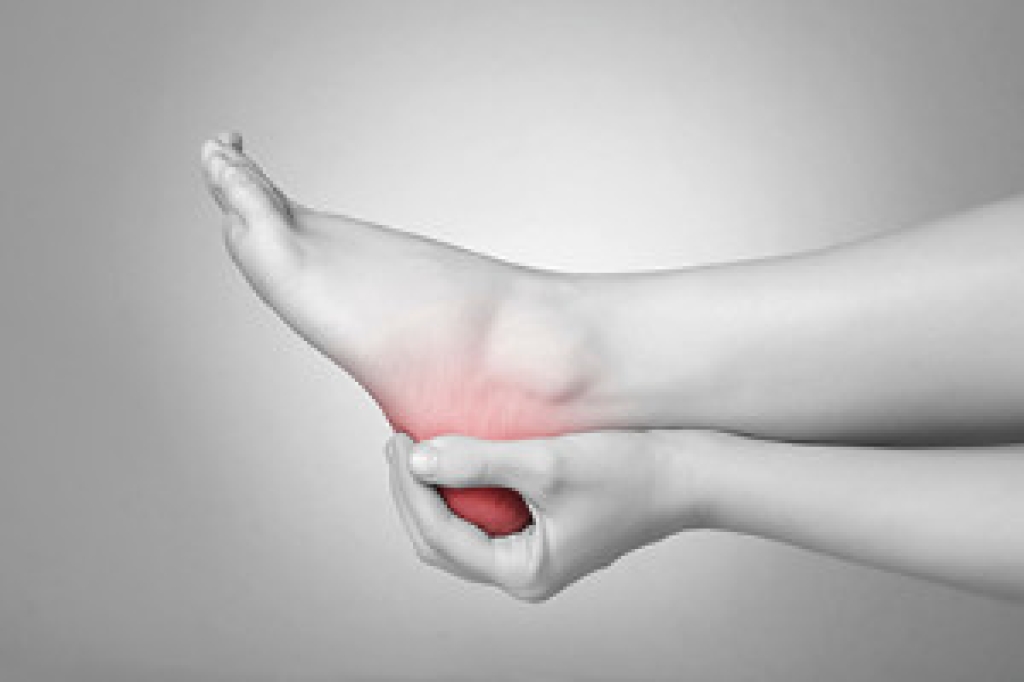
Heel pain may be a common ailment among active children. It can be indicative of a condition that is known as Sever’s disease, which impacts the growth plate in the heel. You may notice that your child is limping, and this is a normal symptom of this condition. A proper diagnosis can consist of performing what is referred to as a squeeze test, and additional tests may be needed to confirm the results. Relief may be felt when the foot is elevated, which may reduce a portion of the swelling that can accompany this condition. As the foot gains strength, stretches and specific exercises can be performed that can increase the range of motion. If you think your child may have Sever’s disease, it is advised that you seek the counsel of a podiatrist who can properly treat this ailment.

Sever's disease often occurs in children and teens. If your child is experiencing foot or ankle pain, see Dr. Kennedy Legel from Advanced Foot & Ankle Care Specialists. Our doctor can treat your child’s foot and ankle needs.

Sever’s Disease

Sever’s disease is also known as calcaneal apophysitis, which is a medical condition that causes heel pain I none or both feet. The disease is known to affect children between the ages of 8 and 14.

Sever’s disease occurs when part of the child’s heel known as the growth plate (calcaneal epiphysis) is attached to the Achilles tendon. This area can suffer injury when the muscles and tendons of the growing foot do not keep pace with bone growth. Therefore, the constant pain which one experiences at the back of the heel will make the child unable to put any weight on the heel. The child is then forced to walk on their toes.

Symptoms

Acute pain – Pain associated with Sever’s disease is usually felt in the heel when the child engages in physical activity such as walking, jumping and or running.

Highly active – Children who are very active are among the most susceptible in experiencing Sever’s disease, because of the stress and tension placed on their feet.

If you have any questions, please feel free to contact our office located in Dallas, TX . We offer the newest diagnostic and treatment technologies for all your foot care needs.

Read more about Sever's Disease

Who May Be Prone to Getting Cuboid Syndrome?

There are twenty-six bones in each foot, and the cuboid bone is located on the outside edge below the ankle. The condition that is known as cuboid syndrome can occur as a result of overstretched or torn tendons which connect to the cuboid bone. It can be a common ailment among people who frequently participate in running and jumping activities, and cause pain and discomfort. Common symptoms that can be associated with cuboid syndrome can consist of a dull ache when this condition occurs from repetitive strain. If a sudden injury occurs, a sharp pain is immediately felt, and it may be difficult to walk. Effective treatment can consist of resting the affected foot,  followed by introducing techniques that can return the tendons to their normal alignment. If you are experiencing pain in the outside of your foot, it is suggested that you consult with a podiatrist who can properly diagnose cuboid syndrome.

Cuboid syndrome, also known as cuboid subluxation, occurs when the joints and ligaments near the cuboid bone in the foot become torn. If you have cuboid syndrome, consult with Dr. Kennedy Legel from Advanced Foot & Ankle Care Specialists. Our doctor will assess your condition and provide you with quality foot and ankle treatment.

Cuboid syndrome is a common cause of lateral foot pain, which is pain on the outside of the foot. The condition may happen suddenly due to an ankle sprain, or it may develop slowly overtime from repetitive tension through the bone and surrounding structures.

Causes

The most common causes of cuboid syndrome include:

  • Injury – The most common cause of this ailment is an ankle sprain.
  • Repetitive Strain – Tension placed through the peroneus longus muscle from repetitive activities such as jumping and running may cause excessive traction on the bone causing it to sublux.
  • Altered Foot Biomechanics – Most people suffering from cuboid subluxation have flat feet.

Symptoms

A common symptom of cuboid syndrome is pain along the outside of the foot which can be felt in the ankle and toes. This pain may create walking difficulties and may cause those with the condition to walk with a limp.

Diagnosis

Diagnosis of cuboid syndrome is often difficult, and it is often misdiagnosed. X-rays, MRIs and CT scans often fail to properly show the cuboid subluxation. Although there isn’t a specific test used to diagnose cuboid syndrome, your podiatrist will usually check if pain is felt while pressing firmly on the cuboid bone of your foot.

Treatment

Just as the range of causes varies widely, so do treatments. Some more common treatments are ice therapy, rest, exercise, taping, and orthotics.

If you have any questions, please feel free to contact our office located in Dallas, TX . We offer the newest diagnostic and treatment technologies for all your foot care needs.

Read more about All About Cuboid Syndrome
scroll to top