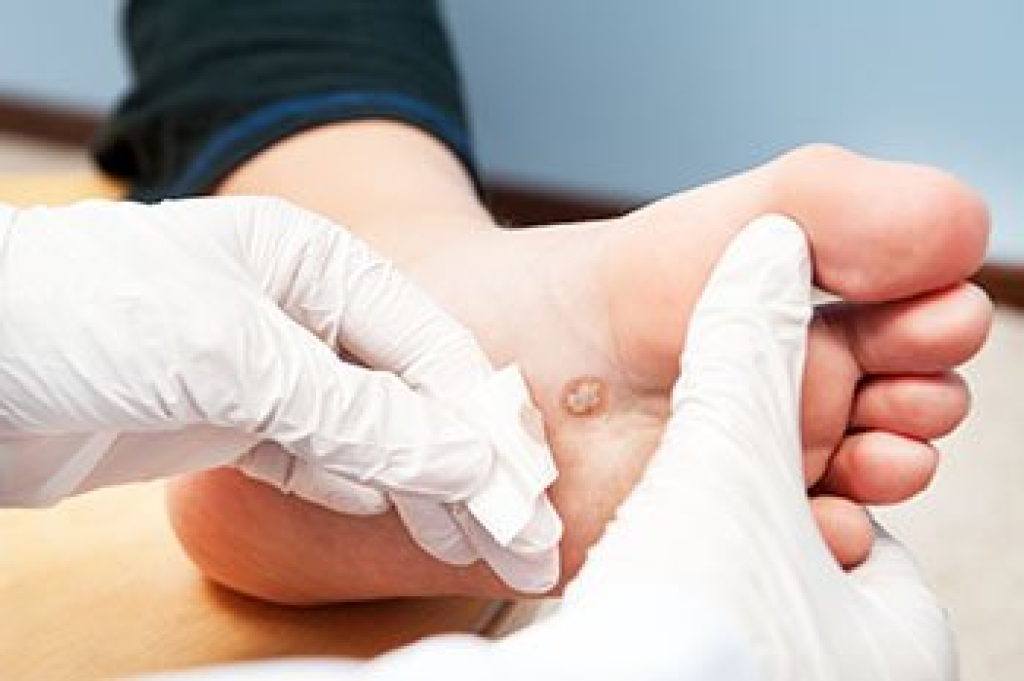
How Plantar Warts Appear

Plantar warts are common warts that form on the bottom of the foot as a result of the human papilloma virus, also known as HPV. HPV tends to thrive in warm and moist environments like locker rooms, shower floors and swimming pools. The virus transmits through direct contact and is usually picked up through a small opening in the skin. Once the wart forms, it will appear as a circular flat spot with a depressed center, and it may appear yellow or have a black dot in the middle. Plantar warts can also be very painful. Plantar warts that are causing pain or are spreading should be treated by a podiatrist since there is not a way to tell how deep the wart has grown. Based on the condition of the wart, a podiatrist will be able to determine the best course of treatment for the wart.

Plantar warts can be very uncomfortable. If you need your feet checked, contact Dr. Kennedy Legel from Advanced Foot & Ankle Care Specialists. Our doctor will assist you with all of your foot and ankle needs.

About Plantar Warts

Plantar warts are the result of HPV, or human papillomavirus, getting into open wounds on the feet. They are mostly found on the heels or balls of the feet.

While plantar warts are generally harmless, those experiencing excessive pain or those suffering from diabetes or a compromised immune system require immediate medical care. Plantar warts are easily diagnosed, usually through scraping off a bit of rough skin or by getting a biopsy.

Symptoms

  • Lesions on the bottom of your feet, usually rough and grainy
  • Hard or thick callused spots
  • Wart seeds, which are small clotted blood vessels that look like little black spots
  • Pain, discomfort, or tenderness of your feet when walking or standing

Treatment

  • Freezing
  • Electric tool removal
  • Laser Treatment
  • Topical Creams (prescription only)
  • Over-the-counter medications

To help prevent developing plantar warts, avoid walking barefoot over abrasive surfaces that can cause cuts or wounds for HPV to get into. Avoiding direct contact with other warts, as well as not picking or rubbing existing warts, can help prevent the further spread of plantar warts. However, if you think you have developed plantar warts, speak to your podiatrist. He or she can diagnose the warts on your feet and recommend the appropriate treatment options.

If you have any questions, please feel free to contact our office located in Dallas, TX . We offer the newest diagnostic and treatment technologies for all your foot care needs.

Read more about All About Plantar Warts

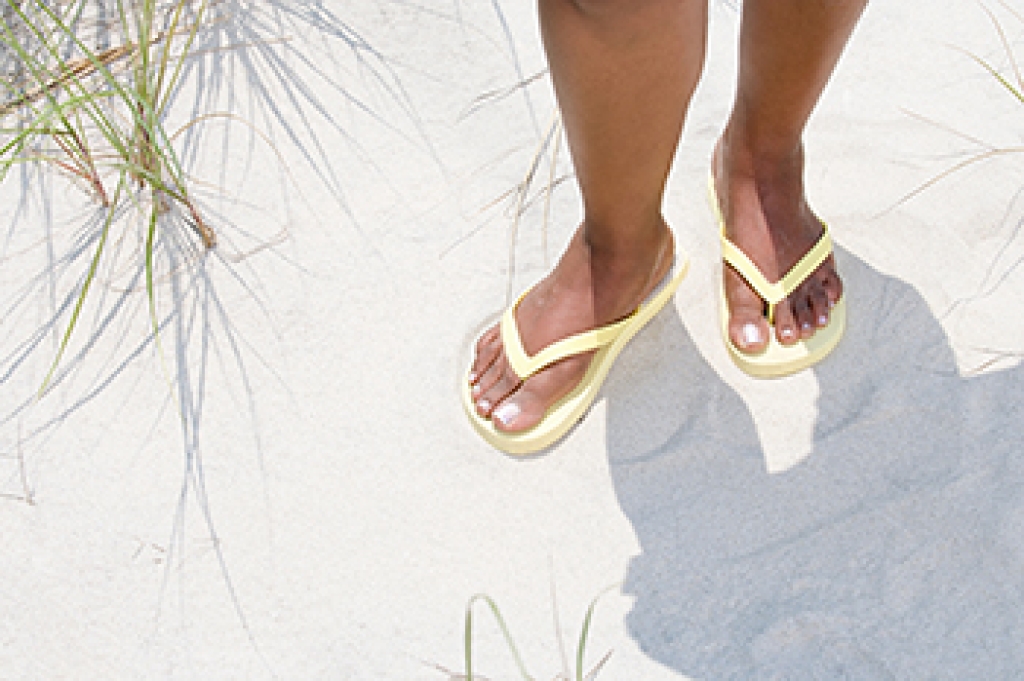
How Flip Flops Hurt the Feet

As summer is in full swing, many of us pull out a pair of flip flops. However, flip flops were not made for everyday use, and they can cause many problems. To start, flip flops do not provide enough support for the feet, and wearing them over a prolonged period of time can lead to the arch ligaments straining. This lack of support can cause the feet and toes to work harder and eventually lead to hammertoes, and the ankle can roll over on its side and lead to an ankle sprain. When wearing flip flops, make sure to choose a pair with a supportive lightweight sole and a cradle around the heel to reduce the chance of an ankle sprain. If you have questions or concerns about wearing your flip flops, consult with a podiatrist.

Flip-flops can cause a lot of problems for your feet. If you have any concerns about your feet or ankles, contact Dr. Kennedy Legel from Advanced Foot & Ankle Care Specialists. Our doctor will assist you with all of your foot and ankle needs.

Flip-Flops and Feet

Flip-flops have managed to become a summer essential for a lot of people. While the shoes may be stylish and easy to slip on and off, they can be dangerous to those who wear them too often. These shoes might protect you from fungal infections such as athlete’s foot, but they can also give you foot pain and sprained ankles if you trip while wearing them.

When Are They Okay to Wear?

Flip-flops should only be worn for very short periods of time. They can help protect your feet in places that are crawling with fungi, such as gym locker rooms. Athlete’s foot and plantar warts are two common fungi that flip-flops may help protect your feet against.

Why Are They Bad for My Feet?

These shoes do not offer any arch support, so they are not ideal for everyday use. They also do not provide shock absorption or heel cushioning which can be problematic for your feet. Additionally, you may suffer from glass cuts, puncture wounds, and stubbed toes since they offer little protection for your feet.

More Reasons Why They Are Bad for Your Feet

  • They Slow You Down
  • May Cause Blisters and Calluses
  • Expose Your Feet to Bacteria

If you have any questions, please feel free to contact our office located in Dallas, TX . We offer the newest diagnostic and treatment technologies for all your foot care needs.
Read more about Flip Flops and Feet

Are Bunions Affecting Your Everyday Life?

Have you noticed a bony protrusion on the side of your big toe? If so, you may have developed the foot condition known as a bunion. Don't let bunions interfere with your daily activities.

Risk Factors and Treatments for Toenail Infections

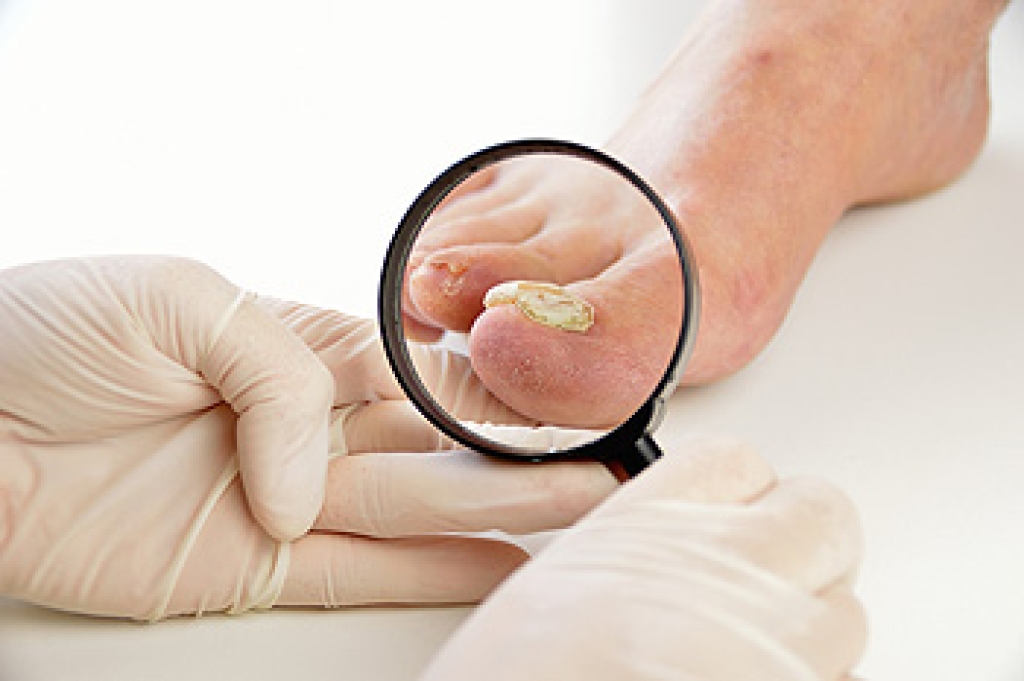
Toenail fungus, also known as onychomycosis, is an infection that leads to the destruction of the nails as they become discolored, yellowed, thickened, and brittle, often causing them to break. The variety of fungi that cause onychomycosis thrive in dark, warm, and moist environments such as sweaty shoes, showers, and public locker rooms and pools. Risk factors that can lead to developing a toenail fungus include poor foot hygiene, wearing nail polish, having a chronic disease such as diabetes, and frequently using community showers or pools. Because toenail infections rarely heal on their own, consulting with a podiatrist may be necessary. If the infection is in a small part of the nail, a topical antifungal medication may be prescribed, however for larger infections, an oral antifungal medicine may be necessary. In extreme situations, a podiatrist may need to surgically remove the nail.

For more information about treatment, contact Dr. Kennedy Legel of Advanced Foot & Ankle Care Specialists. Our doctor can provide the care you need to keep you pain-free and on your feet.

Toenail Fungus Treatment

Toenail fungus is a condition that affects many people and can be especially hard to get rid of. Fortunately, there are several methods to go about treating and avoiding it.

Antifungals & Deterrence

Oral antifungal medicine has been shown to be effective in many cases. It is important to consult with a podiatrist to determine the proper regiment for you, or potentially explore other options.

Applying foot powder on the feet and shoes helps keep the feet free of moisture and sweat.

Sandals or open toed shoes – Wearing these will allow air movement and help keep feet dry. They also expose your feet to light, which fungus cannot tolerate. Socks with moisture wicking material also help as well.

If you have any questions please contact our office located in Dallas, TX . We offer the newest diagnostic and treatment technologies for all your foot and ankle needs.

Read more about Treating Toenail Fungus

Active and Overweight Children May Develop Sever’s Disease

The medical term for Sever’s Disease is calcaneal apophysitis. It is an uncomfortable foot condition that can affect active teenagers and children as they reach adolescence. It occurs as a result of different growing speeds of the tendons and growth plate in the heel. This can cause the tendons to become tight, putting stress on the heel. Children who frequently participate in running and jumping activities and young teenagers who are overweight may experience Sever’s disease. Mild relief can be found when the affected foot is elevated, and it may help to relieve swelling on the heel by wearing compression socks. If your child or teen is limping, it is suggested that you schedule a consultation with a podiatrist who can help them find the right treatment options.

Sever's disease often occurs in children and teens. If your child is experiencing foot or ankle pain, see Dr. Kennedy Legel from Advanced Foot & Ankle Care Specialists. Our doctor can treat your child’s foot and ankle needs.

Sever’s Disease

Sever’s disease is also known as calcaneal apophysitis, which is a medical condition that causes heel pain I none or both feet. The disease is known to affect children between the ages of 8 and 14.

Sever’s disease occurs when part of the child’s heel known as the growth plate (calcaneal epiphysis) is attached to the Achilles tendon. This area can suffer injury when the muscles and tendons of the growing foot do not keep pace with bone growth. Therefore, the constant pain which one experiences at the back of the heel will make the child unable to put any weight on the heel. The child is then forced to walk on their toes.

Symptoms

Acute pain – Pain associated with Sever’s disease is usually felt in the heel when the child engages in physical activity such as walking, jumping and or running.

Highly active – Children who are very active are among the most susceptible in experiencing Sever’s disease, because of the stress and tension placed on their feet.

If you have any questions, please feel free to contact our office located in Dallas, TX . We offer the newest diagnostic and treatment technologies for all your foot care needs.

Read more about Sever's Disease
scroll to top