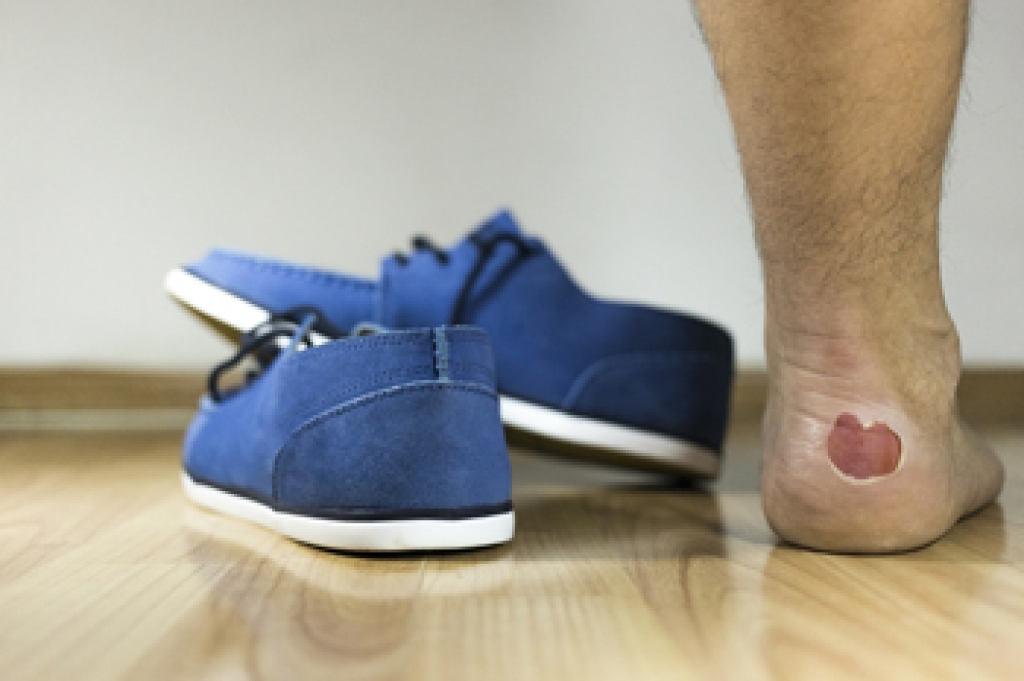
Reasons Blisters Develop on the Feet

A common reason for blisters to develop on the feet is excessive pressure. This can happen as a result of wearing shoes that do not fit correctly, which may cause a part of the foot to rub against the shoe. A blister looks like a small bubble. It is filled with liquid and protects the damaged skin until it is replaced by new skin. It will gradually drain when the healing process is completed, and it is beneficial to refrain from prematurely popping it. Additional reasons to get a blister on the foot can consist of enduring a bad sunburn or having an allergic reaction to an insect bite. They may also develop from having an illness such as chickenpox. Treatment can begin with changing the shoes that are worn, followed by keeping the affected area clean and dry. Some people find it helpful to wear a protective covering over the blister until it has healed. If you have a blister on your foot, it is suggested that you consult with a podiatrist who can help you properly manage this condition.

Blisters are prone to making everyday activities extremely uncomfortable. If your feet are hurting, contact Dr. Kennedy Legel of Advanced Foot & Ankle Care Specialists. Our doctor can provide the care you need to keep you pain-free and on your feet.

Foot Blisters

Foot blisters develop as a result of constantly wearing tight or ill-fitting footwear. This happens due to the constant rubbing from the shoe, which can often lead to pain.

What Are Foot Blisters?

A foot blister is a small fluid-filled pocket that forms on the upper-most layer of the skin. Blisters are filled with clear fluid and can lead to blood drainage or pus if the area becomes infected.

How Do Blisters Form?

Blisters on the feet are often the result of constant friction of skin and material, usually by shoe rubbing. Walking in sandals, boots, or shoes that don’t fit properly for long periods of time can result in a blister. Having consistent foot moisture and humidity can easily lead to blister formation.

Prevention & Treatment

It is important to properly care for the affected area in order to prevent infection and ease the pain. Do not lance the blister and use a Band-Aid to provide pain relief. Also, be sure to keep your feet dry and wear proper fitting shoes. If you see blood or pus in a blister, seek assistance from a podiatrist.

If you have any questions, please feel free to contact our office located in Dallas, TX . We offer the newest diagnostic and treatment technologies for all your foot care needs.

Read more about Blisters

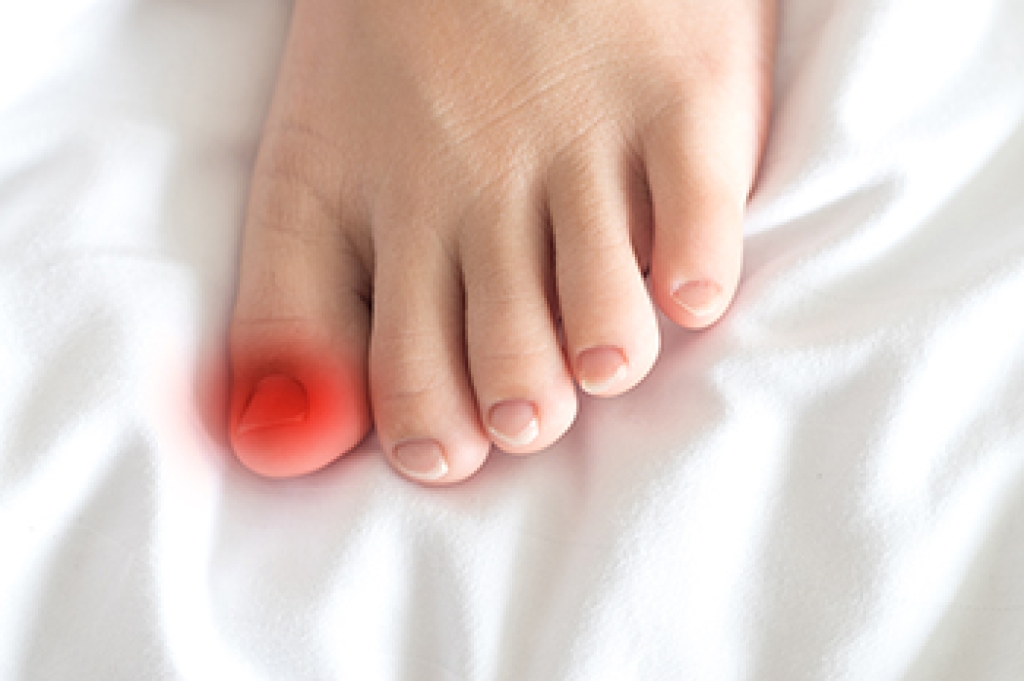
What Has Caused My Ingrown Toenail?

Toenails grow over the skin, and an ingrown toenail occurs when the nail grows into the skin instead of over it. This can be an extremely painful foot condition, and may be caused by genetic reasons, or from wearing shoes that are too tight. It may also happen if a toe injury has occurred, such as stubbing the foot against a piece of furniture. Research has indicated that having poor posture may lead to developing an ingrown toenail. This may cause the toes to push together, and pressure can be exerted on them as they grow. Additionally, a common reason to have an ingrown toenail can be from cutting the toenails incorrectly, or from having poor foot hygiene. If you have an ingrown toenail, it is strongly suggested that you are under the care of a podiatrist who can correct this painful condition, which may include surgery for permanent relief. 

Ingrown toenails may initially present themselves as a minor discomfort, but they may progress into an infection in the skin without proper treatment. For more information about ingrown toenails, contact Dr. Kennedy Legel of Advanced Foot & Ankle Care Specialists. Our doctor can provide the care you need to keep you pain-free and on your feet.

Ingrown Toenails

Ingrown toenails are caused when the corner or side of a toenail grows into the soft flesh surrounding it. They often result in redness, swelling, pain, and in some cases, infection. This condition typically affects the big toe and may recur if it is not treated properly.

Causes

  • Improper toenail trimming
  • Genetics
  • Improper shoe fitting
  • Injury from pedicures or nail picking
  • Abnormal gait
  • Poor hygiene

You are more likely to develop an ingrown toenail if you are obese, have diabetes, arthritis, or have any fungal infection in your nails. Additionally, people who have foot or toe deformities are at a higher risk of developing an ingrown toenail.

Symptoms

Some symptoms of ingrown toenails are redness, swelling, and pain. In rare cases, there may be a yellowish drainage coming from the nail.

Treatment

Ignoring an ingrown toenail can have serious complications. Infections of the nail border can progress to a deeper soft-tissue infection, which can then turn into a bone infection. You should always speak with your podiatrist if you suspect you have an ingrown toenail, especially if you have diabetes or poor circulation.

If you have any questions, please feel free to contact our office located in Dallas, TX . We offer the newest diagnostic and treatment technologies for all your foot care needs.
Read more about Ingrown Toenail Care

Gently Exercising May Help to Prevent Falling

People who are 65 years old or older have increased chances of incurring a fall. A common reason this can happen may be a result of decreasing body strength as aging happens. A good fall prevention technique can include implementing a gentle exercise routine that can increase cardiovascular and muscle strength. Falling can have serious consequences, and may affect the feet. A broken ankle or toe may cause pain and difficulty in completing daily activities. Research has shown there are several thousand seniors who live independently, and many falls can occur in the home. Fall prevention strategies can include removing worn rugs from the living area, and it is helpful to improve lighting in the main areas of the household. Many people choose to have grab bars installed in the shower and toilet area, and it is beneficial to use a non-slip bath mat. If you would like to have additional knowledge about effective fall prevention techniques, it is suggested that you consult with a podiatrist who can help you with methods that can protect the feet.

Preventing falls among the elderly is very important. If you are older and have fallen or fear that you are prone to falling, consult with Dr. Kennedy Legel from Advanced Foot & Ankle Care Specialists. Our doctor will assess your condition and provide you with quality advice and care.

Every 11 seconds, an elderly American is being treated in an emergency room for a fall related injury. Falls are the leading cause of head and hip injuries for those 65 and older. Due to decreases in strength, balance, senses, and lack of awareness, elderly persons are very susceptible to falling. Thankfully, there are a number of things older persons can do to prevent falls.

How to Prevent Falls

Some effective methods that older persons can do to prevent falls include:

  • Enrolling in strength and balance exercise program to increase balance and strength
  • Periodically having your sight and hearing checked
  • Discuss any medications you have with a doctor to see if it increases the risk of falling
  • Clearing the house of falling hazards and installing devices like grab bars and railings
  • Utilizing a walker or cane
  • Wearing shoes that provide good support and cushioning
  • Talking to family members about falling and increasing awareness

Falling can be a traumatic and embarrassing experience for elderly persons; this can make them less willing to leave the house, and less willing to talk to someone about their fears of falling. Doing such things, however, will increase the likelihood of tripping or losing one’s balance. Knowing the causes of falling and how to prevent them is the best way to mitigate the risk of serious injury.  

If you have any questions, please feel free to contact our office located in Dallas, TX . We offer the newest diagnostic and treatment technologies for all your foot care needs.
Read more about Falls Prevention

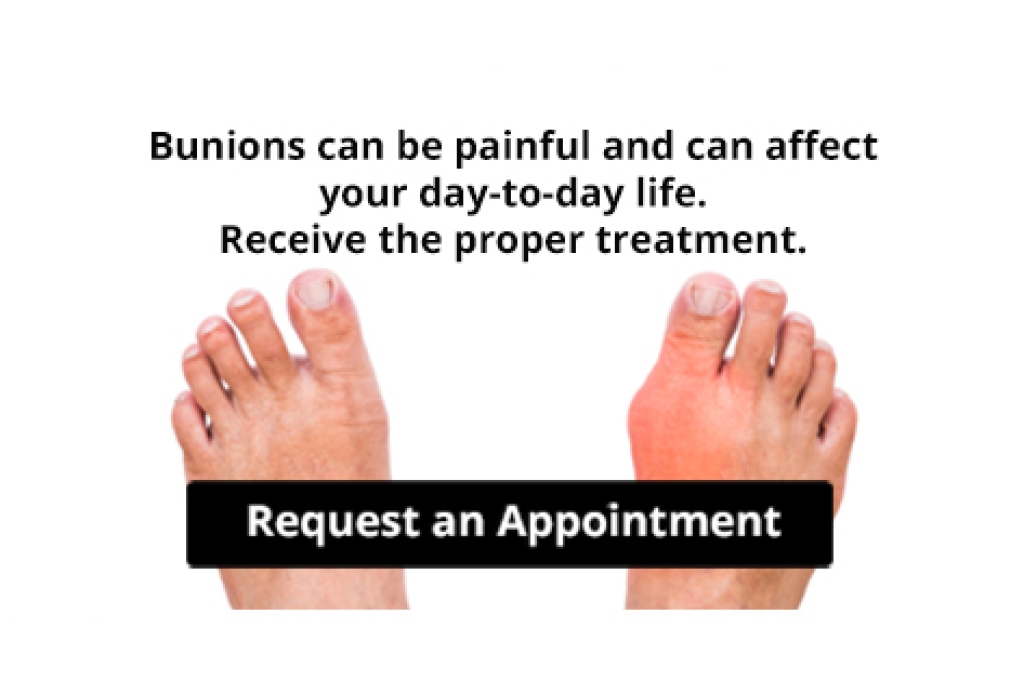
Are Bunions Affecting Your Everyday Life?

Have you noticed a bony protrusion on the side of your big toe? If so, you may have developed the foot condition known as a bunion. Don't let bunions interfere with your daily activities.

Different Types of Athlete’s Foot

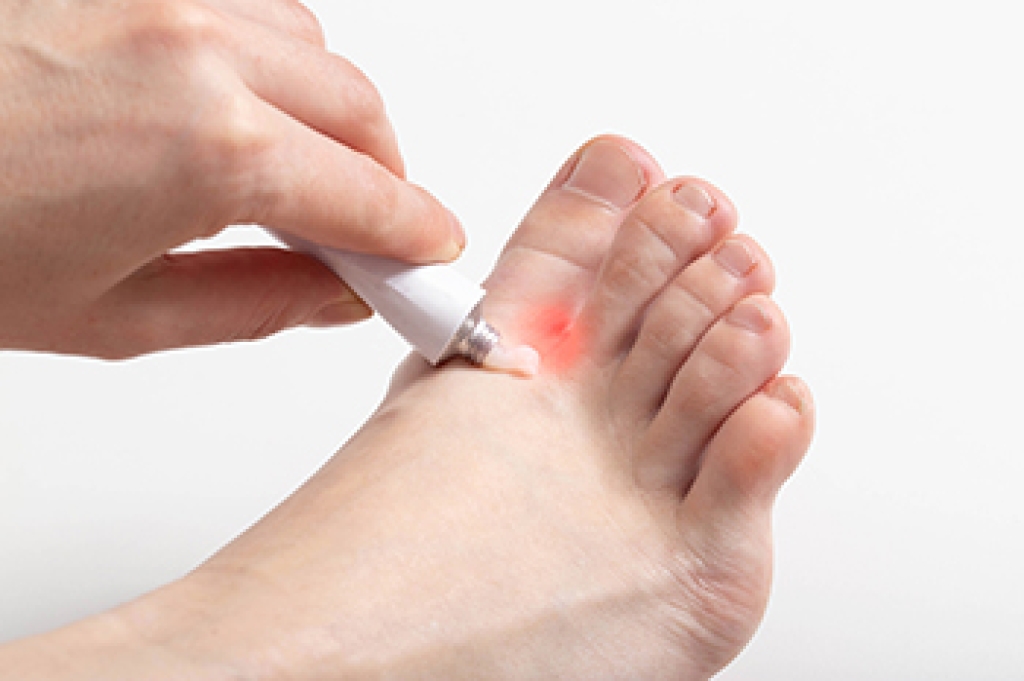
Athlete’s foot, also known as tinea pedis, is a fungal infection that results in inflammation, redness, itchiness, and scaling between the toes. It can also cause blistering on the bottom of the feet. This is a highly contagious infection and can be brought on by wearing wet or sweaty shoes or by walking barefoot on contaminated wet floors. Common areas to pick up athlete’s foot are pools, locker rooms, and public showers. Athlete’s foot can be difficult to cure and may come back again or turn into a bacterial infection if left untreated. There is more than one type of athlete’s foot. The three types of this fungal infection are interdigital, moccasin, and vestibular infections. An interdigital infection affects the skin between the toes. A moccasin infection covers the sole of the foot and can spread to the heel and edges of the feet. A vestibular infection can appear between the toes or the soles of the feet and can cause blisters or vesicles filled with pus that can burst open and cause open sores. Because athlete’s foot can sometimes be misdiagnosed, it is suggested that if you have these types of symptoms, an appointment is made with a podiatrist who can accurately diagnose and offer treatment options for athlete’s foot.

Athlete’s Foot

Athlete’s foot is often an uncomfortable condition to experience. Thankfully, podiatrists specialize in treating athlete’s foot and offer the best treatment options. If you have any questions about athlete’s foot, consult with Dr. Kennedy Legel from Advanced Foot & Ankle Care Specialists. Our doctor will assess your condition and provide you with quality treatment.

What Is Athlete’s Foot?

Tinea pedis, more commonly known as athlete’s foot, is a non-serious and common fungal infection of the foot. Athlete’s foot is contagious and can be contracted by touching someone who has it or infected surfaces. The most common places contaminated by it are public showers, locker rooms, and swimming pools. Once contracted, it grows on feet that are left inside moist, dark, and warm shoes and socks.

Prevention

The most effective ways to prevent athlete’s foot include:

  • Thoroughly washing and drying feet
  • Avoid going barefoot in locker rooms and public showers
  • Using shower shoes in public showers
  • Wearing socks that allow the feet to breathe
  • Changing socks and shoes frequently if you sweat a lot

Symptoms

Athlete’s foot initially occurs as a rash between the toes. However, if left undiagnosed, it can spread to the sides and bottom of the feet, toenails, and if touched by hand, the hands themselves. Symptoms include:

  • Redness
  • Burning
  • Itching
  • Scaly and peeling skin

Diagnosis and Treatment

Diagnosis is quick and easy. Skin samples will be taken and either viewed under a microscope or sent to a lab for testing. Sometimes, a podiatrist can diagnose it based on simply looking at it. Once confirmed, treatment options include oral and topical antifungal medications.

If you have any questions, please feel free to contact our office located in Dallas, TX . We offer the newest diagnostic and treatment technologies for all your foot care needs.

Read more about Athlete’s Foot
scroll to top