Treatment for Post-Traumatic Wounds of the Foot

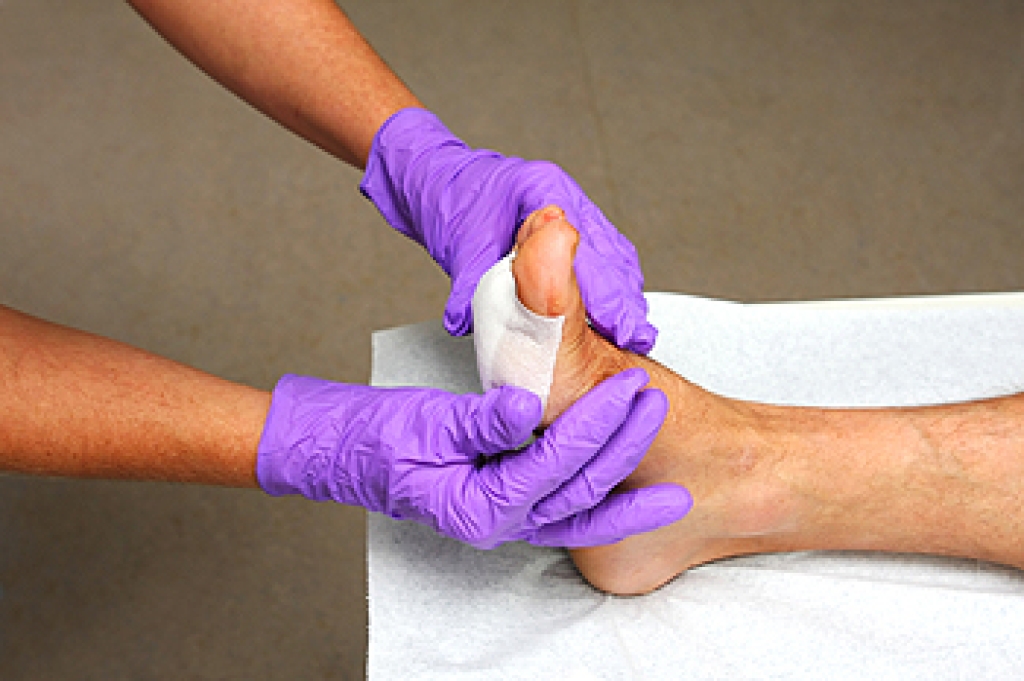
Post-traumatic wounds over the top part of the foot are injuries that occur after a traumatic event, such as an accident or severe impact. These wounds can be caused by cuts, crush injuries, or severe abrasions. When they happen, it is essential to treat them properly to prevent complications like infection or poor healing. Handling these wounds involves cleaning and dressing them to prevent infection. In more severe cases, where the skin and tissue are significantly damaged, podiatrists may use skin grafts, local tissue flaps, or free flaps for reconstruction. Skin grafts involve taking healthy skin from another part of the body to cover the wound, but they might not be as durable in the long term. Local or distant flaps are often preferred because they provide better long-term results and lower chances of permanent tightening of the skin. Reconstruction should focus on maintaining the foot's form, function, and appearance. If you have sustained such an injury, it is suggested that you schedule an appointment with a podiatrist for individualized treatment to achieve the best outcome.

Wound care is an important part in dealing with diabetes. If you have diabetes and a foot wound or would like more information about wound care for diabetics, consult with Dr. Kennedy Legel from Advanced Foot & Ankle Care Specialists. Our doctor will assess your condition and provide you with quality foot and ankle treatment.

What Is Wound Care?

Wound care is the practice of taking proper care of a wound. This can range from the smallest to the largest of wounds. While everyone can benefit from proper wound care, it is much more important for diabetics. Diabetics often suffer from poor blood circulation which causes wounds to heal much slower than they would in a non-diabetic. 

What Is the Importance of Wound Care?

While it may not seem apparent with small ulcers on the foot, for diabetics, any size ulcer can become infected. Diabetics often also suffer from neuropathy, or nerve loss. This means they might not even feel when they have an ulcer on their foot. If the wound becomes severely infected, amputation may be necessary. Therefore, it is of the upmost importance to properly care for any and all foot wounds.

How to Care for Wounds

The best way to care for foot wounds is to prevent them. For diabetics, this means daily inspections of the feet for any signs of abnormalities or ulcers. It is also recommended to see a podiatrist several times a year for a foot inspection. If you do have an ulcer, run the wound under water to clear dirt from the wound; then apply antibiotic ointment to the wound and cover with a bandage. Bandages should be changed daily and keeping pressure off the wound is smart. It is advised to see a podiatrist, who can keep an eye on it.

If you have any questions please contact our office located in Dallas, TX . We offer the newest diagnostic and treatment technologies for all your foot and ankle needs.

Read more about Wound Care

Achilles Tendon Injury Diagnosis

Diagnosing an Achilles tendon injury, such as a tear or rupture, involves several precise steps to ensure accurate identification and treatment. First, a podiatrist will discuss your symptoms, focusing on any sharp pain in the ankle or back of the leg, difficulty walking, or an audible snap at the time of injury. A thorough physical examination follows, often starting with the Thompson test, where the podiatrist will squeeze your calf muscle while you lie face down. A lack of foot movement suggests a tear. Plantar flexion tests assess your ability to flex the foot and stand on your toes. Visible signs, like a soft spot or bruising near the tendon, also may indicate damage to the Achilles tendon. Weight-bearing tests evaluate your capacity to stand on the injured foot and detect limping. For a more detailed view, imaging tests such as ultrasound or MRI may be performed. An ultrasound provides 2D images to pinpoint partial tears, while an MRI offers 3D images, which are particularly useful for identifying complete ruptures where tendon ends are detached. If you suspect an Achilles tendon injury, it's suggested that you make an immediate appointment with a podiatrist for a diagnosis and treatment. 

Achilles tendon injuries need immediate attention to avoid future complications. If you have any concerns, contact Dr. Kennedy Legel of Advanced Foot & Ankle Care Specialists. Our doctor can provide the care you need to keep you pain-free and on your feet.

What Is the Achilles Tendon?

The Achilles tendon is a tendon that connects the lower leg muscles and calf to the heel of the foot. It is the strongest tendon in the human body and is essential for making movement possible. Because this tendon is such an integral part of the body, any injuries to it can create immense difficulties and should immediately be presented to a doctor.

What Are the Symptoms of an Achilles Tendon Injury?

There are various types of injuries that can affect the Achilles tendon. The two most common injuries are Achilles tendinitis and ruptures of the tendon.

Achilles Tendinitis Symptoms

  • Inflammation
  • Dull to severe pain
  • Increased blood flow to the tendon
  • Thickening of the tendon

Rupture Symptoms

  • Extreme pain and swelling in the foot
  • Total immobility

Treatment and Prevention

Achilles tendon injuries are diagnosed by a thorough physical evaluation, which can include an MRI. Treatment involves rest, physical therapy, and in some cases, surgery. However, various preventative measures can be taken to avoid these injuries, such as:

  • Thorough stretching of the tendon before and after exercise
  • Strengthening exercises like calf raises, squats, leg curls, leg extensions, leg raises, lunges, and leg presses

If you have any questions please feel free to contact our office located in Dallas, TX . We offer the newest diagnostic tools and technology to treat your foot and ankle needs.

Read more about Achilles Tendon Injuries

High Ankle Sprains in Athletes

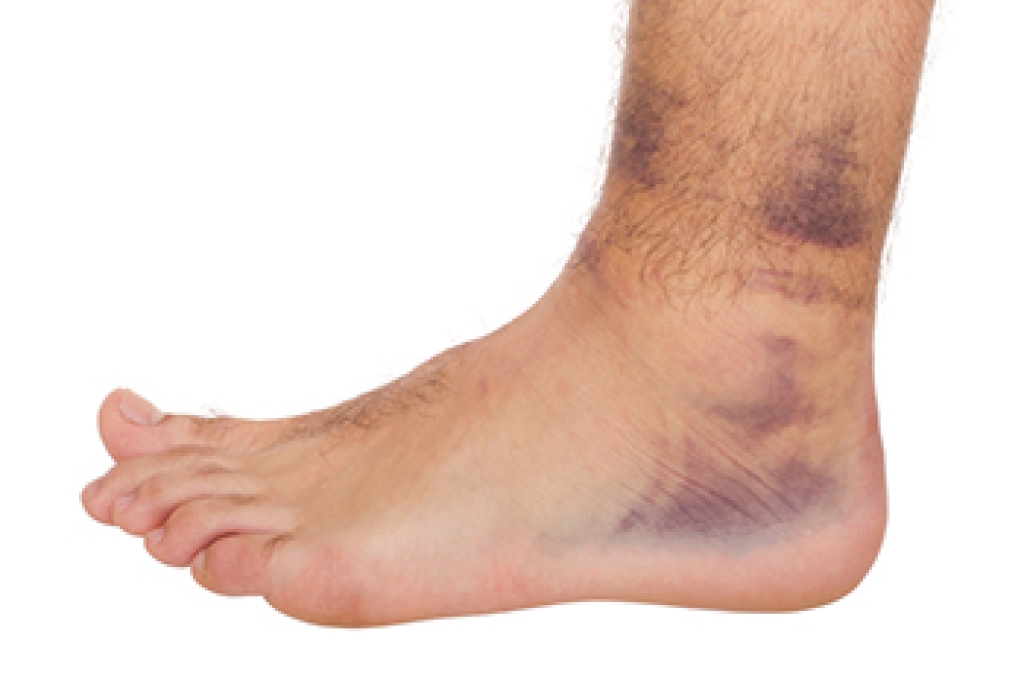
High ankle sprains, prevalent among athletes, are distinct from traditional ankle sprains due to the affected ligaments. These injuries typically occur during sudden twists or impacts that force the foot upwards, straining the ligaments connecting the two lower leg bones, the tibia, and fibula. These are unlike common ankle sprains, which involve the ligaments on the sides of the ankle. The injury causes pain, swelling, and instability, hindering mobility and performance. Sports that involve rapid changes in direction or jumping, such as basketball, soccer, and football, pose a higher risk. Factors like insufficient warm-up, wearing improper footwear, and fatigue exacerbate the likelihood of injury. Timely diagnosis and appropriate treatment, including rest, compression, and elevation, are critical for recovery and prevent long-term complications in athletes. If you have suffered an ankle sprain during a sporting activity, it is suggested that you consult a podiatrist who can determine which type of sprain it is, and treat it accordingly.

Although ankle sprains are common, they aren’t always minor injuries. If you need your ankle injury looked at, contact Dr. Kennedy Legel from Advanced Foot & Ankle Care Specialists. Our doctor can provide the care you need to keep you pain-free and on your feet.

How Does an Ankle Sprain Occur?

Ankle sprains are the result of a tear in the ligaments within the ankle. These injuries may happen when you make a rapid shifting movement while your foot is planted. A less common way to sprain your ankle is when your ankle rolls inward while your foot turns outward.

What Are the Symptoms?

  • Pain at the sight of the tear
  • Bruising/Swelling
  • Ankle area is tender to touch
  • In severe cases, may hear/feel something tear
  • Skin discoloration

Preventing a Sprain

  • Wearing appropriate shoes for the occasion
  • Stretching before exercises and sports
  • Knowing your limits

Treatment of a Sprain

In many cases, the RICE method (Rest, Ice, Compression, and Elevate) is used to treat ankle sprains. However, you should see a podiatrist to see which treatment option would work best with your injury. In severe cases, surgery may be required.

It is important to ask your doctor about rehab options after you receive treatment for your injury. Stretching, strength training, and balance exercises may help the ankle heal while also preventing further injury.

If you have any questions, please feel free to contact our office located in Dallas, TX . We offer the newest diagnostic and treatment technologies for all your foot care needs.

Read more about Ankle Sprains

Are Bunions Affecting Your Everyday Life?

Have you noticed a bony protrusion on the side of your big toe? If so, you may have developed the foot condition known as a bunion. Don't let bunions interfere with your daily activities.

Causes and Managing of Flat Feet in Children

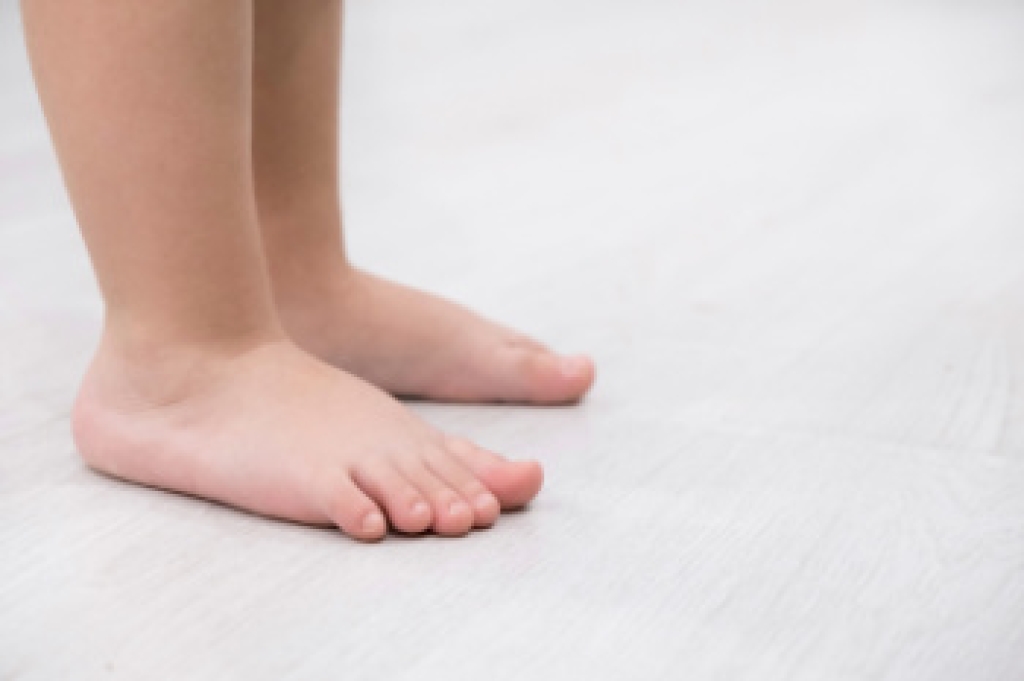
Flat feet, medically termed pes planus, is a common condition among children, indicated by a lack of arch in the foot. While many children naturally outgrow flat feet as they develop, some may experience persistent symptoms that warrant attention. The causes of flat feet in children vary, including genetics, lax ligaments, muscle weakness, or developmental abnormalities. Additionally, factors like obesity, improper footwear, or excessive standing can worsen the condition. Identifying flat feet in children involves observing certain signs, such as foot pain, fatigue, or an uneven gait. Although flat feet often do not cause significant issues, severe cases may lead to discomfort and difficulty walking. They may even contribute to other lower limb problems later in life. Management strategies typically focus on alleviating symptoms through supportive footwear, orthotic inserts, or stretching exercises. If your child does not gradually develop arches in their feet, it is suggested that a podiatrist be consulted who can conduct an exam and monitor flat feet.

Making sure that your children maintain good foot health is very important as they grow. If you have any questions, contact Dr. Kennedy Legel of Advanced Foot & Ankle Care Specialists. Our doctor can provide the care you need to keep you pain-free and on your feet.

Keeping Children's Feet Healthy

Having healthy feet during childhood can help prevent medical problems later in life, namely in the back and legs. As children grow, their feet require different types of care. Here are some things to consider...

Although babies do not walk yet, it is still very important to take care of their feet.

Avoid putting tight shoes or socks on his or her feet.

Allow the baby to stretch and kick his or her feet to feel comfortable.

As a toddler, kids are now on the move and begin to develop differently. At this age, toddlers are getting a feel for walking, so don’t be alarmed if your toddler is unsteady or ‘walks funny’. 

As your child gets older, it is important to teach them how to take care of their feet.

Show them proper hygiene to prevent infections such as fungus.

Be watchful for any pain or injury.

Have all injuries checked by a doctor as soon as possible.

Comfortable, protective shoes should always be worn, especially at play.

If you have any questions, please feel free to contact our office located in Dallas, TX . We offer the newest diagnostic and treatment technologies for all your foot care needs.

Read more about How to Care for Your Child's Feet
scroll to top