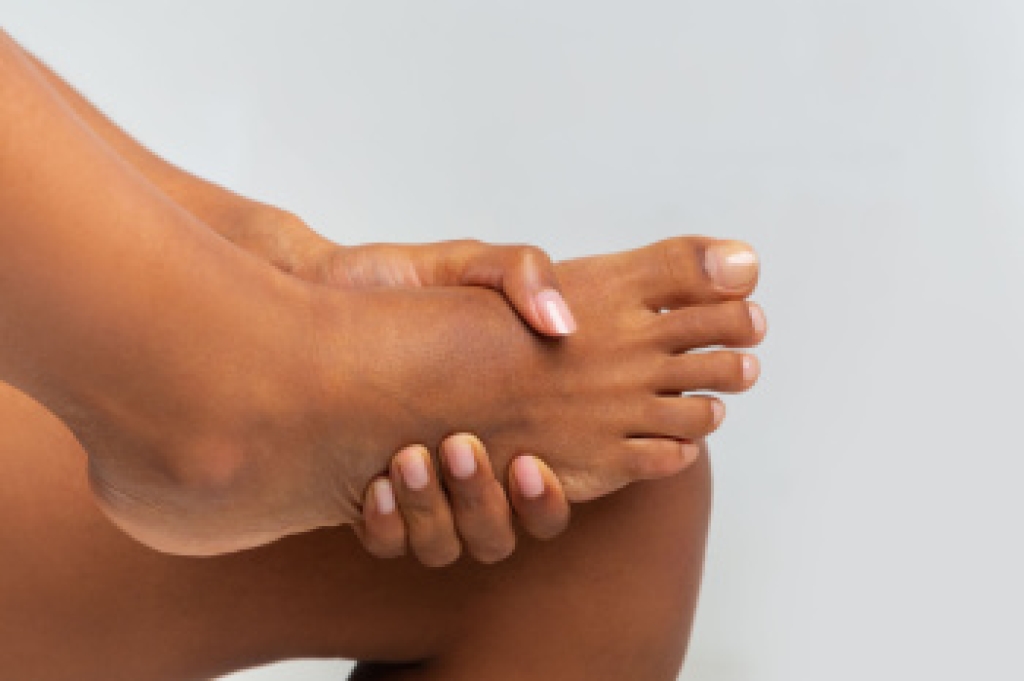
Maintaining Healthy Feet

Everyday foot care is an important part of maintaining overall health and mobility. The feet contain numerous bones, joints, muscles, and ligaments that work together to support the body during standing, walking, and other daily activities. Because the feet absorb significant pressure throughout the day, even minor problems can affect comfort and movement. Common foot concerns include calluses, corns, nail problems, and heel pain. Ignoring these issues may lead to discomfort that interferes with work, exercise, and everyday routines. Paying attention to foot health can help identify concerns early and support long-term mobility.

Foot problems can develop gradually and may not always cause immediate symptoms. Changes in foot shape, skin condition, or walking patterns can sometimes indicate an underlying issue. Individuals who spend long hours on their feet or participate in regular physical activity may place additional stress on the feet and ankles. Over time, this strain can contribute to pain, fatigue, and reduced function. Certain health conditions may also affect circulation and sensation in the feet, increasing the importance of regular foot evaluations. Because healthy feet are essential for balance and movement, addressing concerns before they become more serious can help preserve overall quality of life.

Podiatric care focuses on preventing, diagnosing, and treating a wide range of foot and ankle conditions. A podiatrist can evaluate foot structure, gait, and overall foot health to identify problems that may be affecting comfort or mobility. Professional care may help manage common issues such as foot pain, skin concerns, and nail disorders while supporting proper foot function. Regular podiatric evaluations can also help detect changes that might otherwise go unnoticed. By promoting healthy feet and addressing concerns early, podiatric care can play an important role in maintaining an active lifestyle. If you are experiencing foot pain or other foot-related concerns, it is suggested that you consult a podiatrist for an evaluation and appropriate treatment options.

Everyday foot care is very important to prevent infection and other foot ailments. If you need your feet checked, contact Dr. Kennedy Legel from Advanced Foot & Ankle Care Specialists. Our doctor can provide the care you need to keep you pain-free and on your feet.

Everyday Foot Care

Often, people take care of their bodies, face and hair more so than they do for their feet. But the feet are a very important aspect of our bodies, and one that we should pay more attention to. Without our feet, we would not be able to perform most daily tasks.

It is best to check your feet regularly to make sure there are no new bruises or cuts that you may not have noticed before. For dry feet, moisturizer can easily be a remedy and can be applied as often as necessary to the affected areas. Wearing shoes that fit well can also help you maintain good foot health, as well as making it easier to walk and do daily activities without the stress or pain of ill-fitting shoes, high heels, or even flip flops. Wearing clean socks with closed shoes is important to ensure that sweat and bacteria do not accumulate within the shoe. Clean socks help to prevent Athlete’s foot, fungi problems, bad odors, and can absorb sweat.

If you have any questions, please feel free to contact our office located in Dallas, TX . We offer the newest diagnostic and treatment technologies for all your foot care needs.

Read more about Every Day Foot Care

What Causes an Ingrown Toenail?

An ingrown toenail develops when the edge of a nail grows into the surrounding skin, most often affecting the big toe. This can lead to pain, redness, and swelling of the skin surrounding the nail, making walking uncomfortable. Common causes include improper nail trimming, wearing tight shoes, obesity, and repetitive activities that place extra pressure on the toes, like kicking a ball. Risk factors also include curved nails and poor foot hygiene. Early care can prevent worsening symptoms or infection. A podiatrist can safely treat the condition, relieve discomfort, and provide guidance on proper nail care and footwear. If you notice signs of an ingrown toenail, it is suggested that you promptly consult a podiatrist who can offer effective treatment solutions, which may include minor surgery for removal.

Ingrown toenails can become painful if they are not treated properly. For more information about ingrown toenails, contact Dr. Kennedy Legel of Advanced Foot & Ankle Care Specialists. Our doctor can provide the care you need to keep you pain-free and on your feet.

Ingrown Toenails

Ingrown toenails occur when a toenail grows sideways into the bed of the nail, causing pain, swelling, and possibly infection.

Causes

  • Bacterial infections
  • Improper nail cutting such as cutting it too short or not straight across
  • Trauma to the toe, such as stubbing, which causes the nail to grow back irregularly
  • Ill-fitting shoes that bunch the toes too close together
  • Genetic predisposition

Prevention

Wearing proper fitting shoes and using proper cutting techniques will also help decrease your risk of developing ingrown toenails.

Treatment

Ingrown toenails are a very treatable foot condition. In minor cases, soaking the affected area in salt or antibacterial soaps will not only help with the ingrown nail itself, but also help prevent any infections from occurring. In more severe cases, surgery is an option. In either case, speaking to your podiatrist about this condition will help you get a better understanding of specific treatment options that are right for you.

If you have any questions, please feel free to contact our office located in Dallas, TX . We offer the newest diagnostic and treatment technologies for all your foot care needs.
Read more about Ingrown Toenails

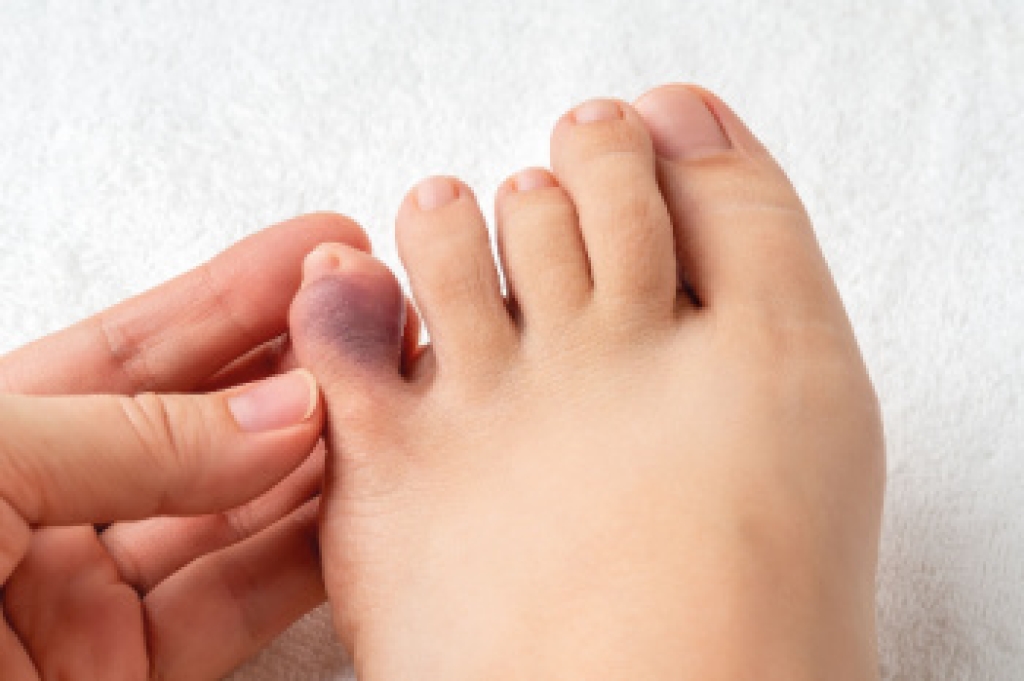
What Happens With a Broken Toe

A broken toe is a fracture in one of the small bones of the toes, usually caused by direct impact or repeated stress. It often appears with symptoms consisting of sudden pain, swelling, bruising, and difficulty walking. Some people notice the toe looks misaligned or feels tender when touched. This injury can happen from stubbing the toe, dropping a heavy object, or from overuse in sports. Risk factors include weak bone density, wearing poor footwear, and active lifestyles that involve running or jumping. Healing time varies, but most cases improve over several weeks with proper care and protection. A podiatrist can confirm the fracture with imaging, ensure proper alignment, and guide treatment to avoid long term problems. If you have broken your toe, it is suggested that you consult a podiatrist who can guide you to an appropriate treatment plan.

Broken toes may cause a lot of pain and should be treated as soon as possible. If you have any concerns about your feet, contact Dr. Kennedy Legel from Advanced Foot & Ankle Care Specialists. Our doctor will treat your foot and ankle needs.

What Is a Broken Toe?

A broken toe occurs when one or more of the toe bones of the foot are broken after an injury. Injuries such as stubbing your toe or dropping a heavy object on it may cause a toe fracture.

Symptoms of a Broken Toe

  • Swelling
  • Pain (with/without wearing shoes)
  • Stiffness
  • Nail Injury

Although the injured toe should be monitored daily, it is especially important to have a podiatrist look at your toe if you have severe symptoms. Some of these symptoms include worsening or new pain that is not relieved with medication, sores, redness, or open wounds near the toe.

If you have any questions please feel free to contact our office located in Dallas, TX . We offer the newest diagnostic tools and technology to treat your foot and ankle needs.

Read more about What to Know About a Broken Toe

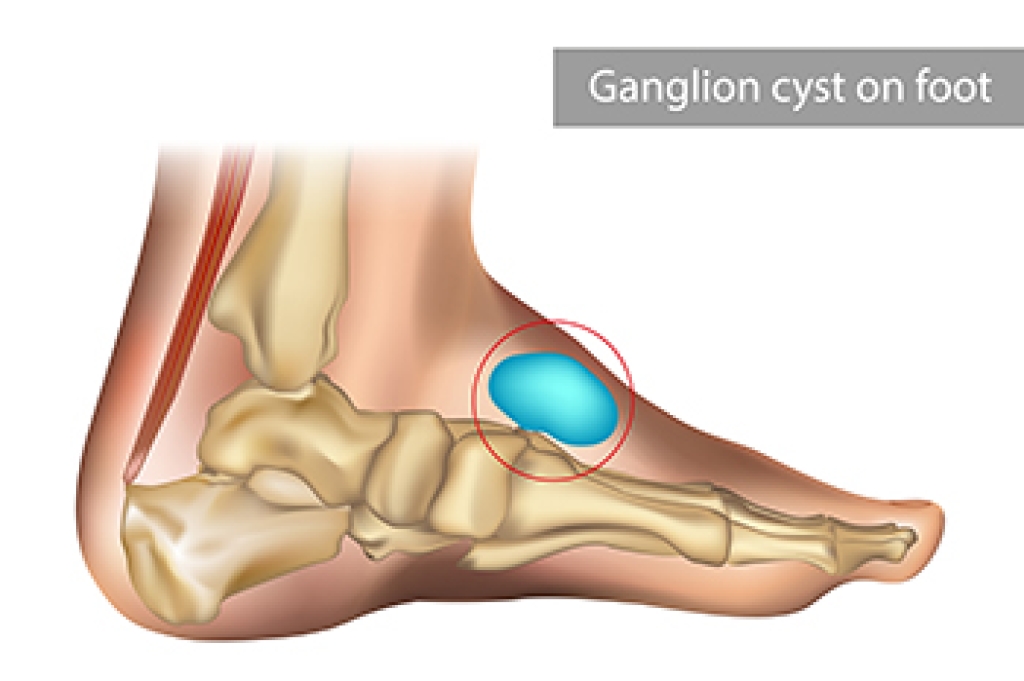
Understanding Ganglion Cysts

Ganglion cysts are fluid-filled sacs that develop near joints or tendons in the foot. They often appear as soft or firm lumps beneath the skin and may change in size over time. These cysts can form due to irritation or injury in the area, although the exact cause is not always clear. Risk factors include female gender and arthritis in nearby joints. Symptoms include tenderness, tingling, and, in some cases, muscle weakness if pressure affects nearby nerves. While some cysts are painless, others can cause discomfort with movement or footwear. A podiatrist can evaluate the cyst, confirm the diagnosis, and recommend appropriate treatment options. If you have developed a cyst on your foot, it is suggested that you consult a podiatrist who can provide a proper diagnosis and offer effective treatment solutions.

Foot Pain

Foot pain can be extremely painful and debilitating. If you have a foot pain, consult with Dr. Kennedy Legel from Advanced Foot & Ankle Care Specialists. Our doctor will assess your condition and provide you with quality foot and ankle treatment.

Causes

Foot pain is a very broad condition that could be caused by one or more ailments. The most common include:

  • Bunions
  • Hammertoes
  • Plantar Fasciitis
  • Bone Spurs
  • Corns
  • Tarsal Tunnel Syndrome
  • Ingrown Toenails
  • Arthritis (such as Gout, Rheumatoid, and Osteoarthritis)
  • Flat Feet
  • Injury (from stress fractures, broken toe, foot, ankle, Achilles tendon ruptures, and sprains)
  • And more

Diagnosis

To figure out the cause of foot pain, podiatrists utilize several different methods. This can range from simple visual inspections and sensation tests to X-rays and MRI scans. Prior medical history, family medical history, and any recent physical traumatic events will all be taken into consideration for a proper diagnosis.

Treatment

Treatment depends upon the cause of the foot pain. Whether it is resting, staying off the foot, or having surgery; podiatrists have a number of treatment options available for foot pain.

If you have any questions, please feel free to contact our office located in Dallas, TX . We offer the newest diagnostic and treatment technologies for all your foot care needs.
Read more about Foot Pain

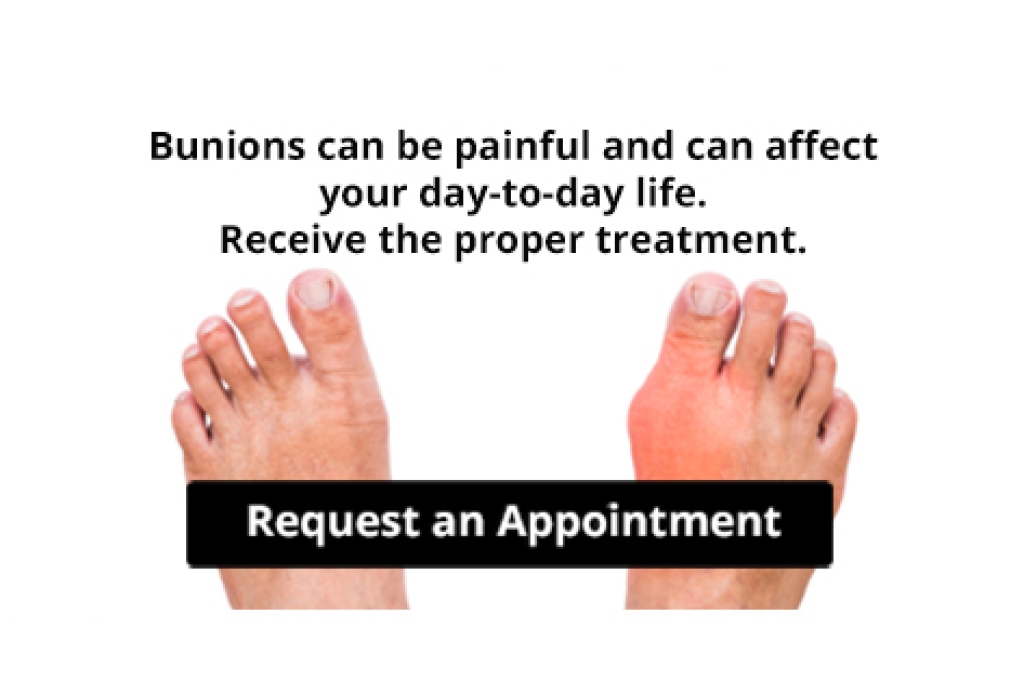
Are Bunions Affecting Your Everyday Life?

Have you noticed a bony protrusion on the side of your big toe? If so, you may have developed the foot condition known as a bunion. Don't let bunions interfere with your daily activities.

scroll to top