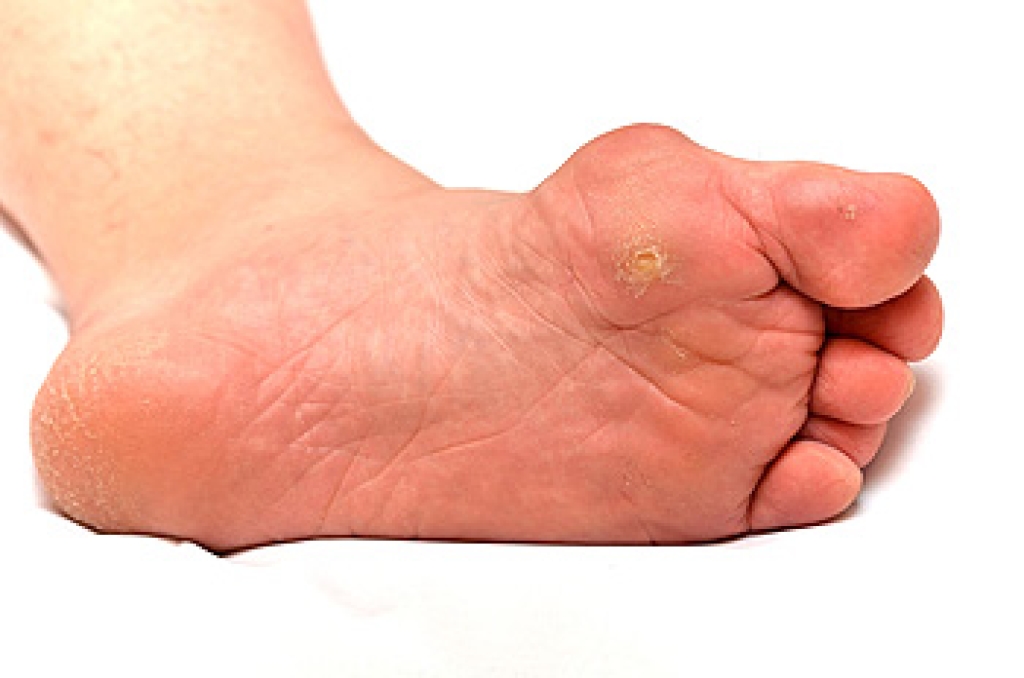
Causes of Bunions

If the joint on the bottom of the big toe is enlarged, this foot condition may be referred to as a bunion. There may be considerable inflammation, which can possibly lead to additional bone growth. Patients who experience bunions often have obvious symptoms including pain, redness and tenderness. If this condition is not treated promptly, arthritis may develop, and this may possibly cause a deformity. Common reasons for bunions to form may be from genetic traits or abnormal foot structures such as flat feet. Choosing to wear poorly fitting shoes may cause a preexisting case of bunions to become even worse. It’s important to speak with a podiatrist who can suggest specific exercises that may treat the symptoms of the bunion in addition to possible removal, which may require surgery.   

If you are suffering from bunion pain, contact Dr. Kennedy Legel of Advanced Foot & Ankle Care Specialists. Our doctor can provide the care you need to keep you pain-free and on your feet.

What Is a Bunion?

Bunions are painful bony bumps that usually develop on the inside of the foot at the joint of the big toe. As the deformity increases over time, it may become painful to walk and wear shoes. Women are more likely to exacerbate existing bunions since they often wear tight, narrow shoes that shift their toes together. Bunion pain can be relieved by wearing wider shoes with enough room for the toes.

Causes

  • Genetics – some people inherit feet that are more prone to bunion development
  • Inflammatory Conditions - rheumatoid arthritis and polio may cause bunion development

Symptoms

  • Redness and inflammation
  • Pain and tenderness
  • Callus or corns on the bump
  • Restricted motion in the big toe

In order to diagnose your bunion, your podiatrist may ask about your medical history, symptoms, and general health. Your doctor might also order an x-ray to take a closer look at your feet. Nonsurgical treatment options include orthotics, padding, icing, changes in footwear, and medication. If nonsurgical treatments don’t alleviate your bunion pain, surgery may be necessary.

If you have any questions, please feel free to contact our office located in Dallas, TX . We offer the newest diagnostic and treatment technologies for all your foot care needs.

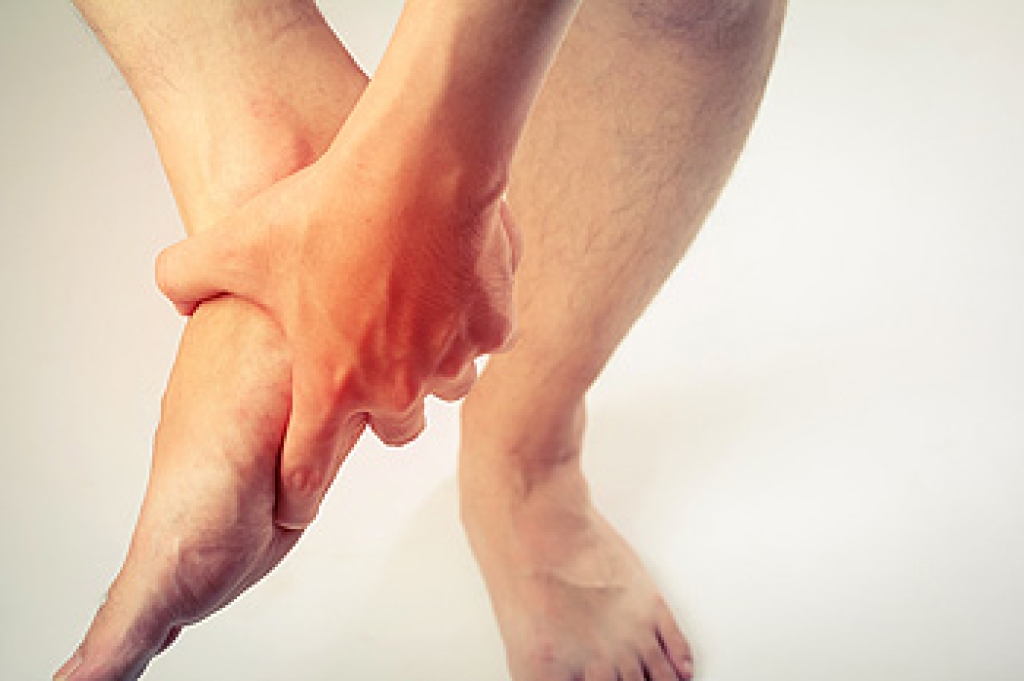
Read more about Bunions

Why Live with Pain and Numbness in Your Feet?

Suffering from this type of pain? You may have the foot condition known as Morton's neuroma. Morton's neuroma may develop as a result of ill-fitting footwear and existing foot deformities. We can help.

Several Common Types of Foot Pain

There are several foot conditions that may produce considerable pain. Fractures, sprains and Achilles tendon injuries may all be among common foot ailments that fall into this category. Stiffness may be a result of tendinitis in the foot, and relief may be found by consulting with a podiatrist for proper treatment options. A type of arthritis referred to as gout is known to cause severe pain at the bottom of the big toe and surrounding areas. It is a result of excess crystals that form in the bloodstream due to a large amount of uric acid in the blood. Foods that are rich in purines such as shellfish and red meat may contribute to the onset of gout. Other causes of foot pain may include plantar fasciitis, uncontrolled diabetes, or Morton’s neuroma. A podiatrist will be able to determine the specific cause of certain foot pain, and it’s suggested to seek counsel as soon as possible.

Foot Pain

Foot pain can be extremely painful and debilitating. If you have a foot pain, consult with Dr. Kennedy Legel from Advanced Foot & Ankle Care Specialists. Our doctor will assess your condition and provide you with quality foot and ankle treatment.

Causes

Foot pain is a very broad condition that could be caused by one or more ailments. The most common include:

  • Bunions
  • Hammertoes
  • Plantar Fasciitis
  • Bone Spurs
  • Corns
  • Tarsal Tunnel Syndrome
  • Ingrown Toenails
  • Arthritis (such as Gout, Rheumatoid, and Osteoarthritis)
  • Flat Feet
  • Injury (from stress fractures, broken toe, foot, ankle, Achilles tendon ruptures, and sprains)
  • And more

Diagnosis

To figure out the cause of foot pain, podiatrists utilize several different methods. This can range from simple visual inspections and sensation tests to X-rays and MRI scans. Prior medical history, family medical history, and any recent physical traumatic events will all be taken into consideration for a proper diagnosis.

Treatment

Treatment depends upon the cause of the foot pain. Whether it is resting, staying off the foot, or having surgery; podiatrists have a number of treatment options available for foot pain.

If you have any questions, please feel free to contact our office located in Dallas, TX . We offer the newest diagnostic and treatment technologies for all your foot care needs.

Read more about Foot Pain

How to Alleviate Swollen Feet During Pregnancy

It’s common for most women to experience swollen feet during their pregnancy. It’s considered normal for both feet to be affected, but your doctor should be contacted promptly if only one foot is swollen. There are several effective ways that may aid in reducing a portion of the swelling. These may include elevating your feet and legs frequently during the day, preferably above heart level. Additionally, performing foot and ankle stretches may help to pump excess fluid from the feet and legs. Many women have found that wearing compression stockings may help swollen feet from becoming worse during the day. Research has shown that limiting salt intake and drinking plenty of fresh water frequently may aid in the reduction of excess fluid, which often contributes to swollen feet during pregnancy.

Pregnant women with swollen feet can be treated with a variety of different methods that are readily available. For more information about other cures for swollen feet during pregnancy, consult with Dr. Kennedy Legel from Advanced Foot & Ankle Care Specialists. Our doctor will attend to all of your foot and ankle needs.

What Foot Problems Can Arise During Pregnancy?

One problem that can occur is overpronation, which occurs when the arch of the foot flattens and tends to roll inward.  This can cause pain and discomfort in your heels while you’re walking or even just standing up, trying to support your baby.  

Another problem is edema, or swelling in the extremities. This often affects the feet during pregnancy but tends to occur in the later stages. 

How Can I Keep My Feet Healthy During Pregnancy?

  • Wearing orthotics can provide extra support for the feet and help distribute weight evenly
  • Minimize the amount of time spent walking barefoot
  • Wear shoes with good arch support
  • Wear shoes that allow for good circulation to the feet
  • Elevate feet if you experience swelling
  • Massage your feet
  • Get regular, light exercise, such as walking, to promote blood circulation to the feet

If you have any questions, please feel free to contact our office located in Dallas, TX . We offer the newest diagnostic and treatment technologies for all your foot care needs.

Read more about Pregnancy and Foot Health

Do Your Child's Feet Hurt?

Have your child's feet been examined lately? Healthy feet are happy feet. If your child is complaining of foot pain, it may be a sign of underlying problems.

scroll to top